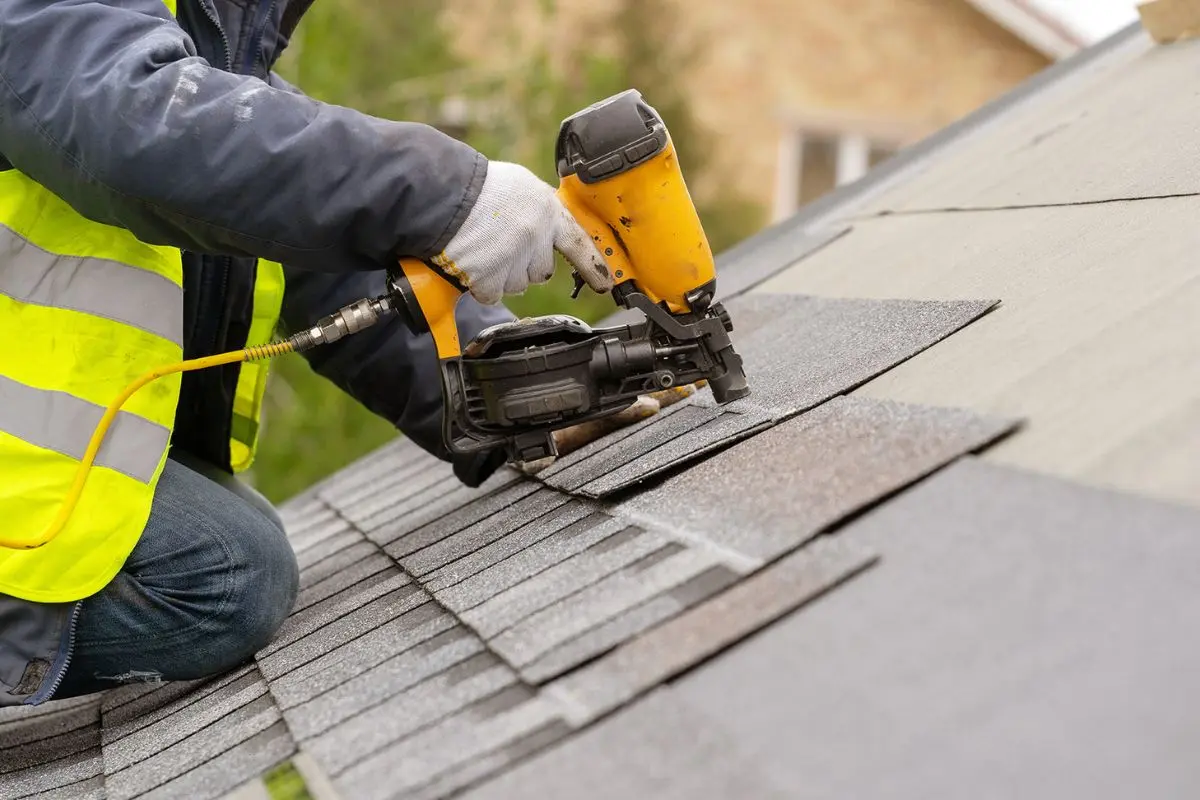
A roof repair patch is supposed to cover a damaged area and prevent water from entering the building. Once the patch is installed, most property owners expect the problem to be resolved. However, some repairs begin showing trouble much sooner than expected. The edges may curl upward, small bubbles may appear beneath the material, or sections of the patch may separate from the original roofing surface.
These problems are particularly frustrating because the repair may have looked perfectly secure when the work was completed. In many cases, the issue involves conditions beneath the patch rather than its appearance. Older roofing materials can contain embedded dirt, moisture, ageing coatings, or substances that interfere with bonding. Understanding why adhesion fails can help property owners recognise warning signs and determine what needs to be corrected before another repair is attempted.
Why Can a New Roof Patch Fail Even When It Looks Properly Installed?
A repair patch must form a suitable connection with the existing roofing system. Depending on the material, that connection may rely on an approved adhesive, heat welding, or another manufacturer-specified method.
If the original surface is unsuitable, the new material may not remain securely attached.
The Condition Beneath the Patch Matters
Older roof surfaces experience years of sunlight, temperature changes, rainfall, and environmental exposure. These conditions can gradually alter the surface of roofing membranes and coatings.
A patch installed over a deteriorated layer may initially appear secure. However, if the material underneath begins separating, the repair can lift with it.
This is why the visible condition of a roof does not always reveal whether it can support a particular repair method.
Adhesion Problems May Take Time to Appear
Some bonding problems become noticeable immediately, while others develop after repeated temperature changes or moisture exposure.
A patch may remain flat during installation but begin separating around its edges after the roof expands and contracts.
The failure does not automatically mean the entire roofing system needs replacement. It does indicate that the affected area requires further investigation.
How Do Old Roof Coatings Interfere With New Repair Materials?
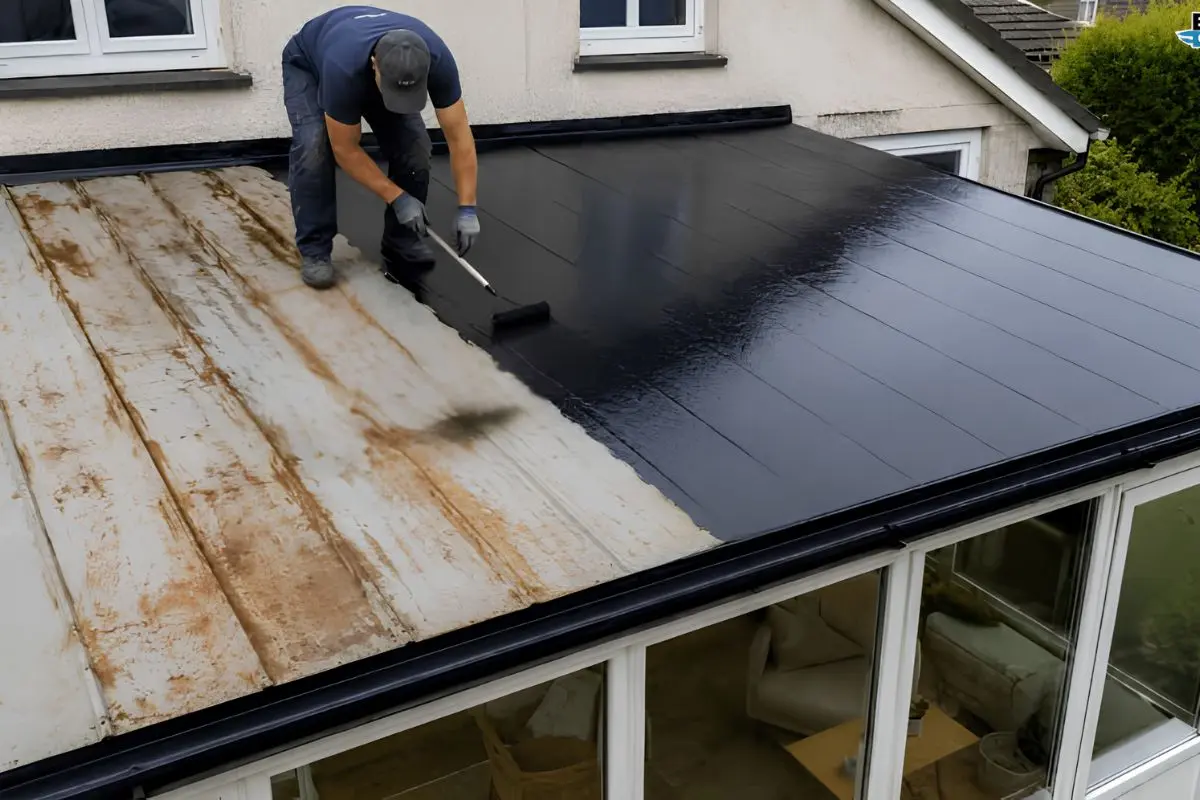
Low-slope roofs sometimes receive protective coatings or temporary repair products over their service life.
These materials may include acrylic coatings, silicone products, asphalt-based compounds, or other specialised treatments.
Each can behave differently when another repair material is applied over it.
Previous Coatings May Prevent Proper Bonding
Certain adhesives cannot form a reliable bond with particular coatings.
For example, a repair product designed for one membrane type may not adhere properly to a silicone-coated surface without an approved preparation system.
The original coating may also have become chalky, loose, or contaminated over time.
Even a compatible adhesive cannot provide a dependable repair if the underlying coating is separating from the roof.
Identifying previous treatments is therefore an important part of evaluating an older roofing surface.
Why Does Trapped Moisture Cause Repair Patches to Lift?
Moisture beneath a roofing membrane can complicate repair work, particularly when the affected materials cannot dry properly.
A wet surface may prevent adhesives from bonding as intended. Moisture trapped below certain roofing layers can also contribute to blistering under changing temperatures.
Surface Dryness Does Not Always Mean the Roof Is Dry
After rainfall, the top of a roof may dry while moisture remains beneath damaged seams or within insulation.
Applying a patch over the affected area can conceal the problem without correcting it.
Under suitable conditions, trapped moisture may contribute to pressure beneath certain roof coverings or continued deterioration of underlying materials.
Not every blister indicates trapped water, however. Installation conditions, membrane behaviour, and other factors can produce similar symptoms.
The cause should be established before attempting another repair.
Can Two Roofing Membranes Look Similar but Be Incompatible?
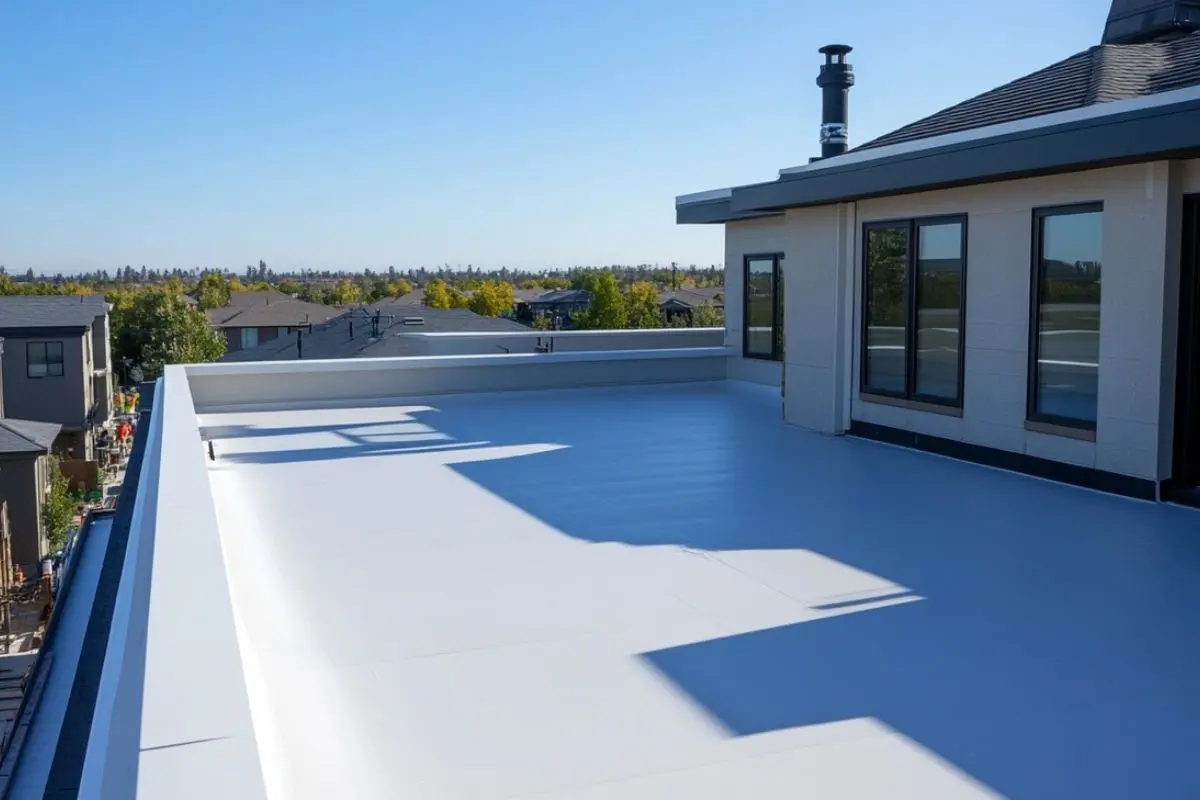
Low-slope roofing systems often appear similar from a distance. However, materials that share a comparable appearance may require completely different repair methods.
Common systems include EPDM rubber, TPO, PVC, and modified bitumen.
Different Membranes Require Different Repair Methods
EPDM repairs commonly involve compatible primers, adhesives, and specialised tapes or patches.
Certain thermoplastic membranes, including TPO and PVC, are typically repaired using compatible materials and controlled heat-welding methods.
Modified bitumen systems may require other approved techniques depending on their construction.
These methods are not interchangeable simply because two materials have similar colours or textures.
Using an unsuitable adhesive or patch can result in poor bonding, premature separation, or damage to the existing membrane.
What Makes Surface Preparation So Important Before Patching?
Successful repair work begins with examining the existing roofing material and identifying anything that could interfere with installation.
Dirt, loose coatings, residual moisture, and deteriorated membrane surfaces may all affect the finished result.
Cleaning Alone May Not Be Enough
Removing visible debris is useful, but some roofing materials require additional preparation before a patch can be installed.
Manufacturer instructions may specify approved cleaners, primers, drying conditions, or other preparation methods.
The surface must also be sound enough to support the repair.
Roof repair services can involve identifying the existing membrane, examining previous repairs, and preparing the affected area before choosing a suitable patching method. These steps matter because a product that bonds successfully to clean, compatible material may fail when applied over an unstable surface.
A properly prepared repair area provides a more dependable starting point than simply placing new material over the damaged section.
Why Do Repair Patches Often Start Peeling at the Edges?
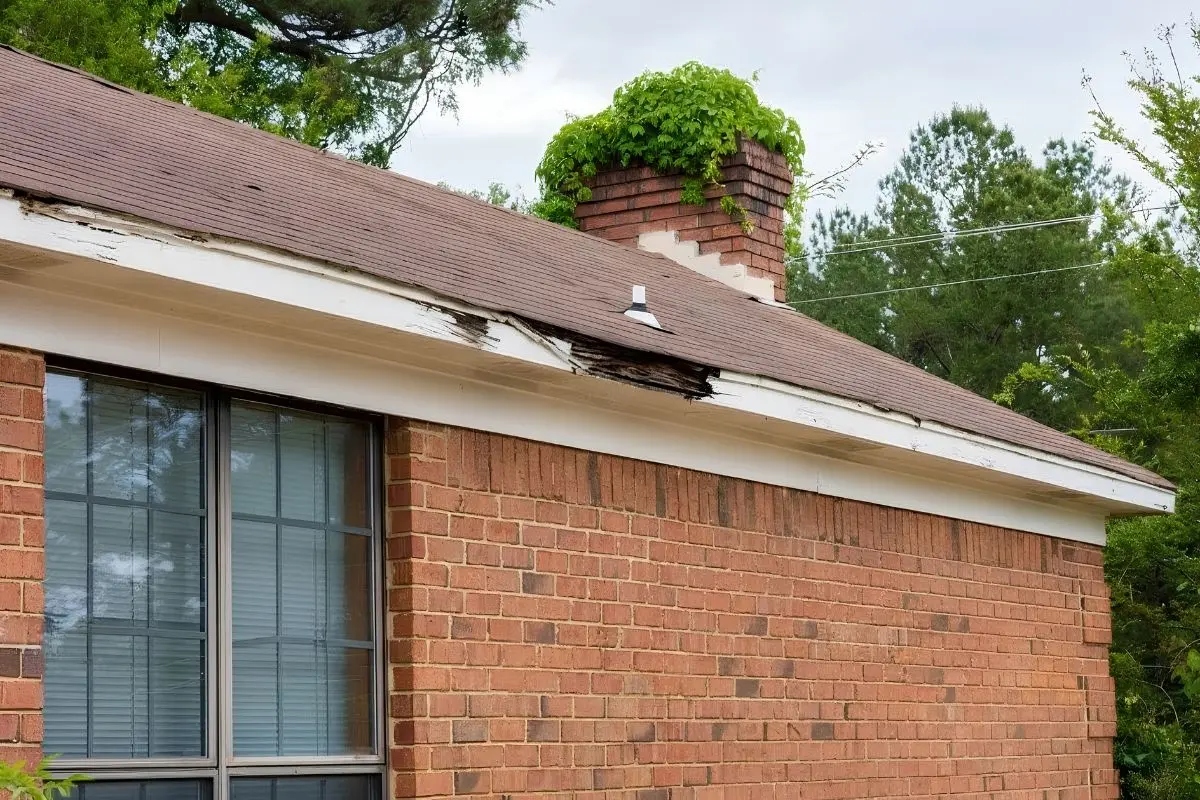
The edges of a patch are particularly important because they form the transition between the new material and the existing roof.
When this boundary loses adhesion, water may find a pathway beneath the repair.
Thermal Movement Can Stress Weak Bonds
Roofing materials expand and contract as temperatures change.
If a patch and the surrounding membrane move differently, the bonded area must accommodate that movement.
An unsuitable adhesive, incomplete seam, or poorly prepared surface may struggle to maintain the connection.
Over time, the weakest sections may begin lifting.
Small Gaps Can Grow Into Larger Problems
A slightly raised patch edge may initially seem harmless. However, wind, water, and repeated movement can contribute to further separation.
Once water enters beneath the patch, it may reach the original defect or spread into adjoining areas.
Adding sealant over the lifted edge without examining the underlying bond may only conceal the problem temporarily.
How Can Roofing Suppliers Help Prevent Material Compatibility Mistakes?
Selecting repair materials requires more than finding a patch with the correct colour or approximate thickness.
The existing roof system, manufacturer requirements, and intended application all influence which products are appropriate.
Product Specifications Help Identify Suitable Materials
Technical information can establish whether an adhesive, primer, or repair membrane is approved for a particular roofing system.
A contractor working with a Roofing Supplier in Los Angeles may need to verify product compatibility, available membrane types, and manufacturer instructions before purchasing repair materials.
This becomes especially relevant when the original roofing installation is older or previous repairs have introduced different products.
A supplier may provide product documentation, but the contractor must still evaluate actual roof conditions and determine whether the proposed repair method is appropriate.
Similar Products Are Not Always Interchangeable
Two adhesives may be intended for roofing applications yet have different bonding requirements.
One product might require a primer, while another may be approved only for certain membrane surfaces.
Using an alternative product without confirming compatibility can create unnecessary repair problems.
Material selection should follow the roofing system’s requirements rather than relying solely on product availability.
What Happens When the Existing Roof Material Cannot Be Identified?
Some property owners have little information about the roofing materials installed on their buildings.
Previous contractors may have applied coatings, patches, or additional layers without leaving detailed records.
This can make the original roofing system difficult to identify.
Material Identification Should Come Before Repair Selection
Contractors may examine membrane characteristics, existing seams, exposed edges, or available installation records to determine the roof type.
Manufacturer markings or previous project documentation can sometimes provide useful clues.
When uncertainty remains, additional assessment or manufacturer guidance may be necessary.
Applying a repair product based only on appearance creates a risk of using incompatible materials.
In some cases, the condition or unknown composition of previous repairs may make a limited patch unsuitable until the affected layers are examined more closely.
When Should a Failed Patch Be Removed Instead of Covered Again?
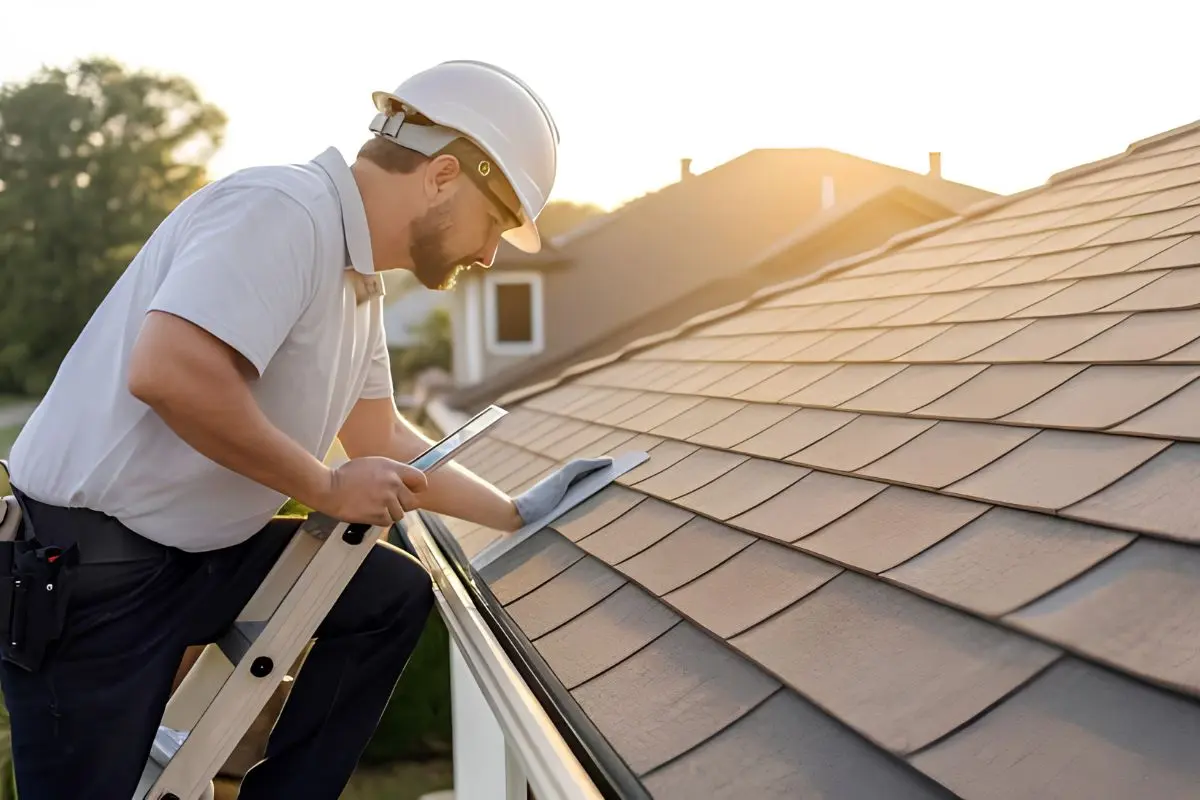
A failed patch does not always require extensive roofing work. However, repeatedly covering the same area without identifying the cause can create additional layers that make future investigation more difficult.
Repeated Failures May Indicate a Deeper Problem
If a patch continues lifting after several repair attempts, the issue may involve deteriorated membrane material, trapped moisture, or movement at the affected location.
The surrounding roofing surface should be assessed before another repair is installed.
Removing failed material may reveal whether the original roof remains suitable for patching.
Where deterioration extends beyond the visible defect, a larger repair area may be needed.
Existing Damage Determines the Appropriate Repair
Some failures can be corrected through proper surface preparation and installation of compatible materials.
Others may require removing damaged membrane sections, replacing affected insulation, or restoring underlying components.
The decision should reflect the actual roof condition rather than the desire to cover the visible problem as quickly as possible.
A repair that addresses the reason for failure is more likely to remain secure than another patch applied over the same unsuitable surface.
Conclusion
A roof patch can look secure immediately after installation yet begin peeling when the underlying conditions are unsuitable. Previous coatings, trapped moisture, deteriorated surfaces, and incompatible materials can all interfere with the connection between new and existing roofing components.
Peeling edges and recurring separation should be treated as signs that the original repair needs closer examination. Repeatedly adding material over the affected area may hide the problem without resolving it.
Identifying the existing roofing system, examining the condition beneath the patch, and using compatible repair methods can reduce the likelihood of repeated failure. A dependable repair begins with understanding why the original material separated, not simply covering the damaged area again.