
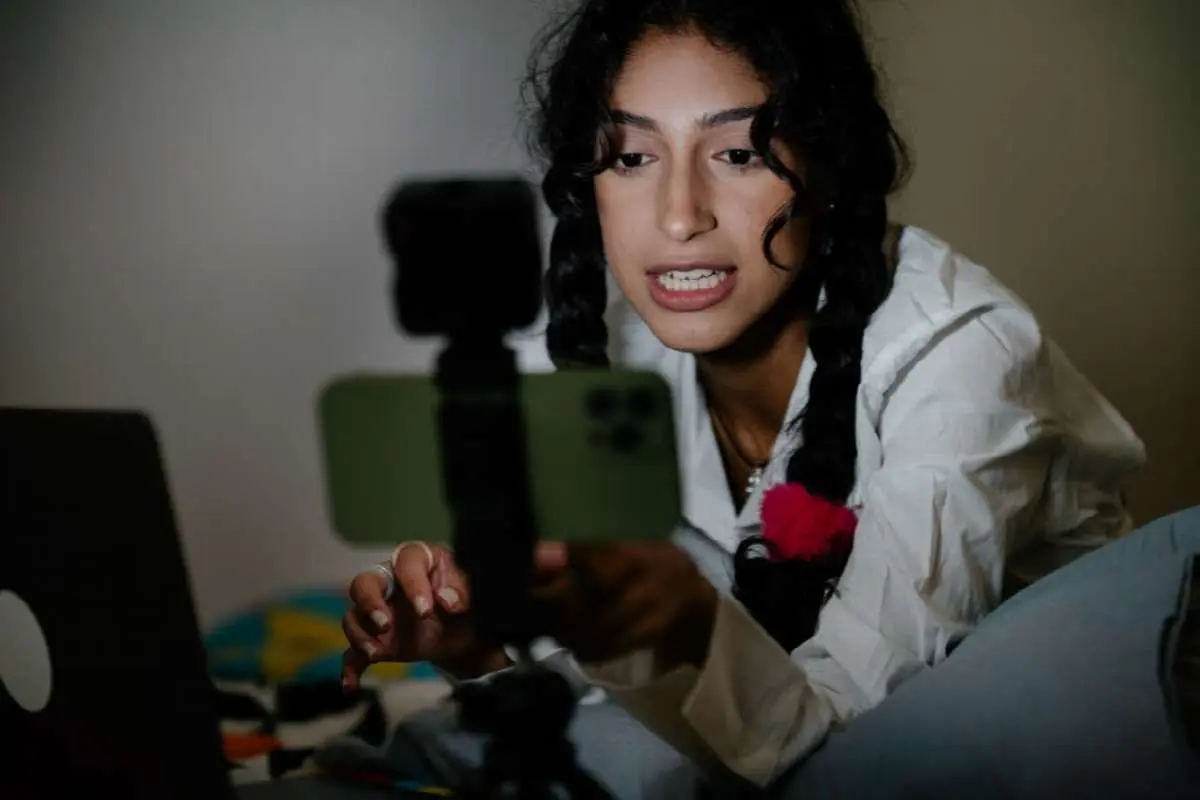
A few years back, picking creators at most big brands went roughly like this. Someone on the social team opened Instagram, sorted by followers, scrolled until a feed “felt right,” and fired off a brief. If it flopped, it flopped. You lost a few thousand dollars and sat through one awkward Monday meeting.
Influencer Marketing Hub’s 2026 benchmark report says 72.2% of respondents expect their influencer budgets to grow by half or more. Once the line item gets that big, someone in finance starts asking how creators get chosen. “They looked good” is not an answer anyone wants to give.
What I’m seeing instead in enterprise influencer discovery is a slow move away from reach as the first filter. Teams want to know if the audience is real. Then whether the creator is safe to put the logo next to. Finally, whether the deal can be measured at all, I’d go a step further and say these work best when you run them in that order, one after another, instead of ticking them off together at the end.
Why follower counts stopped working as a shortlist filter
Influencer marketing spent years being pitched to leadership as a way of borrowing social media celebrity for brand success. So naturally, the bigger the following, the better the pick.
The problem is, in enterprise influencer discovery, followers are about the easiest thing online to buy. In that same benchmark, fake or bot followers were behind 56.5% of the fraud and quality issues respondents flagged. Only 10.9% said they’d seen none of the problems on the list. That’s almost everyone.
If you run five creators a year, you can live with some of that. Run 150 a quarter, and it gets ugly fast. A bit of dead weight in each audience turns into real money paid for views nobody saw, and those padded reach numbers end up in the quarterly deck as if they were true.
The part people forget is what it does to learning. Say a launch underperforms. Was the hook weak? Wrong offer? Or were half the “viewers” bots to begin with? You won’t know, and the next campaign gets planned on the same bad data.
Discovery is turning into a procurement decision

Honestly, the closest comparison I can think of is vendor vetting. No procurement lead signs off on a software supplier because its LinkedIn has lots of followers. And a creator on a twelve-month always-on deal is, in practice, a supplier speaking in your brand’s name.
Tooling is catching up, just not evenly. AI shows up most in discovery (36.67% of benchmark respondents use it there) and barely in fraud detection, at 7.22%. So teams will let software go find people but don’t quite trust it to vet them yet. Probably sensible.
There are plenty of influencer marketing platforms out there, and they’re good at different things. CreatorIQ has leaned hard into governance and shipped a dedicated brand safety product in 2025. Traackr is the one people tend to mention for benchmarking performance. Modash works for teams that mostly want a huge creator database to search and don’t need much else.
An influencer discovery platform for enterprise brands like Hypefy uses AI agents to write the brief from your goal, find matching creators on Instagram and TikTok, and then run outreach, payments, and live reporting off that same shortlist. Hypefy reviews content before it’s published as well, which comes up again under brand safety below.
What I like about that kind of setup (Hypefy or anyone else doing it) is that you judge a creator later using the same data you picked them with. The downside is you can get stuck. Ask about data export before you’re three campaigns deep.
Quick test worth doing before you commit to anything: take a campaign you already ran. Give Hypefy, or whatever you’re trialling, last year’s brief and see who comes back. Lay that next to who you actually hired. You’ll learn more from the gaps than from any demo call.
The three-gate discovery model
Order matters here in enterprise influencer discovery, mostly for cost reasons. A proper brand safety review takes hours. Doing one on a creator whose followers mostly live in a market you don’t sell to is just burning time.
1. Gate one: audience quality
Look at who’s following, not how many. I’d take 80,000 people in your top three markets over 600,000 spread all over the map.
Check age and gender against your real buyer, not the persona deck. Open the growth chart, because a sudden jump of tens of thousands of followers with no viral post to explain it is a red flag. Read a few comment sections properly. If the same short compliment keeps appearing from the same handful of accounts, that’s often a pod.
Mid-tier and micro creators tend to do well at this stage. Coruzant’s breakdown of marketing strategies for tech companies points to micro-influencers and industry experts as a credibility play for technical products, and I think that carries over to pretty much any category where buyers do their homework. Smaller audiences are also just less work to verify.
2. Gate two: brand safety
A lot of teams still treat brand safety as admin that happens once the creative is approved. Kolsquare’s 2026 brand safety report puts numbers on the mismatch: just 11% of US influencer marketers call it their top success metric, while 80% of US consumers say creators who aren’t genuine or transparent lose their trust. That gap is where most of the PR headaches come from.
A good review goes back a year or two, and deleted posts count if you can dig them up. Has this person done deals with your direct competitors? Do they label sponsored content, or do they “forget”? Are they posting AI-generated or heavily edited stuff that might mislead people? Spend a bit of time on their replies and live streams too.
Once you know what you care about, put it on one page. Hard no’s in one column, judgment calls in the other. Otherwise, every regional team quietly writes its own version.
3. Gate three: proof of return
This is the one people skip. Before signing, ask whether you’ll be able to measure the thing at all. If there’s no tracked link, no code, and no shared analytics, you’ll be guessing in three months.
Many brands get around this by bolting affiliate mechanics onto creator deals, and this piece on affiliate vs. influencer marketing covers how the two can work together. Interesting detail from the benchmark, too: reporting is the job brands least want to give agencies, at 6.9%. They want the numbers in-house.
In the contract itself, spell out the main KPI, the attribution window, and who hands over the raw data.
A 90-day plan for rebuilding discovery

You don’t have to rebuild everything. Most of the gain comes from running your existing program through stricter checks.
Spend the first three weeks on last year’s roster. Score every creator against the three gates and mark who would have failed. In my experience, nothing gets leadership’s attention like their own past spend.
Weeks three to five, get that one-page brand safety standard written, signed off by legal once, and sent to every agency you use.
Between weeks five and eight, settle measurement. KPIs and attribution windows per campaign type, agreed before anyone sends an outreach email.
For the last month, run a pilot. A handful of vetted micro creators, one or two bigger names, same brief for all of them. Compare cost per verified result, not cost per post.
Then repeat the audit every quarter. Audiences change. Someone who looked clean in March can look very different by September.
Conclusion: discovery is where ROI is won or lost
Enterprise influencer budgets are still going up, and more people inside the business want to know what that money is buying. The teams with a good answer probably won’t be the ones with the longest creator list. More likely they’ll be the ones who checked audiences first, made brand safety part of choosing creators, and walked away from deals they couldn’t track.
The software will keep getting better at all of this. But in enterprise influencer discovery, deciding what “a good fit” means for your brand is still on you. Get the gates in place, then pick tools that help you move through them quicker.