

As digital healthcare continues to expand, the need for accessible services that maintain strong clinical standards has become increasingly important. In weight management, patients need more than treatment options; they need proper assessment, clear guidance and continued support that recognises their individual health needs. Building trust through responsible, patient-centred care remains essential to making this support meaningful.
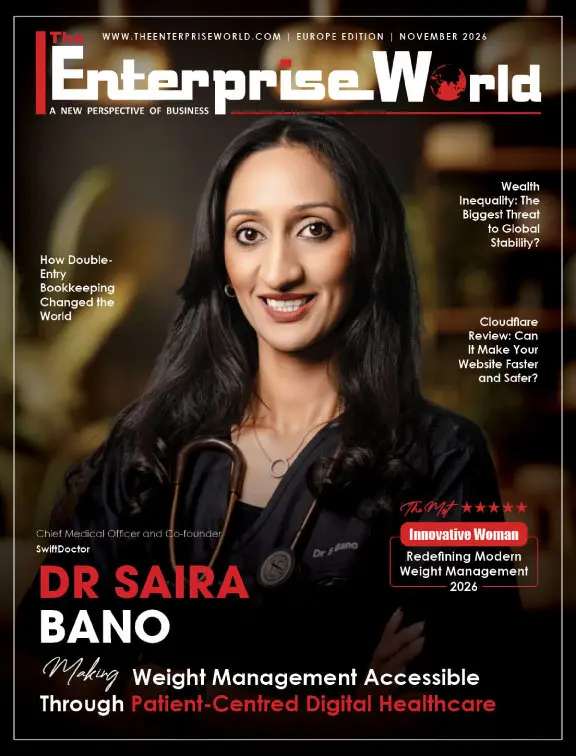
Dr Saira Bano, Chief Medical Officer and Co-founder of SwiftDoctor, is working to address this need by combining clinical oversight with the accessibility of digital healthcare. Drawing on her experience as an NHS GP and her interest in metabolic health, she is helping shape a service that places patient safety, informed decisions and ongoing care at its centre.
Clinical Experience with a Commitment to Better Care
Dr Saira is an NHS General Practitioner with more than ten years of experience and a special interest in metabolic health. Alongside her clinical practice, she works as a GP trainer and holds SCOPE certification in obesity care. Her experience in the NHS has shaped her understanding of the challenges patients face when seeking timely, appropriate weight management support.
At SwiftDoctor, she brings clinical experience and a commitment to responsible, patient-centred digital healthcare. Her work is informed by further learning through the NHS Digital Academy and Imperial College’s Digital Health Leadership programme, as well as her role as a Clinical Safety Officer. She remains focused on improving access to care while maintaining clinical standards, patient safety and trust.
A Medical Career Shaped by Patient Needs
Dr Saira’s professional journey has been shaped by her experience in the National Health Service (NHS), where she has spent more than a decade working as a General Practitioner with a special interest in metabolic health. Through her clinical practice, she has worked with patients facing a range of health challenges, gaining a deeper understanding of how medical conditions, personal circumstances and access to appropriate support influence long-term wellbeing. Her work as a GP trainer has further strengthened her commitment to clinical learning, clear communication and evidence-based decision-making.
Her experience in the consulting room also brought her face-to-face with the difficulties many people living with obesity encounter when seeking treatment. She recognised that patients often struggled to access timely support and were sometimes left feeling that their concerns were not being taken seriously. These experiences gradually shaped her ambition to create a more accessible model of care. Alongside her NHS responsibilities, she co-founded SwiftDoctor, bringing her clinical experience into a digital healthcare service built around individual assessment, responsible treatment and continued patient support.
Understanding the Challenges Behind Obesity
Through her NHS consultations, Dr Saira recognised that obesity was often misunderstood and treated as a matter of willpower rather than a complex health condition. Many patients were already making considerable efforts to improve their health but continued to face barriers to appropriate treatment. Factors such as biology, appetite regulation, sleep, stress, medication and personal circumstances could all influence weight, making a uniform approach to weight management inadequate.
She also observed that reaching a target weight did not necessarily mean the challenges were over. Maintaining progress could require just as much attention and support as losing weight, particularly for people who had experienced setbacks or weight regain in the past. These experiences strengthened her belief that effective weight management needed to extend beyond short-term results, with greater emphasis on individual needs, realistic expectations and sustained improvements in health and wellbeing.
Establishing a Patient-Centred Model of Care
The experiences that shaped Dr Saira’s clinical perspective also influenced the way she approached building SwiftDoctor. Co-founding the company gave her an opportunity to address some of the barriers she had witnessed in traditional healthcare settings by developing a digital service centred on accessibility, clinical assessment and ongoing support. Rather than positioning weight management as a quick solution, the aim was to create a service where patients could receive appropriate medical guidance and make informed decisions about their health.
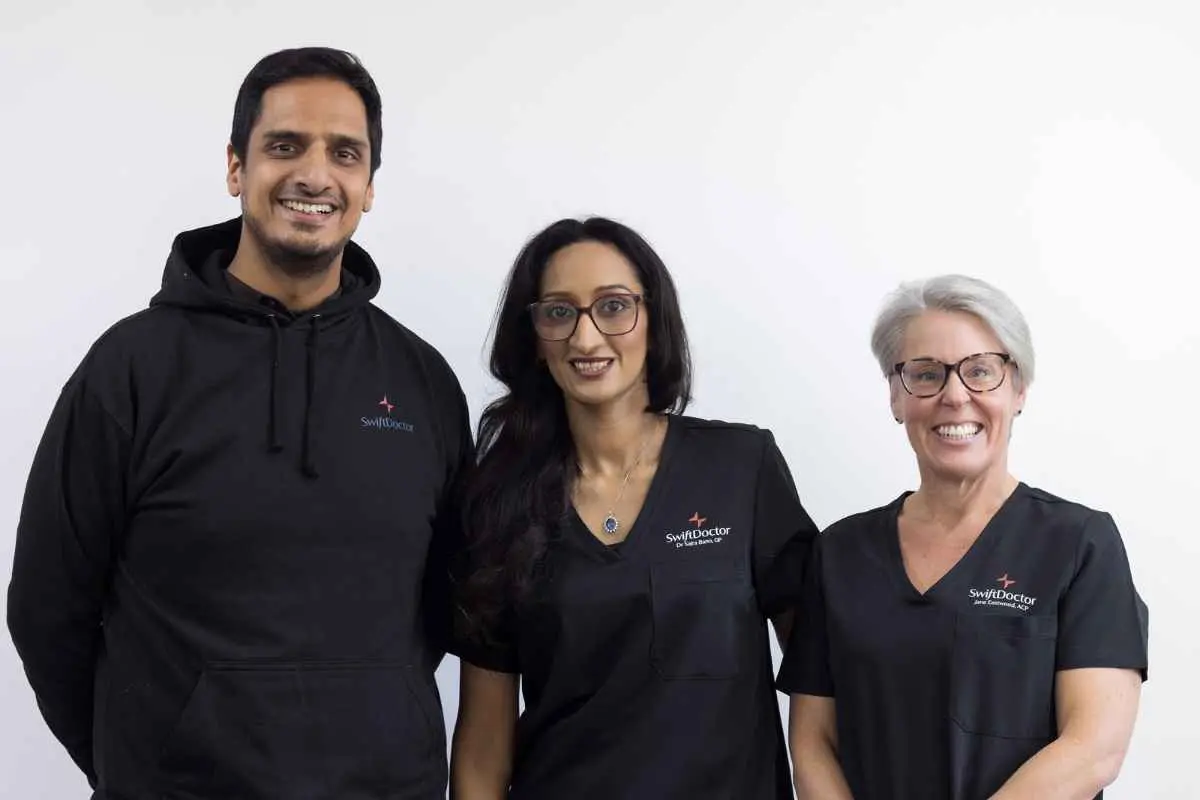
Working alongside her co-founder and superintendent pharmacist, Nasir Ali, Dr Saira brought medical and pharmacy expertise together to shape the service. Their combined approach places individual circumstances at the centre of treatment decisions, recognising that patients have different medical histories, needs and expectations. For Dr Saira, making healthcare more accessible also means maintaining professional standards, ensuring responsible prescribing and giving patients the confidence to seek advice without feeling judged.
Five Principles of Patient-Centred Weight Management
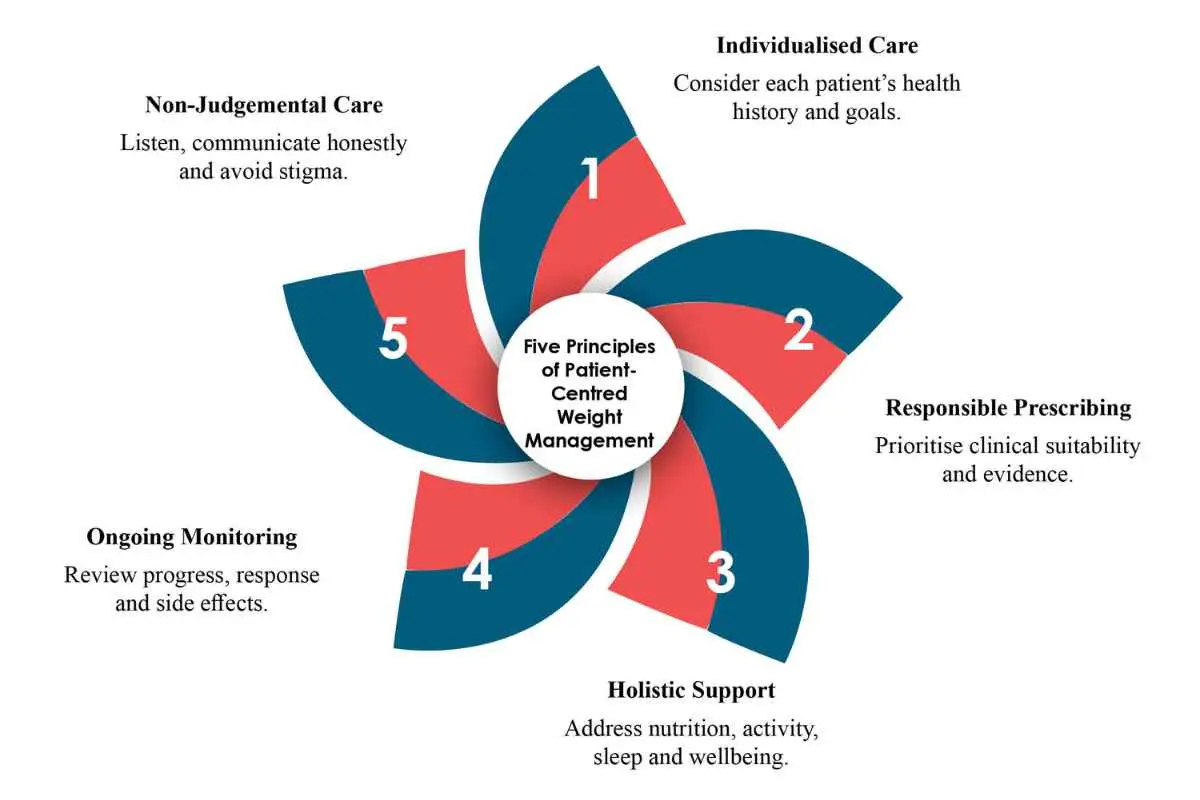
- Individualised Care
- Consider each patient’s health history and goals.
- Responsible Prescribing
- Prioritise clinical suitability and evidence.
- Holistic Support
- Address nutrition, activity, sleep and wellbeing.
- Ongoing Monitoring
- Review progress, response and side effects.
- Non-Judgemental Care
- Listen, communicate honestly and avoid stigma.
Care Guided by Individual Medical Needs

At SwiftDoctor, treatment begins with understanding the person behind the consultation. Dr Saira and the clinical team consider each patient’s weight history, existing medical conditions, current medicines, previous treatments and individual goals before deciding on an appropriate course of care. Depending on the information available, this may involve considering medication, requesting further details, seeking specialist input or recommending an alternative approach.
Patients transferring from other providers require particular attention to their previous treatment and dosage history. Repeat prescription requests also involve reviewing progress, treatment tolerability and any changes in health or medication. This helps ensure that decisions remain relevant as a patient’s circumstances change, rather than allowing treatment to continue without proper review.
Maintenance is another important part of the process. Dedicated consultations help patients consider how to sustain progress and manage the longer-term aspects of weight care. For Dr Saira, continued guidance matters because reaching a target weight does not remove the need for informed decisions and appropriate clinical support.
Balancing Digital Convenience with Clinical Responsibility
Digital healthcare can make support more accessible, but convenience must never take priority over patient safety. Dr Saira believes online consultations require the same care and professional judgement as any other clinical setting. When information is incomplete or unclear, the team may ask for further details, request supporting evidence or arrange an additional consultation before making a decision.
Prescribing is a clinical responsibility, not an automatic transaction. There may be occasions when treatment needs to be delayed, declined or referred elsewhere because a patient’s circumstances require a different form of care. During treatment, the team also considers side effects, nutritional intake and changes in medical history or medication. Decisions about dosage increases depend on individual progress and tolerability rather than a fixed schedule.
Some health concerns cannot be assessed adequately through an online service alone. Recognising these limitations is part of responsible digital healthcare. For Dr Saira, a convenient service is valuable only when it maintains clear clinical boundaries and directs patients towards appropriate care when needed.
Before & After Leadership
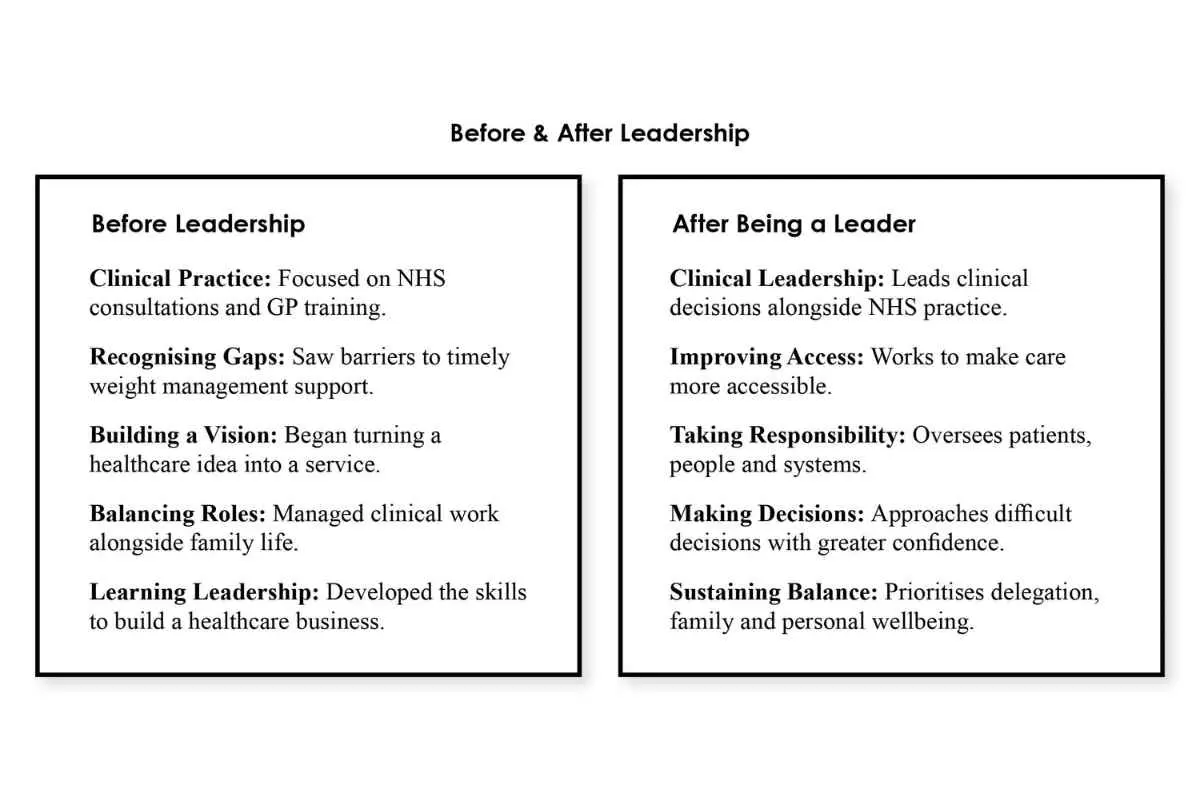
| Before Leadership | After Being a Leader |
| Clinical Practice: Focused on NHS consultations and GP training. | Clinical Leadership: Leads clinical decisions alongside NHS practice. |
| Recognising Gaps: Saw barriers to timely weight management support. | Improving Access: Works to make care more accessible. |
| Building a Vision: Began turning a healthcare idea into a service. | Taking Responsibility: Oversees patients, people and systems. |
| Balancing Roles: Managed clinical work alongside family life. | Making Decisions: Approaches difficult decisions with greater confidence. |
| Learning Leadership: Developed the skills to build a healthcare business. | Sustaining Balance: Prioritises delegation, family and personal wellbeing. |

Trust Through Transparency and Accountability
Trust in healthcare depends on clear communication, honest advice and consistent standards. Dr Saira places importance on explaining treatment options, including potential benefits, side effects, risks and alternatives, so patients can make informed decisions. Consent remains an ongoing process, not a one-time formality. Where treatment involves off-label use, patients must receive a clear explanation supported by sound clinical reasoning, without pressure to proceed.
SwiftDoctor’s governance reflects professional prescribing responsibilities, General Pharmaceutical Council standards, Care Quality Commission requirements for regulated medical activities and UK GDPR. Secure information handling, restricted access to patient records, transparent data use and staff training form part of this approach. Concerns are also reviewed to identify areas where processes can improve.
The service’s commitment to accountability is reflected in its regulatory journey. SwiftDoctor passed its first GPhC inspection in April 2026. Patient feedback, including complaints and critical reviews, is also taken seriously. With a 4.9 out of 5 Trustpilot rating across thousands of reviews, the team continues to recognise that trust must be earned through responsible decisions and consistent patient care.
Combining Clinical Learning with Digital Innovation
Dr Saira continues to develop her clinical knowledge through NHS general practice, her role as a GP trainer and SCOPE certification in obesity care. She pays close attention to the quality and relevance of emerging evidence, recognising that new treatments must be assessed carefully rather than adopted based on growing interest alone. Her learning through the NHS Digital Academy and Imperial College’s Digital Health Leadership programme has also shaped her understanding of how technology can improve access while maintaining patient safety.
As a Clinical Safety Officer, she considers the risks of digital healthcare alongside its potential benefits. This perspective influences how SwiftDoctor approaches new tools and service improvements. The team is strengthening clinical processes, developing patient education and working on digital tools to support continuity of care and help clinicians identify when patients may need closer attention.
Looking ahead, Dr Saira sees weight management becoming more individualised, with greater emphasis on long-term maintenance, physical function and practical sustainability. She believes innovation must remain guided by evidence, appropriate licensing and real-world experience. For SwiftDoctor, the priority is to make digital care more accessible without losing the clinical judgement and personal support that patients need.
A Day in the Leader’s Life
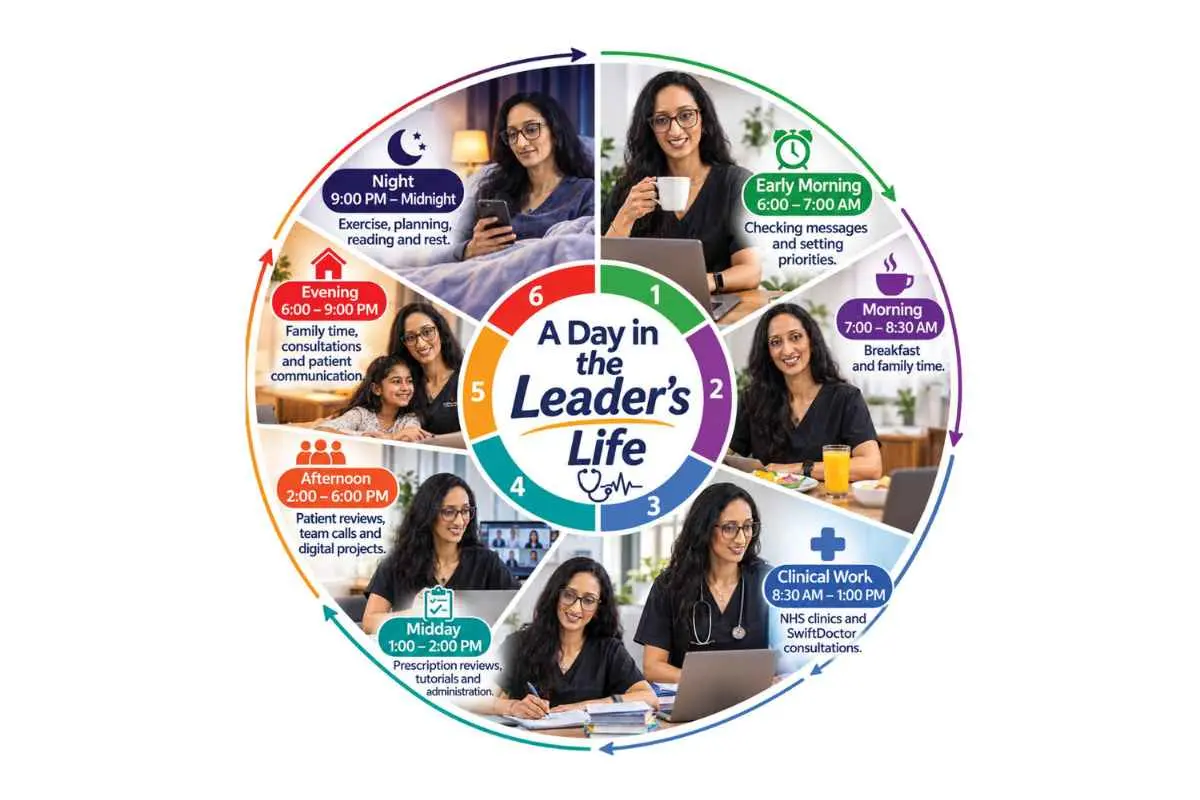
- Early Morning | 6:00–7:00 AM
- Checking messages and setting priorities.
- Morning | 7:00–8:30 AM
- Breakfast and family time.
- Clinical Work | 8:30 AM–1:00 PM
- NHS clinics and SwiftDoctor consultations.
- Midday | 1:00–2:00 PM
- Prescription reviews, tutorials and administration.
- Afternoon | 2:00–6:00 PM
- Patient reviews, team calls and digital projects.
- Evening | 6:00–9:00 PM
- Family time, consultations and patient communication.
- Night | 9:00 PM–Midnight
- Exercise, planning, reading and rest.
Open Letter
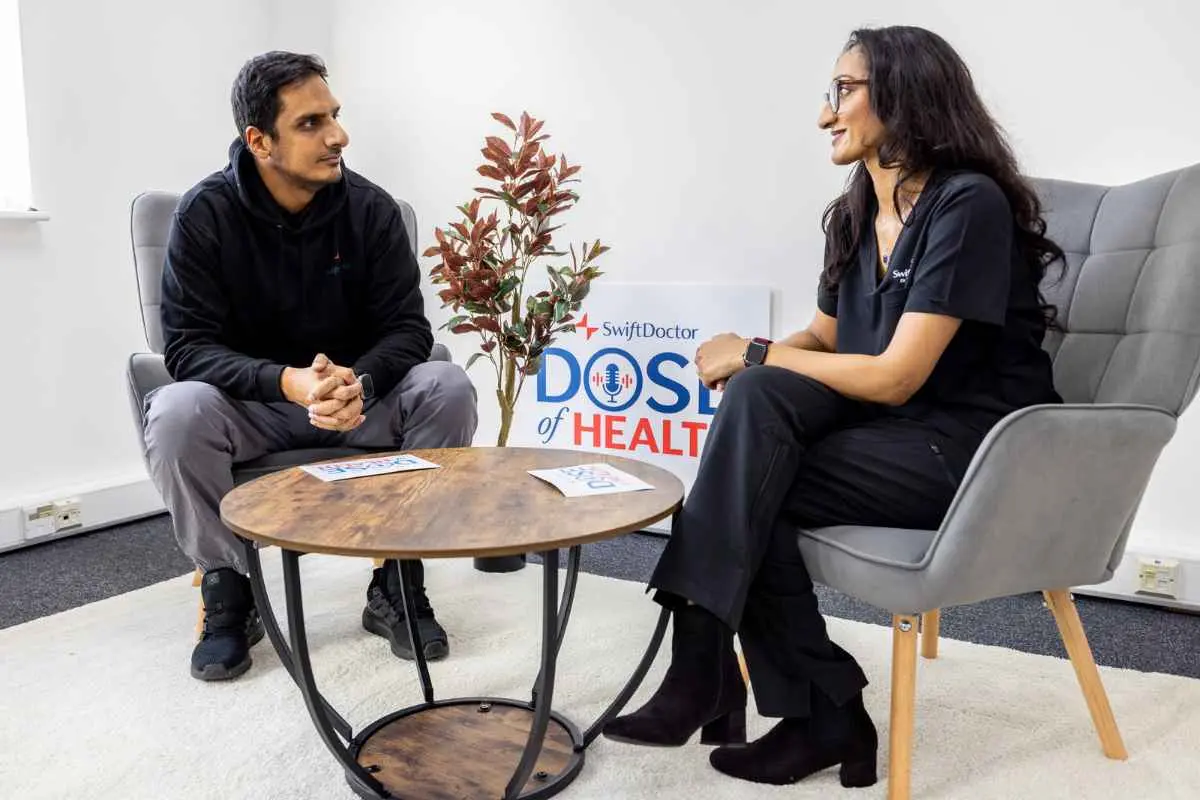
Dear Readers,
To anyone struggling with their weight: you deserve to be listened to, and to be offered care without judgement. If previous attempts have not lasted, that does not make you a failure. Ask questions, seek qualified support, and make the decisions that are right for your health and your circumstances.
To my fellow healthcare professionals: the language we use can decide whether someone ever feels able to ask for help again. Listen to what the person has already tried, and to what is making change difficult. We can be honest about risk and uncertainty while still offering hope.
To women building careers in medicine and leadership: you do not need every answer before you begin. Take the problem you care about seriously, surround yourself with people whose judgement you trust, and never stop learning. There will be competing demands and uncomfortable decisions along the way. I am still learning to navigate them myself.
The principle I always return to is simple: remember the person who needed a better experience of care. That is who the work is for.
Dr Saira Bano — Chief Medical Officer and Co-founder
SwiftDoctor
Quick Takes
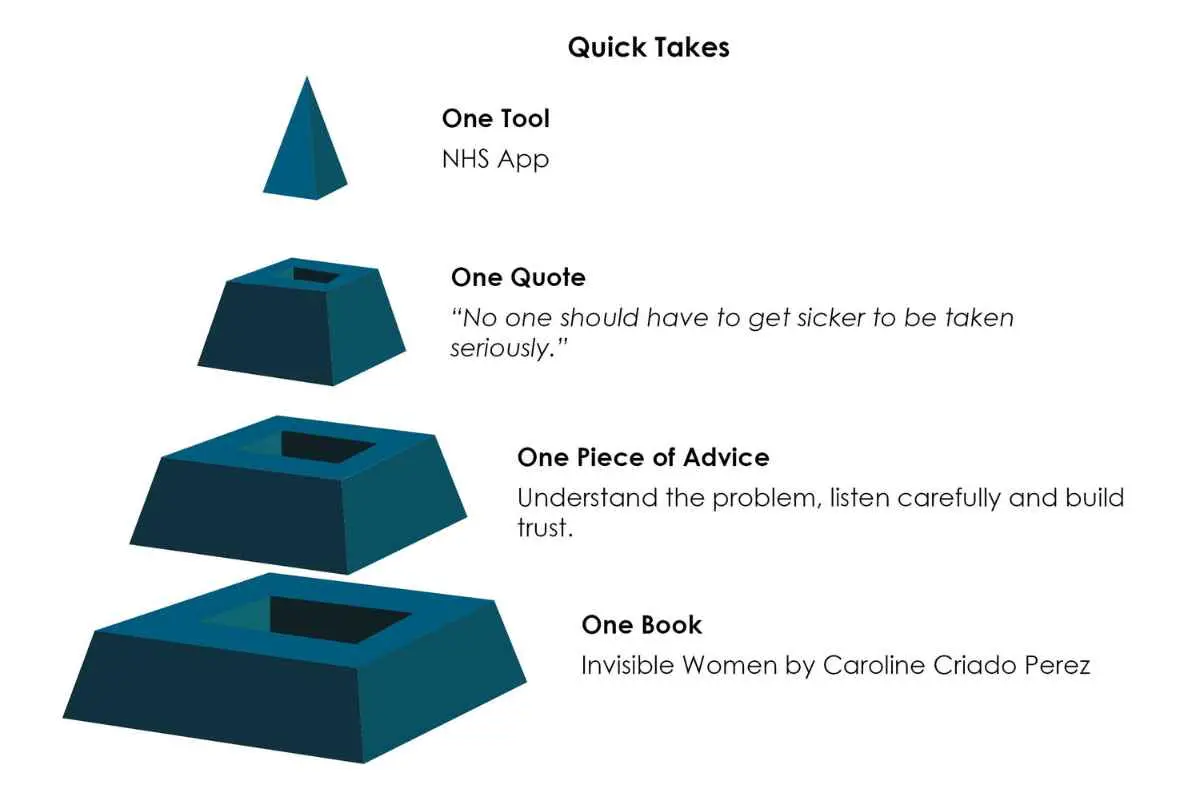
- One Tool
- NHS App
- One Quote
- “No one should have to get sicker to be taken seriously.”
- One Piece of Advice
- Understand the problem, listen carefully and build trust.
- One Book
- Invisible Women by Caroline Criado Perez
5 Key Takeaways
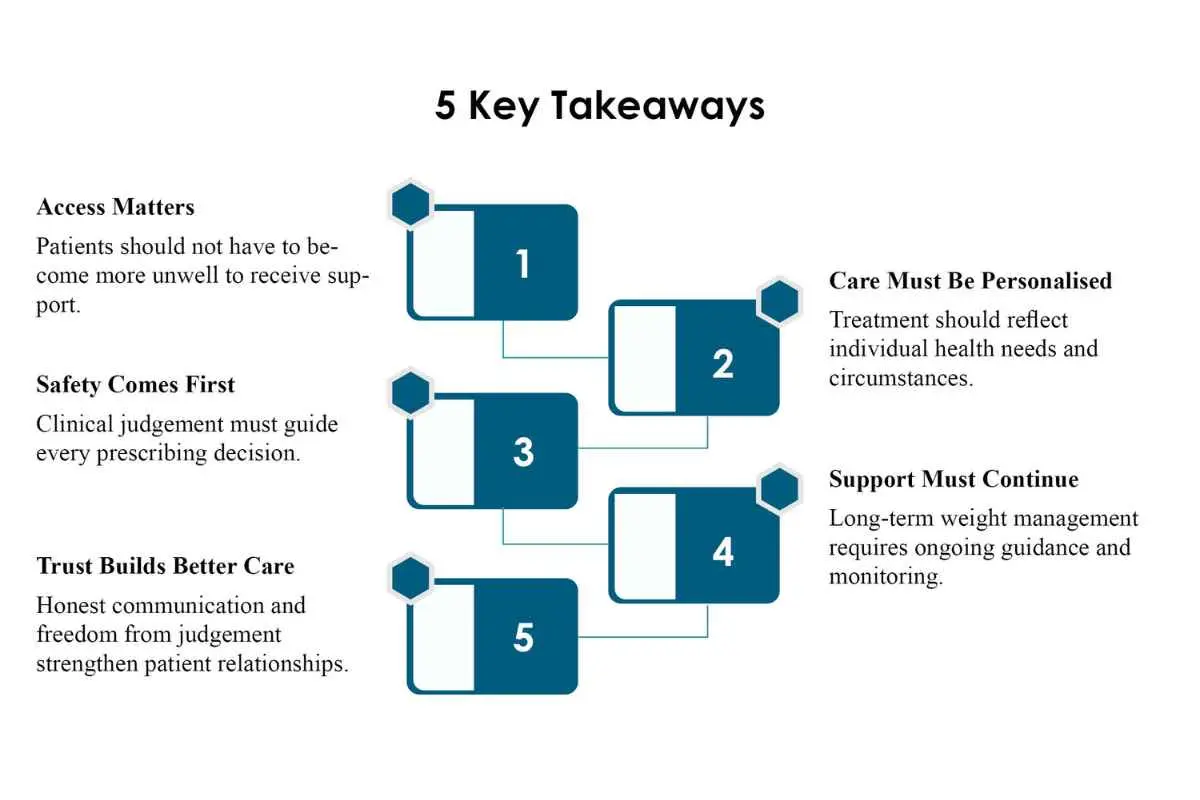
- Access Matters
- Patients should not have to become more unwell to receive support.
- Care Must Be Personalised
- Treatment should reflect individual health needs and circumstances.
- Safety Comes First
- Clinical judgement must guide every prescribing decision.
- Support Must Continue
- Long-term weight management requires ongoing guidance and monitoring.
- Trust Builds Better Care
- Honest communication and freedom from judgement strengthen patient relationships.