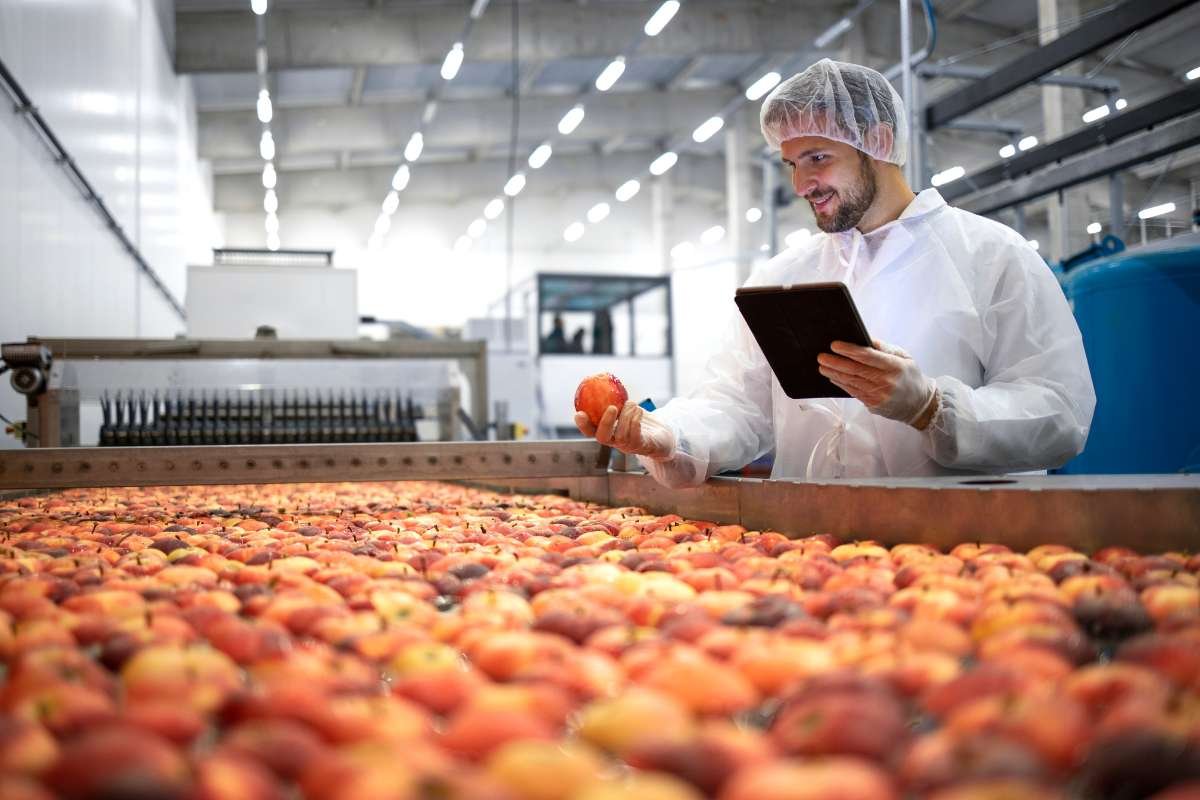
The food technology market is driven by an insatiable consumer demand. Customers always look for safer, more nutritious, and minimally processed products. This shift puts the spotlight on innovations in food processing, which affect what we eat. These new technologies aren’t just about longer shelf life, though they offer that. They are about shaping consumer confidence in the quality of their food choices.
New techniques like Pulsed Electric Field (PEF) processing are seen as green alternatives to traditional methods. They offer breakthroughs in microbial safety and in modifying food components. These innovations in food processing are making way for next-generation products that maintain freshness and nutritional value. It is transforming global supply chains with names like PEF leading the charge.
How Technology Is Helping in Next-Level Food Processing Breakthrough?
Technological advancements play a big part in the food industry. According to a 2019 report from ING, technology is helping the food industry produce food more efficiently for a growing population. Some reasons driving this change are:
- Robots are becoming more commonplace
- Greater use of machines and software
- Widespread application of data and artificial intelligence
These things help food manufacturers produce enough food for 8 billion people.
But among the many innovations in the food industry, one thing that stands out is the development of non-thermal processing. Not using heat to make food edible or shelf-stable reduces energy use and carbon emissions while satisfying consumer demands.
6 Groundbreaking Innovations in Food Processing That Will Completely Reshape the Industry
There are more food innovation ideas today than ever in human history. But these 6 innovations are some of the most important that will shape the future. All of the examples below are non-thermal innovations in food processing that remove the need for using loads of energy and even chemicals.
1. Pulsed Electric Field Processing
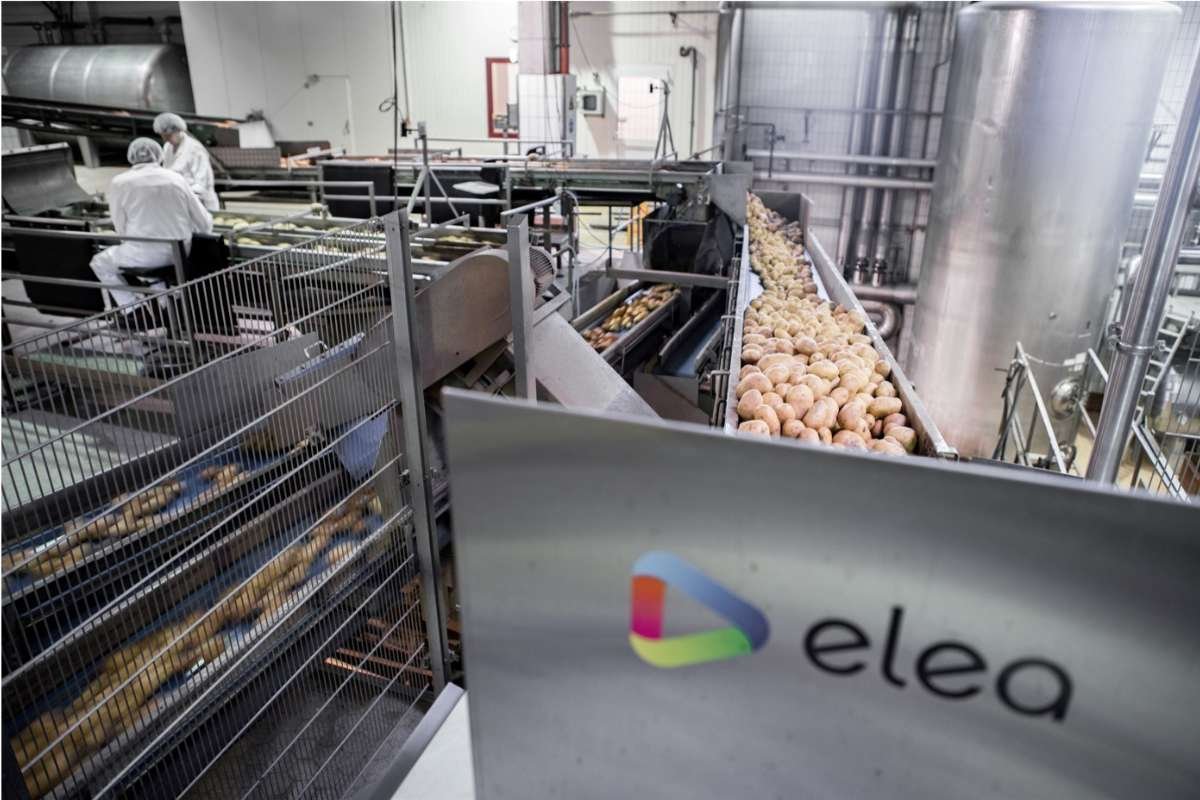
Pulsed Electric Field (PEF) processing is a key non-thermal food preservation method. It uses short electrical pulses to eliminate microbes while maintaining the original nutrition, color, texture, and flavor. Industrially, it is already used for products like natural fruit juice, milk, and French fries.
This innovation is shaping a better future by significantly reducing food waste through extended shelf life and broadened market reach. Moreover, PEF promotes environmental protection. A 2025 DLG Expert Report states that compared to conventional pre-heaters used in potato softening for French fries, PEF treatments use about 90% less water and energy.
2. Freeze-Drying
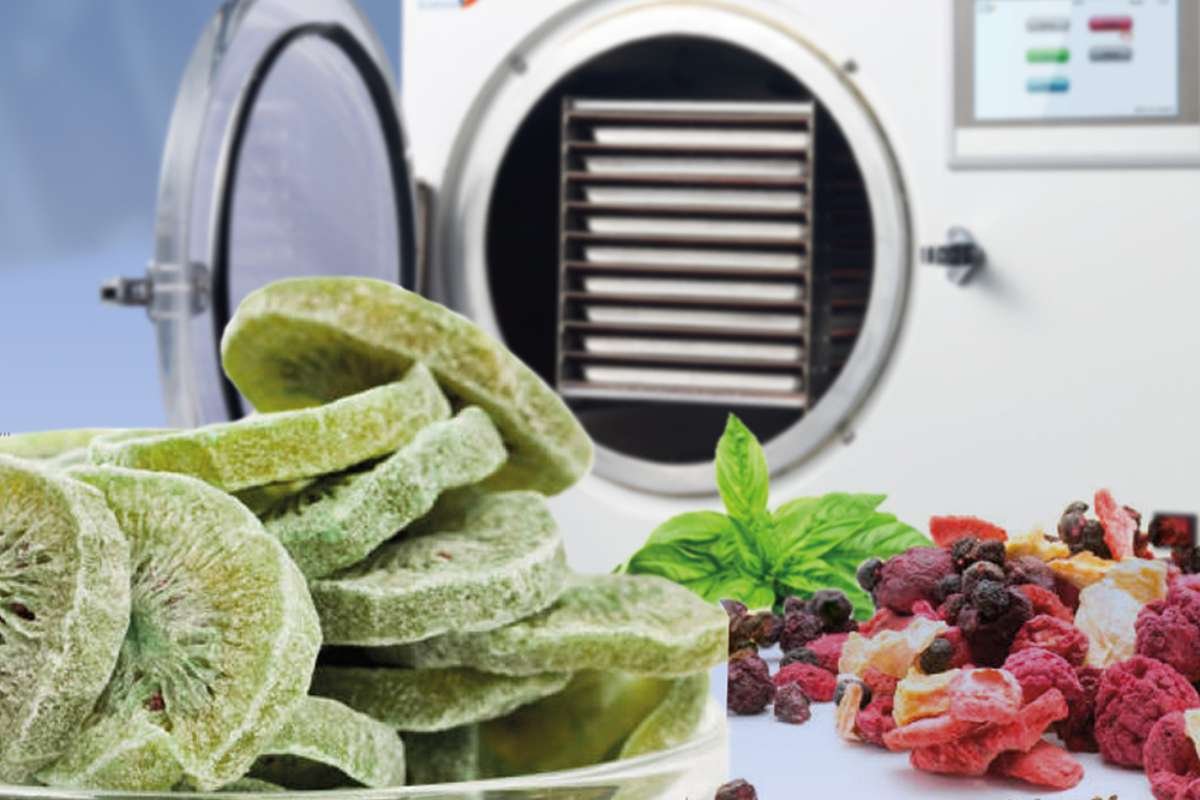
Water content (80–95%) in raw food is a major cause of spoilage from bacteria, yeast, and mold. While traditional dehydration removes this water to prevent microbial growth, a centuries-old preservation method, the required heat often negatively impacts the food’s color, flavor, and nutrients. This heat-based approach can also be inefficient in terms of energy and time.
Freeze-drying offers a superior alternative, using cold instead of heat for dehydration. Food is frozen, and then a vacuum-pressure process is used. This, combined with a slight temperature increase, converts the ice directly into water vapor. Companies are increasingly adopting this method for its greater sustainability and superior food quality. Plus, it gives an extended shelf life of up to 25+ years.
3. High-Pressure Processing
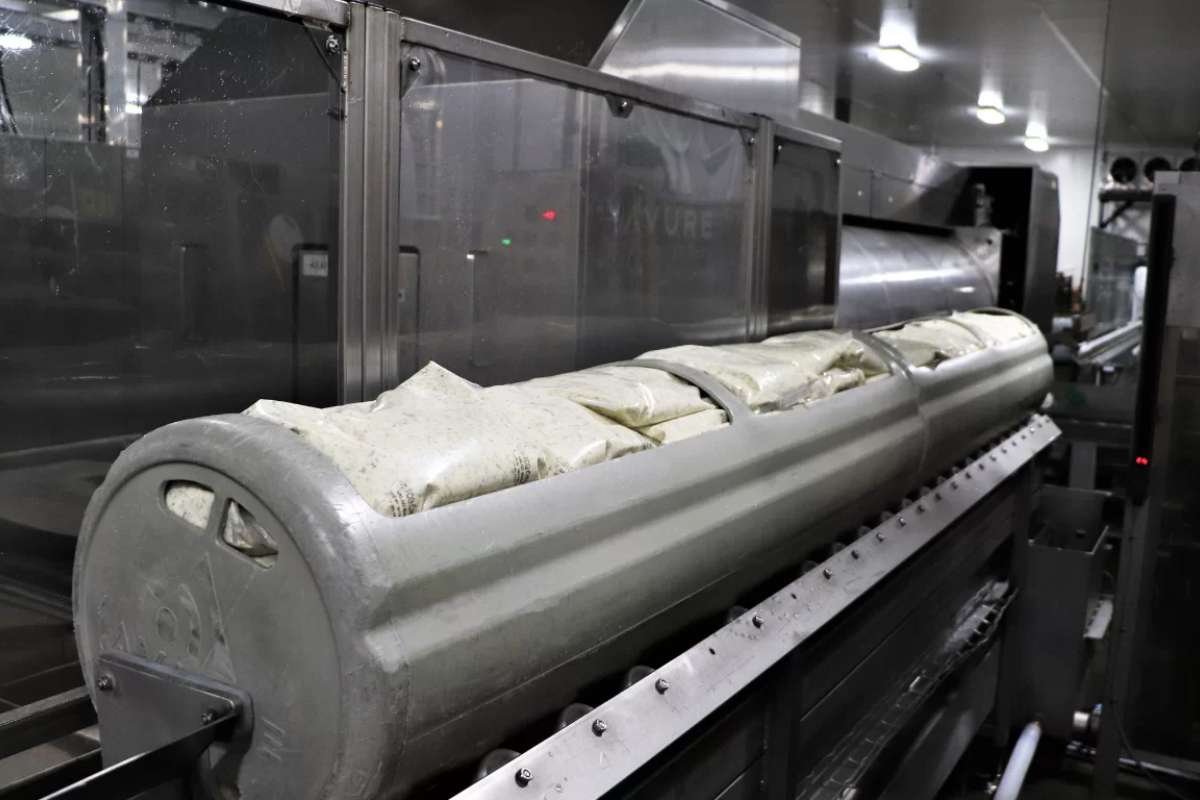
High-Pressure Processing (HPP) is a non-thermal alternative to traditional food preservation. It applies intense pressure, typically 6,000 bars, to safely destroy spoilage-causing microorganisms. Food is sealed, placed in water-filled vessels, and pressurized using intensifier pumps. This innovation in food processing preserves items like deli meats, dairy drinks, and ready-to-eat meals.
HPP’s advanced technology can be used to eliminate food parasites and inhibit unwanted chemical reactions. It can even safely modify the physical structure or reduce the allergen levels of food. These diverse benefits highlight how innovations in food processing, like HPP, are truly shaping the future of global food quality and safety.
4. Ultrasonic Processing
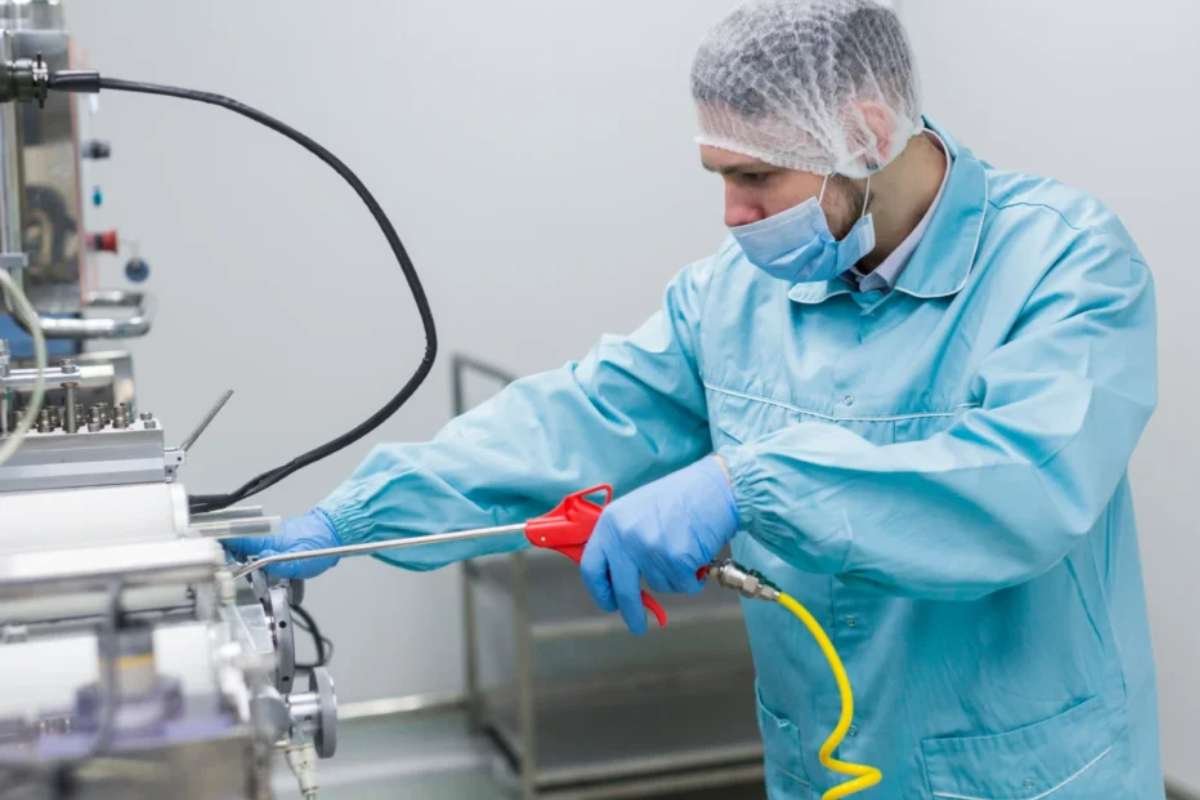
Ultrasound technology, traditionally used for medical imaging, is emerging as a versatile tool among the innovations in food processing. These inaudible, high-frequency sound waves are used at various intensity levels for diverse applications. They are used for drying, degassing, and defoaming. This wide utility is because of the process of acoustic cavitation.
Acoustic cavitation involves the rapid expansion and contraction of gas bubbles in treated liquids. This action creates localized heating and water movement toward the food’s surface, which helps with preservation. Being a cost-effective and eco-friendly technology, ultrasound is expected to play a major role in the future of food processing.
5. Cold Plasma Processing
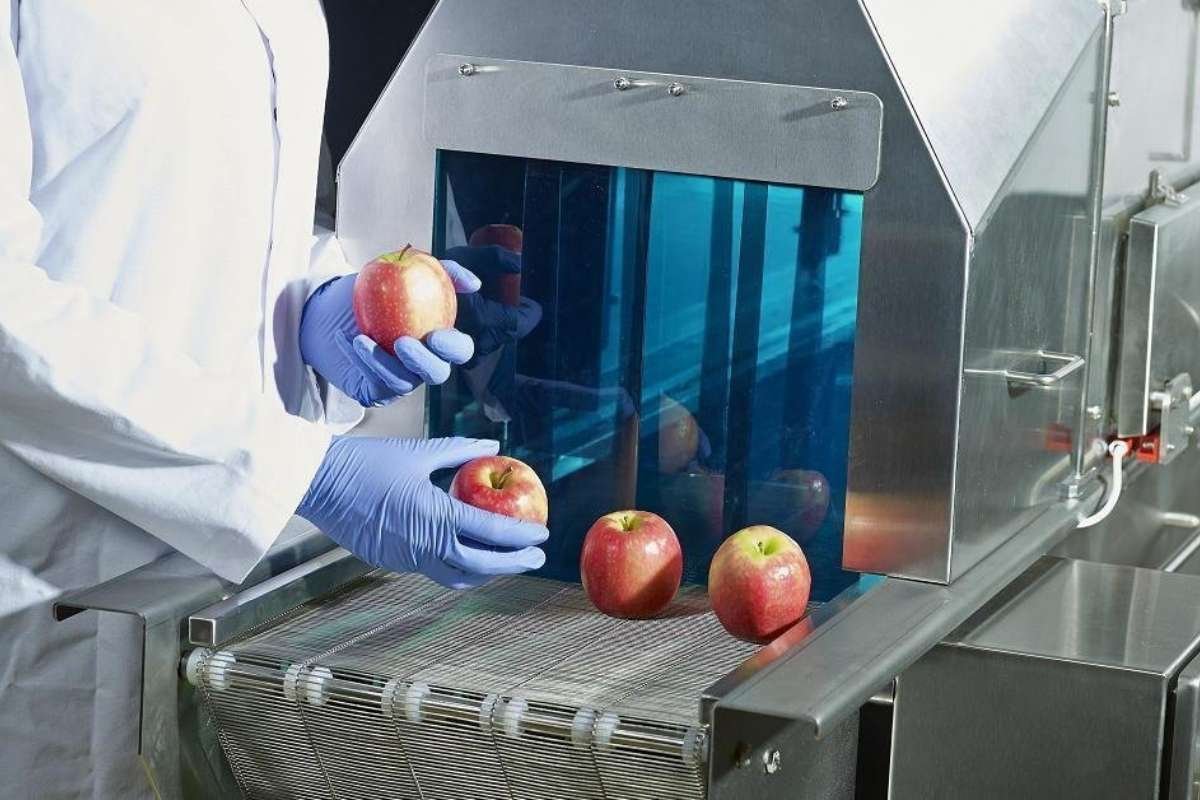
Known as the fourth state of matter, plasma is an ionized gas consisting of equal parts positively and negatively charged ions. Plasma is normally quite hot. However, there’s also something called cold or non-thermal plasma, which is less ionized. This type of plasma has attracted the attention of the food industry as a way to decontaminate or preserve food.
Cold plasma processing involves using electricity and a carrier gas to cause a chemical reaction that kills microorganisms but preserves food cells. It has also shown huge potential in fertilization and germination. It is known for improving food functionality and the removal of toxins. And all that without using loads of electricity, heat, or preservatives.
6. 3D Food Printing
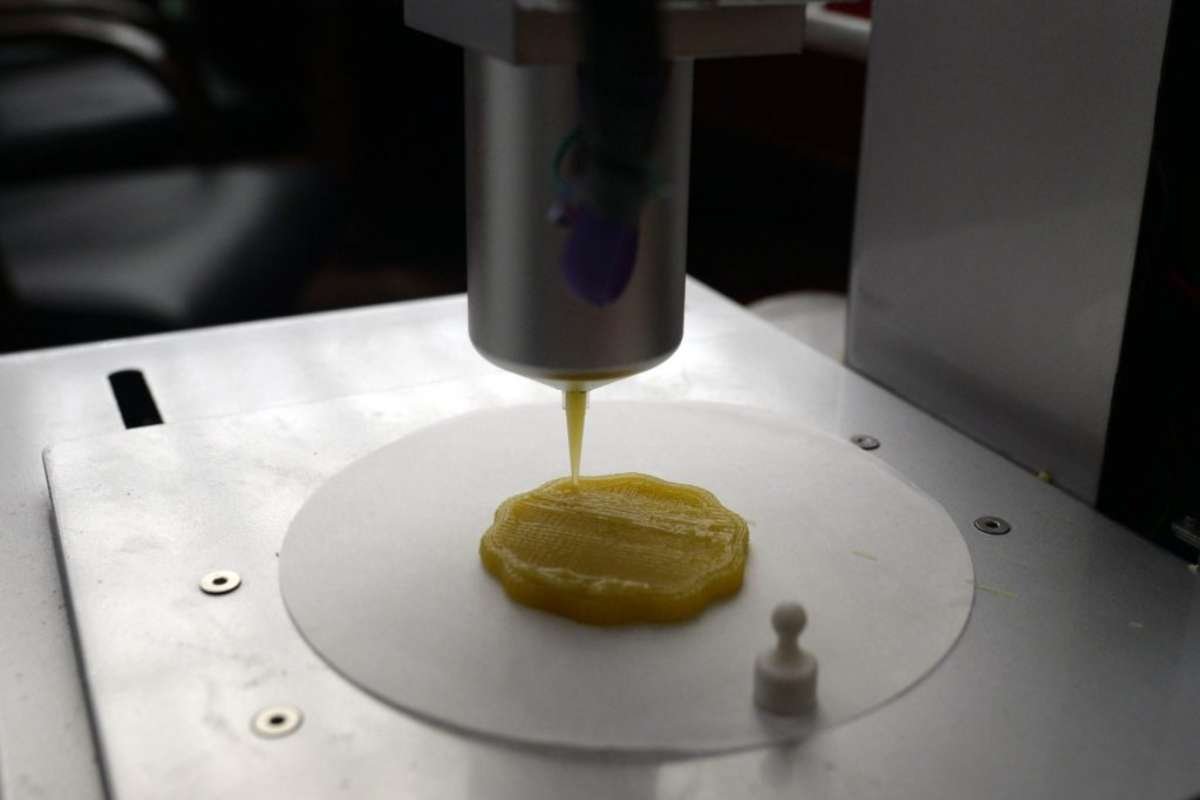
3D Food Printing (3DFP) is an emerging technology that offers unprecedented control over food production. It allows for customization of shape, texture, and nutritional content layer by layer. This process uses food-grade materials like gels, purees, or powders to create intricate food structures.
This innovative method has the potential to transform both consumer and professional kitchens. Beyond novelty, 3DFP provides solutions for specialized dietary needs, like crafting texture-modified meals for the elderly or nutritionally precise food for astronauts. This innovation in food processing is truly customizing the future of eating.
Also Read:
- Must-Have Modern Agricultural Technology that Makes Farming Smarter
- Top 5 Emerging Trends in Food Processing Equipment
- Revolutionizing Palates: The Dynamic World of Food Manufacturing Companies
Future Outlook of the Innovations in Food Processing
The food technology market is poised for strong growth and innovation through 2025-2035. It is driven by increasing consumer demand for sustainable, safe, and efficient food production.
According to GMInsights, the global food technology market was valued at around USD 210.9 billion in 2024. It is estimated to grow at a CAGR of about 8.2% through 2034.
A report by Future Insights suggests that the market size will reach over USD 342 billion by 2030. There are expectations of continuing robust expansion driven by technological adoption.
Its leading growth markets include China (5.1% CAGR), India (4.8%), Germany (4.4%), Brazil (4.0%), and the US (3.6%).
Finally, we can confidently say that the future of innovations in food processing doesn’t seem to come to an end anytime soon.
Conclusion
Modern cuisine is being redefined by these smart, sustainable technologies. By minimizing the reliance on heat and harsh chemicals, methods like PEF, HPP, and Cold Plasma are proving to be superior in terms of food safety and quality. They show that taste doesn’t have to come at the expense of nutritional value or the environment.
This surge of innovations in food processing is a commitment to a future where food is safer and more planet-friendly. It maintains the authentic taste and nutrients consumers demand. These techniques are set to become the standard, paving the way for a more resilient global food supply.
FAQs
1. Are PEF-treated foods currently available on the market?
Yes. PEF is already in commercial use. It is primarily for the pasteurization of premium liquid foods like fruit juices and smoothies, as well as for cell disintegration to enhance extraction processes.
2. Does PEF completely inactivate all microorganisms?
PEF is highly effective at inactivating vegetative spoilage and pathogenic bacteria, yeast, and molds. However, microbial spores, some viruses, and certain heat-resistant enzymes show limited or no inactivation by PEF alone. For complete sterilization, PEF is often combined with mild heating (thermosonication) or other hurdles.
3. Is ultrasound food processing regulated for safety?
Yes. Equipment used for ultrasonic food processing must meet stringent hygienic and safety standards, such as FDA-grade and food-grade certified materials. The process itself is generally considered an environmentally friendly, non-thermal alternative that does not introduce chemical risks.