When people stop, financial markets do not. Global futures markets continue to move while traders log off, responding to volatility spikes, overnight liquidity, geopolitical changes, and economic data. Algorithms used in futures trading take over in this situation.
These automated systems are built to run continuously, without emotion, weariness, or hesitation. They analyze market data, execute trades, manage risk, and modify positions in real time. Algorithmic trading is no longer a specialized benefit exclusive to hedge funds in 2026. It is now a fundamental tenet of contemporary futures markets.
The workings of futures trading algorithms, their underlying strategies, the technology enabling overnight execution, and the risks that most traders undervalue are all covered in this article.
What Are Futures Trading Algorithms?
These are computer-driven systems that automatically execute trades in futures markets based on predefined rules, statistical models, or adaptive machine-learning logic.
Unlike discretionary trading, algorithmic systems:
- Monitor markets continuously
- Respond instantly to price movements
- Follow structured decision frameworks
- Enforce disciplined risk controls
They are widely used across commodities, equity index futures, interest rate futures, energy markets, and increasingly regulated crypto futures venues.
In 2026, most institutional futures volume is influenced. Either directly or indirectly, by algorithmic execution.
How Futures Trading Algorithms Operate While You Sleep:
Behind every overnight algorithmic trade is a structured execution pipeline:
1. Real-Time Market Data
Algorithms ingest live price feeds, volume metrics, order-book depth, volatility measures, and macro indicators from global exchanges.
2. Decision Engines
Based on predefined rules or adaptive models, the system evaluates whether market conditions meet entry, exit, or adjustment criteria.
3. Trade Execution Logic
Orders are routed using execution algorithms designed to reduce slippage, manage liquidity, and avoid unnecessary market impact.
4. Risk Management Controls
Position sizing, margin limits, stop-loss thresholds, and drawdown constraints are enforced automatically, often more strictly than human traders would tolerate.
5. Monitoring & Safeguards
Modern systems include alert mechanisms, anomaly detection, and emergency “kill switches” to prevent runaway losses.
Automation does not mean abandonment. Successful systems are supervised, audited, and regularly refined.
Core Strategies Used in Futures Trading Algorithms:
Different algorithms specialize in different market behaviors. Common strategy categories include:
➤ Trend-Following Strategies
These algorithms identify sustained directional movements and ride trends across timeframes. They work well in macro-driven or momentum-heavy markets but struggle during sideways conditions.
➤ Mean Reversion Models
Built on the assumption that prices revert to historical averages, these systems capitalize on short-term overextensions. It is often during low-volatility periods.
➤ Arbitrage and Spread Trading
Algorithms exploit price inefficiencies between related futures contracts, exchanges, or correlated assets, often operating at high speed and low margin per trade.
➤ Breakout Detection Systems
Designed to identify volatility expansions after consolidation phases, these strategies attempt to capture sharp directional moves.
➤ Volatility-Based Algorithms
Instead of predicting direction, these systems adjust exposure based on volatility regimes. It reduces risk during unstable periods and scaling during calmer markets.
Each strategy performs differently depending on liquidity, market structure, and macro conditions; no single model works universally.
The Technology Stack Behind Futures Trading Algorithms:
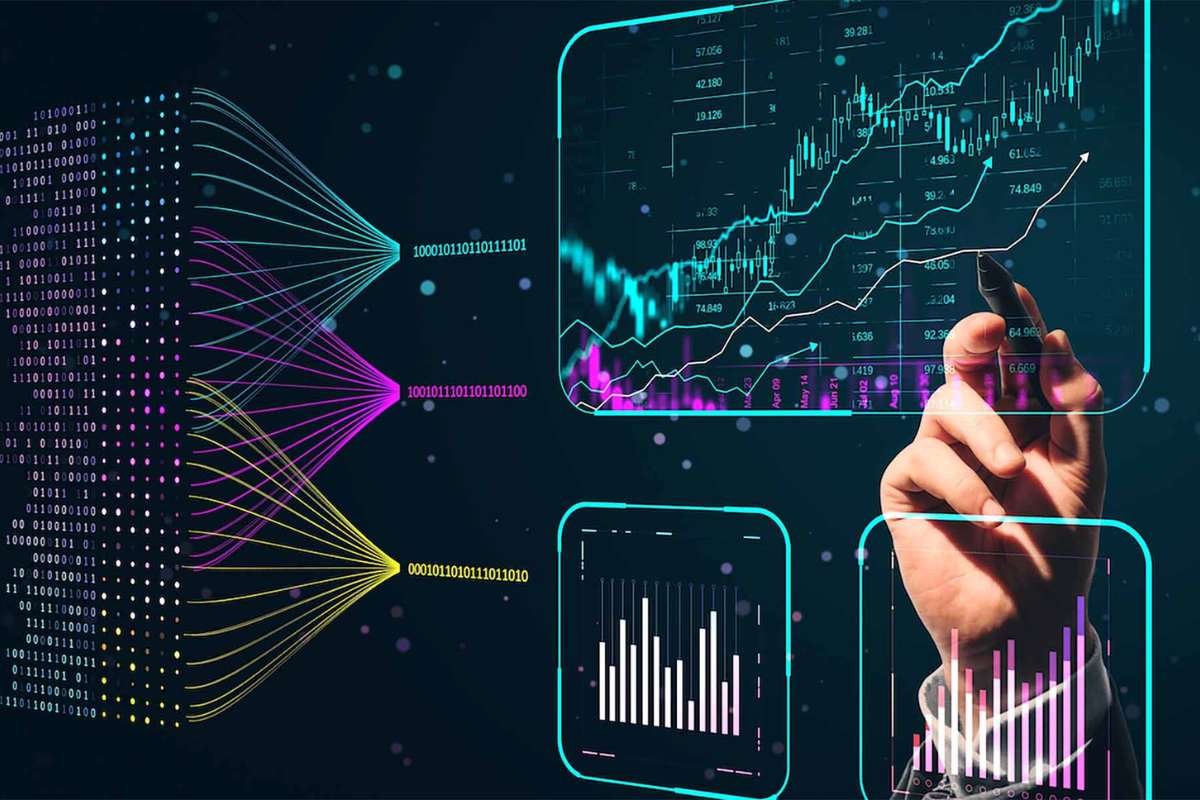
By 2026, professional-grade algorithmic trading relies on a sophisticated technology ecosystem:
- Programming frameworks: Python for research, C++ for execution speed
- Data infrastructure: Real-time feeds, historical tick databases
- Backtesting engines: Simulation across multiple market regimes
- Execution infrastructure: Low-latency servers, cloud hybrids
- Compliance layers: Audit logs and regulatory reporting
Latency optimization matters, but so does data integrity and system resilience.
Why Institutions Rely on Algorithms Over Manual Trading?
Institutional adoption of futures trading algorithms is driven by five core advantages:
- Speed: Algorithms react faster than human cognition
- Consistency: No deviation from predefined rules
- Emotional neutrality: No fear, greed, or hesitation
- Scalability: Multiple markets traded simultaneously
- Auditability: Every decision is logged and reviewable
In volatile futures markets, discipline often matters more than prediction.
The Risks Most Traders Underestimate
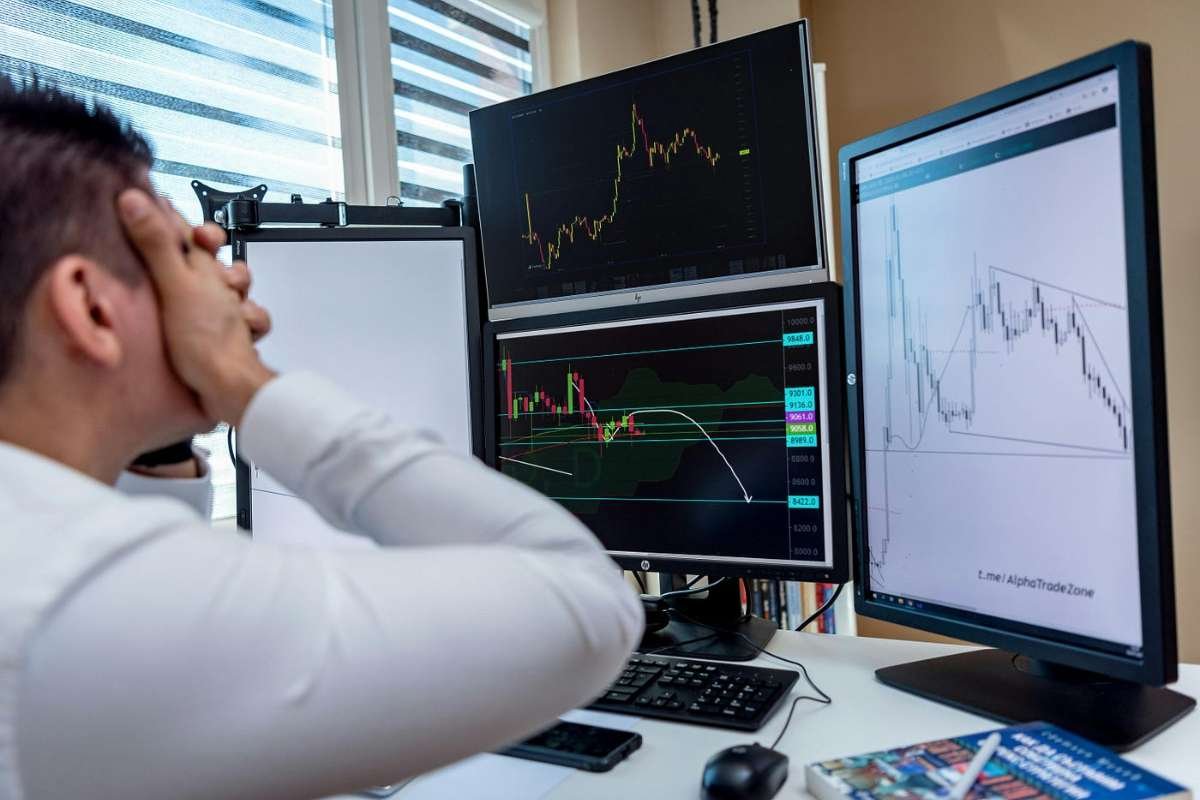
Despite their advantages, futures trading algorithms are not risk-free.
Key challenges include:
- Overfitting strategies to historical data
- Sudden market regime shifts
- Data feed errors or latency issues
- Unexpected macro or geopolitical events
- False assumptions about “set-and-forget” automation
Many algorithmic failures occur not due to poor logic but due to inadequate risk controls and oversight.
Can Retail Traders Use Futures Trading Algorithms Safely?
Retail access to algorithmic trading has expanded, but limitations remain.
Retail traders should:
- Focus on understanding strategy logic, not automation alone
- Test extensively in simulated environments
- Use conservative leverage and position sizing
- Treat algorithms as decision aids, not guarantees
The edge lies in discipline and risk awareness, not blind automation.
The Future of Futures Trading Algorithms
Looking ahead, futures trading algorithms are growing toward:
- Adaptive machine-learning risk models
- AI-assisted strategy validation
- Stronger regulatory transparency
- Human–algorithm collaboration rather than replacement
Automation will continue to dominate execution, but human judgment remains essential at the strategic level.
Conclusion:
Futures trading algorithms have reshaped how markets operate. It also helps in executing trades continuously, enforcing discipline, and responding to data faster than any human ever could.
But automation is not immunity from risk. The traders and institutions that succeed are those who combine algorithmic efficiency with robust oversight, realistic expectations, and disciplined risk management.
In 2026, the real advantage isn’t simply trading while you sleep. It is understanding what your algorithms are doing while you’re offline.
FAQ:
1. What are futures trading algorithms?
These are automated systems that execute buy and sell orders in futures markets based on predefined rules, statistical models, or adaptive machine-learning logic. These algorithms analyze real-time market data, manage risk, and place trades without emotional interference, making them widely used by institutional and professional traders.
2. Are futures trading algorithms legal and regulated?
Yes. These are legal in most jurisdictions when used on regulated exchanges and in compliance with applicable rules. In 2026, regulators such as futures market authorities require algorithmic traders to follow strict risk controls, record-keeping, and market integrity guidelines.
3. How are futures trading algorithms tested before live trading?
Algorithms are tested using historical data through backtesting and then validated in simulated or paper-trading environments. This process helps identify weaknesses, measure drawdowns, and assess how the strategy performs across different market regimes before risking real capital.