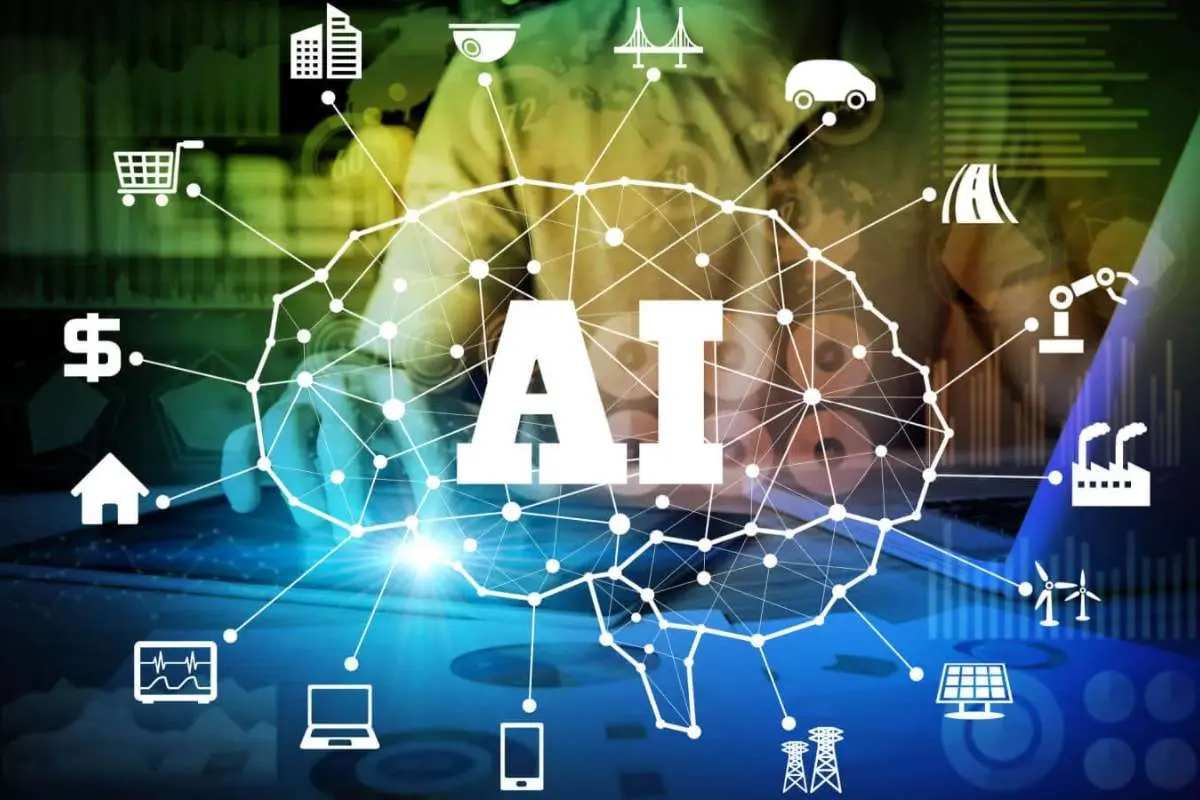
Digital payments have already transformed how people shop, send money, and manage their finances. Contactless cards, mobile wallets, instant bank transfers… modern payments are all about convenience, and people now expect to send and receive money instantly on any device, no matter where they are in the world. Artificial intelligence is now set to accelerate this shift further, making payments faster, safer and more personalised than ever before.
AI – the invisible engine
The next stage of payment innovation will not simply be about replacing cash or cards. As Noyan Nihat and other industry leaders have noted, AI is likely to become the invisible engine behind many financial interactions. It will help businesses to understand customers, prevent fraud, automate decisions, and create smoother payment experiences across online and physical environments.
Smarter fraud detection

One of the most important ways AI will change digital payments is through improved fraud prevention. Traditional fraud systems rely on fixed rules, like blocking transactions above a certain amount or flagging purchases from unfamiliar locations. While useful, these systems can be rigid and may produce false alarms.
AI can analyse huge volumes of transaction data in real time. It can learn patterns of normal behaviour for individual users and spot unusual activity more accurately. For example, if a customer usually makes small purchases in the UK but suddenly attempts several high-value transactions in another country, an AI system can flag and assess the risk instantly.
This protects banks and payment providers and reduces inconvenience for customers. Instead of wrongly declining legitimate purchases, AI can make more nuanced decisions, helping to keep payments secure without disrupting everyday spending.
Faster and more seamless transactions
AI will also make digital payments quicker and less noticeable. Consumers increasingly expect payments to happen in the background, with minimal effort. Ride-hailing apps, subscription services, and one-click checkouts have already shown how frictionless payments can improve customer experience.
In the future, AI could help decide the best payment method automatically. It may choose between a debit card, credit card, digital wallet, or bank transfer based on fees, rewards, exchange rates, or available balance. This could be especially useful for international purchases, where costs and processing times vary.
For businesses, AI can help route payments through the most efficient channels. This may reduce failed transactions, lower processing fees, and improve cash flow. As payment systems become more complex, AI will play a key role in managing them intelligently.
Personalised financial experiences

Digital payments generate valuable data about spending habits. When used responsibly, AI can turn this data into helpful insights for consumers. Banking apps may become more proactive, offering tailored budgeting advice, savings suggestions and warnings about unusual spending.
For example, an AI-powered app might notice that a user’s utility bills have increased and suggest cheaper providers. It could identify subscriptions that are no longer used or recommend setting aside money before a large annual payment is due. These features could make financial management more accessible, especially for people who find budgeting difficult.
Retailers may also use AI to personalise payment options. A customer might be offered instalment plans, loyalty rewards, or discounts based on previous purchases. However, this must be handled carefully to avoid encouraging unaffordable spending.
Better access to financial services
AI could help make digital payments more inclusive. In many parts of the world, people lack access to traditional banking services because they do not have a strong credit history or formal financial records. AI can analyse alternative data, such as mobile payments, income patterns or transaction behaviour, to assess risk more fairly.
This could allow more people to access digital wallets, microloans, insurance, and other financial products. Small businesses may also benefit, as AI can help payment providers assess their reliability without requiring extensive paperwork.
However, inclusion depends on responsible design. If AI systems are trained on biased data, they may repeat or even amplify existing inequalities. Regulators and financial companies will need to ensure that automated decisions are transparent, fair, and accountable.
Stronger security through biometrics

AI is also improving biometric authentication, such as facial recognition, voice recognition, and fingerprint scanning. These technologies can make digital payments more secure by reducing reliance on passwords and PINs, which can be forgotten, stolen, or shared.
Future payment systems may use several signals at once to confirm identity. A phone might analyse how a person holds the device, types, speaks, or moves. This approach, known as behavioural biometrics, can provide continuous security without requiring the user to take extra steps.
Privacy will be a major concern. Biometric data is highly sensitive, and payment providers must protect it carefully. Consumers will need clear information about how their data is stored, used, and secured.
The role of regulation and trust
The future of AI in digital payments will depend heavily on trust. Consumers need confidence that AI systems are accurate, secure, and fair. Businesses must be able to explain automated decisions, especially when payments are declined or accounts are restricted.
Regulation will play an important role. In the UK and elsewhere, authorities are already examining how AI should be used in financial services. Clear rules around data protection, fraud liability, algorithmic fairness and consumer rights will be essential.
A more intelligent payment future
AI will not simply change how payments are made; it will change how payments are understood, protected and optimised. Transactions will become faster, fraud detection will become sharper, and financial services will become more personalised.
The biggest challenge will be balancing innovation with responsibility. If companies use AI ethically and transparently, digital payments could become safer, more inclusive, and more convenient. The future of payments is likely to be intelligent, automated, and increasingly invisible.