Key Points:
- Airbus recalls 6,000 A320s
- Airlines’ ground fleets, rush fixes
- Software flaw exposes aviation risk
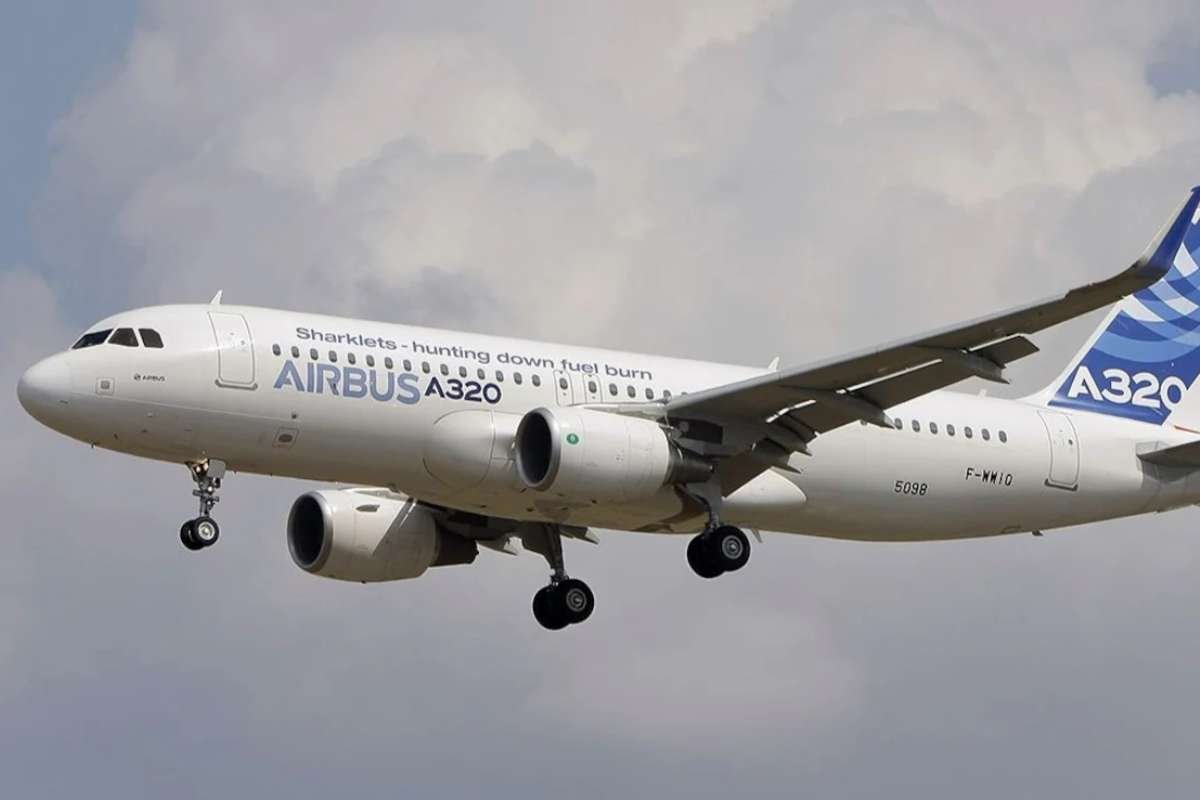
Aircraft manufacturer Airbus has issued an urgent recall affecting approximately 6,000 jets from its A320 family, accounting for over half of the global Airbus A320 fleet. The directive, one of the largest in Airbus’s 55-year history, was issued after a software flaw tied to solar-radiation interference was traced to a recent midair incident.
The warning follows a dramatic event on October 30, 2025, when a jet from JetBlue Airways en route from Cancun to Newark experienced a sudden and uncommanded loss of altitude, forcing an emergency landing in Tampa, Florida. At least some passengers sustained injuries in the event. Investigators concluded that intense solar radiation had disrupted critical flight-control data processed by the jet’s ELAC (Elevator and Aileron Computer) system, particularly the version of software in use, thus triggering the malfunction.
Disruptions Spread Worldwide as Airlines Scramble for Fixes
Airlines around the globe, spanning North America, Europe, Asia, and beyond, scrambled to ground affected jets and install fixes. In many cases, the repair consists of reverting to a previously stable software version. For newer jets, this update takes only a few hours; for older jets (about 900–1,000 of them), a more involved hardware replacement is required.
Despite the scale, the swift action helped prevent a total aviation collapse over the busy holiday travel period. Airlines, including American Airlines, United Airlines, Delta Air Lines, IndiGo, and easyJet, reported they had completed or nearly completed the upgrades, limiting the duration of flight disruptions. Some airlines did cancel or delay flights temporarily, especially those using multiple affected jets, but many managed to resume operations within a day after the retrofit.
Still, for older jets needing hardware change, downtime could stretch from days to weeks, depending on hangar availability and maintenance backlog at service centers.
A Wake-up Call for Aviation’s Reliance on Software
The recall has cast a spotlight on an often-overlooked vulnerability: in modern “fly-by-wire” aircraft, where flight controls depend on software, external factors such as solar radiation can have real and dangerous effects. Experts say the episode highlights the growing importance of designing avionics systems that are resilient not just to mechanical failures, but to environmental and cosmic conditions beyond human control.
In response, Airbus A320 emphasized that the recall is “precautionary,” prioritizing passenger safety above operational convenience. While the majority of affected jets are expected to return to service soon, the company and industry regulators have committed to reviewing long-term safeguards — including software-testing standards and hardware shielding-to prevent similar risks in the future.
As Airbus A320 airlines complete repairs and resume flights, the wider aviation community is taking note: this incident may prompt a broader rethinking of how software and external environmental factors intersect in modern air travel.