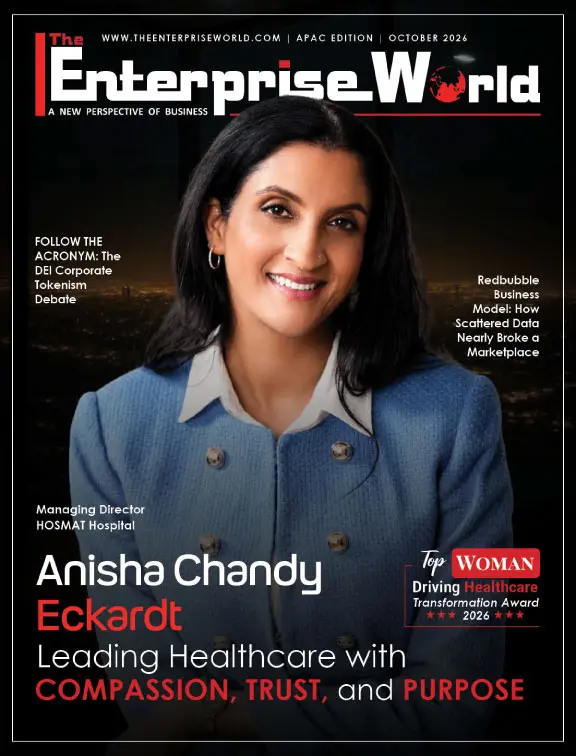
Healthcare leadership relies on more than clinical knowledge. It depends on trust, clear thinking, steady judgement, and the ability to guide people through moments that matter most. In a field where every decision can affect someone’s life, the strongest leaders bring together vision and compassion, along with the discipline to keep operations running smoothly.
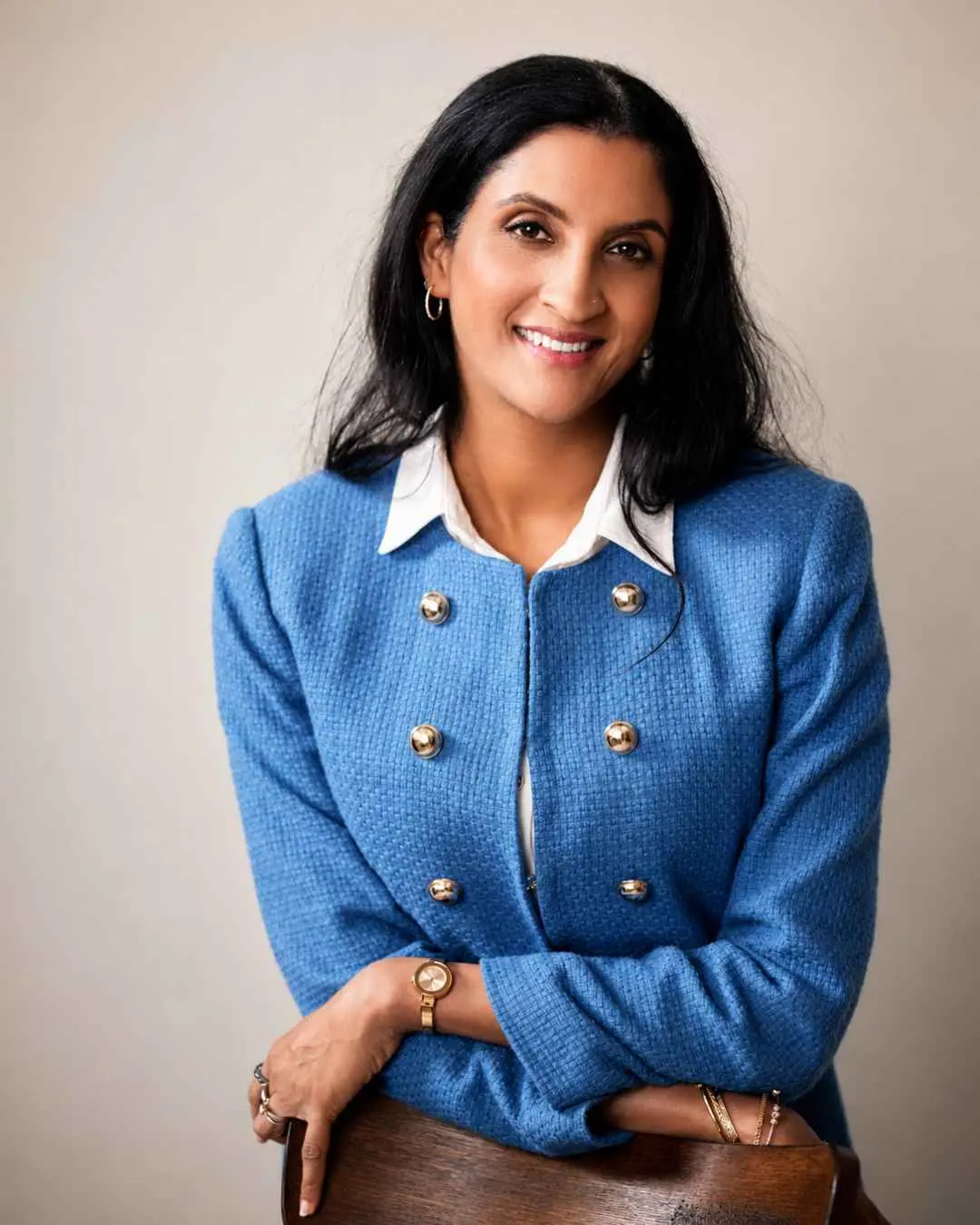
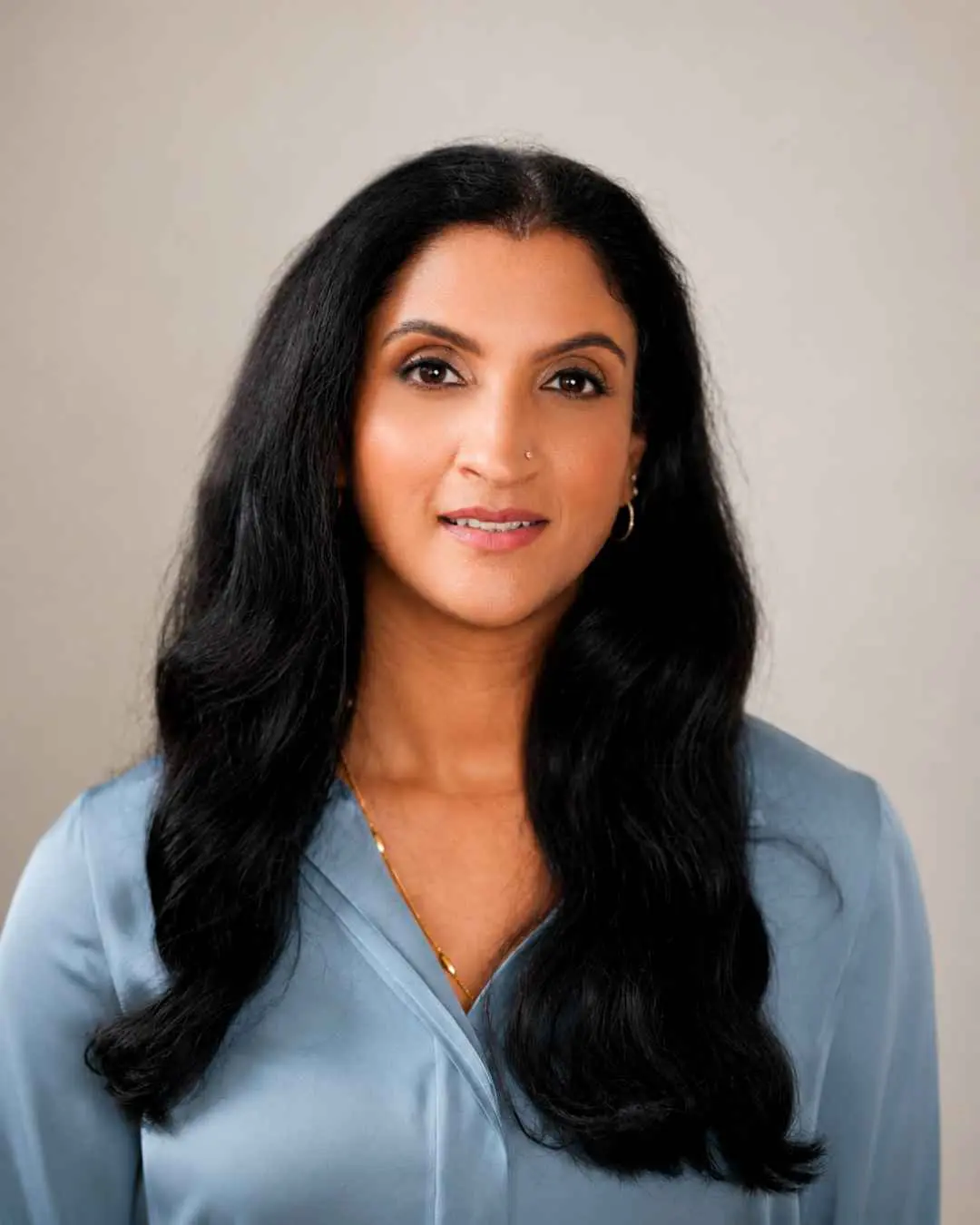
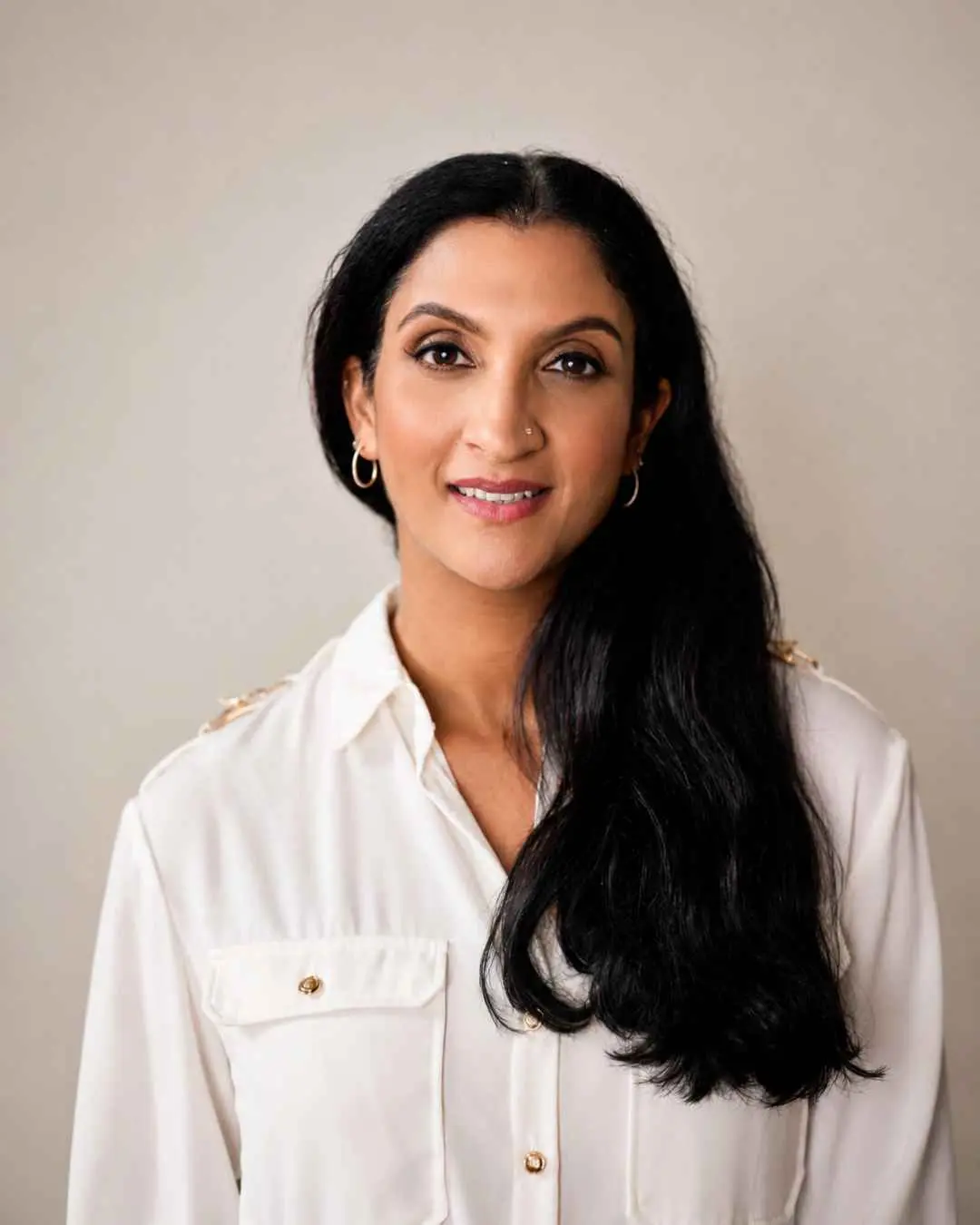
Anisha Chandy Eckardt, Managing Director of HOSMAT Hospital, is one such leader. Her background in care coordination, health administration, and patient-focused management gives her a practical, results-driven approach to leadership, one that stays rooted in HOSMAT Hospital’s long-standing commitment to putting patients first.
A Journey Rooted in People and Progress
Anisha Chandy Eckardt has always believed that healthcare is, at its core, about people. While hospitals are often known for their technology, infrastructure, or clinical expertise, she holds that their actual strength lies in the trust they build with patients and their families.
Both education and experience have shaped her path into healthcare leadership. She holds a dual master’s degree, an MS in Health Administration and Health Education from Saint Joseph’s University, Philadelphia, and an MBA from Christ University, along with a Lean Six Sigma Yellow Belt certification in Healthcare. Her exposure to the U.S. healthcare system gave her a strong appreciation for quality improvement, operational excellence, and patient-centred care, perspectives that continue to shape how she leads HOSMAT Hospital today.
Leading HOSMAT Hospital has given her the opportunity to build more than an institution. It has allowed her to nurture a culture where clinical excellence and compassion are given equal importance. She views leadership not as a position of authority but as a responsibility to create an environment where clinicians, caregivers, and every member of the team can do their best work for every patient who walks through the hospital’s doors.
Some of her most defining lessons have come during periods of change, from driving organisational transformation to embracing innovation without losing sight of empathy, while balancing growth with the trust that patients place in the institution. These experiences continue to shape a belief that guides every decision she makes: “The true measure of healthcare leadership is not how successfully you manage today’s challenges, but how responsibly you prepare your organisation for tomorrow while never losing sight of the people you serve.”
A Legacy That Continues to Grow
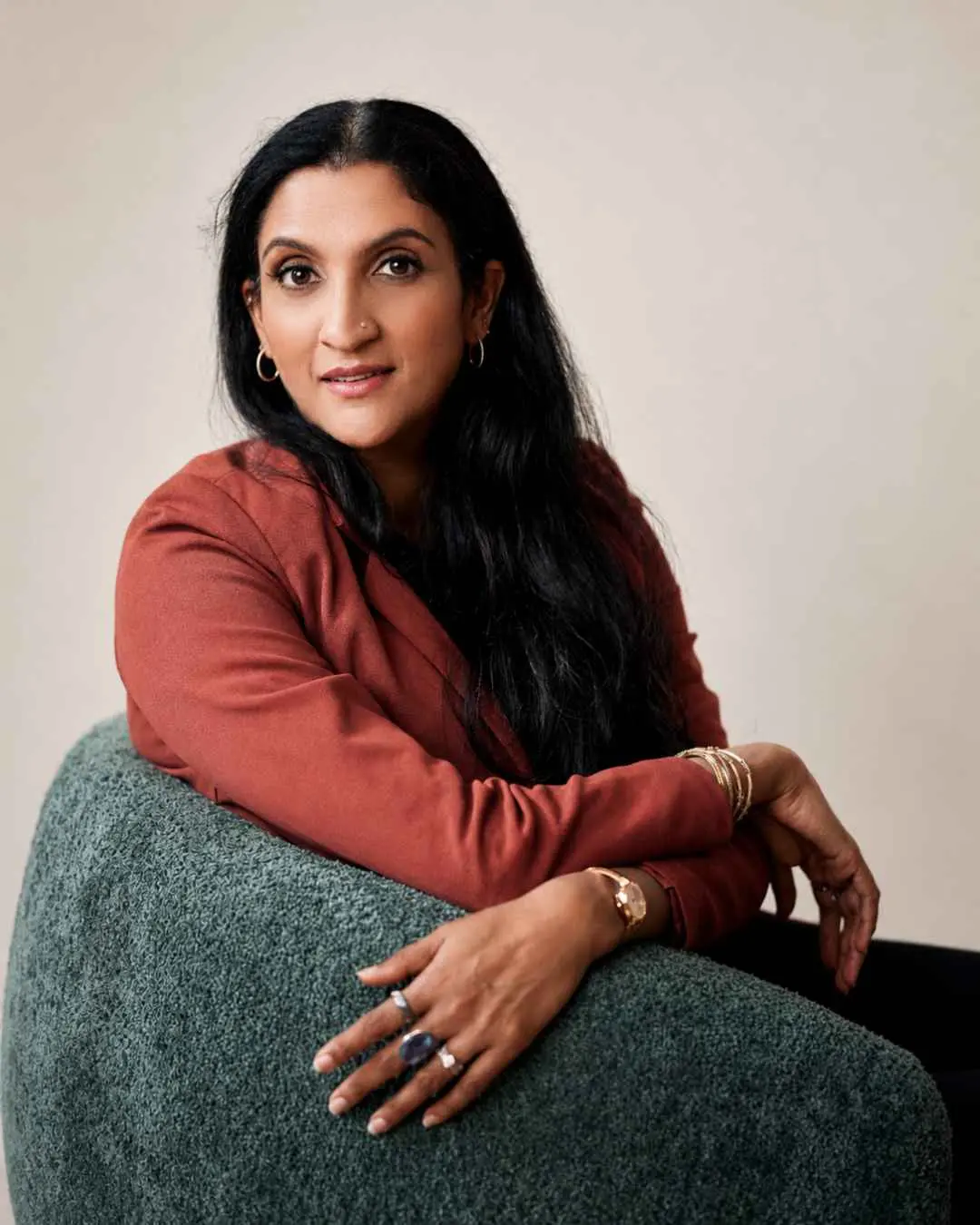
The story of HOSMAT Hospital holds deep personal meaning for Anisha Chandy Eckardt. Her late father, Dr. Thomas Chandy, a world-renowned orthopaedic surgeon, founded the centre with a vision of building an institution where clinical brilliance, ethics, and compassionate care would always go hand in hand.
For decades, HOSMAT Hospital has stood as a name synonymous with excellence in orthopaedics and trauma care. As the institution celebrates this legacy, it is also writing the next chapter of its journey. HOSMAT Hospital has now started growing into a full-fledged multispecialty healthcare institute, strengthening specialities such as neurosciences, oncology, women’s health, internal medicine, critical care, and rehabilitation, while also expanding into a birthing centre, preventive healthcare, and home healthcare services.
Healthcare today goes beyond treating illness. It is about helping people stay healthy, detecting disease early, supporting recovery outside the hospital, and serving as a trusted healthcare partner through every stage of life. This philosophy continues to drive HOSMAT Hospital’s transformation.
One of the most important lessons Anisha Chandy Eckardt has learned is that institutions do not grow simply by adding infrastructure or new technology. They grow best when they remain committed to their core values while adapting to the changing needs of patients. For her, this is not just about preserving the legacy her father built but about helping it grow, bringing together clinical brilliance, innovation, accessibility, and a more holistic approach to healthcare for generations to come.
Care That Goes Beyond the Operating Table
Clinical excellence is something patients expect from any healthcare provider. What sets HOSMAT Hospital apart is how that excellence is delivered and how patients experience it.
HOSMAT Hospital’s strength lies in bringing together highly specialised clinicians from orthopaedics, trauma, neurosciences, rehabilitation, and several other fields to provide coordinated, multidisciplinary care. Whether the case involves complex polytrauma, joint replacement, or stroke rehabilitation, surgery is never treated as the beginning and end of treatment. Instead, it is part of a well-coordinated journey in which surgeons, doctors, anaesthetists, physiotherapists, nurses, and rehabilitation specialists work closely together toward one shared goal: the complete recovery of the patient.
HOSMAT Hospital has also built a culture where patients are active participants in their own care. The institution encourages honesty and transparency, explaining treatments in simple terms and involving families in decision-making so that patients understand not just what is being recommended but why. Informed patients feel more confident, and that confidence plays a real role in recovery.
Continuity of care is another area where HOSMAT Hospital has invested heavily. Recovery does not end at discharge. The institution supports patients well beyond their hospital stay through structured rehabilitation, physiotherapy, follow-up care, and its growing home healthcare services. At the same time, its expanding focus on preventive healthcare reflects a belief that good healthcare is not only about treating disease but also about helping people live healthier lives for longer.
Success at HOSMAT Hospital is not measured by surgical outcomes or clinical indicators alone. It is measured by whether patients regain their mobility, independence, and confidence to return to the lives they love. For HOSMAT Hospital, healing is incomplete until patients can get back to living, not just recover from illness.
Trust, Earned Every Day
Trust cannot be claimed; it must be earned consistently, and one of the ways to do that is to listen to your patients.
At HOSMAT Hospital, clinical governance, ethical practice, patient safety, and regulatory compliance form the foundation of every decision made across the institution. Transparent communication, informed consent, and multidisciplinary clinical reviews ensure that patients remain active participants in their own care.
Patient feedback, outcome measurements, and continuous quality improvement initiatives help HOSMAT Hospital identify opportunities to improve every aspect of the patient experience.
As Anisha Chandy Eckardt puts it, “Quality is not a department. It is a culture.”
Recognition Rooted in Trust
HOSMAT Hospital has been a recognised name in orthopaedics and trauma care for over three decades and stands today as one of the most trusted institutions in the country.
Many of HOSMAT Hospital’s most challenging trauma cases involve sophisticated multidisciplinary care, patients with severe polytrauma, complex fractures, or limb-threatening injuries who require coordinated treatment across numerous specialties. HOSMAT Hospital is proud to serve as a referral facility for such complex cases in the country, a responsibility the institution values deeply and sees as a reflection of the confidence placed in its professional experts.
The orthopaedic department remains a source of immense pride for HOSMAT Hospital. It continues to be recognised as one of the best orthopaedic facilities in the country, and HOSMAT Hospital was recently listed among India’s Top Orthopaedic Hospitals in a national healthcare rating. The institution also takes pride in adopting robotic-assisted joint replacement, achieving NABH accreditation, maintaining low infection rates, and investing in advanced trauma and rehabilitation services, all of which reflect its dedication to delivering world-class care.
Yet HOSMAT Hospital is not defined by awards and rankings alone. As Anisha Chandy Eckardt shares, what she values most is “the faith that generations of patients have placed in HOSMAT Hospital.” Families who first sought help for trauma care often return for elective joint replacement, rehabilitation, or preventive consultations and go on to refer their children and grandchildren as well. For her, that ongoing trust remains “the greatest accolade any healthcare facility can receive.”
Milestone Worth Celebrating
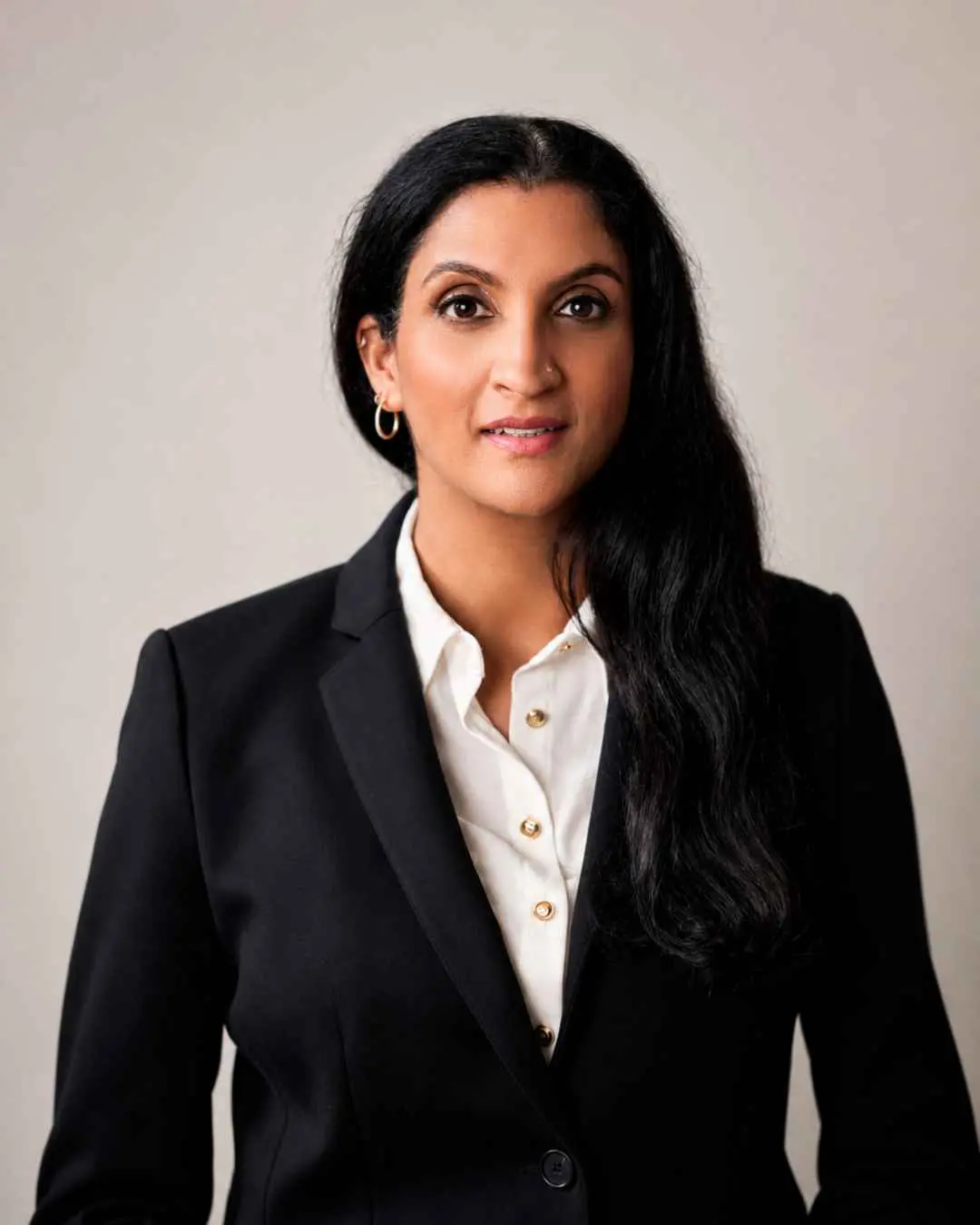
One milestone that reflects HOSMAT Hospital’s collective commitment was achieving 100 robotic joint replacement surgeries within just 100 days of introducing robotic-assisted orthopaedics.
This achievement represented far more than the adoption of advanced technology. It reflected the confidence patients placed in the institution, the close collaboration across surgical, nursing, and rehabilitation teams, and a shared commitment to delivering greater precision and faster recovery.
Yet the most meaningful feedback continues to come from patients themselves, particularly those who share that they have regained their independence and returned to the activities they love.
Leadership That Listens First
Healthcare has taught Anisha Chandy Eckardt that leadership is not about having all the answers. It is about asking the right questions and creating an environment where people feel safe to speak up.
At HOSMAT Hospital, some of the best decisions have come not from the boardroom but from conversations with doctors, nurses, technicians, and frontline staff who experience the hospital’s systems every day. She has learned that when people feel heard, they invest their energy in finding solutions rather than simply pointing out problems.
She has also come to realise that culture is not created through policies or mission statements but is built in everyday moments. It shows in how the team responds when things do not go as planned, whether time is taken to explain a difficult decision, and whether a young consultant feels confident enough to question a senior colleague if it benefits the patient. These are the moments that define an organisation’s values far more than the words framed on its walls.
As healthcare becomes increasingly technology and data-driven, she sees her role as ensuring the human side of medicine is never lost. AI can support decision-making, and robotics can enhance precision, but empathy, judgement, and trust will always remain uniquely human responsibilities.
At the end of the day, her role goes beyond running a hospital. It is about building a place where teams take pride in their work, where clinicians are empowered to do their best, and where every patient feels treated with competence, dignity, and compassion. That is the kind of culture she wants HOSMAT Hospital to be known for.
Rethinking What Healthcare Can Achieve
Healthcare is going through one of its most transformative decades. Artificial intelligence, robotics, predictive analytics, genomics, and digital health are set to enhance diagnostics, surgical precision, clinical decision-making, and operational efficiency. However, Anisha Chandy Eckardt believes technology alone is not the future of healthcare but simply an enabler.
The real shift, she believes, is in moving healthcare from reactive to predictive, preventive, and personalised. For decades, hospitals have been built around curing disease. The next generation of healthcare organisations, in her view, must also help people stay healthy, recognise risks earlier, and intervene before diseases progress.
In her view, the most successful hospital of the future may not be the one with the highest bed occupancy but the one that helps the most people avoid hospitalisation altogether. Preventing complications in a diabetic patient, helping someone recover safely at home, or catching an illness early enough to avoid major surgery reflects a far greater measure of success than treating advanced disease.
While HOSMAT Hospital continues to invest in robotic surgery, digital transformation, and innovative clinical technology, it remains equally committed to strengthening preventive healthcare, rehabilitation, and home healthcare services. The institution’s mission is to build a continuum of care that supports patients before they become gravely ill, guides them through treatment, and continues to stand by them during recovery and beyond.
Technology will continue to reshape the limits of what is possible in medicine. As Anisha Chandy Eckardt puts it, the real responsibility is to make sure it also helps “rethink what’s feasible for patients, to live longer, healthier lives with fewer reasons to be in a hospital.”
A Responsibility Beyond the Hospital
For Anisha Chandy Eckardt, healthcare leadership extends well beyond hospital walls. She strongly believes in knowledge sharing, mentoring emerging leaders, and supporting conversations that advance patient-centred healthcare.
Community outreach programmes, preventive health initiatives, professional collaborations, and public education remain integral to HOSMAT Hospital’s mission. As healthcare continues to evolve, she believes leaders have a responsibility not only to strengthen their own institutions but also to support the broader ecosystem that serves society.
As she puts it, “If we can inspire greater trust, collaboration, and innovation across healthcare, we all succeed.”
A Journey of Growth
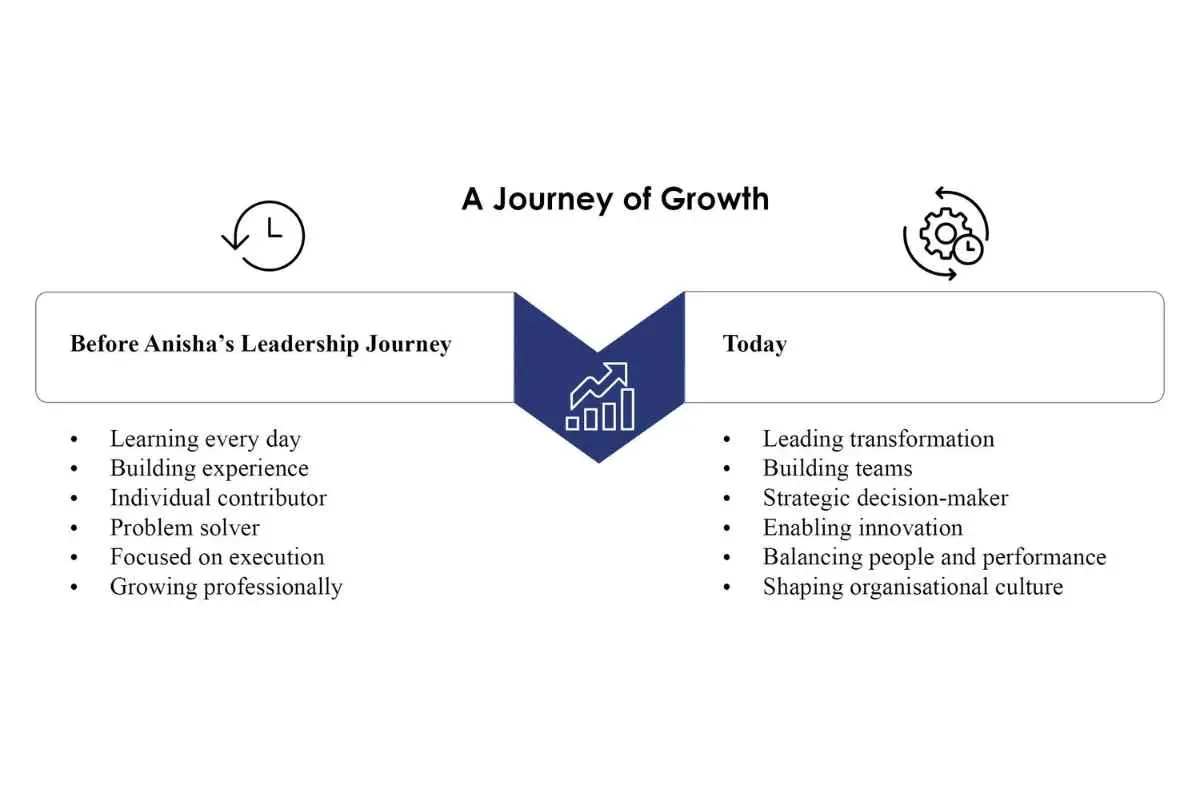
Before Anisha’s Leadership Journey
- Learning every day
- Building experience
- Individual contributor
- Problem solver
- Focused on execution
- Growing professionally
Today
- Leading transformation
- Building teams
- Strategic decision-maker
- Enabling innovation
- Balancing people and performance
- Shaping organisational culture
A Day in Anisha Chandy Eckardt’s Leader’s Life
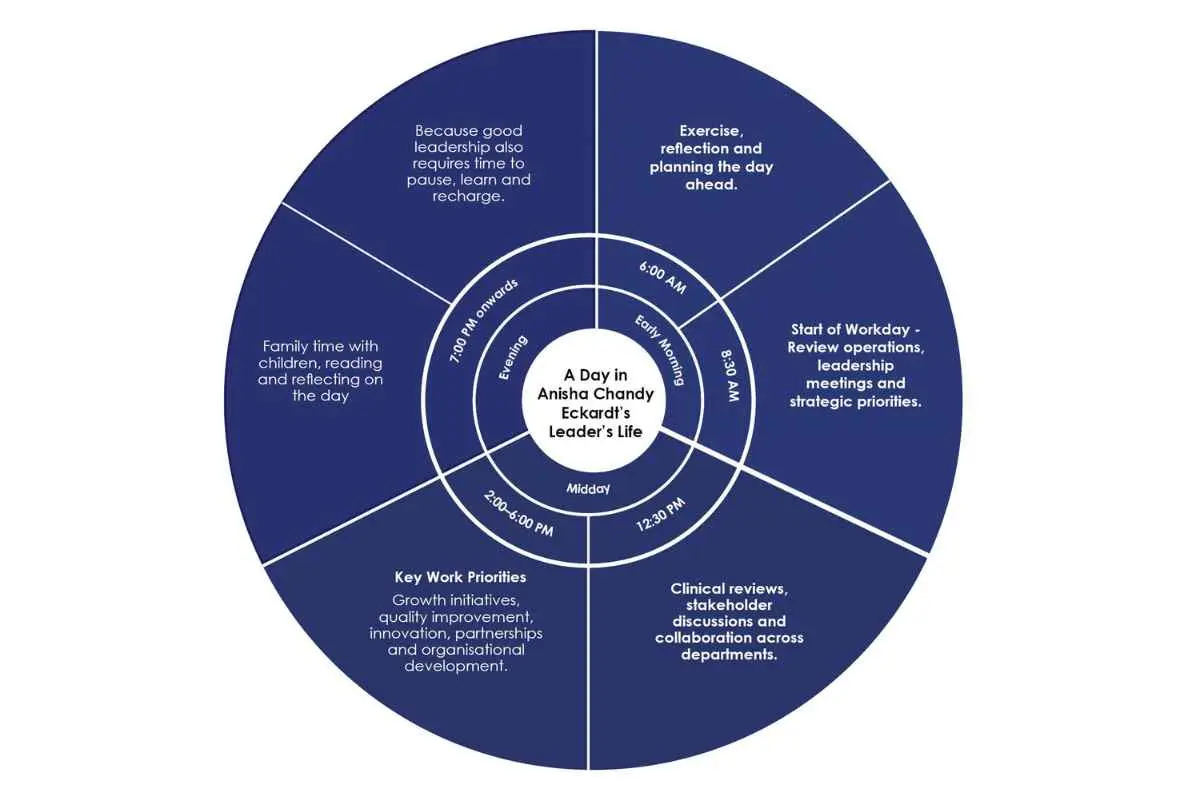
Early Morning | 6:00 AM
Exercise, reflection and planning the day ahead.
Start of Workday | 8:30 AM
Review operations, leadership meetings and strategic priorities.
Midday | 12:30 PM
Clinical reviews, stakeholder discussions and collaboration across departments.
Key Work Priorities | 2:00–6:00 PM
Growth initiatives, quality improvement, innovation, partnerships and organisational development.
Evening | 7:00 PM onwards
Family time with children, reading and reflecting on the day, because good leadership also requires time to pause, learn and recharge.
Open Letter for Future Healthcare Leaders
Dear Readers and Future Leaders,
Healthcare leadership is not defined by authority alone. It is shaped by the responsibility to serve people with competence, empathy, and integrity. Every decision we make can influence a patient, a family, or an entire community. That is why I believe leadership in healthcare must always be people-centred.
My journey at HOSMAT Hospital has taught me that progress and compassion must move together. As we strengthen our legacy in orthopaedics and trauma care while expanding into multispecialty services, preventive healthcare, rehabilitation, and home healthcare, I remain guided by the values on which this institution was built. Clinical excellence matters, but so do trust, ethical practice, clear communication, and the dignity we extend to every patient.
I have also learned that leaders do not need to have all the answers. They must be willing to listen, ask the right questions, learn from their teams, and create an environment where people feel confident to contribute. Technology, artificial intelligence, and robotics will continue to transform healthcare, but empathy and human judgement will remain equally important.
To those preparing to lead tomorrow, I encourage you to stay curious, stay grounded, and remember the people behind every challenge. True success is not only about building larger institutions but also about creating better experiences and healthier communities.
With purpose and responsibility,
Anisha Chandy Eckardt, Managing Director
HOSMAT Hospitals
5 Key Takeaways from Anisha Chandy Eckardt’s Inspiring Leadership Journey
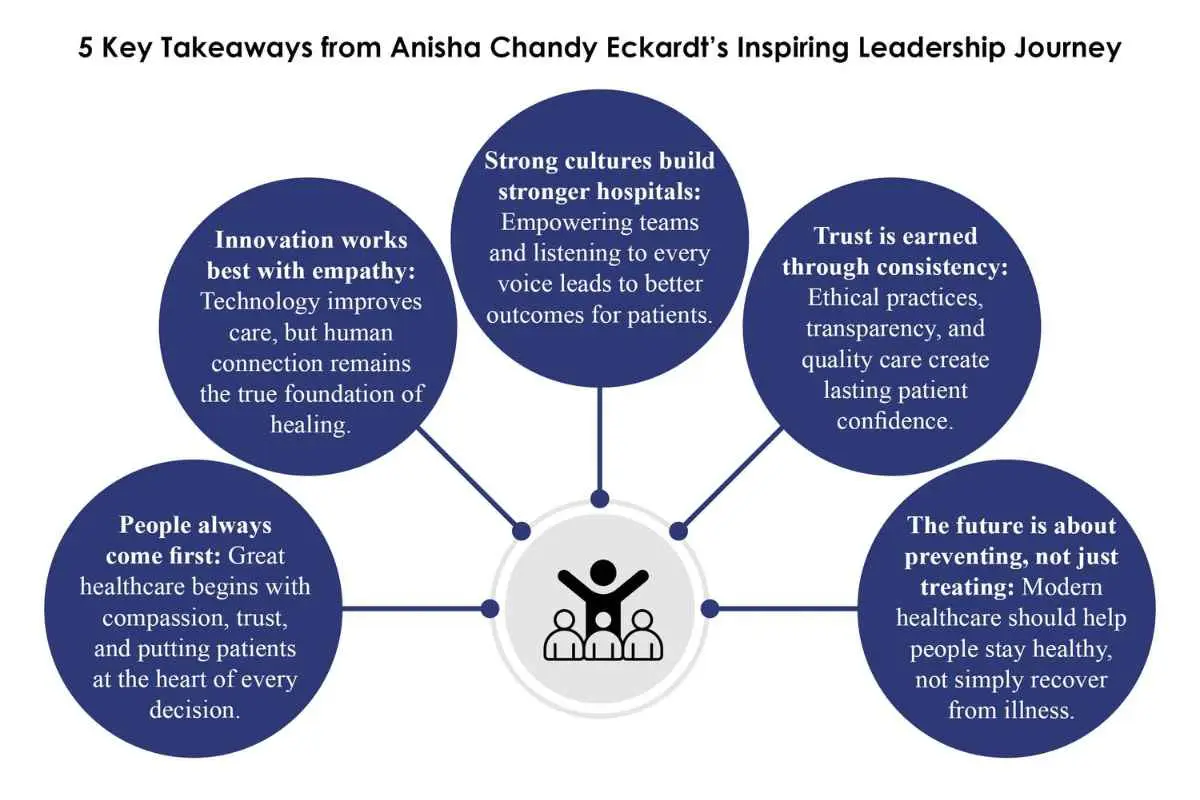
- People always come first: Great healthcare begins with compassion, trust, and putting patients at the heart of every decision.
- Innovation works best with empathy: Technology improves care, but human connection remains the true foundation of healing.
- Strong cultures build stronger hospitals: Empowering teams and listening to every voice leads to better outcomes for patients.
- Trust is earned through consistency: Ethical practices, transparency, and quality care create lasting patient confidence.
- The future is about preventing, not just treating: Modern healthcare should help people stay healthy, not simply recover from illness.