Airlines face a tough balancing act every day. They need to be safe, on time, and profitable. That is a tall order. Fuel costs jump around. Weather messes up schedules. Passengers expect more every year.
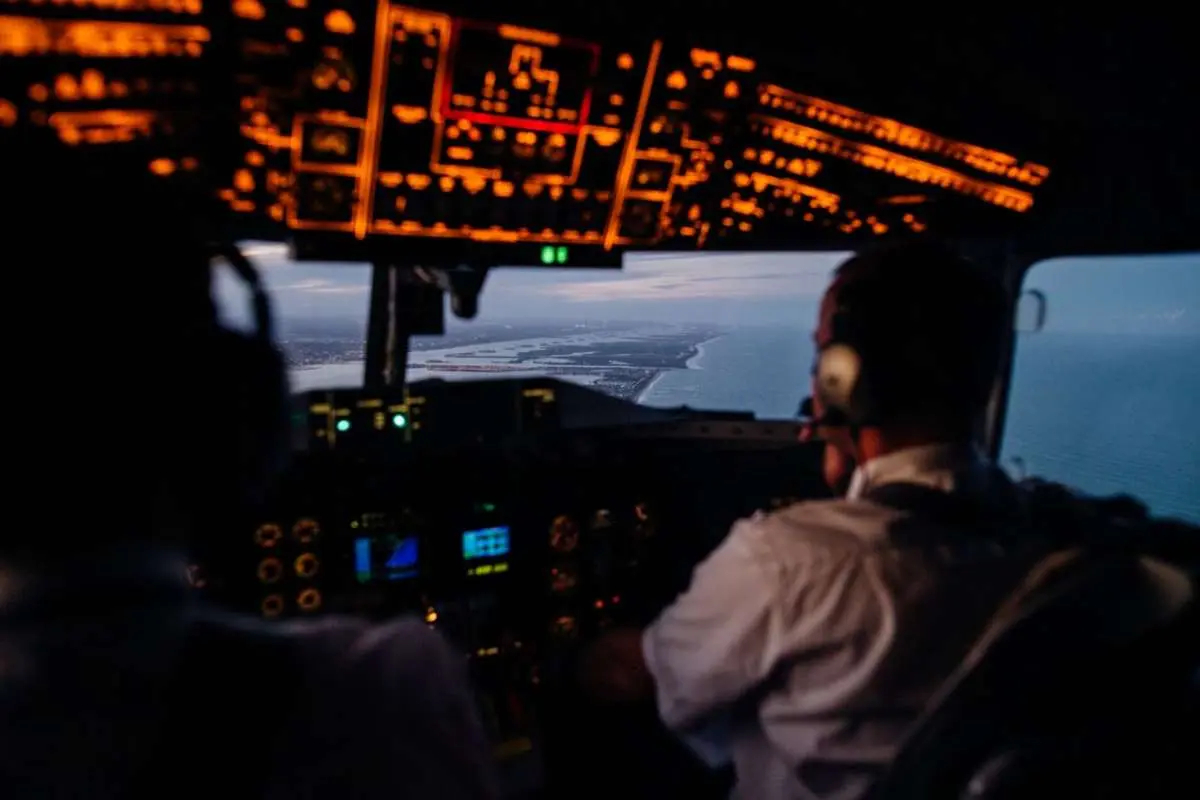
Technology is the only way to solve these puzzles. Avionics sit at the center of this solution. Those are the electronic systems inside the cockpit. They guide the plane, talk to the ground, and watch for trouble. New Avionics Innovation in this space is making airlines smarter. Let us look at how.
The brains behind the operation
Every modern jet flies with a powerful computer network. One company pushing these boundaries is Acron Avionics. They build flight recorders, cockpit displays, and surveillance gear. Their products end up on commercial jets, military planes, and helicopters.
The goal is simple. Give crews better information. Help them make faster decisions. Reduce the chance of human error. These systems talk to each other constantly. They share data across the whole aircraft. That teamwork creates a smarter flying machine.
Saving fuel, one click at a time

Fuel is an airline’s biggest expense. Burning less of it makes a huge difference. New avionics help pilots find the most efficient routes. The system looks at wind patterns at different altitudes. It checks for traffic congestion ahead. It even considers the plane’s current weight.
Then it suggests the best speed and altitude. Pilots just follow the recommendation. The savings add up fast. A single long-haul flight might burn thousands of dollars less. Multiply that across a whole fleet. The numbers become enormous.
Predicting problems before they happen
Nobody likes delays. Passengers get frustrated. Airlines lose money. Old maintenance methods were reactive. Something broke, then crews fixed it. New Avionics innovation flips that script. Sensors monitor engine health continuously. They track vibration patterns and temperature trends. The system learns what normal looks like.
When something drifts off course, it sends an alert. Mechanics get a heads-up days before a failure. They order the part and schedule the repair. The plane never misses a beat. That is proactive maintenance in action.
Better communication, fewer mistakes

Pilots and air traffic controllers talk a lot. Old radio conversations could get confusing. Static noise and accents caused misunderstandings. A wrong readback could lead to a close call. New data links solve this problem. Controllers type instructions into a terminal.
The message appears on a screen in the cockpit. Pilots read it and click accept. No voice. No confusion. No errors. This system also reduces radio chatter. Controllers can handle more traffic. The whole operation runs smoother.
Keeping passengers in the loop
Delays happen. Weather moves in. Mechanical issues pop up. Passengers hate sitting at the gate with no information. New avionics help airlines communicate better. The plane’s systems send status updates to the ground automatically.
Dispatchers see exactly what is happening. They can tell gate agents the real story. Passengers get honest updates. Not just vague announcements about “a brief delay.” This transparency builds trust. It turns a frustrating situation into a manageable one.
Smoother landings, happier travelers

A rough landing ruins a flight. Everyone grips their armrests. Kids start crying. Bags fall out of overhead bins. NewAvionics innovation helps pilots grease every landing. Advanced systems provide precise guidance all the way down.
They account for wind gusts and runway conditions. They show the pilot exactly how much power to use. The result is a gentle touchdown almost every time. Passengers notice the difference. They walk off the plane smiling instead of stressed.
Connecting the whole operation
A smart airline does not just think about one flight. It looks at the whole network. New avionics feed data into central operations centers. Managers see where every plane is in real time. They know which flights are running late. They can swap aircraft or crews to fix problems.
This big-picture view is powerful. A small delay in Chicago does not have to ruin connections in Denver. The system finds workarounds automatically. The airline stays resilient.
The bottom line
Investing in avionics innovation pays off. Airlines spend money upfront on new gear. They get returns through lower fuel bills and fewer delays. Maintenance costs drop when problems get caught early. Customer satisfaction rises when flights run on time. The math works out in favor of smarter systems.
That is why every major airline is upgrading its fleet. The old ways cannot keep up anymore. The future belongs to carriers that embrace the technology, and that future is actually arriving faster than anyone expected.