Key Takeaways
- Blue Origin raised $10 billion at a $140 billion valuation.
- Jeff Bezos has invested about $30 billion in the company since 2000.
- Blue Origin targets more than $30 billion in revenue by 2030.
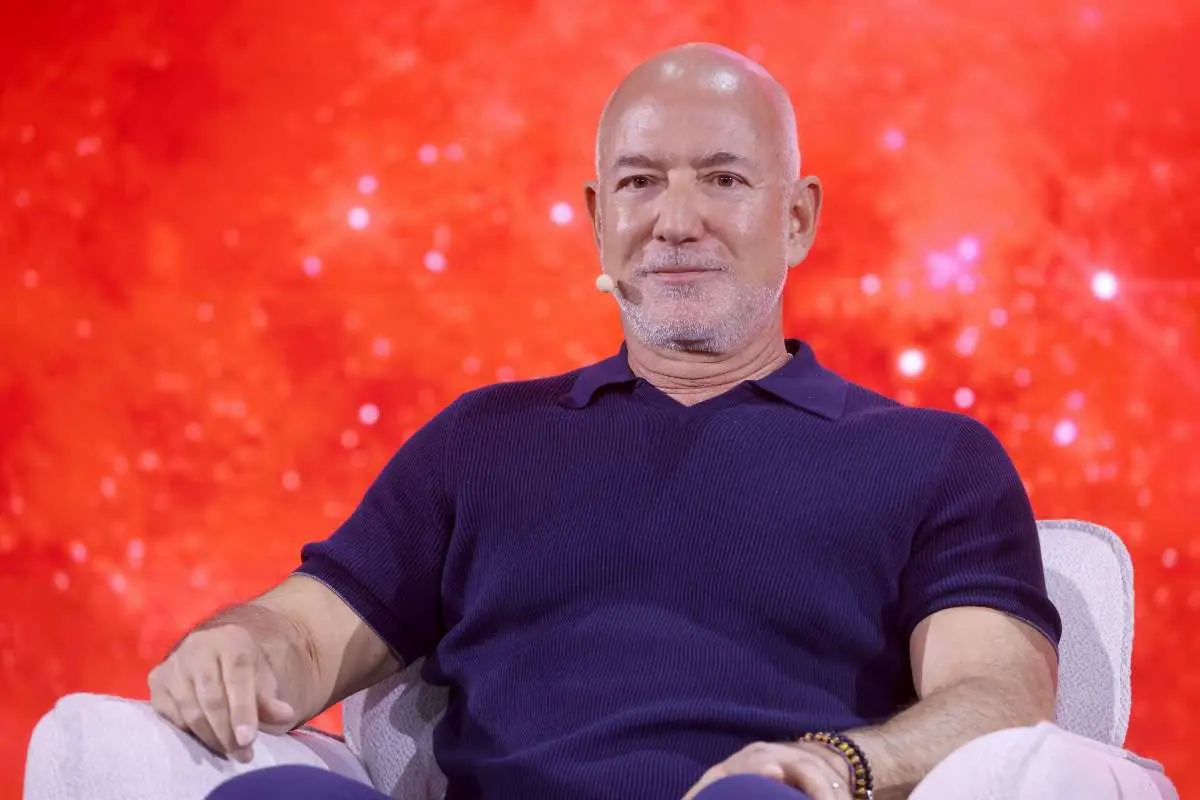
Jeff Bezos’ Blue Origin has raised $10 billion at a $140 billion valuation in its first financing round with outside investors, providing fresh capital to expand its commercial space business.
Blue Origin Brings In Outside Investors
The financing marks a major shift for Blue Origin, which Bezos has largely funded since founding the company in 2000. The Amazon founder is contributing $2 billion to the latest round, according to The Wall Street Journal.
Bezos has invested roughly $30 billion in Blue Origin since its founding, according to documents reviewed by the Journal. The financing round could ultimately exceed the initial $10 billion target as the company attracts outside investors.
The transaction also provides a rare look at the value of privately held Blue Origin. The $140 billion valuation comes as the company seeks to expand its position across rocket launches, satellite communications, and other commercial space services.
Blue Origin employs about 15,000 people and operates facilities across the United States. The company is increasingly focused on building a larger commercial business around reusable space technology.
Bezos has previously expressed ambitious expectations for Blue Origin. In a 2024 interview, he said he believed the space company could eventually become larger than Amazon.
Revenue Targets Signal Ambitious Growth
Blue Origin generated about $800 million in revenue in 2025 and expects that figure to increase to roughly $1.4 billion this year, according to documents cited by The Wall Street Journal.
The company expects much faster expansion over the next several years, projecting annual revenue of more than $30 billion by 2030.
A key part of that strategy is New Glenn, Blue Origin’s reusable heavy-lift rocket. The company has completed three New Glenn missions as it works to establish the rocket as a major platform for carrying commercial and other payloads into orbit.
Blue Origin has invested heavily in reusable rocket technology as it seeks to reduce launch costs and expand the frequency of its missions.
The new financing provides additional resources for the company to develop its rockets, expand infrastructure, and pursue its long-term revenue goals.
The funding also reduces Blue Origin’s historical reliance on Bezos’ personal wealth as its primary source of capital. Bringing outside investors into the company creates a new financing channel for its expansion plans.
Blue Origin Expands Beyond Rocket Launches
Blue Origin is looking beyond its core launch business for future revenue.
The company expects growth to come from launch services, satellite communications and a planned artificial intelligence satellite network, according to The Wall Street Journal. Those businesses could give Blue Origin recurring revenue streams beyond individual rocket missions.
The strategy also puts Blue Origin in increasingly direct competition with Elon Musk’s SpaceX, which has expanded from rocket launches into satellite communications and other space-based services.
Blue Origin’s $140 billion valuation remains far below SpaceX’s valuation, but the latest financing gives Bezos’ company significant capital to accelerate its commercial ambitions.
The funding round follows years of investment by Bezos, who built much of his fortune through Amazon before directing billions of dollars toward Blue Origin.
With revenue projected to rise from about $1.4 billion this year to more than $30 billion in 2030, Blue Origin is betting that reusable rockets, satellite communications and emerging space technologies can turn the company into a much larger commercial operation.
Its first outside financing round gives the company additional resources to pursue that growth while establishing a clearer financial benchmark for one of the largest privately held space companies.