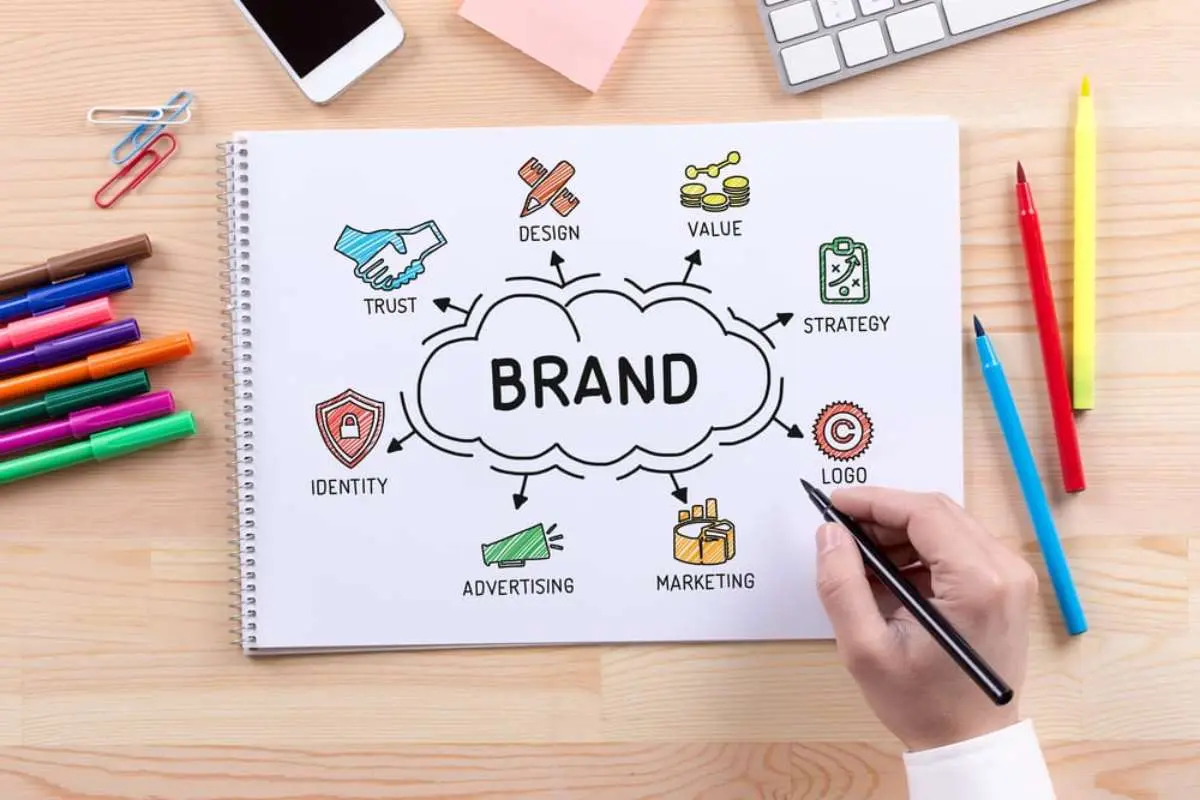
Learn how to consistently execute brand strategy and build flexible brand growth using a proven Brand Implementation System framework. This blog explains what is wrong with traditional branding, how to align departments, how to implement workflows, how to use AI to maintain consistency, and how to measure success in execution.
It’s a practical, end-to-end system that turns strategy into unified customer experiences, improves operational efficiency, builds trust, and helps organizations scale their brand without losing clarity or control.
89% of brand strategies fail to deliver on their objectives within three years. Not due to poor planning, but because of inconsistent execution across teams. A Brand Implementation System is the operational framework that turns your brand strategy into consistent customer experiences at every touchpoint, department, and market.
This guide walks you through what works: why traditional implementation fails, the end-to-end workflow from strategy to execution, how to align departments, the role of AI in automating consistency, and the metrics that prove success. You’ll get a practical system to close the execution gap that hampers most brand investments.
What is Brand Implementation System? Why does it matter in 2026?
A brand implementation system is a systematic structure, typically a digital Brand Management System. It ensures consistency and efficiency in applying the brand identity across all physical and digital touchpoints. The aim is to create recognition and strengthen trust using a consistent brand experience.
A brand can only reach its potential and drive measurable growth. If it is communicated frequently with a purpose. This System is the critical link between brand strategy and business growth. It helps translate strategic intent into consistent execution. This applies to both internal and external communication measures. Consistent messaging and visual identities raise brand awareness. It also promotes emotional engagement of target groups. Similarly, careful implementation ensures efficient use of resources. This clarifies market differentiation that directly impacts revenue, customer acquisition, and retention.
The Four Brand Layers:
- Brand Strategy = What you stand for and why
- Brand Identity = How you look and sound
- Brand Management = Protecting brand value over time
- Brand Implementation System = Executing strategy consistently
Brand Implementation channels:
Your Brand Implementation System must ensure consistency across all customer touchpoints:
Digital Channels
- Owned Digital: Website, mobile apps, email marketing, blogs, customer portals
- Social Media: Platform-specific content (LinkedIn, Instagram, Twitter, Facebook, TikTok), community management, social ads
- Paid Digital: Search ads, display advertising, social media ads, affiliate marketing, retargeting
Physical Channels
- Retail & Environment: Physical stores, point-of-purchase displays, in-store signage, product packaging
- Print: Brochures, direct mail, trade show materials, corporate stationery, print ads
Internal Channels
- Employee Touchpoints: Internal communications, training materials, onboarding docs, employee portals, presentations
Customer Experience Channels
- Service & Support: Customer service interactions, chatbots, support documentation, help centers, billing communications
Partnership Channels
- Third-Party: Distributor materials, partner portals, co-marketing campaigns, marketplace listings, reseller collateral
Why Do Traditional Brand Implementations Fail?

Traditional brand implementation isn’t enough for the complexity of the modern era. Most organizations don’t have the systematic infrastructure in place to operationalize strategies, so even well-thought-out strategies get fragmented into isolated execution. That’s why it doesn’t work.
Symptoms of Broken Implementation
Before diagnosing root causes. You need to recognize the warning signs:
- Marketing assets look different across regions or campaigns
- Sales teams create their own “on-brand” materials that aren’t
- Website, social media, and email messaging contradict each other
- Nobody can locate the current logo version or the approved brand colors
- New hires struggle to understand what’s “on brand” versus off-brand
- Leadership sees the brand differently from how customers experience it
If three or more apply, your implementation is failing.
Siloed Departments
Each team operates independently, marketing, sales, product, and HR all interpret the brand differently. Customers experience multiple versions of your company across touchpoints.
Inconsistent Digital Touchpoints
20+ channels managed by different teams with different tools. Customers see conflicting messages, tones, and positioning within minutes.
Weak Governance
Too much control bottlenecks execution. Too little creates chaos. Compliance becomes negotiation, not a system.
No Clear Ownership
Marketing, operations, IT, and leadership each assume someone else owns implementation. Accountability vanishes.
AI-Generated Inconsistencies
AI creates content at scale without guardrails. Marketing AI contradicts brand voice. Design AI violates standards. Sales AI conflicts with positioning. Without a Brand Implementation System, AI amplifies inconsistency.
Asset Chaos
Teams can’t find approved assets, so they recreate them. Nobody knows which version is current. Thousands of hours wasted duplicating work.
Scaling Breaks Down
Each market requires a custom interpretation. Brand coherence dilutes with expansion.
The Brand Implementation Workflow Explained:
Effective brand implementation follows a continuous lifecycle, not a one-time project. Each phase builds on the previous, creating a self-reinforcing system that strengthens with use.
Strategy Translation
Convert abstract brand strategy into executable guidelines: messaging frameworks, visual applications, tone examples, and decision-making criteria that answer “Is this on-brand?” consistently.
System Mapping
Identify every brand touchpoint: digital channels, physical spaces, customer interactions, and internal communications. Map the current versus the desired state. Document workflows, approvals, and technology integrations.
Asset Creation
Build core brand infrastructure: template designs, modular content systems, approved asset libraries, and automated generators. Create variations for different channels within brand guardrails.
Team Alignment
Train teams on how the Brand Implementation System works operationally. Define roles, responsibilities, decision rights, and tool access. Alignment happens through clear processes, not presentations.
Multi-Channel Deployment
Roll out systematically across prioritized touchpoints. Start with high-impact channels, validate quality, and then expand. Deploy asset management systems, templates, and self-service platforms.
Governance Monitoring
Implement automated and human compliance checks. Use AI to flag off-brand content pre-publication. Conduct regular brand audits. Track asset usage patterns across channels.
Feedback Loops
Capture insights from teams executing the brand. Collect data on performance: customer perception, recognition rates, message comprehension. Surface implementation challenges systematically.
Optimization
Refine based on feedback and data. Update bypassed templates. Simplify bottleneck processes. Expand asset libraries. Improve AI governance rules. The system evolves continuously.
This lifecycle runs perpetually. As markets shift and teams grow, the system adapts while maintaining brand coherence.
Brand implementation involves applying your brand’s design and identity across various channels and touchpoints to ensure a unified and consistent brand experience. – Md Faysal Arafine (Professional Marketer & Brand Planner)
Which phase needs your immediate attention?
Brand Implementation Across Departments
A Brand Implementation System only works when every department understands its role in execution. Here’s how responsibility is distributed across the organization:

| Department | Role in Implementation |
| Marketing | Campaign consistency, asset creation, messaging alignment, and content governance |
| Product | UX/UI alignment, interface consistency, feature naming, in-app messaging |
| HR | Employer branding, recruitment materials, internal communications, and onboarding training |
| Sales | Pitch consistency, CRM content alignment, presentation adherence, customer-facing standards |
| Customer Support | Voice and tone alignment, documentation consistency, chatbot personality, and resolution messaging |
| Leadership | Governance ownership, cross-departmental accountability, resource allocation, strategic oversight |
Expert insight:
Mohan Babu utilizes a “my money, my rules” philosophy for asset governance, prioritizing total personal control over his wealth and properties. He uses the Senior Citizens Act to legally protect his assets and has created a rift by empowering his son Vishnu while sidelining his son Manoj based on loyalty.
Metrics That Measure Brand Implementation Success
Most organizations measure brand awareness but ignore implementation effectiveness. Here are the metrics that reveal whether your Brand Implementation System is actually working:
Brand Consistency Score
Audit random samples across touchpoints and score against brand guidelines. Track the percentage of fully compliant assets. Leading brands maintain 95%+ consistency.
Employee Adoption Rate
Monitor how many team members use brand tools and follow workflows. Track DAM usage, template downloads, and brand portal access. 80%+ adoption indicates embedded integration.
Cross-Channel Alignment
Compare brand delivery across channels: website, social, email, ads, sales materials. Evaluate message consistency, visual cohesion, and positioning alignment. Misalignment reveals silos.
Customer Trust Indicators
Survey customers on brand perception: “Does this brand deliver what it promises?” Track NPS and brand trust metrics. Poor implementation erodes trust.
Conversion Lift from Brand Consistency
A/B test brand-compliant versus non-compliant materials. Measure conversion rate differences. Consistent branding typically lifts conversions 15-30%.
Brand Recall and Recognition
Measure unaided recall and aided recognition. Track brand salience over time. Strong implementation drives familiarity through repetition and consistency.
Asset Compliance Rate
Track the percentage of assets created within approved systems versus outside them. Monitor governance bypass rates. Compliance below 78% indicates circumvention.
Time-to-Market for Brand Materials
Measure production speed for on-brand assets. Effective systems reduce production time 40-60% through self-service templates and automated workflows.
Conclusion
A strong brand strategy gives direction, but only a Brand Implementation System can turn intention into an everyday reality. In today’s multi-channel, AI-powered world, brands don’t compete on creativity alone; they compete on consistency, speed, and operational clarity. When governance, workflows, teams, and technology are aligned, branding ceases to be a marketing activity and becomes a scalable business capability. The organizations that win in 2026 won’t be the organizations with the loudest campaigns, but the organizations with systems that deliver the same promise everywhere customers interact.
Take a look at how you’re currently executing today. Find where the inconsistency begins, get your teams on the same platform, and start creating a brand experience that customers notice and trust, each time.
People Also Ask
1. What are the 4 types of branding?
There are many ways to approach branding, but four main strategies are commonly used: product branding, corporate branding, personal branding, and geographic branding.
2. What is the 3 3 3 rule in marketing?
The 3-3-3 rule in marketing is a strategic framework designed to simplify, focus, and enhance campaign effectiveness by limiting complexity.
3. What are the 7 pillars of branding?
But what makes a personal brand truly impactful? It’s the foundation built on 7 key pillars: trust, authenticity, expertise, consistency, visibility, value, and relationships.
4. What are the 5 C’s of branding?
Understanding the 5 C’s of personal branding: Consistency, Creativity, Clarity, Commitment, and Consultation. It can transform your brand into a powerful tool.
5. What are the 3 C’s of brand positioning?
The 3C Strategy for Brand Positioning: Consumer, Competitor, and Company Analysis.
Links and Sources: