Retail has always been a game of timing. Order too much, and capital sits idle on shelves. Order too little, and customers walk away empty-handed. In today’s volatile supply chain environment—marked by rapid trend cycles, shifting consumer demand, and unpredictable logistics—excess inventory is no longer an exception. It’s a reality.
What’s changed is how smart retailers are responding.
Rather than treating surplus stock as a loss, a growing number of retailers, resellers, and e-commerce entrepreneurs are turning bulk liquidation into a strategic sourcing channel. When approached thoughtfully, liquidation is no longer about damage control. It’s about access, margin, and flexibility.
The Modern Inventory Problem
Retailers operate in an environment where forecasting is increasingly complex. Seasonal swings, social media-driven trends, and global disruptions can all cause demand to shift overnight. Even well-run businesses with advanced planning tools end up with surplus inventory due to:
- Cancelled wholesale orders
- Packaging changes or rebranding
- Seasonal overbuys
- Product line refreshes
- Returns from online sales
According to broad retail industry consensus, inventory imbalances are now structural, not cyclical. Excess stock is a recurring outcome of modern retail operations.
Why Traditional Clearance Isn’t Enough?
Marking down items in-store or online has limits. Clearance sales compress margins, dilute brand perception, and often fail to move volume quickly enough. Storage costs continue to accrue, and cash flow remains constrained.
That’s where liquidation enters—not as a last resort, but as a parallel channel.
Understanding Bulk Liquidation as a Sourcing Model
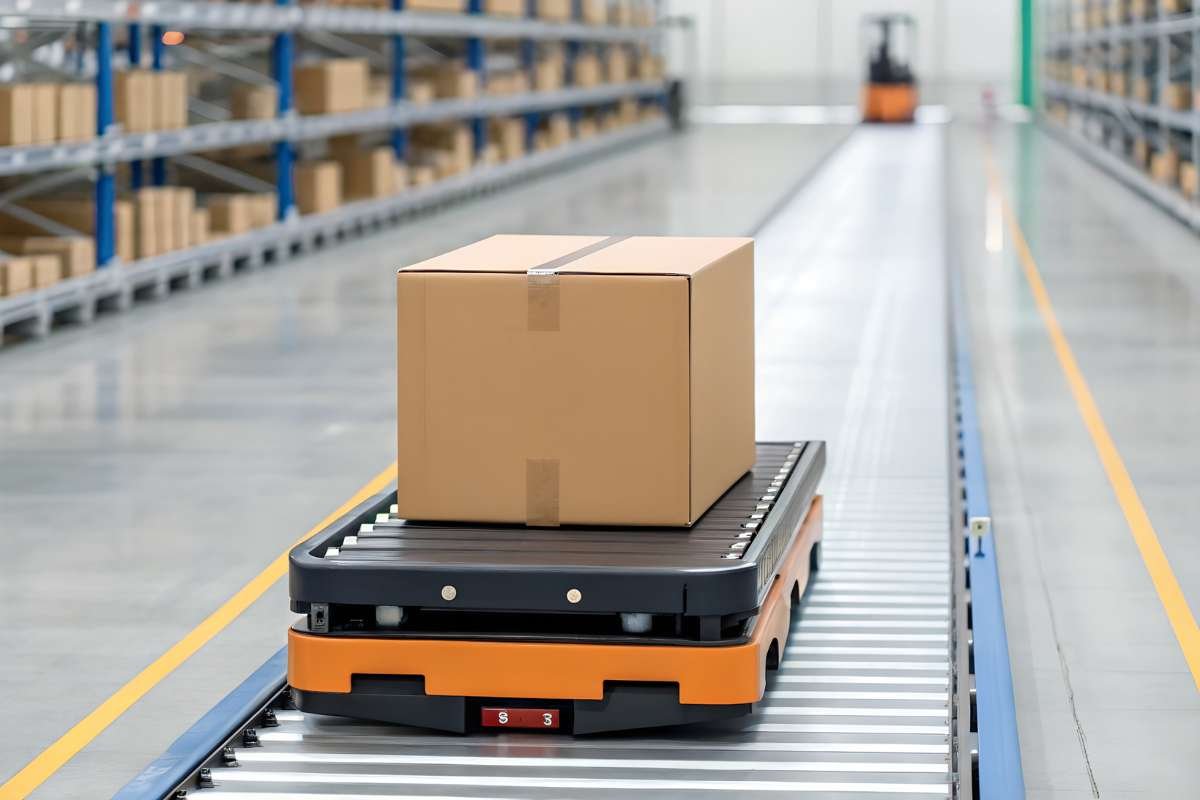
Bulk liquidation involves selling large quantities of excess or returned merchandise to secondary buyers at a discounted rate. These goods may include:
- New, overstock items
- Customer returns
- Shelf pulls
- Discontinued lines
For buyers, this model offers access to branded or high-demand products at prices that allow for resale, bundling, or alternative distribution.
From Opportunistic Buying to Strategic Sourcing
Historically, liquidation was associated with bargain hunters and irregular supply. Today, it has evolved into a more structured ecosystem with consistent quality grading, logistics support, and transparent manifests.
Experienced buyers now treat liquidation as a repeatable sourcing channel—one that complements traditional wholesale purchasing.
Why Smarter Retailers Are Embracing Liquidation?
With consumer price sensitivity on the rise, retailers need more room to price competitively without sacrificing profitability. Bulk liquidation provides that flexibility.
Lower acquisition costs allow sellers to:
- Offer discounts while protecting margins
- Test new sales channels
- Bundle products creatively
- Absorb marketing and fulfillment costs
In a market where every percentage point matters, sourcing efficiency can be the difference between growth and stagnation.
Speed and Scalability
Unlike traditional manufacturing or wholesale lead times, liquidation inventory is often available immediately. This allows retailers to respond quickly to demand spikes or fill assortment gaps without long-term commitments.
Truckload and pallet-based purchasing also makes it easier to scale. Buyers can start small and expand as operational confidence grows.
Access to Recognizable Brands
One of the strongest advantages of liquidation sourcing is access to brand-name merchandise that would otherwise be out of reach for smaller retailers.
Sourcing through channels like WLMT Liquidation Truckloads enables buyers to stock products consumers already trust, reducing the need for heavy brand education or marketing spend.
Making Liquidation Work: What Successful Buyers Know

Not all liquidation inventory is equal. Smart buyers understand grading systems and align purchases with their business model. For example:
- New or like-new goods suit direct-to-consumer resale
- Mixed-condition lots may work for discount or outlet channels
- Returns require careful inspection and refurbishment planning
Successful liquidation sourcing starts with clarity about acceptable condition thresholds.
Logistics and Storage Planning Are Essential
Bulk buying requires operational readiness. Transportation, warehousing, and inventory management must be factored into total cost—not just the purchase price.
Experienced buyers work with logistics partners or develop in-house systems to handle inbound freight efficiently, minimizing dwell time and maximizing cash flow turnover.
Diversification Reduces Risk
Liquidation works best as part of a diversified sourcing strategy. Retailers who rely on a mix of wholesale, private label, and liquidation inventory are better insulated from supply shocks and demand shifts.
This balanced approach aligns with broader retail best practices advocated by industry analysts and supply chain experts.
Who Benefits Most from Bulk Liquidation?
Small and mid-sized sellers often struggle to compete with large retailers on price. Liquidation levels the playing field by offering access to comparable products at lower cost bases.
Discount and Value-Focused Retailers
For off-price, outlet, and value-driven businesses, liquidation isn’t just an option—it’s foundational. Consistent sourcing of discounted inventory supports their entire pricing model.
Entrepreneurs Testing New Markets
Liquidation allows entrepreneurs to experiment with product categories or platforms without committing to full-price wholesale orders. It’s a low-risk way to validate demand.
The Sustainability Angle

Liquidation also plays a role in reducing waste. By redirecting usable products back into the market, retailers extend product lifecycles and reduce landfill impact.
While sustainability is rarely the primary driver, it aligns liquidation sourcing with growing consumer expectations around responsible retail practices.
A Smarter Way Forward
Retail success today is less about perfect forecasting and more about adaptability. Bulk liquidation offers a practical response to uncertainty—transforming excess inventory into opportunity.
For retailers willing to approach it strategically, liquidation is no longer a sign of failure. It’s a tool for resilience, margin control, and growth.
As sourcing models continue to evolve, those who recognize value where others see surplus will be best positioned to thrive.