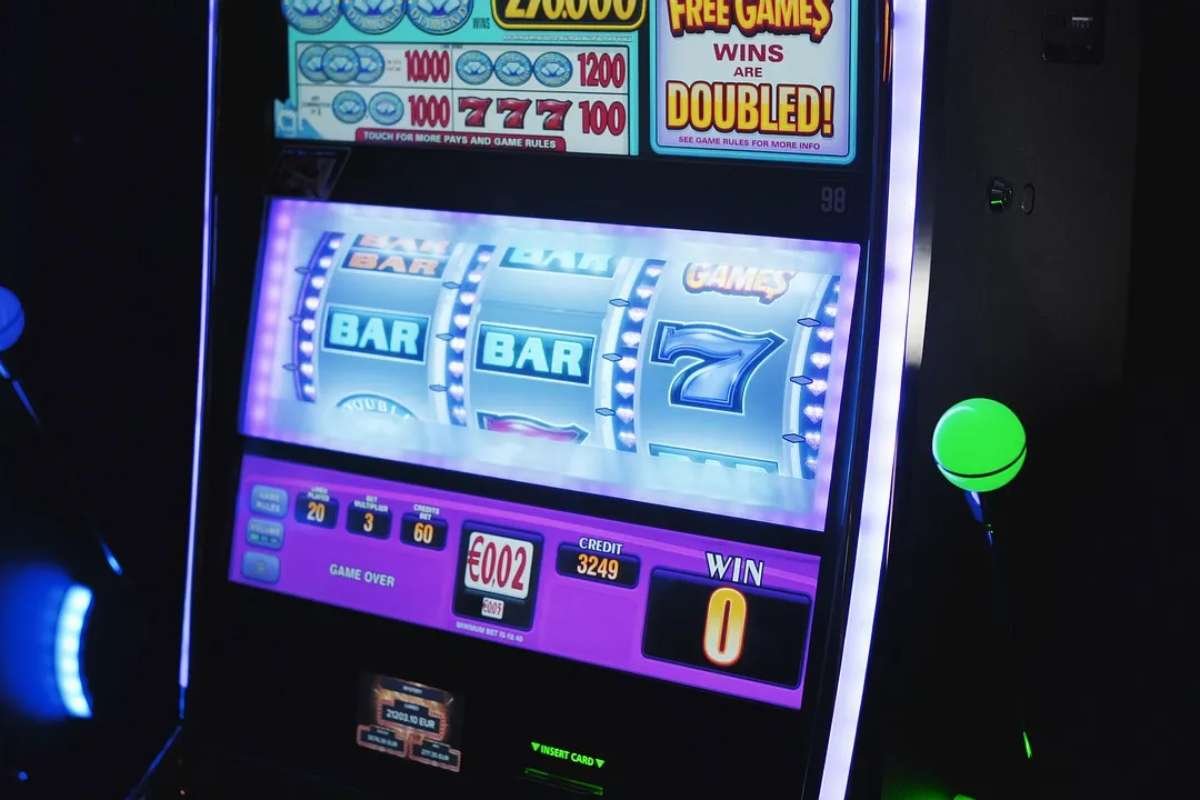
Personalization at scale has become the defining competitive layer of the modern Online casino ecosystem. Today, an Online casino no longer relies on broad bonus blasts or static VIP tiers. Instead, advanced behavioral analytics track thousands of micro interactions to create predictive player journeys. Platforms such as Vegastars demonstrate how a contemporary Online casino integrates behavioral data into long-term retention systems rather than short-term promotional tactics. Casino personalization strategies now focus on anticipating player needs rather than applying one-size-fits-all incentives.
From an industry evaluation perspective, based on direct analysis of retention frameworks and player lifecycle modeling across multiple digital casino environments, behavioral analytics has shifted from reporting to orchestration. This assessment draws on data infrastructure studies, AI segmentation models, and long-term value optimization strategies observed in high-performing casino platforms.
What Behavioral Analytics Means in an Online Casino Context?
Behavioral analytics sounds abstract, but in an Online casino setting it’s fairly concrete. It’s the tracking and interpretation of how someone actually plays, session length, preferred games, average stake, volatility choices, deposit rhythm, device used, even how they reacted to past offers.
When those signals are pulled into one profile, patterns start to form. Instead of guessing who might stop playing, the platform can estimate churn risk using measurable shifts-shorter sessions, longer gaps between deposits, and reduced interaction.
Think of a player who reliably shows up on weekends, usually opting for high-volatility slots and steady stakes. Then, almost quietly, the pattern shifts-shorter sessions, smaller bets, different games.
That kind of change doesn’t go unnoticed. It can point to early disengagement. Rather than pushing a generic bonus, the platform might adjust its approach, softer messaging, more relevant content, maybe fewer incentives. The idea isn’t to guess. It’s to respond to what the behavior is already suggesting. Implementing Casino personalization strategies allows operators to make these behavioral adjustments in real time.
From Generic Promotions to Automated Personalization
Historically, Online casino marketing revolved around uniform welcome bonuses and fixed cashback tiers. This approach lacked contextual relevance.
Modern personalization strategies include:
- Dynamic bonus structures based on volatility preference.
- Personalized game lobby ordering.
- Tailored messaging based on time-of-day engagement.
- Adaptive user interface prompts for friction reduction.
- Lifecycle-triggered loyalty incentives.
These tactics operate continuously in the background, shaping the player journey over months rather than days.
AI-Driven Segmentation and Prediction
Scaling personalization requires machine learning models that identify behavioral clusters beyond basic recency and frequency metrics. Advanced segmentation can detect:
- Late-night mobile players with short sessions.
- High-stakes but low-frequency weekend players.
- Exploratory users who test multiple game types.
- Consistent loyalty players focused on a narrow category.
Predictive scoring models also estimate responsiveness to offers. Rather than sending reload bonuses to all inactive users, the system prioritizes those statistically most likely to re-engage. This targeted approach exemplifies how Casino personalization strategies maximize efficiency and ROI by focusing on players most likely to respond.
Lifecycle-Based Retention Architecture
Modern retention planning focuses on long-term lifecycle structure, not standalone efforts. An online casino journey may progress through onboarding, initial activation, sustained engagement, scaling activity, and later re-engagement.
Vegastars provides a useful example of how a platform can integrate behavioral triggers into lifecycle mapping. At the beginning, suggestions tend to feel almost helpful, titles nudged forward based on a few early clicks. Over time, as patterns settle in, the system eases into something more tailored, spacing rewards around how often sessions actually happen.
Two Practical Behavioral Examples
Say a player repeatedly opts for medium-volatility slots and tends to activate free spin promotions. The system can recognize that pattern and deliver similar spin-based offers instead of unrelated cashback deals. It’s not louder marketing, just better alignment.
In another situation, a high-value player begins logging unusually long sessions. Rather than increasing incentives, the platform may introduce reminder messages or slow bonus frequency. The same behavioral data supports retention, but it can also guide more balanced engagement. Effectively applied, Casino personalization strategies help maintain long-term player satisfaction without over-reliance on promotions.
Retention Impact Comparison
This table illustrates the structural difference between generic marketing and predictive retention systems.
| Strategy Type | Traditional Model | Behavioral Analytics Model |
| Segmentation | Spend-based tiers | AI-driven behavioral clusters |
| Offer Timing | Calendar-based campaigns | Real-time predictive triggers |
| Churn Prevention | Reactive outreach | Proactive risk scoring |
| Loyalty Development | Static VIP thresholds | Dynamic lifecycle journeys |
| Marketing Efficiency | Broad targeting | Precision targeting |
Vegastars in the Personalization Landscape
Vegastars reflects a broader shift inside the online casino space. Static bonus blasts are giving way to automated lifecycle systems that react to behavior in real time. Instead of pushing the same offer to everyone, data signals, session patterns, spending habits, engagement timing, shape what a player actually sees.
Retention is becoming analytical. Platforms that turn raw interaction data into tailored journeys tend to build longer relationships than those relying on short promotional bursts.
Financial Considerations and Sustainability
Gambling, by nature, carries financial exposure. Behavioral analytics may shape the experience, but it does not remove the uncertainty built into outcomes. Instead, it focuses on sustainable engagement patterns.
Financial unpredictability remains central to casino activity. High-intensity sessions can drain a bankroll quickly, no matter how advanced the personalization tools may be. Maintaining balance still depends on a responsible approach to casino play.
Conclusion
Personalization at scale isn’t just a CRM upgrade. It requires connected analytics, segmentation, predictive modeling, and coordinated messaging across the full player lifecycle.
As online casino systems mature, retention leans more on timing and relevance than on incentive size alone. Sustainable growth comes from structured engagement, ideally supported by responsible data use. Advanced Casino personalization strategies ensure these systems are both effective and player-centric.