

A famous face can help a brand grab attention, build trust, and influence buying decisions. But celebrity endorsements do not guarantee higher sales. Results depend on how well the celebrity fits the brand, connects with its audience, and promotes products people want.
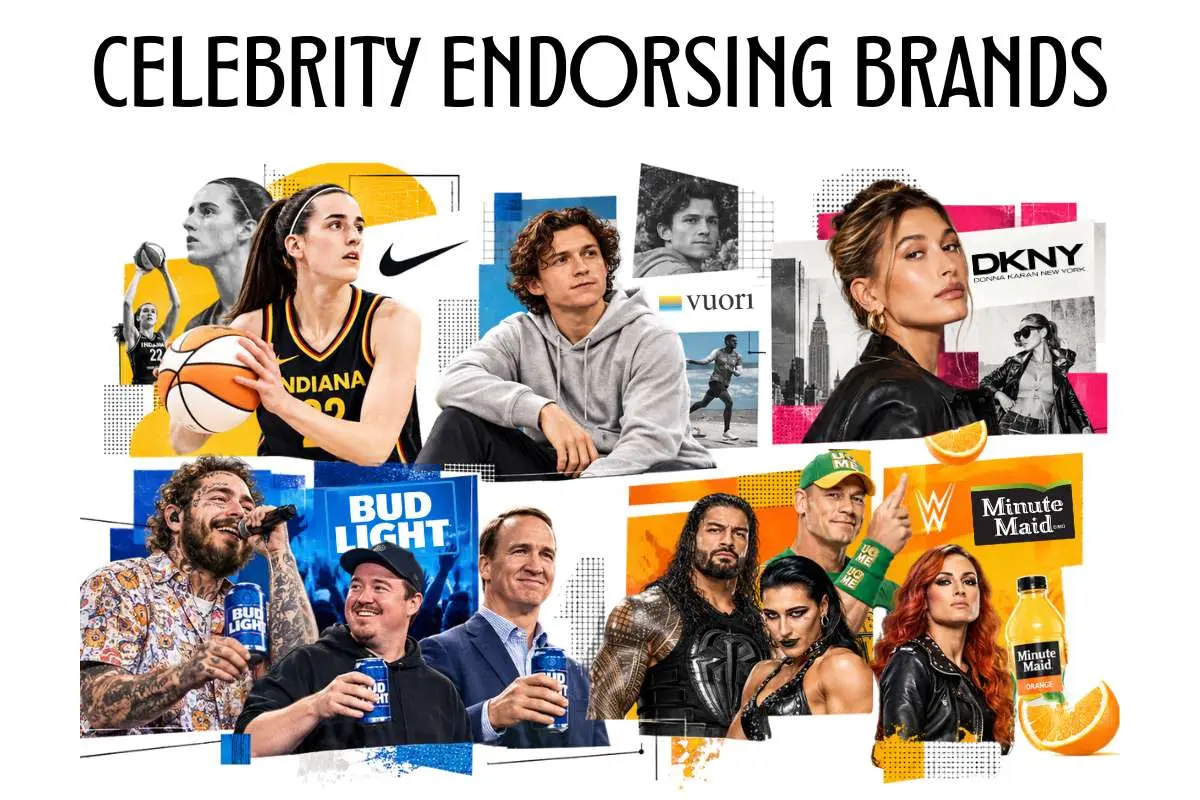
In 2026, brands such as Nike, Vuori, DKNY, and Bud Light are using celebrity partnerships to promote products and strengthen their brand identity. These campaigns show how celebrity endorsements can go beyond advertisements.
This article looks at the top celebrity-brand partnerships of 2026, explains how endorsements influence buying decisions, compares celebrity and influencer marketing, and covers the costs, risks, and contract terms brands should consider.
What is celebrity endorsement, and why do brands use it?
Celebrity endorsing brands is a marketing strategy in which a company uses a well-known person’s image, reputation, or influence to promote a product or service. The celebrity may appear in ads, attend events, share sponsored posts, or work with the brand over time.
Brands use celebrity endorsements for several business reasons.
- Build brand awareness: A recognized face can help a campaign reach people who may not know the brand.
- Shape brand identity: A celebrity’s public image can help a company present a product as stylish, reliable, adventurous, or high-end.
- Reach a new audience: A partnership can introduce a brand to the celebrity’s fan base, especially when the audience matches the company’s target market.
- Support a product launch: A celebrity-led campaign can attract attention to a new product, collection, or service.
- Strengthen customer interest: A credible endorsement can encourage people to consider a product, particularly when the celebrity and product are a natural match.
However, a celebrity’s popularity is only one part of the decision. A large audience will have limited value if its members do not need the product, cannot afford it, or do not see a convincing connection between the celebrity and the brand.
Which celebrity endorsements stood out in 2026?
Celebrity partnerships remain an important part of marketing, especially when brands use them across TV commercials, digital ads, and social media.
Here are notable market campaigns from 2026 and what businesses can learn from them.
1. Nike and Caitlin Clark
In September 2026, Nike introduced the Caitlin 1, basketball player Caitlin Clark’s first signature shoe. The launch included her own design details and a signature apparel collection featuring performance clothing for women basketball players.
Rather than relying only on advertisements, Nike has built a product line around Clark’s playing style and personal identity. This gives fans and athletes a direct way to connect with the partnership through products they can buy.
Business takeaway: A signature product can give a celebrity endorsement a longer life than a single advertising campaign. Brands should track product sales and repeat purchases to measure its commercial value.
2. Vuori and Tom Holland
Activewear brand Vuori featured actor Tom Holland in its 2026 campaign, Play It As It Lies. The partnership includes a short film and a curated collection of products for golf, travel, and training.
The campaign connects Holland’s public image with a lifestyle that extends beyond the gym. The curated product selection also gives interested customers a direct path from the campaign to relevant items.
Business takeaway: Celebrity partnerships can work harder when they connect a story to specific products. Brands should give customers a clear next step after they see an advertisement.
3. DKNY and Hailey Bieber
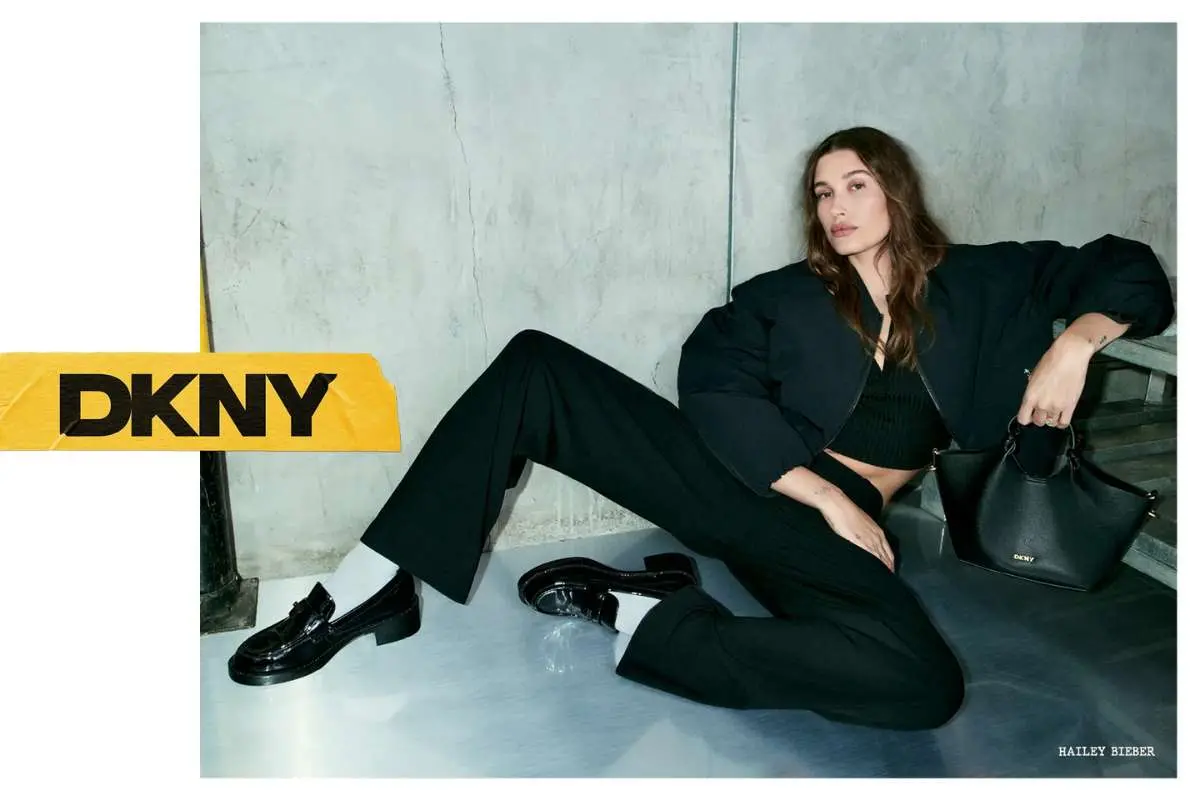
DKNY featured model and entrepreneur Hailey Bieber in its Spring 2026 campaign. The campaign draws on New York’s fashion identity, with photography inspired by the city’s 1960s art scene and looks built around the brand’s signature style and accessories.
The partnership connects Bieber’s fashion image with DKNY’s New York identity. It also supports a seasonal product collection, giving customers a way to shop the styles featured in the campaign.
Business takeaway: A celebrity’s image can strengthen a brand’s identity when the two share a clear style or audience. The partnership should reinforce what makes the brand distinct rather than overshadow its products.
4. Bud Light and Post Malone, Shane Gillis, and Peyton Manning
Bud Light brought musician Post Malone, comedian Shane Gillis, and former NFL quarterback Peyton Manning together for its Keg commercial during Super Bowl LX in February 2026. The campaign used a wedding setting to highlight the role of a keg in a celebration.
The brand also announced a nationwide $60 keg rebate, tying the campaign to a specific purchase occasion. This combined entertainment with a consumer offer rather than relying on celebrity appearances alone.
Business takeaway: A celebrity campaign can make a stronger sales connection when it includes a clear offer or call to action. Brands should still measure whether the promotion generates incremental purchases and enough profit to justify its cost.
5. Minute Maid and WWE superstars
Minute Maid expanded its partnership with WWE in April 2026 through a multi-year renewal. The campaign features WWE stars including Cody Rhodes, Jey Uso, and Rhea Ripley, with limited-edition product packaging, event sponsorships, and a digital fan experience called The Juice Vault.
The partnership reaches fans through several channels. Customers can encounter the campaign in commercials, at live events, and on participating product packaging, where QR codes connect them to the digital experience.
Business takeaway: Celebrity endorsements can extend beyond advertisements when brands connect campaigns with products, retail activity, and digital engagement. Businesses should track participation, product sales, and customer response across these channels.
How should brands choose the right celebrity?
Brands should choose a celebrity who fits their goals, audience, and product. Before signing a deal, check these six factors.
- Audience alignment: Check whether the celebrity’s followers match your target customers in age, location, interests, and spending power.
- Brand and product fit: Choose someone whose public image makes sense for your product and brand.
- Credibility: Check their experience and link to the product, and avoid claims they cannot support.
- Public image: Review past campaigns and public controversies for risks to your brand.
- Consistency: Decide whether a one-time campaign or a long-term partnership best suits your goals.
- Budget and contract terms: Check fees, usage rights, exclusivity, appearances, and content needs before signing.
Looks and broad appeal can help, especially for visual products, but a strong fit and trust can matter more than appearance alone.
Do celebrity endorsing brands make people buy more?
Celebrity endorsements can change how people see a product, but not everyone reacts the same way. A few key psychological factors help explain why some endorsements work better than others.
- The halo effect: People may see a brand more positively because they like the celebrity promoting it.
- Social proof: Seeing a celebrity use a product can make others more willing to try it.
- Trust and credibility: People may trust an endorsement more when the celebrity seems honest and suits the product.
- Aspiration and identity: People may buy products linked to celebrities because they like their style or lifestyle.
These effects are more likely to help when the partnership feels natural. If a celebrity promotes an unrelated product or makes claims that seem scripted, audiences may question the message.
Celebrity endorsing brands vs. influencer marketing: what is the difference?
Celebrity and influencer marketing can overlap, but they often serve different goals. A celebrity may be known primarily for acting, music, or sport, while an influencer often builds an audience around regular content on a particular platform or subject.
| Factor | Celebrity endorsement | Influencer marketing |
|---|---|---|
| Main strength | Broad recognition and brand awareness | Targeted reach and audience engagement |
| Audience | Often spans multiple interests or groups | Often centers on a niche, platform, or shared interest |
| Typical content | Brand campaigns, advertisements, appearances, or ambassador roles | Sponsored posts, tutorials, reviews, demonstrations, or short videos |
| Cost considerations | Negotiated talent fees, production costs, usage rights, and exclusivity | Fees vary by creator, deliverables, reach, usage rights, and campaign scope |
| Useful for | Brand launches, mass awareness, and positioning | Product education, niche discovery, and trackable actions |
| Ways to measure results | Brand recall, search growth, traffic, sales lift, and customer acquisition | Engagement, clicks, conversions, sales, and audience quality |
A celebrity partnership may help a brand reach a large audience, while a specialist creator may be better at explaining a technical product to people who are already interested in the category. The two approaches can also work together. A celebrity campaign can build awareness, while creators produce product demonstrations and answer customer questions.
What costs and risks should brands plan for?

A celebrity’s fee is only part of the cost. Brands should plan for extra expenses, protect themselves from risks, and set clear contract terms.
- Set the full budget: Include the celebrity’s fee, production, travel, paid ads, legal review, and campaign tracking.
- Define campaign duties: List all required ads, social posts, appearances, and other content.
- Agree on content rights: Set where, how, and for how long the brand can use the content.
- Limit exclusivity: Name the rival brands covered and set a clear time limit.
- Check audience fit: Make sure the celebrity’s followers match the brand’s target customers.
- Review reputation risks: Check past controversies and plan how to respond if a problem arises.
- Follow ad rules: Clearly label paid promotions and follow relevant advertising laws.
- Set backup terms: Agree on what happens if content is late, an appearance is missed, or the campaign is cancelled.
Celebrity fees vary by popularity, demand, campaign length, and contract terms. A clear contract helps brands control costs and avoid surprises.
What should contracts say about reputation and disclosure?
Contracts should clearly state payment terms, campaign duties, content rights, exclusivity, and when either side can end the deal. They should also explain what happens if the celebrity misses a deadline or faces a major controversy.
In the United States, the Federal Trade Commission (FTC) requires ads to be truthful and paid partnerships to be clearly disclosed. Celebrities must not claim they used a product if they did not or make claims they cannot support.
Brands should check these terms before a campaign begins to avoid costly problems later.
Case study: what does American Eagle’s 2025 campaign show about celebrity endorsement?
American Eagle’s celebrity campaigns with Sydney Sweeney and Travis Kelce attracted significant attention in 2025. The company’s shares rose 33% in one day amid interest in the Sweeney campaign. Across both campaigns, American Eagle reported 40 billion ad impressions and more than 700,000 new customers.
However, the company’s second-quarter fiscal 2025 revenue fell 1% year over year to $1.28 billion, while comparable sales also declined 1%.
What does this show? Celebrity endorsements can increase visibility and attract new customers, but attention alone does not guarantee sales growth. Businesses should track conversions, repeat purchases, and profit to determine whether a campaign delivers lasting value.
How can businesses measure whether a celebrity endorsement worked?

Set a baseline before the campaign begins. Without it, a business may struggle to determine whether any change came from the endorsement or from other marketing, pricing, or sales activity.
A practical measurement checklist includes:
- Awareness: Did more people recognize or search for the brand?
- Engagement: Did people watch, share, comment on, or discuss the campaign?
- Traffic: Did the campaign bring qualified visitors to the website or stores?
- Conversion: Did visits lead to purchases, enquiries, or sign-ups?
- Customer acquisition: How many new customers can be linked to the campaign, and at what cost?
- Sales and profit: Did incremental revenue and margin justify the total spend?
- Brand sentiment: Did customer opinions improve, remain stable, or become more negative?
- Longer-term value: Did new customers return after the campaign ended?
Use campaign-specific links, promo codes, landing pages, or other tracking methods where suitable. For a larger campaign, compare performance with a reasonable baseline or a similar market that did not receive the same promotion. This helps separate campaign activity from wider business changes.
Conclusion:
Celebrity endorsing brands can help businesses gain attention and reach new customers. But success depends on the right celebrity, a clear message, and a strong fit with the audience. Brands should measure sales and long-term results, not just views and publicity.
Frequently asked questions
1. Do U.S. brands have to disclose paid celebrity endorsements?
Yes. Brands must clearly disclose paid partnerships and follow FTC advertising rules.
2. Can celebrity endorsing brands work with competing companies?
Yes, unless their contracts restrict them from promoting competitors.
3. Who owns photos and videos from celebrity endorsing brands campaigns?
The contract sets ownership and usage rights, including where and how long the content can be used.
4. What happens if a celebrity damages a brand’s reputation?
Brands can pause or end the partnership if the contract allows it.