Key Takeaways
- China manufacturing PMI rises to 50.3, above the expansion threshold
- High-tech manufacturing PMI reaches 53.5 on AI demand
- New export orders rebound to 50.1 on stronger global demand
China’s manufacturing sector expanded at a faster-than-expected pace in June, supported by rising high-tech production linked to global artificial intelligence investment demand, according to the latest official purchasing managers’ index data. The reading signals a modest recovery in factory activity after a period of slower momentum in previous months.
Manufacturing activity returns to expansion territory
The National Bureau of Statistics of China reported that the manufacturing PMI rose to 50.3 in June from 50.0 in May, exceeding market expectations of 50.1. The reading moved back above the 50-point threshold that separates expansion from contraction, indicating improving factory conditions.
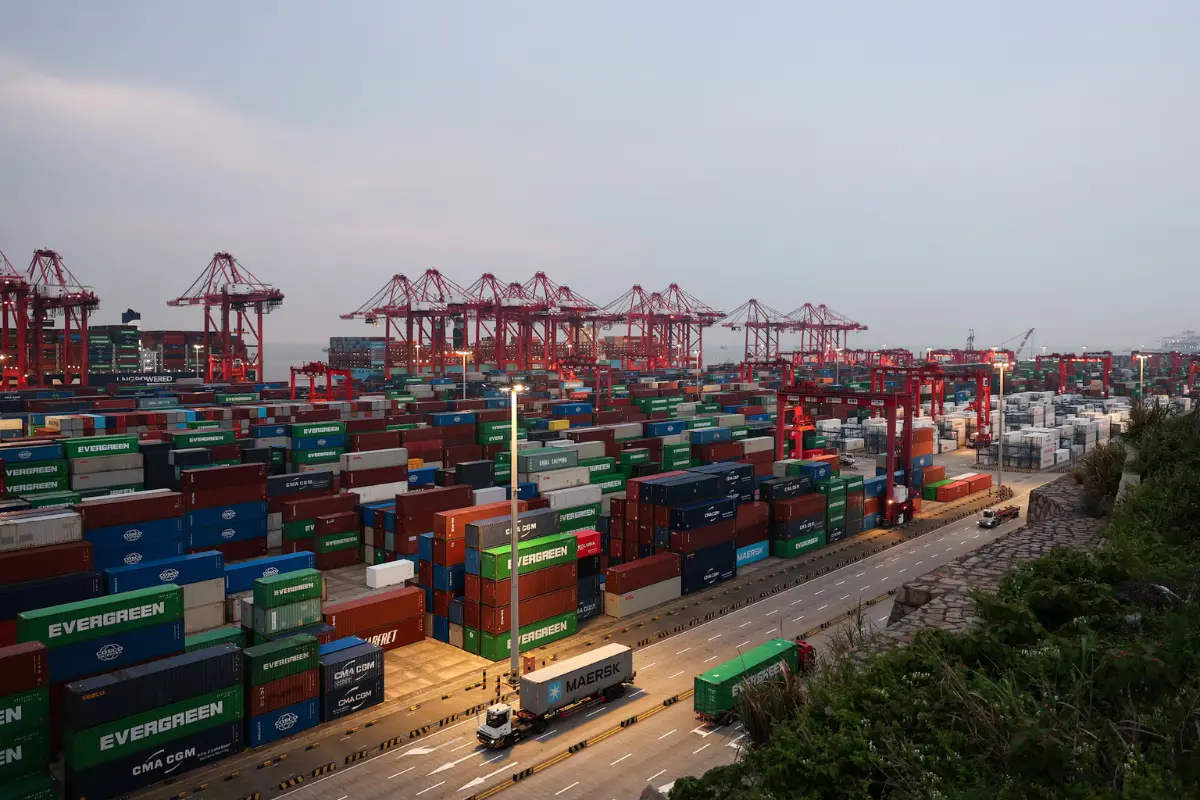
Production and new orders both showed gains during the month. The production sub-index increased to 51.4, while new orders rose to 51.2, reflecting improved supply and demand conditions across the manufacturing sector. New export orders also climbed to 50.1, signaling a recovery in overseas demand as external pressures eased.
High-tech manufacturing continued to outperform broader industrial activity. The high-tech equipment PMI rose to 53.5 in June, driven by stronger output in advanced manufacturing segments, while consumer goods production remained comparatively weaker at 50.2. This divergence highlights the growing influence of technological industries on overall industrial performance.
AI demand and export recovery support growth
External demand and artificial intelligence investment were key drivers of manufacturing momentum in June. High-tech production benefited from sustained global investment in AI infrastructure, which supported output across semiconductor, electronics, and advanced equipment segments.
At the same time, easing geopolitical and energy concerns contributed to improved export performance. Export orders rebounded after previous weakness, reflecting stronger international demand conditions.
The non-manufacturing PMI, which covers services and construction, rose slightly to 50.2 from 50.1 in May. However, construction activity remained under pressure, with its sub-index at 49.0, indicating continued contraction in that segment despite marginal improvement.
Broader economic indicators showed mixed trends. Industrial profits in upstream and technological sectors recorded gains, while downstream manufacturers continued to face pressure due to subdued domestic demand conditions. Retail sales also showed weakness in the previous month, reflecting softer consumption activity despite the improvement in the China manufacturing PMI.
Structural imbalance between supply and demand
Analysts noted that China’s economy continues to show an imbalance between resilient supply and weaker domestic demand. Export-oriented industries, particularly those linked to artificial intelligence and renewable energy equipment, are driving growth, while property-related sectors remain under pressure.
Some forecasts suggest export growth may remain strong due to sustained global demand for AI-related technologies. However, domestic demand conditions are expected to weigh on inflation trends in the coming months as supply continues to outpace consumption even as the China Manufacturing PMI signals improving factory activity.
Policymakers have so far avoided large-scale stimulus measures, with expectations focused on targeted fiscal support rather than broad monetary easing. Future policy direction is likely to depend on third-quarter economic performance and external demand stability.
Overall, the June PMI data reflect a manufacturing sector supported by technology-driven exports, with high-tech production offsetting weaker domestic consumption and ongoing softness in traditional industries.