In industrial operations and water treatment environments, precision is the foundation of safety and performance. Even minor miscalculations in chemical dosing can result in equipment corrosion, unstable processes, compliance issues, or unexpected shutdowns. Therefore, selecting the right dosing pump is more than a technical decision—it is a strategic investment that directly affects operational reliability and long-term cost efficiency.
Whether you are an operations manager, water treatment engineer, or procurement specialist, understanding the key considerations behind dosing pump selection ensures a well-functioning system and sustainable business performance. Drawing on industry practices and technology standards used by leading suppliers such as ATO, this guide outlines the essential considerations for selecting an effective dosing pump.
What Exactly Is a Dosing Pump?
A dosing pump is a specialized device designed to deliver a precise volume of chemical at controlled intervals. It serves as the heart of a dosing system, ensuring accurate delivery of disinfectants, acids, alkalis, coagulants, and conditioning agents.
Unlike standard fluid pumps, dosing pumps prioritize accuracy, repeatability, and chemical resistance. Selecting the appropriate pump therefore begins with understanding the chemical being handled, the operational load, and the performance requirements of the system.
Dosing pumps are available in several configurations, each suited to different chemical and process conditions:
- Diaphragm Pumps
- Durable, chemically compatible, and low maintenance. They provide reliable accuracy and are widely used in continuous water treatment, disinfection, and pH control.
- Peristaltic Pumps
- Ideal for viscous, shear-sensitive, or gas-forming chemicals. Their non-contact design prevents chemical exposure to internal components, making them suitable for polymers, sludge conditioning, and food-processing additives.
- Plunger (Piston) Pumps
- Designed for high-pressure applications. They are commonly used in industrial chemical injection, oil and gas operations, and boiler treatment systems where robust performance is essential.
- High-Pressure Diaphragm Pumps
- Engineered for demanding industrial chemical injection and water treatment applications that require higher operating pressure. These pumps offer robust performance similar to piston systems, but with the added benefit of diaphragm-based chemical isolation for enhanced safety and compatibility.
For most buyers, the selection process ultimately comes down to matching pump technology with the chemical properties, dosing frequency, and stability required in actual operation.
Why Accuracy Matters?
.jpg)
From a consumer perspective—whether that consumer is a plant manager or industrial engineer—accuracy is ultimately about risk reduction.
A precise dosing pump directly impacts daily operations:
If overdosing occurs:
- Chemicals are wasted, increasing operational cost
- Metallic components may corrode prematurely
- Production lines may require unplanned shutdowns
If underdosing occurs:
- Water may fail to meet safety disinfection thresholds
- Chemical reactions may not complete, affecting product quality
- Compliance violations can lead to fines or process audits
In practical terms:
A dosing pump is not just equipment—it is insurance for system stability.
Professionals often measure value not by the pump itself, but by how much uncertainty it removes from their workflow.
Key Considerations When Choosing a Dosing Pump
Selecting the right dosing pump requires evaluating both technical performance and practical operational needs. The following factors integrate engineering criteria with buyer-focused considerations to support informed, real-world decision-making.
1. Chemical Compatibility
Chemical compatibility is the most critical selection criterion, as all wetted components—including diaphragms, tubing, O-rings, and valve seats—must match the chemical being dosed. Incompatible materials may swell, crack, leak, or fail prematurely, especially in continuous dosing applications.
Common material guidelines include:
- PTFE or PVDF for strong acids
- EPDM or PVC for alkalis
- Viton or PVDF for oxidizing agents
- Santoprene or silicone for viscous polymers
Selecting the correct materials reduces leakage risks, extends equipment lifespan, and maintains dosing accuracy over extended periods.
2. Flow Rate and Pressure Requirements
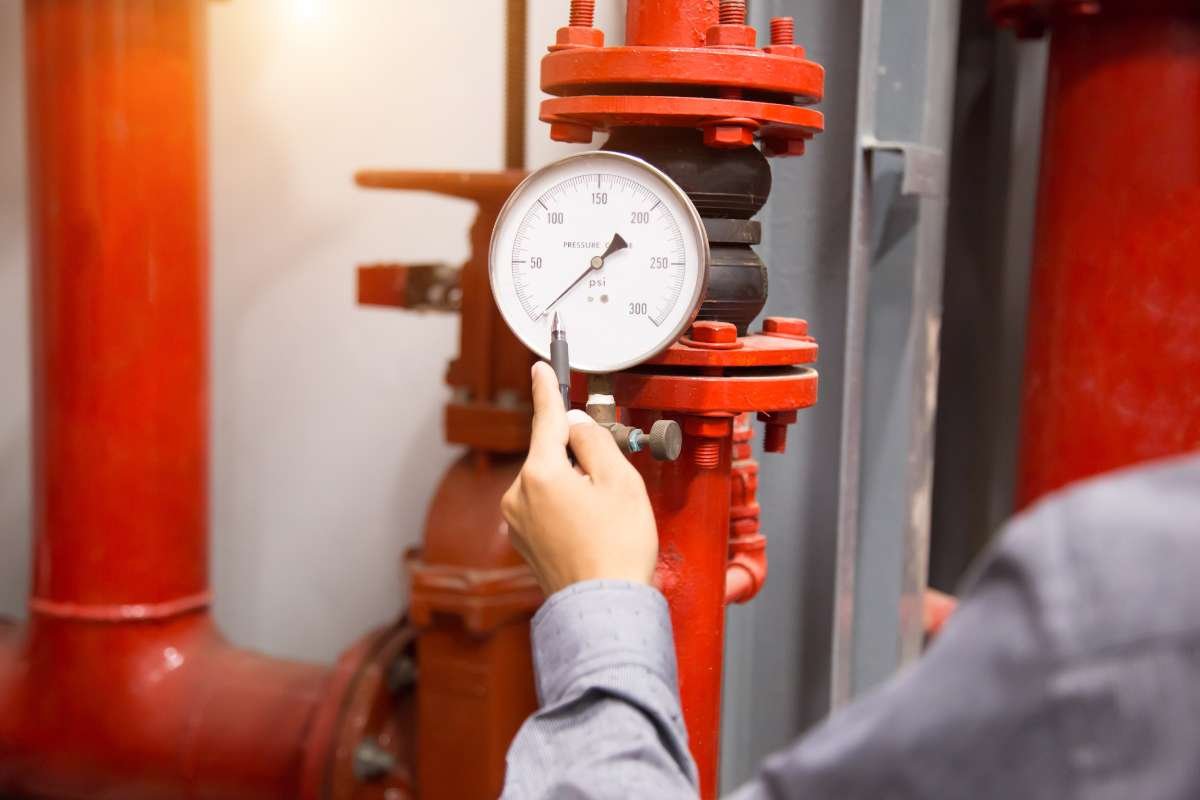
Industrial and water treatment environments rarely operate under stable conditions. System pressure fluctuates, temperatures vary, and chemical demand changes across production cycles or seasons.
A well-designed dosing pump should maintain accuracy even as these variables shift. It must withstand the maximum expected backpressure and deliver smooth, pulsation-free flow to avoid process disruptions. Pumps with performance margins exceeding minimum requirements offer greater reliability under real-world operating conditions.
3. Automation and Control Capabilities
Modern facilities rely on automated control and real-time monitoring to maintain efficiency and compliance. Advanced dosing pumps may include:
- 4–20 mA input/output
- Pulse control for proportional dosing
- RS485 or Modbus for SCADA integration
- Automatic calibration or stroke-adjustment functions
- Flow-verification alarms
These features support precise and repeatable dosing with minimal manual intervention. For buyers, enhanced automation reduces human error, improves process consistency, and strengthens regulatory performance.
4. Ease of Operation and Maintenance
A high-performing dosing pump must also be practical to operate and maintain. Features such as tool-free diaphragm replacement, transparent pump heads, long-life diaphragms, and modular components reduce downtime and simplify routine servicing.
From an operational perspective, ease of maintenance directly influences cost and productivity. Pumps designed for quick installation, calibration, and part replacement support continuous operation and minimize unexpected interruptions.
Practical Application Scenarios
Dosing pumps play a vital role across various municipal and industrial processes, where precise chemical delivery is essential for system reliability and regulatory compliance. Their most significant applications can be broadly grouped into the following areas:
1. Municipal and Industrial Water Treatment
Dosing pumps ensure the accurate delivery of disinfectants such as chlorine, precise pH adjustment, and controlled coagulant feed for sedimentation and filtration processes. The stability of these doses directly affects water clarity, microbial safety, and the performance of downstream treatment stages. Even small deviations may result in chemical waste, reduced filtration efficiency, or non-compliance with water quality standards.
2. Wastewater Treatment

Wastewater facilities depend heavily on accurate dosing for efficient sludge management and biological stability. Polymer dosing is critical for effective dewatering, influencing both waste volume and energy usage in drying and disposal. Conditioning and odor-control agents also require precise dosing to maintain treatment performance and regulatory compliance. In this sector, dosing accuracy translates directly into operational efficiency and predictable process outcomes.
3. Industrial and Processing Applications
Across industrial chemical processing, boiler and cooling water treatment, and food and beverage production, dosing pumps support controlled chemical delivery that maintains system integrity and product quality. Whether stabilizing reaction conditions, preventing scale and corrosion in thermal systems, or ensuring consistent additive or sanitation chemical dosing in food production, accurate metering safeguards equipment performance, process efficiency, and regulatory adherence.
In chemical processing environments that involve strong oxidizing agents, suppliers such as ATO typically recommend X-series pumps built with Viton or PVDF wetted components to maintain reliability and material integrity under aggressive chemical exposure.
Across all of these areas, selecting the correct dosing pump significantly influences process stability, operating costs, and long-term system performance.
Why a Trusted Supplier Matters
A high-quality dosing pump is essential, but the supplier’s expertise often determines long-term success. A reliable supplier provides guidance on chemical compatibility, correct pump sizing, installation recommendations, staff training, spare parts availability, and long-term support. When the supplier understands your operational needs, the pump becomes a comprehensive solution rather than a simple equipment purchase.
Buying Considerations: A Practical Checklist for Professionals
Professionals should apply the following criteria during the selection process:
- Accuracy of ±1% or better for critical applications
- High turn-down ratios for flexible operation
- Low energy consumption for reduced lifecycle cost
- Certified material compatibility for targeted chemicals
- Built-in safety features such as pressure relief and leak detection
- Compliance with standards such as CE, ISO 9001, and NSF
- Evaluation of total cost of ownership, not just initial price
Selecting a dosing pump with these factors in mind ensures long-term reliability and predictable operational performance.
Conclusion
A dosing pump is far more than a chemical feeder—it is a critical component that ensures system stability, safety, and efficiency. By prioritizing chemical compatibility, accurate flow control, advanced automation, ease of maintenance, and reliable supplier support, industry professionals can make confident decisions that enhance operational reliability and reduce long-term risk.
A thoughtfully selected dosing pump does not just optimize workflow; it provides assurance in every drop delivered. For organizations seeking dependable and well-engineered dosing solutions, brands like ATO provide systems designed to support stable, efficient, and long-term operation across a wide range of industrial and water treatment applications.