
Data science in healthcare is changing how organizations use the huge amount of data created during a patient’s care. Medical records, lab results, scans, prescriptions, genomic data, wearable devices, and patient-generated data all add to this growing pool of information.
Healthcare organizations need reliable ways to organize it, identify useful patterns, and turn those patterns into decisions that clinicians and patients can act on.
Data science in healthcare combines statistics, data analysis, machine learning, and domain knowledge to study healthcare data and support clinical care, medical research, drug development, and day-to-day operations.
What is Data Science in Healthcare?
Data science in healthcare is the use of analytical methods and computing tools to collect, organize, study, and interpret health-related data. It helps healthcare professionals and organizations answer questions that may be difficult to solve by looking at individual records alone.
A data science project may combine information from electronic health records (EHRs), medical imaging, laboratory systems, claims, clinical trials, pharmacy records, genomic databases, surveys, and connected devices. The goal is not simply to process more data, but to find information that can support a specific clinical, research, or operational decision.
For example, a hospital could analyze past admissions to identify patterns linked to readmission risk. A research team could combine genomic and clinical data to study disease risk. An operations team could use historical demand data to improve staffing or predict patient volumes.
The quality of the result depends heavily on the quality of the data. Missing records, inconsistent formats, duplicate entries, outdated information, and poorly designed datasets can produce misleading conclusions even when the analysis itself is technically sound.
Why is Data Science Becoming More Important in Healthcare?

Healthcare is generating more digital data through electronic health records, patient portals, medical devices, and health apps. As this data grows, healthcare organizations need better ways to turn it into useful information.
The scale is already significant. By February 2026, nearly 500 million health records had been exchanged through TEFCA, the national framework for health information sharing. This growing flow of health data gives organizations more information to analyze and use.
For healthcare organizations, the value is not in collecting more data alone. Data science helps turn information from different sources into useful insights for patient care, medical research, and healthcare operations.
What Are the Main Applications of Data Science in Healthcare?
Data science is used in many parts of healthcare, from patient care and medical research to hospital management. Here are some of the most common uses.
Predictive Analytics
Predictive analytics uses past and current data to estimate what may happen next. For example, it can help identify patients who may need extra care, predict hospital demand, or flag patients who may be at risk of readmission.
These tools support doctors but do not replace them. Doctors still need to review the patient’s condition and medical history before making a decision.
Population Health Management
Healthcare organizations can study data from large groups of patients to spot health trends and care gaps. This can help them plan screening, vaccination, and treatment programs.
For example, a hospital can use patient data to find people who have missed important health screenings and reach out to them.
Medical Imaging and Diagnosis
Data science can help doctors study medical images such as X-rays, CT scans, MRIs, and pathology images. These tools can spot patterns that may need a closer look.
The FDA reported in January 2025 that it had authorized more than 1,000 AI-enabled medical devices. Many of these devices are used in areas such as radiology, heart care, and pathology.
These tools still need testing and regular checks to make sure they work well and do not put patients at risk.
Drug Discovery and Development
Developing a new drug involves large amounts of data from laboratory studies and clinical trials. Data science can help researchers study this information, find possible drug targets, and identify existing drugs that may work for other diseases.
It can also help researchers choose patients for clinical trials and study treatment results. However, data analysis does not replace laboratory testing, clinical trials, or approval from health authorities.
Healthcare Operations
Data science is also useful behind the scenes. Hospitals can use data to plan staff schedules, manage beds, predict patient demand, track supplies, and find delays in patient care.
For example, a hospital can study past admission data to plan staff levels during busy periods. This can help teams use time and resources more effectively.
Read Next:
How Does Big Data Create Medical Insights?

Big data in healthcare refers to large and varied datasets that may come from multiple sources and change over time. These sources can include EHRs, medical images, laboratory results, claims, genomic data, wearable devices, clinical trials, patient surveys, and environmental information.
The real value comes from connecting information that is often stored separately. A research team studying a chronic disease, for example, may gain a clearer picture by combining clinical records with genomic, lifestyle, and environmental data rather than examining one dataset alone.
The NIH’s All of Us program offers a strong example. As of June 2026, its latest data release covered more than 747,000 participants and included genomic information, EHR data, surveys, physical measurements, and other health-related information. The program reported more than 1.3 billion genetic variants and more than 1,400 peer-reviewed publications using its data.
Large datasets can help researchers identify relationships that may not be visible in smaller studies. But correlation is not the same as causation. A statistical relationship should be tested through appropriate study design and clinical research before it is used to make strong medical claims.
What Challenges Can Limit Data Science in Healthcare?
Data science can improve healthcare, but it also comes with a few challenges:
- Poor data quality: Missing information, duplicate records, or incorrect data can lead to wrong results.
- Data sharing issues: Health information may be stored across different systems that do not always work well together. This can make it harder to combine and use patient data.
- Privacy and security: Healthcare data is highly sensitive. Organizations must protect patient information and control who can access it.
- Bias: If the data does not include a wide range of patients, a model may work well for some groups but poorly for others.
- Limited testing: A model that works well in one hospital may not work as well in another. It needs to be tested before wider use.
- Human judgment: Data can point to a pattern, but it cannot understand the full patient situation. Doctors still need to consider symptoms, medical history, and other factors before making decisions.
How Can Healthcare Organizations Use Data Science More Effectively?
Healthcare organizations should start with a clear problem instead of choosing a tool first. They should make sure the data is accurate, complete, and useful before using it for analysis.
Any model should be tested with real-world data and different patient groups. Doctors and healthcare professionals should also review important results before making decisions.
After launch, organizations should keep checking the results. If a system stops working well, it should be updated or removed.
What is the Future of Data Science in Healthcare?
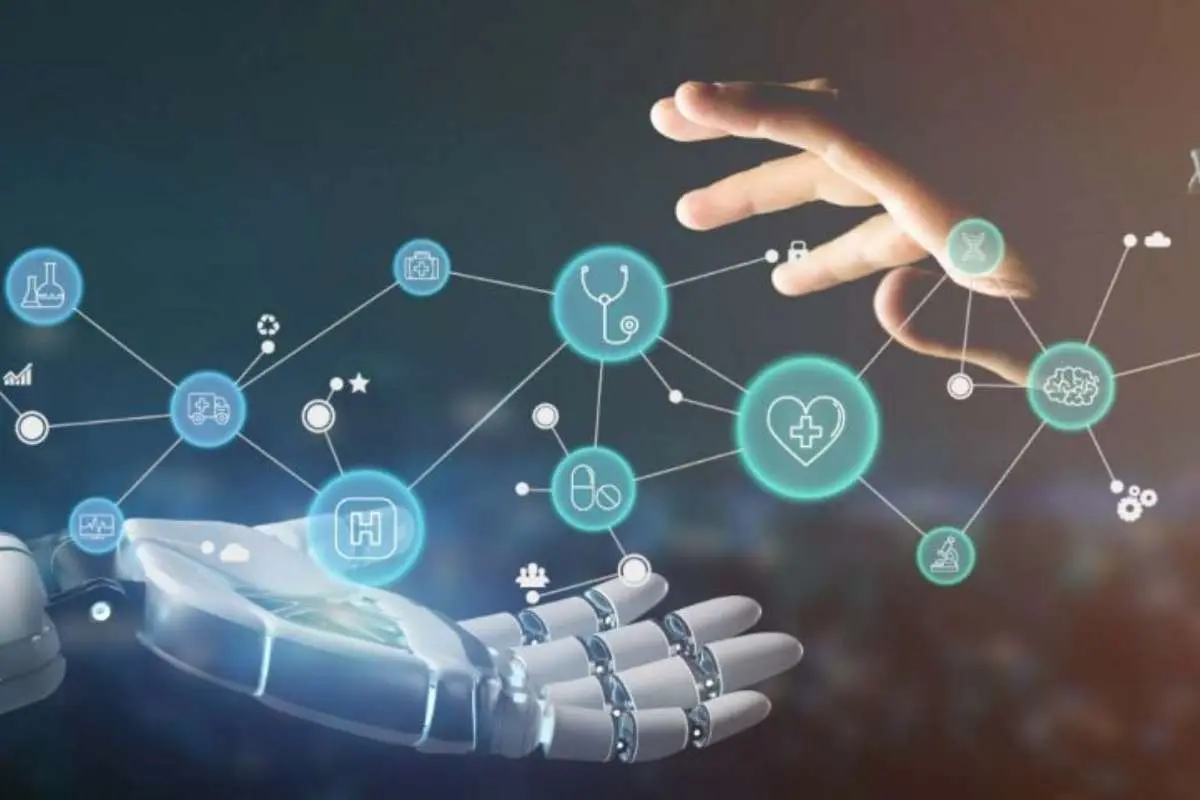
The next phase of data science in healthcare will likely involve deeper connections between clinical records, genomic information, medical images, patient-generated data, and other sources. Precision medicine is one area where this combination is already producing useful research opportunities.
AI and machine learning will remain part of this development, particularly in medical imaging, drug development, clinical research, and decision support. But stronger healthcare analytics will depend on reliable data, interoperability, sound study design, and careful oversight as much as on better algorithms.
The future, therefore, is not simply about collecting more healthcare data. It is about making the right data available to the right people, in the right context, with enough evidence to support a safe and useful decision.
Conclusion
Data science in healthcare supports patient care, medical research, drug development, population health, and healthcare operations, while digital records and connected health tools continue to expand the amount of usable information.
The strongest results will not come from collecting data for its own sake. Healthcare organizations need clear goals, reliable datasets, careful validation, strong governance, and human oversight to turn that information into decisions that genuinely improve care and operations.
Read Next: Services Offered by Data Science UA in the Field of Machine Learning
FAQs
1. Is data science in healthcare only used for patient care?
No. It is also used in drug development, medical research, public health, administrative planning, workforce management, scheduling, and resource allocation.
2. Can data science replace doctors?
No. Data science can support clinicians by organizing information, identifying patterns, and providing decision support, but it does not replace clinical judgment. Healthcare decisions often require context that may not be fully represented in a dataset.
3. What skills are needed for healthcare data science?
Healthcare data science typically combines statistics, data analysis, programming, machine learning, database skills, and knowledge of healthcare workflows. An understanding of privacy, clinical research, and data governance is also important.
Sources: