Even in successful workplaces, performances decline when emotions are not properly understood or managed.
Leaders may remain focused on goals and results, but behind the scenes, communication gaps begin to grow, stress levels rise, and teams start to feel less connected. Over time, this leads to confusion in decision-making, increasing conflicts, and a gradual loss of trust, even when everything appears stable on the surface. The real challenge is often not a lack of skills, but the difficulty in handling pressure, recognizing emotional triggers, and responding thoughtfully instead of reacting impulsively.
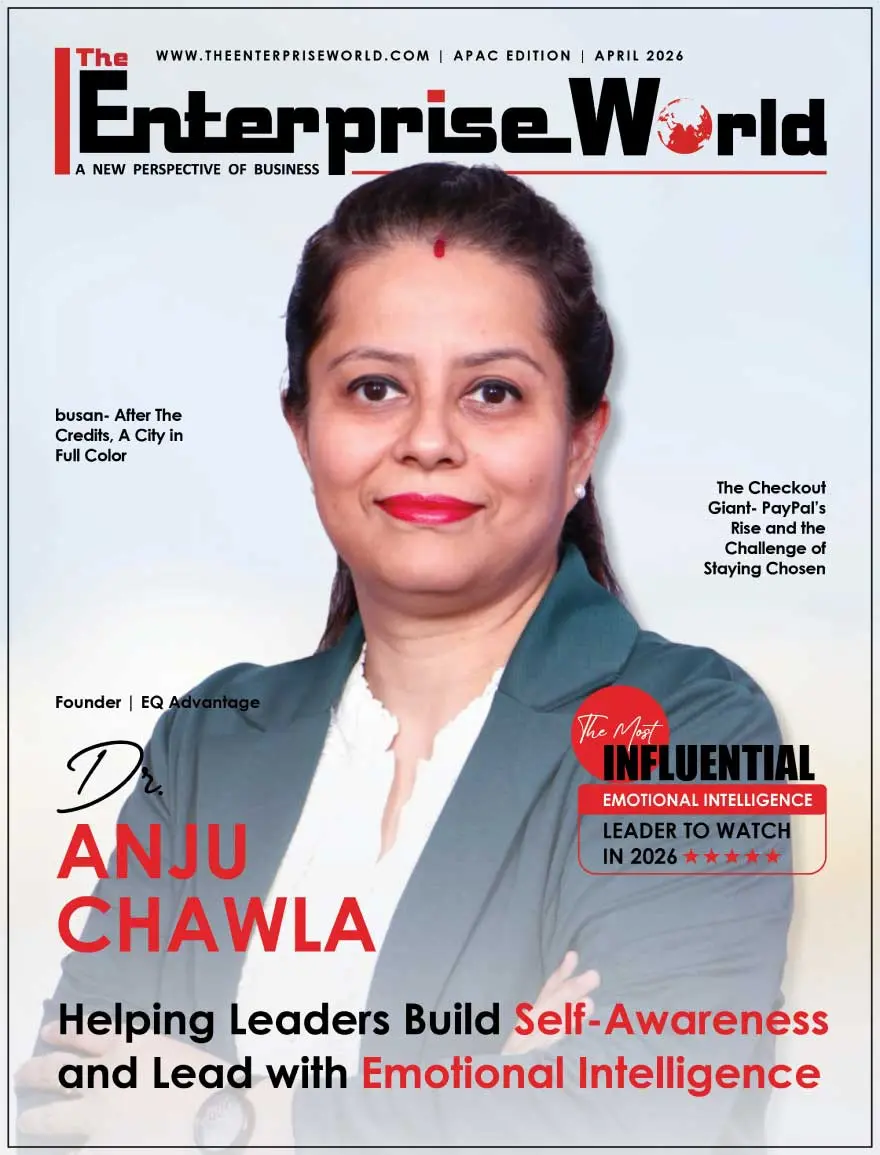
This is where emotional intelligence-based coaching, behavioral training, assessments, and mentoring become essential. Dr. Anju Chawla, Founder of EQ Advantage, focuses on helping individuals and organizations build emotional intelligence as a core leadership capability.
Her work is centered on enabling professionals to:

- Develop self-awareness
- Manage emotions effectively
- Improve decision-making under pressure
By working closely with leaders and teams, she helps identify emotional patterns, strengthen communication, and build more meaningful and productive workplace relationships. Her approach ensures the application of emotional intelligence in real work situations, resulting in enhanced collaboration, a stronger leadership presence, and improved overall performance.
Under her leadership, EQ Advantage has steadily grown into a platform that supports organizations in creating psychologically safe and trust-driven work environments. Through its focused programs and coaching interventions, the company has helped improve team dynamics, conflict resolution, and employee engagement, reflecting a growing demand for more human-centric leadership.
The Spark of Curiosity
Dr. Anju Chawla shares that the journey of EQ Advantage began with a deep and consistent curiosity about human behavior. From the early stages of her career, she was interested in what people do, and more importantly, in understanding why they behave the way they do. She spent years observing patterns, reflecting on emotional responses, and engaging with individuals beyond surface-level interactions, which shaped her perspective on people and performance.
As she worked across roles in HR, academics, and corporate training, she was actively involved in:
- Facilitating behavioral programs
- Mentoring individuals
- Coaching leaders
- Designing assessments
During this time, she noticed a clear pattern that technical skills alone were not enough to drive success. What truly influenced performance, leadership effectiveness, and relationships was emotional intelligence and the ability to manage emotions in real situations.
This realization became a turning point. She identified the need to bring emotional intelligence to the center of professional development, not as an additional skill, but as the foundation of how individuals think, behave, and lead. This vision led to the creation of EQ Advantage, a platform built on years of experience, learning, and practical application.
She emphasizes that EQ Advantage did not start overnight but evolved through consistent effort, deep observation, and a strong belief in the importance of emotional awareness. Today, it serves as a platform where coaching, mentoring, behavioral facilitation, and assessments are all anchored in emotional intelligence to help individuals improve self-awareness, strengthen relationships, and enhance overall effectiveness in personal and professional life.
The Early Days of Doubt
In the early days of building EQ Advantage, the biggest challenge was not about resources or clients, but about gaining belief in the idea itself. Emotional Intelligence was often misunderstood and sometimes dismissed, with many people seeing it as a soft skill or something that was not essential to business success.
Dr. Anju Chawla, however, believed strongly that Emotional Intelligence sits at the core of how people communicate, make decisions, handle pressure, and lead others. For her, behavior, attitude, and relationships are natural outcomes of emotional awareness, not separate skills.
The real challenge was to shift this mindset. Instead of simplifying the concept to make it more acceptable, she chose to stay true to her approach and focus on depth. She invested time in learning, research, observation, and most importantly, applying these ideas in real workplace situations.
Over time, consistent effort and visible results began to change perceptions. As leaders started seeing the direct impact of Emotional Intelligence on performance, decision-making, and team dynamics, their mindset shifted from doubt to interest and eventually to acceptance.
Looking back, the initial resistance became a strength. It helped sharpen her thinking, strengthen her approach, and stay aligned with her belief that Emotional Intelligence is not optional, but a key advantage in today’s people-driven workplaces.

When People Feel Safe, They Show Up Openly and Honestly
Over the years, Dr. Anju Chawla’s approach to emotional intelligence has moved beyond simply understanding emotions to creating environments where people feel safe to express them without fear of judgment. She has learned to separate the individual from the emotion they are experiencing, viewing feelings like anger, anxiety, or resistance as signals rather than labels. This shift has helped her build a sense of psychological safety, where individuals feel heard, respected, and comfortable being themselves.

One of the most important lessons that has shaped her leadership is the realization that when people feel safe, they show up openly and honestly, but when they feel judged, they tend to withdraw. This understanding has guided her to focus on responding to the person rather than reacting to the emotion. As a result, her approach has strengthened communication, improved collaboration, and supported more meaningful personal and professional growth within teams.
Success Story
A powerful example of Dr. Anju Chawla’s impact can be seen in a high-performing team where results were strong, but trust was slowly breaking down. The leader consistently delivered outcomes but often reacted emotionally, which began to affect team confidence and open communication. Instead of correcting behavior at the surface, the focus shifted to building awareness. The leader learned to recognize emotional triggers, pause, and respond more thoughtfully. At the same time, the team was encouraged to share their thoughts in a safe and open environment.
A key turning point came when the leader acknowledged the impact of their reactions and chose a more intentional approach. This simple shift helped rebuild trust, improve communication, and strengthen collaboration, proving that while performance keeps a team running, trust is what truly helps it grow.
Growth Is Driven By Collaboration Rather Than Competition
At EQ Advantage, growth is driven by collaboration rather than competition. Dr. Anju believes that real and lasting progress comes from working with like-minded partners and creating value together, instead of working alone. This approach has led to ongoing discussions and early-stage collaborations with organizations that share a similar vision of building emotionally intelligent workplaces. At the same time, she values trust and maintains confidentiality, choosing not to share details until everything is officially confirmed. Her focus is on building strong and meaningful partnerships that help expand the reach of the work while creating a deeper and more lasting impact, with the belief that growth is always stronger when achieved together.
The Rise of Emotionally Intelligent Work Cultures
Dr. Anju Chawla believes that emotional intelligence is no longer optional but has become a core requirement for effective leadership. As workplaces continue to evolve, becoming faster, more digital, and increasingly driven by technology, she emphasizes that the real difference will not come from knowledge or information alone, but from how well leaders understand and manage people and emotions.
She highlights a few important shifts that are shaping the future of leadership:
- A move towards human-centric leadership, where building trust, understanding emotions, and creating safe environments are key
- The rise of coaching-led cultures, where leaders focus more on listening, guiding, and developing people rather than simply directing them
- A growing focus on inner work, where self-reflection and self-awareness are becoming essential for personal and professional growth
She believes that the leaders who will stand out in the future are those who are self-aware, open to learning, and able to balance logic with empathy, leading with clarity and understanding.
Media Recognitions and Awards
Dr. Anju Chawla’s consistent work and growing impact in the field of emotional intelligence and leadership have earned her recognition across leading industry platforms and publications:

- Businessconnectindia Global Icon Award 2025: Recognized for her impactful contribution to leadership and advancing emotional intelligence in business.
- Businessconnectindia Dr. Anju Chawla: Highlights her role in shaping modern leadership through emotional intelligence.
- Indianspeakerbureau Anju Chawla | Leadership & HR Strategy Speaker: Showcases her as a trusted speaker in leadership, HR strategy, and emotional intelligence.
- Womenentrepreneurindia: Features her work in enabling personal and professional breakthroughs through emotional intelligence.
- Most popular stories Interview with Dr. Anju Chawla’s emotional intelligence influencer: Shares her insights on emotional intelligence as a key driver of leadership and growth.
- Voices of Clarity – India’s Leading Executive Coaches Redefining Emotional Wellness at Work in 2025: Dr. Anju Chawla is featured as a leading executive coach, recognized for architecting emotional wellness and bringing clarity to leadership in India’s corporate landscape.
- From Quiet Curiosity to Transformative Calling – Conglomerate Magazine: Dr. Anju is highlighted as a transformative leader redefining workplace success through emotional intelligence and building emotionally empowered organizations.
Advice For Emerging Leaders, Entrepreneurs, and Industry Professionals
Dr. Anju advises that emotional intelligence is no longer a choice but a core leadership skill. As technology continues to advance and the pace of work increases, what will truly set leaders apart is their ability to connect with people through empathy, awareness, and trust. She emphasizes that the leaders who will stand out are those who can balance the use of technology with a strong human approach, building meaningful relationships while driving performance.

Creating a Culture of Awareness and Open Communication
Dr. Anju Chawla maintains and strengthens her emotional intelligence by focusing on perspective and continuous self-awareness in her daily life. She believes that emotional intelligence grows stronger when one consciously observes, listens, and seeks to understand situations more deeply. In practice, she applies this by pausing before reacting, reflecting on her own behavioral patterns, and staying open to feedback.
In her professional environment, she encourages her team to follow the same approach by creating a culture where listening, reflection, and honest conversations are valued. She emphasizes that growth comes from awareness, and when individuals become more mindful of their thoughts, emotions, and actions, they naturally develop stronger emotional intelligence over time.
Quick Takes
1. One tool or app you would recommend to professionals in your industry:
I recommend using Generative AI as a coaching companion to support reflection, practice conversations, and reframe thinking in real time.
2. One quote that motivates you the most:
In coaching, your inner silence matters; just be and be just.
3. One piece of advice you would offer to upcoming entrepreneurs or future business leaders:
Do not just build a business, build yourself because your emotional intelligence shapes how you lead and sustain success.

Dr. Anju Chawla’s 5 Impactful Business Mantras
- Emotional intelligence is not optional; it is the foundation of effective leadership and decision-making.
- Real growth begins with self-awareness, understand your patterns before trying to lead others.
- Do not react in pressure situations, pause, reflect, and respond with clarity.
- Strong performance comes from strong relationships built on trust, communication, and psychological safety.
- Do not just focus on external success; invest in inner growth to sustain long-term impact.