
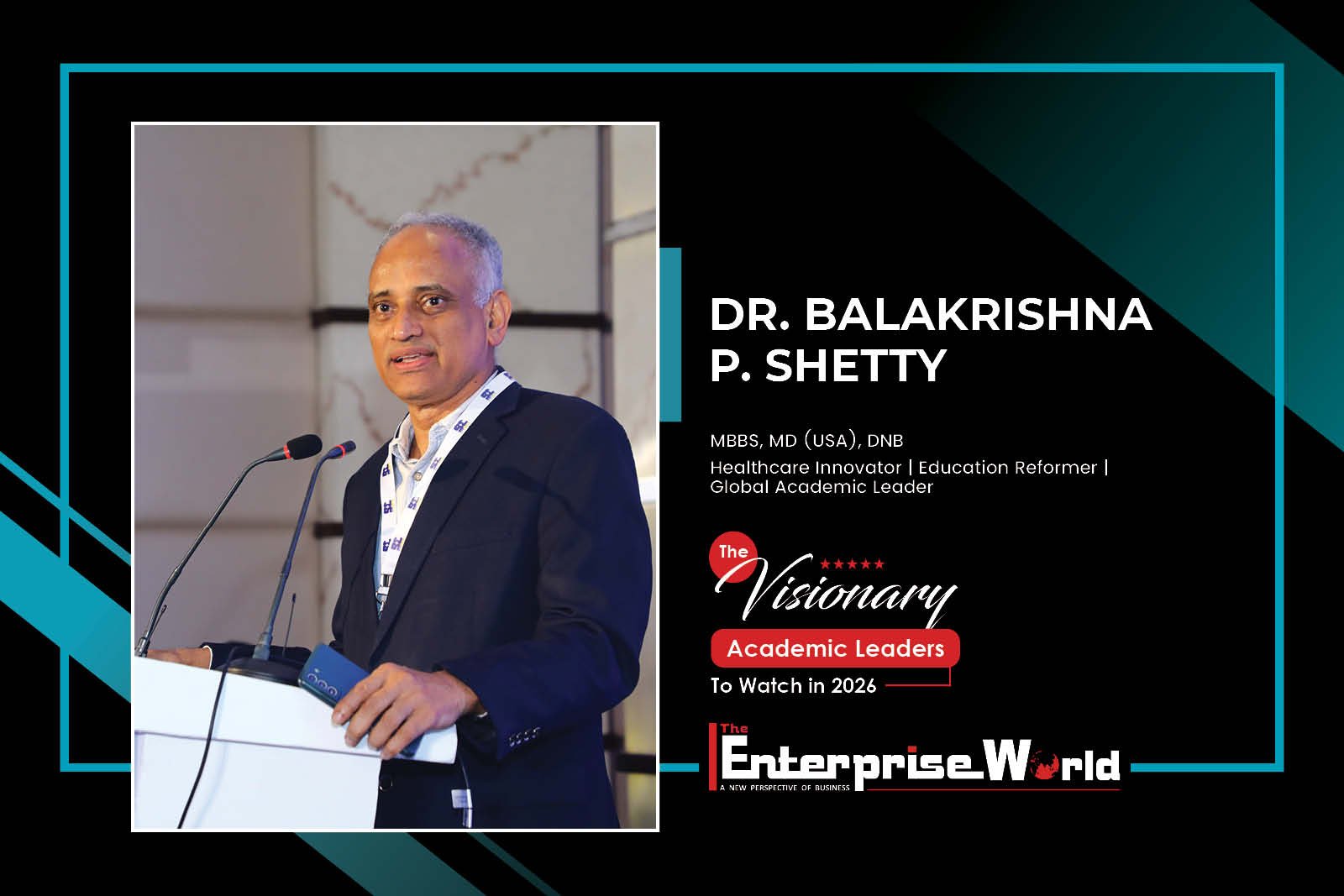
Healthcare Innovator | Education Reformer | Global Academic Leader
Q: Dr. Balakrishna Shetty, how would you describe your leadership journey?
A: My journey spans over three decades across medicine, higher education, and institutional governance. I was the youngest Vice Chancellor of a medical university and have served as Vice Chancellor and Pro-Chancellor for over 12 years across two states. My leadership experience includes accreditation journeys, the establishment of new universities and schools, mergers and acquisitions of healthcare centers, and international collaborations.
Leadership, to me, is not positional—it is transformational and innovative, resonating with the transformative changes in technology.
Q: Could you highlight some of your institutional milestones?
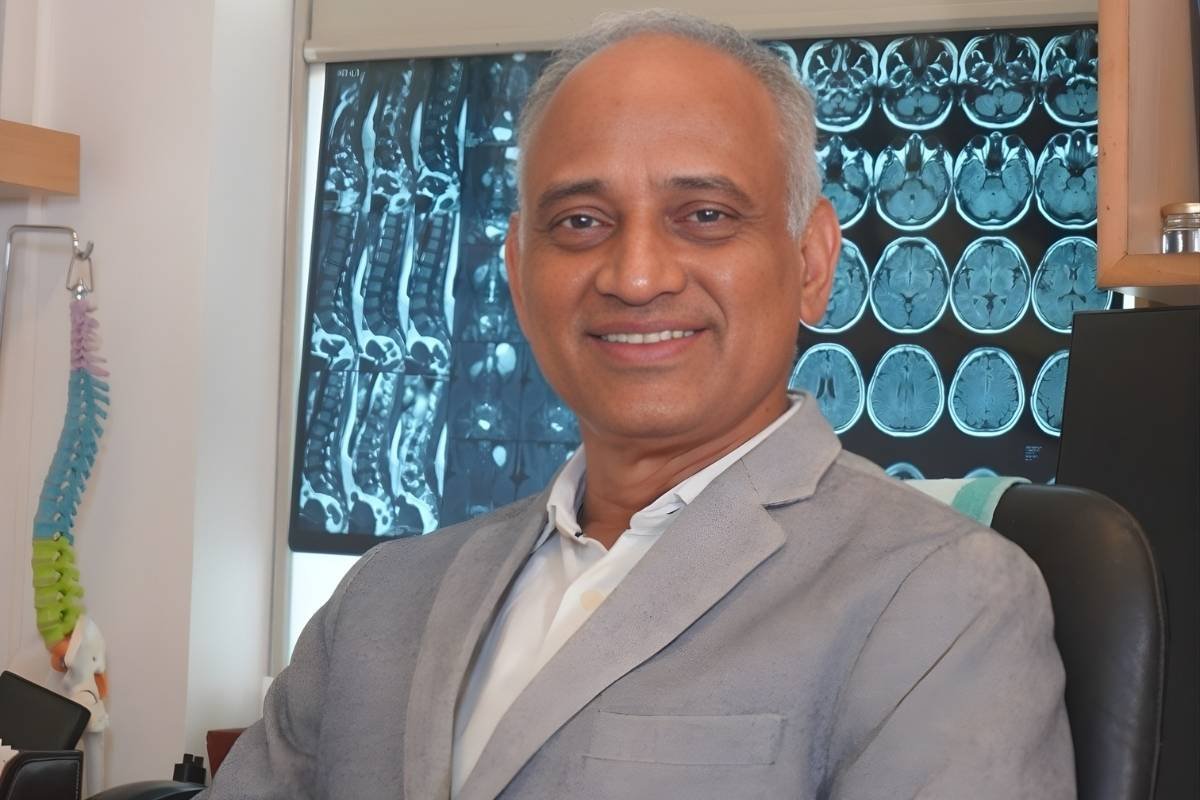
A: Key milestones include:
Establishing New Deemed-to-be Medical Universities, New Medical Colleges, and Diagnostic Centers in India and Abroad, including AI-based Teaching, learning, and Diagnostics.
Establishing a second medical college and guiding it from the NAAC C category to the prestigious A-grade.
Introducing flagship initiatives such as University Social Responsibility and Intellectual Aatma Nirbharta.
Driving internationalization through engagements with the WHO, UN platforms, and Central Asian countries for academic mergers and revival of institutions.
Q: Dr. Balakrishna Shetty, you are known for pioneering innovative, learner-centriceducation for the 21st century. What distinguishes your approach?
A: Dr. Balakrishna Shetty said My pedagogy focuses on psychological safety, student empowerment, and experiential learning. I emphasize extracting every student’s potential and transforming anxiety into excitement.
Some key innovations include:
GRASP (Answer First–Discuss Next): Students prepare answers before class, driving interactive discussions. This model has been presented internationally and adopted by multiple universities.
DSF Model (Development–Structure–Function): Integrates embryology, anatomy, and physiology into a single conceptual framework, instead of teaching them separately at separate time lines.
Online Modular Hands-On (OMH) Learning: A three-stage skill pathway combining digital preparation, simulation labs, and real-world clinical exposure.
COURSEXA: A digital remediation platform for slow learners, soon after their examinations, where they could not perform well.
Credits for sincere incorrect answers: Encouraging exploration without fear.
Micro-teaching: Every student teaches briefly in class, building leadership and confidence. AI-driven personalized learning, VR/AR simulation, digital anatomy, and virtual patients. These innovations are grounded in neuroscience-informed teaching principles.
Q: Which are your transformative changes in diagnostics?
A: Dr. Balakrishna Shetty said, These are all implemented in my diagnostic center, ISHA Diagnostics, Malleshwaram, Bangalore (ishadiagnostics@gmail.com). We have introduced online appointment systems, cost-effective MRI services, telemedicine, and day-care–based cancer and regenerative therapies. Key initiatives include:
No Radiation Imaging Technologies, including whole-body MRI and PET to detect any disease focus in the human body, including cancer, without Radiation and Injection. It provides immense benefit for pregnant women and children, very cost-effective compared to PET CT.
Good Bad Ugly classification in Diagnostics: Any disease identified clinically, or by imaging, will be classified into a Good Lesion – just ignore or follow up; Bad lesion – treat them with Medicine or additional tests/ follow up to see how it evolves; Ugly lesion: Remove them as early as possible without doing further tests.
Know My Health platform: Patients to upload their Health reports, tests, scans, and receive integrated diagnostic guidance.
Pay-what-you-can: Ensuring equitable access through QR-based payments as per the patient’s financial capability. The actual bill is given to the patient, but all scans, including total body MRI, will be done, at any amount paid by the patient.
Q: Dr. Balakrishna Shetty, how have you transformed therapeutic care?
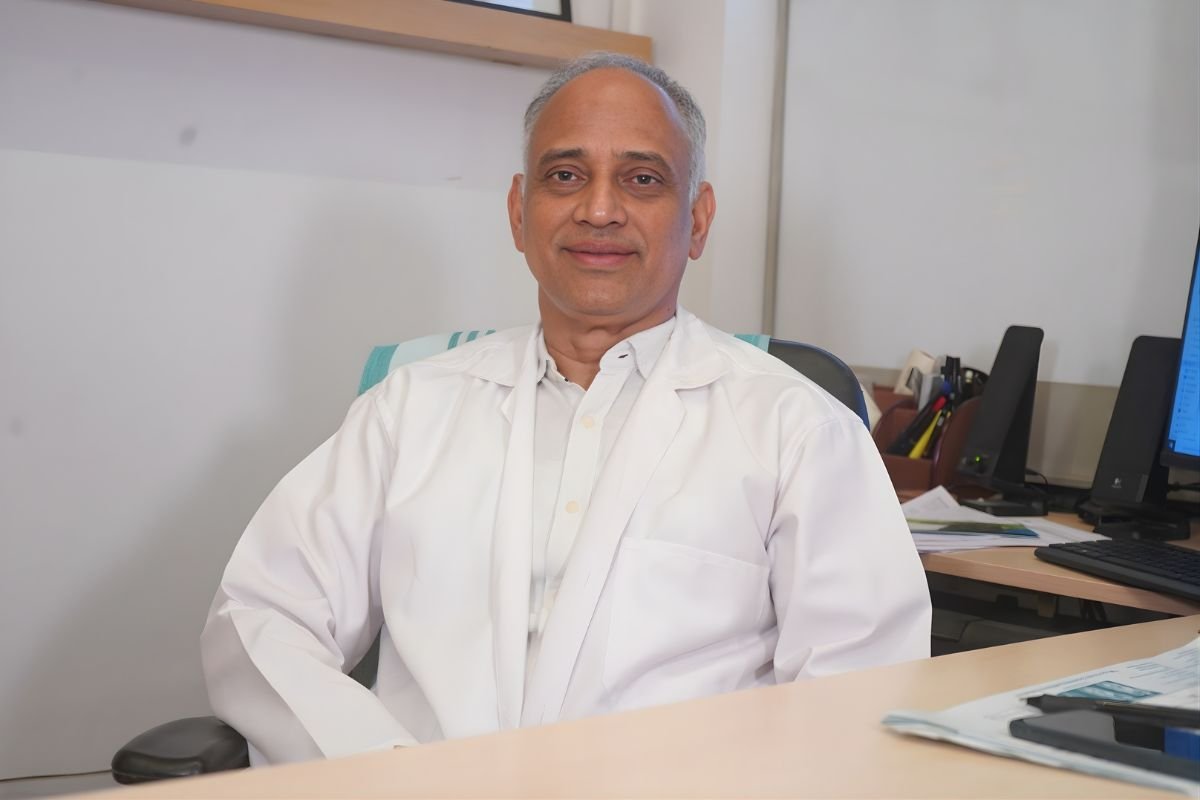
Revolutionized Cancer care by introducing Day-care immunotherapy. This is a methodology to enhance patients’ own immune system to destroy cancer cells/ degenerative cells, and rogue cells in the human body. Stem cell therapy and Dendritic cell therapy.
Q: You have been a very nationalistic human being, proposing that education and Health should help Indian patients, instead of copying everything from the West. Also a strong proponent of Intellectual Aatma Nirbharta. Can you explain briefly?
A: It is India’s intellectual self-reliance—asserting the strength of Indian education and research globally. This includes:
Defending Indian research through evidence-based responses to Western media: Started an exclusive wing called D.I.R.E ( Defense of Indian Research and Education) comprising Professors/ faculty and students to rebut any Western article, demeaning Indian achievements in education and healthcare.
Promoting Indian publications and reducing over-dependence on Western journals. Focusing Indian health priorities in curricula. Establishing international research centers within Indian campuses. Social Impact and Community Health.
Q: You are a strong proponent of WORKATHON, not just Walkathon or Marathon. How have you incorporated Social work with Education? Can you explain this unique project?
We have started what is known as University Social Responsibility (USR), where students enhance their intellectual energy through various social projects. Some of the Flagship projects include:
- Safe delivery initiatives in tribal regions.
- Nurse and physician assistant programs empowering 10+2 girls.
- PLEASE project—students teaching in rural schools.
- GREEN Graduation—Medical students, plant a sapling during the first year of their course, take care of it throughout their 5-6 year course. The picture of the grown plant will be printed on their graduation certificate. This is known as the Green Graduation of adopting trees as you graduate.
Q: You have a unique method toreduce the menace of drug abuse in Colleges. Can you highlight that?
At the time of Induction of the Medical students, the Vice Chancellor has to address the parents. That time I insisted that every student speak to their mother every day, after dinner, and talk essentially non academic issues such as food, friends, entertainment, arts, culture, and sports activities. This establishes a special vibration between mother and child, staying far apart, and reduces the tendency to indulge in drug abuse. We have observed a tremendous behavioral change in students who speak to their mother every day.
Q: You often integrate spirituality with science and health care. Why?
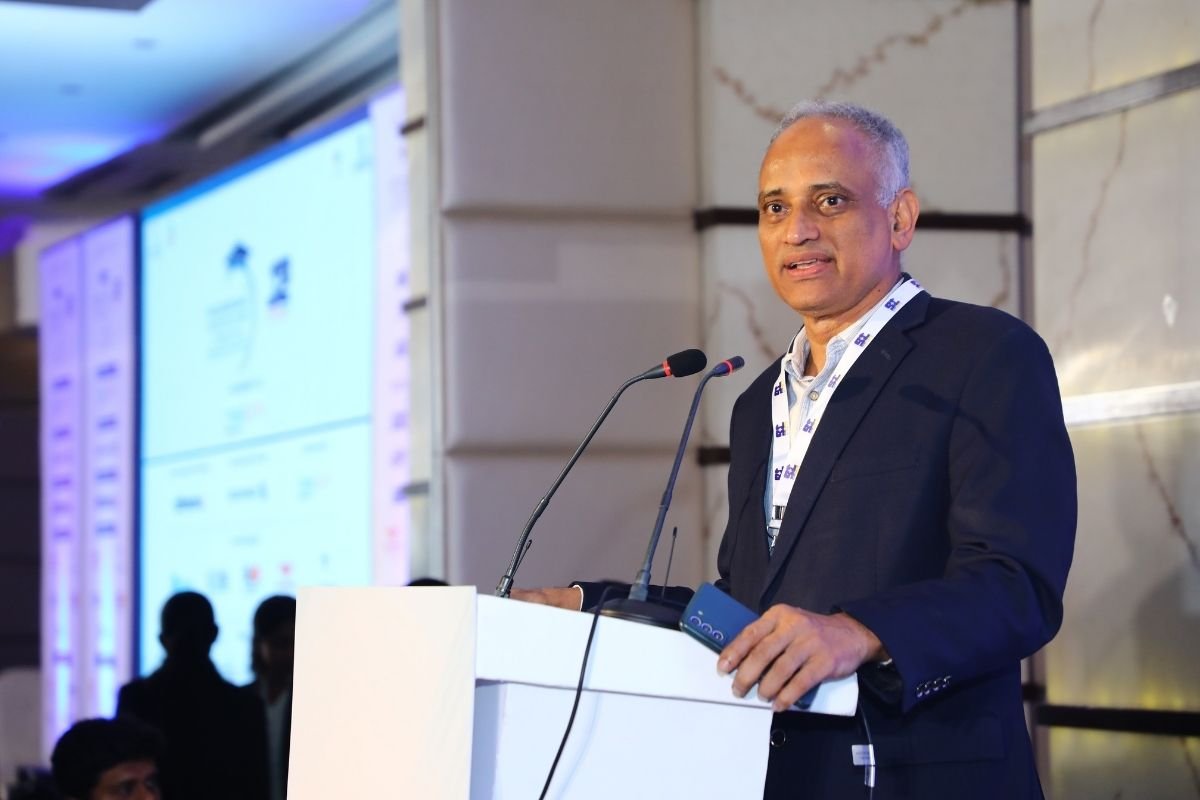
Because health is holistic. Dharma, service, meditation, and natural living profoundly influence well-being. I regularly speak at spiritual institutions and healthcare platforms, emphasizing that selflessness and purpose enhance physical and mental health. Spirituality enhances the confidence of students to learn and perform.
Q: You worked extensively COVID pandemic and saved many families with your unique COVID treatment modalities. Please update. How did you respond during the pandemic?
Essentially, I focused on evidence-informed natural living, telemedicine, public awareness, and academic continuity. Initiatives included:
Online consultation through Tele Medicine to enhance their oxygen saturation, confidence, and immune response. Protecting the T zone, by smearing pure oil around the nose and lips, Hot water gargling, Yogasana, Pranayama such as Makarasana to enhance oxygen saturation, regular fasting, enhance the energy to fight the viruses were some of the innovative and simple methodologies.
Public education through national media. Organized international conclaves to fine-tune vaccine utilization. Digital X-ray and CT for quick, accurate diagnostics/ management.
Q: You are active internationally. What has been your global focus?
I have spoken at the WHO, World Bank, USAID, CUGH, and UCL, advocating GLOCAL healthcare—global knowledge with local implementation. My work focuses on telemedicine, affordable care, and education reform.
Q: Dr. Balakrishna Shetty, How do you define success as a leader?
Success is institutional resilience, student empowerment, patient outcomes, and societal impact—not personal recognition.
Q: What legacy would you like to leave behind?
Institutions that are globally respected, technologically advanced, socially responsible, and deeply humane—where future generations learn to serve with knowledge, integrity, and compassion.












