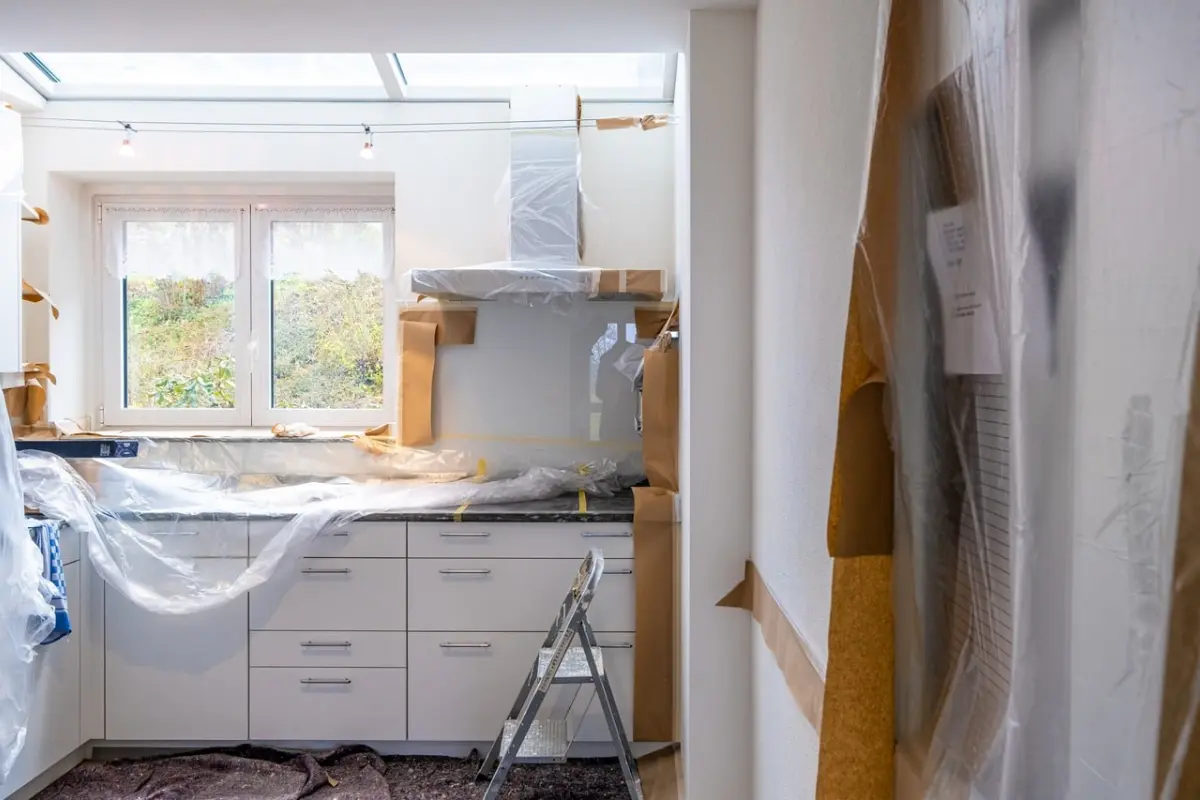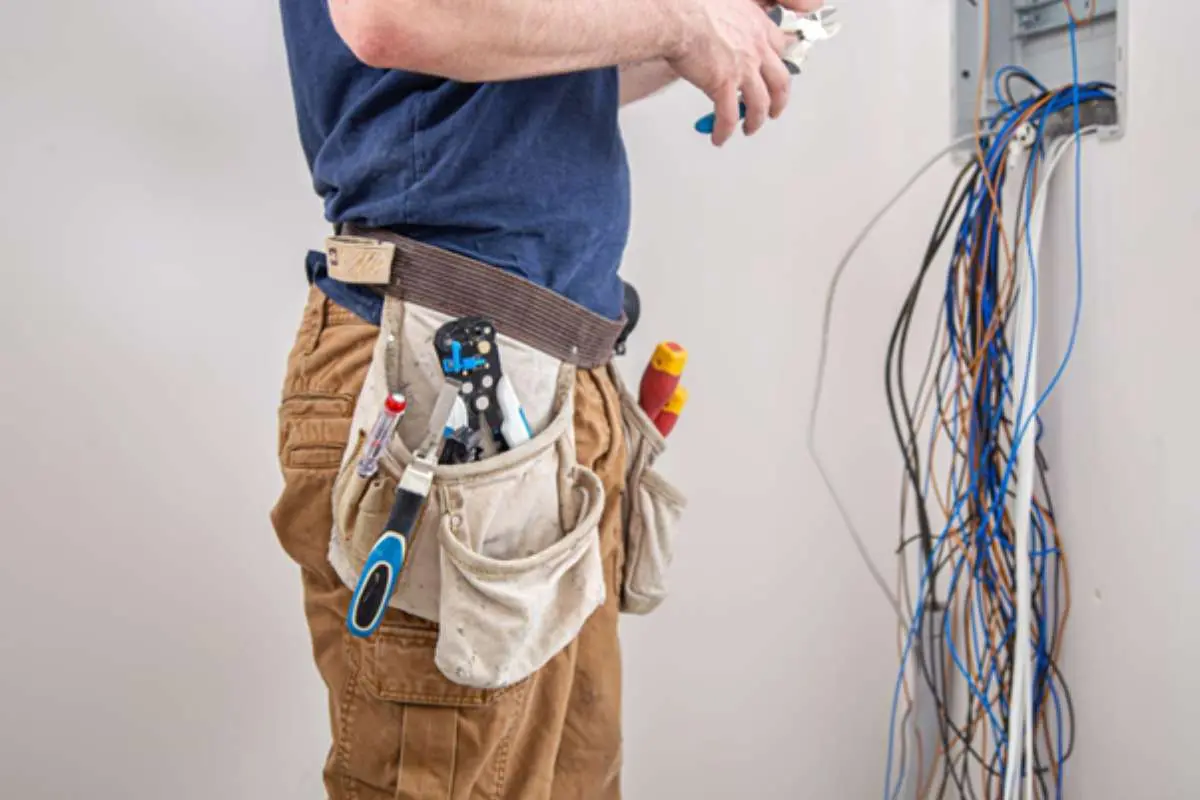
Nobody budgets for a dead outlet. On a Sunday morning, the breaker trips, a switch plate gets warm between your fingers, and by that evening, you’re using a flashlight in your other hand to browse reviews for an electrician in San Jose, California. Understanding electrician cost beforehand can make it easier to compare quotes and avoid unexpected charges.
The numbers aren’t really a secret. They’re just scattered across a hundred quote pages, and they shift depending on where you live, what’s hiding behind your drywall, and how fast you need somebody there. Two homes on the same street can get bids $600 apart for the same job. That’s normal, and it’s usually explainable.
How much do common electrical jobs cost?
Small work stays small. Electrician cost varies depending on the type of job, the materials required, and whether new wiring is needed. After deducting the travel charge, replacing a standard outlet or switch typically costs between $120 and $250, with GFCI/AFCI or smart devices often costing more. Installing a ceiling fan at an existing fixture typically costs $150–$400, and up to $500+ if new wiring or a switch is needed. The cost of installing a new dedicated circuit typically ranges from $250 to $900, and can exceed $1,000 for long runs or complex access.
Panel work is where people wince. A 200‑amp panel replacement typically costs $1,500–$3,000; a full 100A→200A service upgrade (panel + meter/riser as needed) often lands at $2,500–$5,000+.
What factors affect the cost of an electrician?
Geography does most of the damage. An electrician’s hourly rate often falls around $80–$120 in smaller markets and can exceed $150–$200 in high‑cost metros.»
Geography does most of the damage. Electrician cost can vary significantly depending on where you live, with an electrician’s hourly rate often falling around $80–$120…
After that, it’s access and age. Finished basements, plaster walls, attics you can’t stand up in: all of it adds billable hours. The individual writing your quote is aware of the differences between a 2015 house and a 1940s one with knob-and-tube wiring before he leaves the crawl area. From then, local inspection and permitting regulations compound.
More than most people realize, timing is crucial. Evening, weekend, and holiday calls typically cost time-and-a-half in addition to an additional travel fee.
What additional costs should you expect when hiring an electrician?
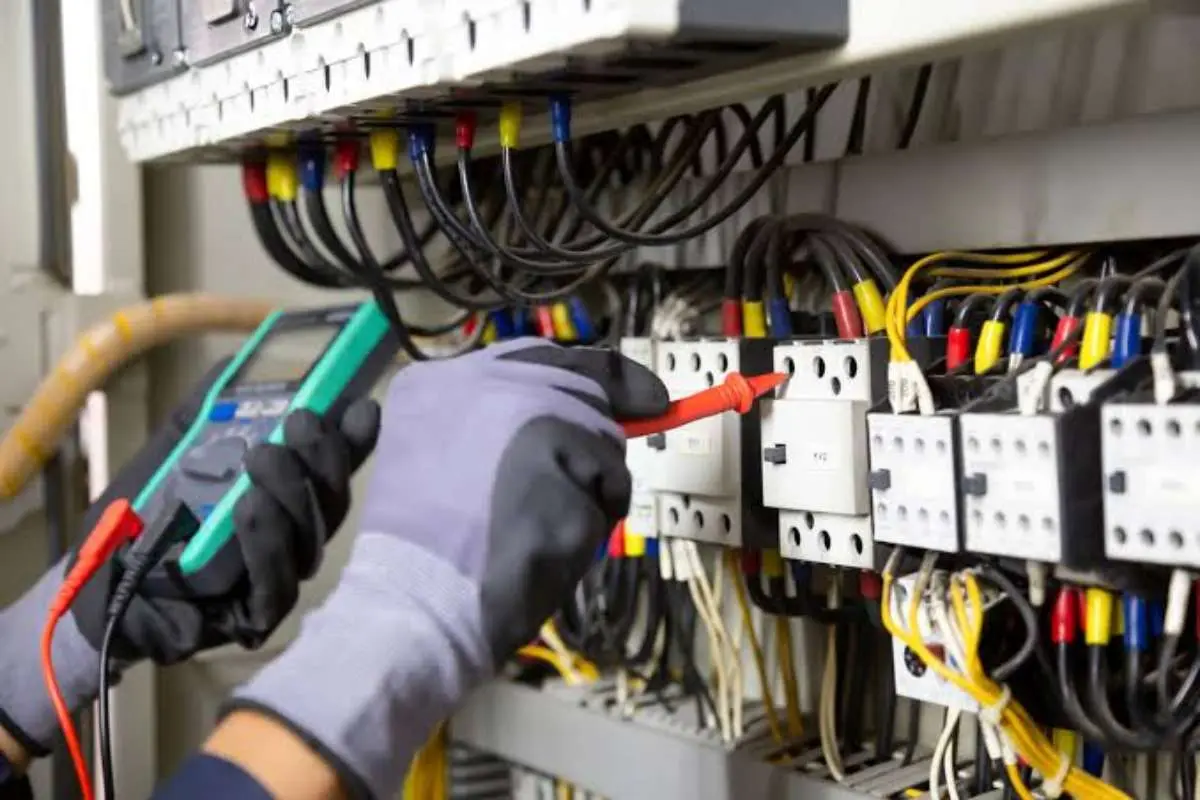
These additional charges can significantly increase the overall electrician cost, particularly when permits, materials, disposal, or repair work are involved.
The quote isn’t always the whole bill. Permits typically run $50–$500 depending on the city; in some areas, permit plus separate inspection fees can push total permit costs higher. Materials carry a markup, which is standard practice, though asking about it is fair game.
The line items that catch people off guard are quieter ones. A minimum service charge, for instance, since plenty of shops bill a full hour for fifteen minutes of actual work. Disposal fees for an old panel. Drywall repair, too, because most electricians cut the hole and leave. Patching it is someone else’s job and someone else’s invoice.
How can you estimate the cost of an electrical job?
Start with scope, not price. To estimate electrician cost accurately, start by listing every task that needs to be completed. Write down every task, room by room, then have three licensed pros walk the house. A ballpark over the phone is close to worthless, since nobody’s actually looked at your panel yet.
One basic estimate that stays true is that labor often makes up 60 to 70 percent of the entire cost of residential work, with supplies making up the remaining portion. Before signing anything, find out what’s going on if a bid significantly changes that ratio in either direction.
How can you avoid overpaying for electrical work?
Bundle. Six small tasks completed in one visit are substantially less expensive than six separate appointments because that minimal payment only applies once.
Put everything in writing, including the scope, materials, permit puller, and whether the cost is hourly or fixed.
At least three bids should be gathered, and the lowest one should be handled with caution, particularly if no one was present to view the property.
Unlicensed work looks cheap right up until an insurer denies a claim over it, and that does happen.
When is it worth paying more for an electrician?
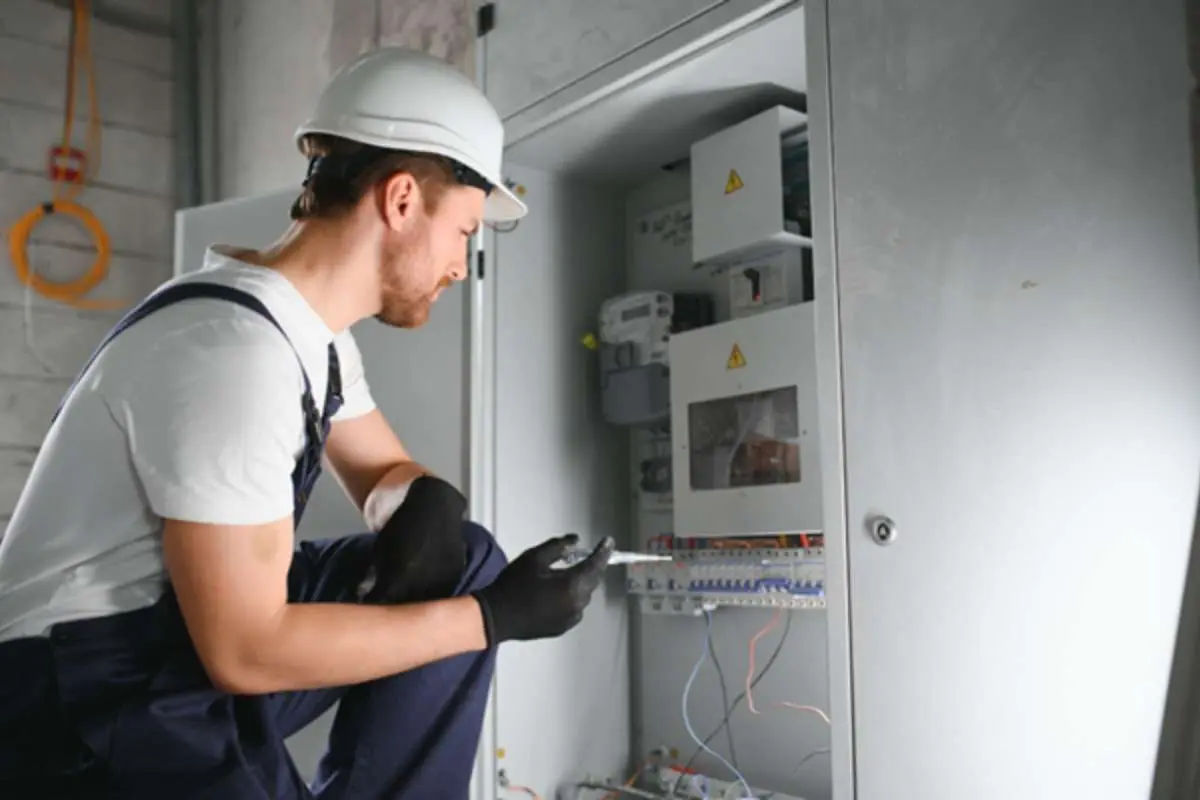
Panel upgrades. EV charger installs. Anything touching the meter or the service entrance. Those are the jobs where a shortcut quietly reappears two years later as a scorch mark behind a wall plate.
Higher electrician rates usually buy something real: a master license, actual liability insurance, a written labor warranty, and a company that still answers the phone next spring when a GFCI starts tripping. Cheap and licensed is great. Cheap and unlicensed is a bet placed with your own house.
In conclusion:
Electrical work is one of the few household expenses where the cheapest option can end up being the most expensive one. Total electrician cost has far more to do with your home’s age and your zip code than with any national average you’ll find online.
So do the boring thing before anything breaks: pay for a basic safety inspection while everything still works. A basic electrical safety inspection typically costs $100–$300; it identifies priority issues but isn’t a full engineering audit. That trade usually pays for itself.