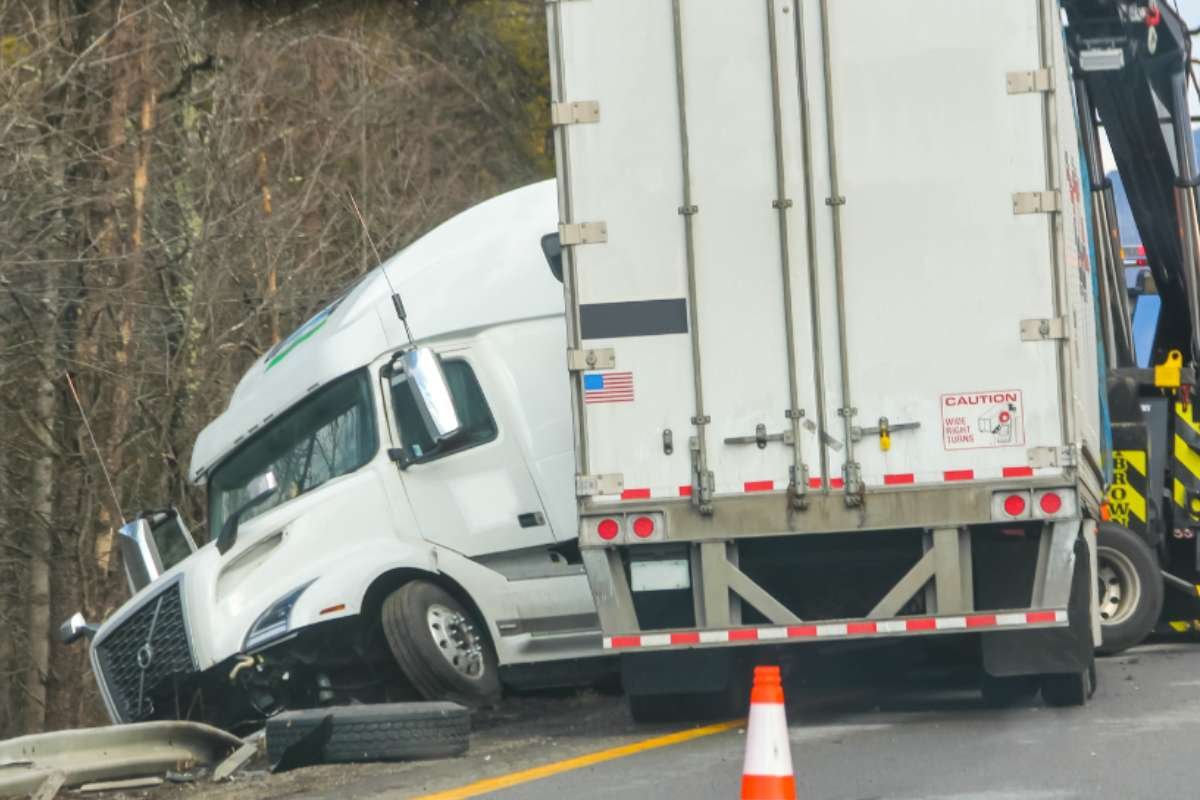
When everything is going well for your business, an employee DUI can feel overwhelming. You might naturally wonder about employer liability for employee DUI and whether you can be held accountable The answer will hinge on the details of the situation, plus state laws.
Do companies face liability for employee DUIs? Read this article as we unpack the answer.
Distinguishing Between a DUI and DWI
First, make sure you’re clear on what differentiates a DUI from a DWI. While both designations refer to driving while impaired, some differences can impact penalties.
With a DUI (Driving Under the Influence) situation, typically, the blood alcohol concentration (BAC) and general impairment are lower than levels defined for a DWI. Likewise, the penalties for a DUI tend to be less harsh.
With a DWI (Driving While Intoxicated), by contrast, the BAC level will be higher, though the exact number depends on state laws. It’s best to check state laws to understand established BAC limits and know what the legal penalties look like.
Understanding Negligent Entrustment

As an employer, it is crucial to remain aware of how an employee’s DUI can implicate your company, as understanding employer liability for employee DUI is essential for taking preventative action to limit potential legal risks.
If you have employees driving company vehicles, make sure you’re confident that they are well-trained, responsible drivers. Knowingly letting a driver with a questionable history drive company vehicles can make the company legally responsible for accidents.
Maybe an employee has a track record of DUI arrests, speeding tickets, or other examples of reckless driving. These are all red flags that should cause you to sideline an employee from driving privileges. But if you’re letting them drive, you could end up with a negligent entrustment situation.
Negligent entrustment is meant to keep other individuals on the road safe. As a company leader, knowing that this policy exists may make you think twice about which employees get behind the wheel.
Considering the Scope of the Job
When evaluating a DUI case, law enforcement will want to know if the employee was driving the vehicle as part of their job responsibilities. Perhaps an employee was delivering food across town or meeting with a client. In these scenarios, you may be liable for the accident.
On the other hand, if an employee is driving to leave work or run a personal errand, then the company may not be held responsible.
In short, it’s important to know that, as an employer, you can be legally tethered to situations where your employee acted poorly. Through vicarious liability, you would be responsible when an employee gets a DUI on the job.
Factoring in the Vehicle
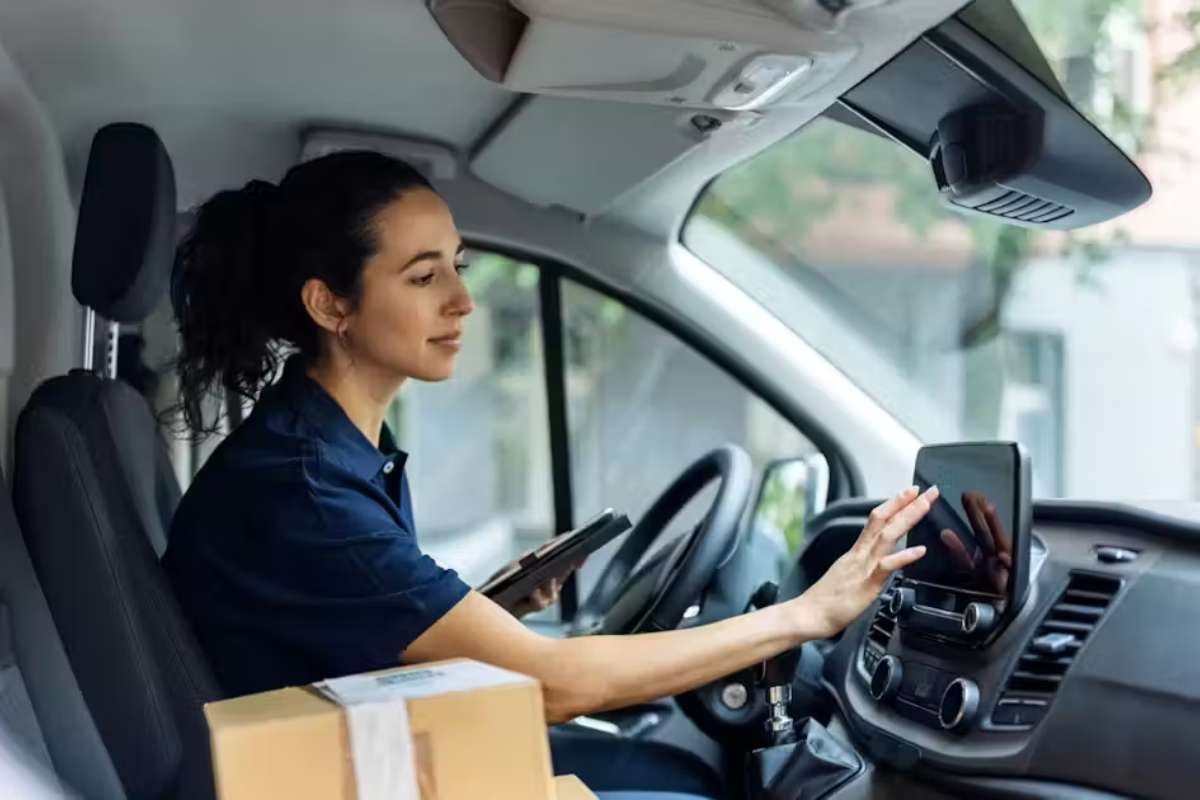
Did the DUI occur in a company or personal vehicle? The answer to that question can impact your company, too.
With personal vehicles, your company may not be as liable. This is particularly true if the employee was driving for a reason unrelated to job duties. But when an employee is using a personal vehicle to visit a jobsite or other work-related task, your company is more liable.
When a company vehicle is involved, you can expect that your company will be more clearly connected. Ultimately, though, no two situations are identical, and the courts will carefully review the circumstances.
Partnering with an Attorney
When considering employer liability for employee DUI, it is important to recognize that regulations vary significantly by state. States like Arizona and Alaska are known to have especially strict DUI laws, for instance. Those involved can expect higher fines and ignition locks.
North Dakota and Wyoming, on the other hand, are more lenient. It’s best to seek legal help to navigate a DUI situation from a lawyer in your area. They’ll be most familiar with the laws in your state and understand your best path to avoid hurting your reputation and paying large fines.
If you’re in Texas, strict penalties and a legal limit of 0.08% BAC govern the DUI process. You don’t want to be blindsided by a bad outcome, so partner with a Friendswood drunk driving attorney. They can help you move forward and communicate on your behalf.
Finding Ways to Reduce Risk

Companies can be proactive about lowering risk through several means. For starters, it’s smart to conduct an MVR check before letting anyone behind the wheel. This check can reveal previous DUIs and other driving violations.
You should establish driving policies and train all drivers. There should be refresher training required of all drivers, as well. And be clear about the consequences if anyone does drive under the influence.
Lastly, use GPS and sensors to monitor your drivers. You can check their braking habits and see if they’re speeding. You can also track their location and see if they are straying from their job responsibilities.
Looking at Liability
Even if your company has an excellent reputation, you can be held accountable for employer liability for employee DUI incidents. Not every situation is identical. But in moments where an employee is driving a company vehicle to perform job-related tasks, you’ll definitely be at risk.
Make sure to work with a local attorney to handle these situations. And work to enact proactive measures that can ensure your employees are prioritizing safe driving habits.