Key Takeaways
- FCC removes TV ownership cap, ending the 39% audience reach limit for television ownership
- New case-by-case review replaces fixed ownership limit rule
- Media companies gain flexibility to expand national broadcast reach
The Federal Communications Commission has voted to eliminate a long-standing cap on television ownership, allowing companies to expand their reach across U.S. households without a fixed percentage limit. The decision marks a structural shift in broadcast regulation and could influence consolidation trends in the media sector.
Policy change and ownership framework
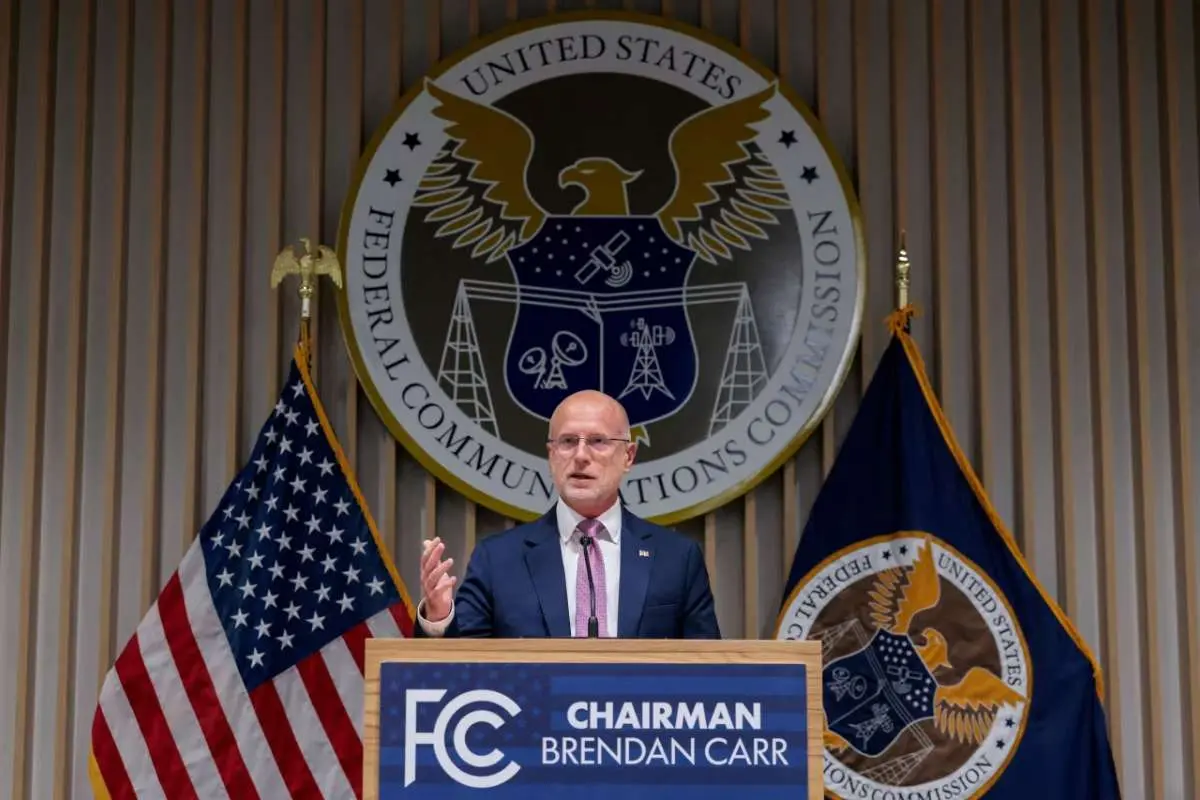
In a 2-to-1 vote, the commission repealed a rule that restricted companies from owning television stations reaching more than 39% of U.S. households. The rule had been in place since 2004 and remained unchanged for over 2 decades.
Under the revised framework, ownership decisions will now be evaluated on a case-by-case basis rather than through a fixed numerical threshold. This approach introduces flexibility for companies seeking to expand their broadcast footprint.
The removal of the cap alters the operating environment for television broadcasters, particularly those aiming to scale operations across multiple markets. The earlier restriction had limited expansion once companies approached the 39% reach threshold, regardless of market conditions or competitive factors.
Industry impact and market implications
The decision is expected to influence consolidation activity in the broadcast industry. Following the move, the FCC removes TV ownership cap. Companies can now pursue acquisitions and network expansion strategies without being constrained by a fixed audience cap.
Nexstar Media Group, currently the largest owner of local television stations in the U.S., stands to benefit from the regulatory change. The company is in the process of acquiring Tegna in a deal valued at $6.2 billion. If completed, the combined entity would reach at least 60% of U.S. households, significantly exceeding the previous cap.
The removal of the ownership limit enables companies to pursue scale-driven strategies, which may include network expansion, content distribution optimization, and operational efficiencies. Larger reach can also improve advertising revenue potential and strengthen negotiating positions with content providers and distributors.
For business stakeholders, the development highlights how regulatory changes can reshape industry structures. The shift from a fixed cap to a flexible evaluation model allows companies to align expansion strategies with market opportunities and financial objectives.
At the same time, the case-by-case approach introduces a different layer of assessment, where individual transactions and ownership structures will be reviewed based on specific factors rather than a uniform rule.
The change reflects evolving dynamics in the media landscape, where traditional broadcasters compete with digital platforms and streaming services for audience share and advertising revenue. Increased scale may help broadcasters adapt to these competitive pressures.
Overall, the decision signals a transition toward a more flexible regulatory framework, enabling media companies to expand reach and consolidate operations in response to changing market conditions.
Sources:
https://www.politico.com/news/2026/08/06/fcc-plows-ahead-with-scrapping-tv-ownership-cap-01027287