
The first year of university is defined by adjustment. New academic expectations, unfamiliar social environments, and independent living all converge at once. Where a student chooses to live during this transition has a measurable effect on their daily routine, engagement levels, and overall well-being. For First-Year University Cohorts, proximity to campus is not simply a convenience; it reshapes time use, study patterns, and participation in university life in ways that are especially significant during the first year.
Reduced Commute Friction Improves Academic Consistency
Living close to lecture theatres, libraries, and faculty buildings removes what urban planners describe as commute friction—the cumulative physical and mental effort required to travel between activities. When travel time is reduced to a short walk, students are more likely to attend early classes, return for afternoon tutorials, and make use of small gaps between sessions for revision or group work.
This form of spatial proximity also creates flexibility. A first-year student can respond to timetable changes, access consultation hours, or join last-minute study sessions without the logistical planning required for long-distance travel. Accommodation options listed through resources such as iglu.com.au illustrate how location can place essential academic infrastructure within immediate reach, turning travel time into study time and reducing the likelihood of missed learning opportunities.
Stronger Integration Into Campus Learning Environments
First-year students often underestimate how much informal learning occurs outside scheduled classes. Being nearby allows regular use of the library for short, focused sessions rather than infrequent, extended visits. This supports distributed practice, a learning method shown to improve long-term retention compared with cramming.
Close campus access also encourages participation in workshops, academic skills programmes, and peer-assisted learning sessions. These are typically held at varying times, and students who live further away may choose not to attend because of transport constraints. In contrast, nearby residents can integrate these resources into their routine, building academic confidence during a period when adjustment to assessment formats and independent study is still developing.
Increased Participation in Social and Co-Curricular Life
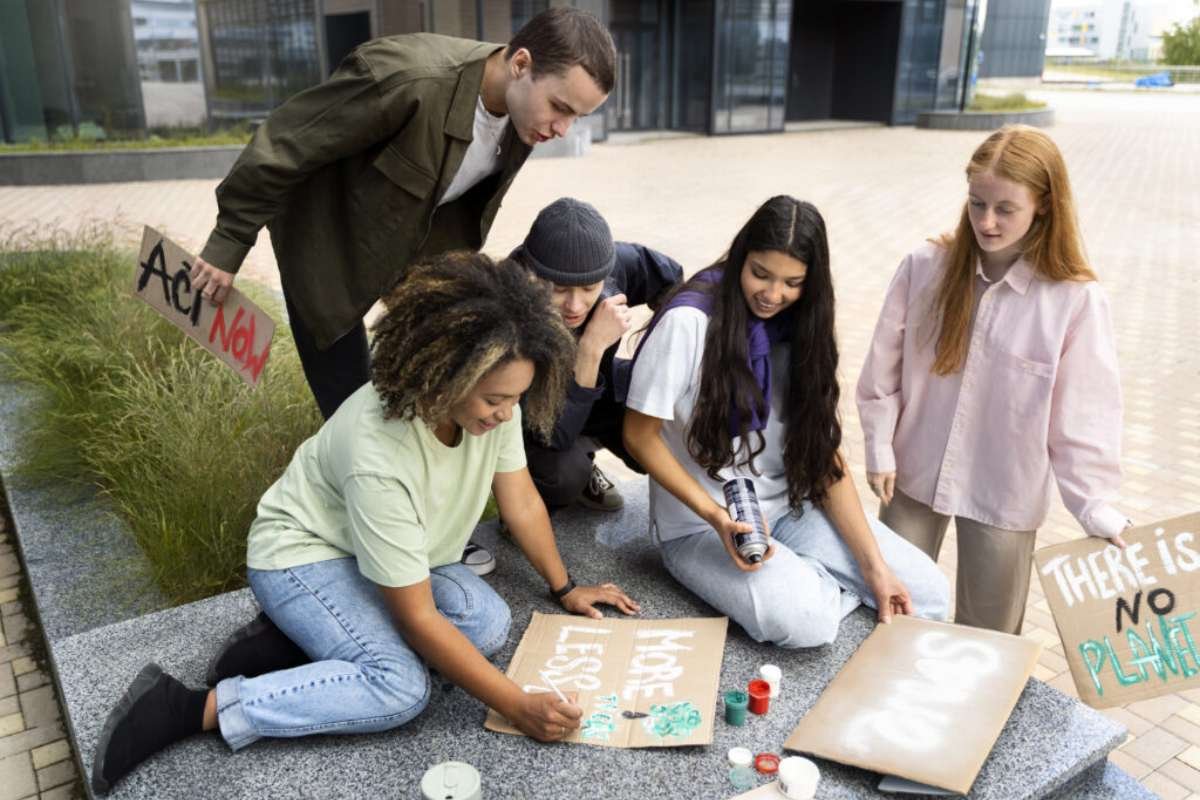
The first year is when students begin forming networks that influence their academic and professional trajectory. Living near campus enables spontaneous participation in clubs, societies, and events without the need for advance planning. This strengthens social capital, the network of relationships that provides academic support, collaboration opportunities, and a sense of belonging.
Even brief interactions, such as meeting classmates after lectures, attending evening seminars, or joining informal study groups, become feasible when travel is not a barrier. These experiences are particularly important for students who are new to the city and still establishing routines and friendships.
More Time for Rest and Health-Promoting Habits
Research on first-year university cohorts shows that each hour of reduced nightly sleep is linked to a measurable drop in end-of-term GPA, establishing sleep duration as a direct academic performance factor rather than a general well-being concern. In this context, removing long commutes becomes structurally important. Living close to campus eliminates early departures and irregular wake times, helping sleep patterns stabilise during a year already shaped by new timetables, learning systems, and social routines.
Proximity also supports active transport, such as walking, which is associated with improved concentration and stress reduction. Regular access to campus recreation facilities, medical services, and green spaces becomes practical rather than aspirational. These small, repeated behaviours contribute to physical and mental resilience during a year that is often marked by high cognitive load and changing social dynamics.
Easier Access to Support Services During Transition

Universities provide extensive first-year support, including counselling, academic advising, and career guidance. First-Year University Cohorts living nearby are more likely to access these services because they can attend short appointments between classes rather than committing to a separate journey.
This immediacy is crucial during periods of adjustment. Early intervention in areas such as time management, financial planning, or well-being prevents minor issues from becoming barriers to progression. The ability to seek assistance quickly also reinforces self-regulated learning, where students actively manage their own academic development.
Proximity as a Foundation for First-Year Success
The First-Year University Cohorts are not simply about convenience; it shapes attendance, study habits, health behaviours, and social integration. By reducing commute friction, increasing access to academic resources, and enabling consistent participation in university life, proximity provides a structural advantage at a stage when students are building the foundations of their higher education experience.