The food industry relies heavily on proper packaging. Whether you run a small restaurant, a large catering company, or a food processing facility, selecting the right packing machine can make or break your operation. The right equipment keeps your products fresh, reduces waste, and saves you money in the long run.
But with so many options available, how do you know which machine is right for you? This guide will walk you through the key types of food packing machines, with special attention to foil container making machines and cling film packing machines. We will also touch on other popular options to help you make an informed decision.
Understanding Your Packaging Needs
Before you invest in any equipment, take time to understand what you actually need. Consider the types of food you handle daily. Are you packaging hot meals for takeaway? Fresh produce for retail display? Frozen items for long-term storage?
Think about your production volume as well. A small bakery has very different needs compared to a large food processing plant. The machine that works perfectly for a neighborhood grocery store might be completely inadequate for a commercial kitchen serving thousands of meals daily.
Your budget matters too, of course. But remember that the cheapest option is not always the most economical in the long term. A reliable machine that lasts for years and requires minimal maintenance often proves more cost-effective than a bargain purchase that breaks down frequently.
Foil Container Making Machines
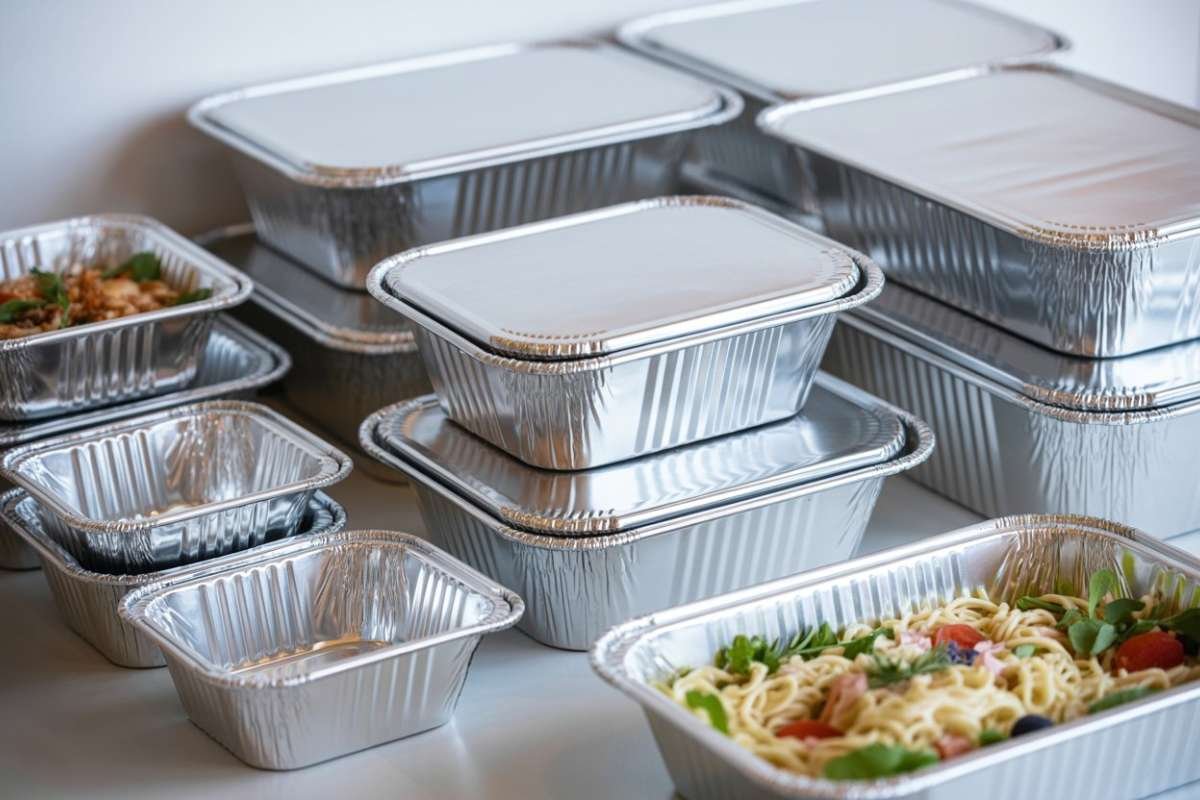
Food Packing Machines have become essential in the food service industry, supporting the widespread use of aluminum foil containers. From airline meals to takeaway restaurants and catering events, these machines help deliver packaging that retains heat, is recyclable, and presents a professional appearance.
A foil container making machine produces these containers from aluminum foil rolls. The process involves feeding the raw material through the machine, where it gets formed into specific shapes using molds and dies. Modern machines can produce dozens or even hundreds of containers per minute, making them suitable for high-volume operations.
These machines come in various configurations. Some use single cavity molds for smaller operations, while others feature multi-cavity molds for maximum productivity. The containers produced can have smooth walls or the traditional wrinkled design that most people recognize.
One major advantage of having your own foil container making machine is cost control. Instead of purchasing containers from suppliers, you manufacture them on-site. This reduces your dependence on external vendors and gives you flexibility in production. You can adjust container sizes and styles based on your changing needs.
The food service industry uses foil containers extensively because aluminum is safe for both hot and cold foods. Unlike some plastic alternatives, foil containers do not release harmful chemicals when heated. They can go directly from refrigerator to oven without any issues.
Food Packing Machines such as foil container making models are a smart choice for catering businesses, high‑volume takeaway restaurants, or companies that supply food containers to other operators. While the initial investment can be significant, the long‑term savings and independence from external suppliers often make these machines a cost‑effective solution.
Cling Film Packing Machines
Cling film wrapping is one of the most common methods for packaging fresh food products. Walk into any supermarket and you will see fruits, vegetables, meat, cheese, and countless other items wrapped in transparent cling film. This packaging method keeps products fresh while allowing customers to see exactly what they are buying.
A cling film packing machine automates this wrapping process. Instead of manually stretching film over products, the machine does it quickly and consistently. Modern machines can wrap fifteen to twenty-five packages per minute, which is several times faster than manual wrapping.
These machines come in different sizes and configurations. Tabletop models work well for smaller operations like grocery stores or deli counters. Larger floor-standing units suit supermarkets and food processing facilities with higher throughput requirements. Fully automatic versions can integrate with conveyor systems for seamless production line operation.
The cling film itself provides a barrier against air and moisture, helping to preserve freshness. However, this type of packaging works best for products with shorter shelf life that will be sold quickly. For items requiring extended storage, other packaging methods like vacuum sealing might be more appropriate.
Many cling film machines also include weighing and labeling functions. The machine weighs each product, calculates the price, prints a label, and applies it to the package. This integration streamlines the entire packaging process and reduces the chance of pricing errors.
Food Packing Machines such as cling film models are ideal for supermarket produce sections, butcher shops, fresh food processing facilities, or any operation that requires attractive transparent packaging for retail display. They help ensure products remain visually appealing while maintaining freshness and hygiene.
Other Popular Food Packing Machines
While foil container makers and cling film machines handle many packaging needs, several other machine types deserve consideration depending on your specific requirements.
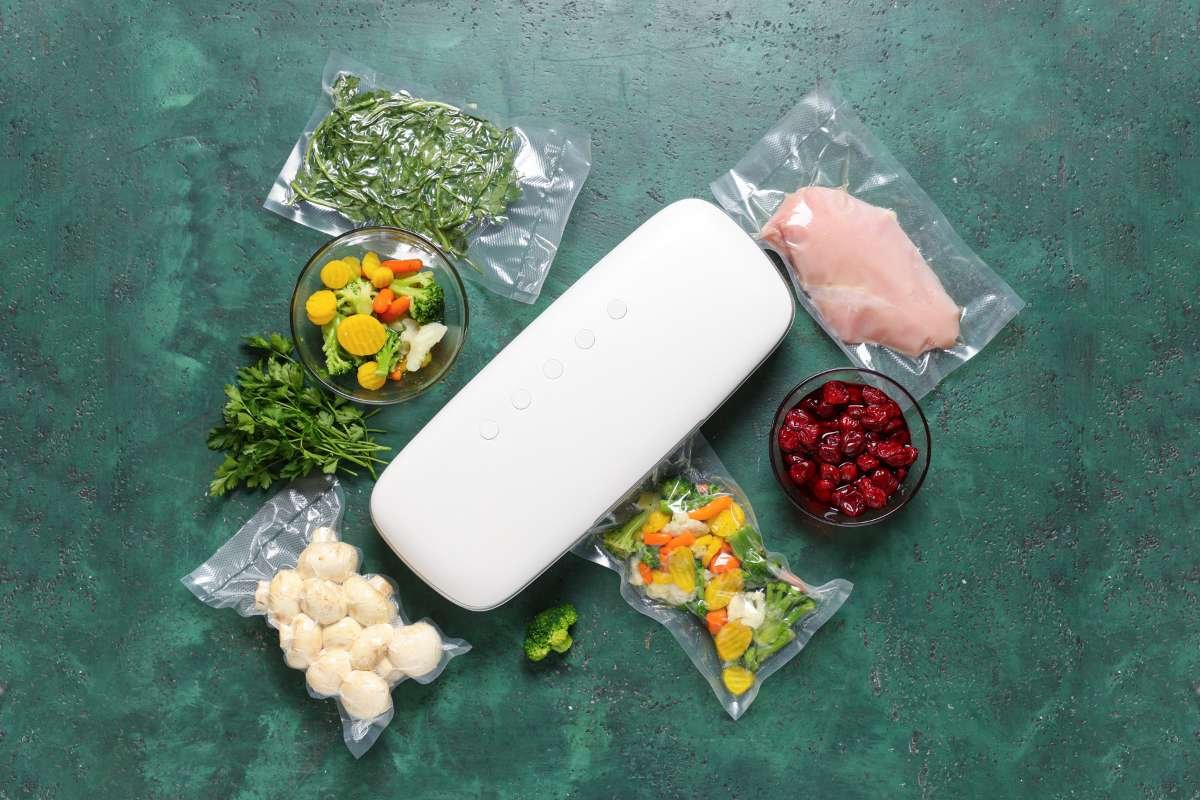
Vacuum packaging machines remove air from packages before sealing them. This dramatically extends shelf life by preventing oxidation and inhibiting bacterial growth. Meat, cheese, and other perishable items stay fresh three to five times longer when vacuum packed. These machines are essential for businesses selling premium meats, specialty cheeses, or any products requiring extended freshness.
Form fill seal machines are workhorses of the packaging industry. They create packages from rolls of film, fill them with product, and seal them in one continuous operation. These machines handle everything from coffee and snacks to frozen vegetables and pet food. Their versatility makes them popular across many food categories.
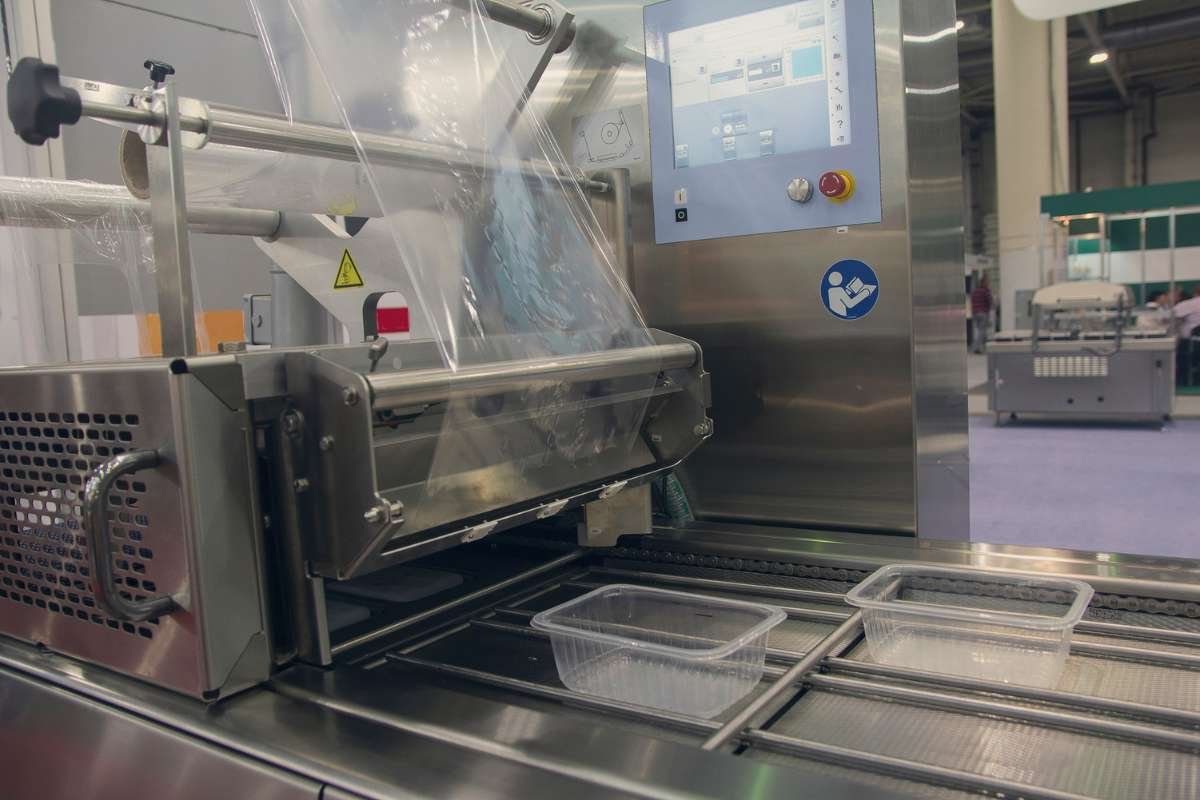
Tray sealing machines seal products in pre-formed trays using a film lid. They often incorporate vacuum or modified atmosphere packaging to extend shelf life further. Ready-to-eat meals, fresh produce, and deli items frequently use this packaging format. The rigid tray provides protection during transport while the sealed film maintains freshness.
Flow wrapping machines create pillow-style packages around individual items. Candy bars, cookies, bread, and countless other products use this packaging style. The machines work at high speeds and produce attractive, consistent packages that are perfect for retail display.
Making Your Final Decision
Choosing the right packing machine involves balancing several factors. Start with a clear assessment of your current needs and realistic projections for future growth. Buying a machine that barely meets your current requirements will soon become a bottleneck as your business expands.
Quality matters enormously in packaging equipment. Look for machines made from food-grade materials, particularly stainless steel, which resists corrosion and is easy to clean. Good hygiene practices are non-negotiable in food packaging, and your equipment should support those standards.
When evaluating Food Packing Machines, it’s important to consider the total cost of ownership rather than just the purchase price. Energy consumption, maintenance requirements, spare parts availability, and expected lifespan all play a role in long-term value. A machine that costs more upfront but lasts fifteen years with minimal maintenance may ultimately prove more economical than a budget option that requires frequent repairs.
Automation level is another important consideration. Manual and semi-automatic machines cost less upfront and offer flexibility, but they require more labor. Fully automatic machines cost more initially but reduce ongoing labor costs and increase consistency.
Do not overlook training and support. Even the best machine becomes useless if your staff cannot operate it properly. Choose suppliers who provide comprehensive training and responsive after-sales support. Downtime for a critical packaging machine can seriously disrupt your operations.
Conclusion
Food Packing Machines can transform food business operations by streamlining production and packaging efficiency. Foil container making machines give businesses greater control over container supply and reduce dependency on external vendors. Cling film packing machines deliver fast, attractive packaging for fresh products in retail settings, while vacuum sealers and form fill seal equipment address specialized needs, ensuring versatility across different food service applications.
Take your time with this decision. Visit trade shows, request demonstrations, talk to other food business owners about their experiences, and get quotes from multiple suppliers. The investment in proper packaging equipment pays dividends through improved efficiency, reduced waste, and better product presentation.
Your customers expect their food to arrive fresh, safe, and attractively packaged. The right machinery helps you deliver on that expectation every single time.