Key Points:
- Ford keeps Kentucky plants
- SK On takes Tennessee plant
- EV slowdown drives restructuring
Ford Motor Company and battery manufacturer SK On have formally agreed to end their multibillion-dollar U.S. battery joint venture, marking a major shift in one of the most ambitious electric-vehicle manufacturing plans unveiled in recent years. The partnership, initially valued at $11.4 billion, was aimed at building three large-scale battery factories across Kentucky and Tennessee to support Ford’s next-generation EV lineup.
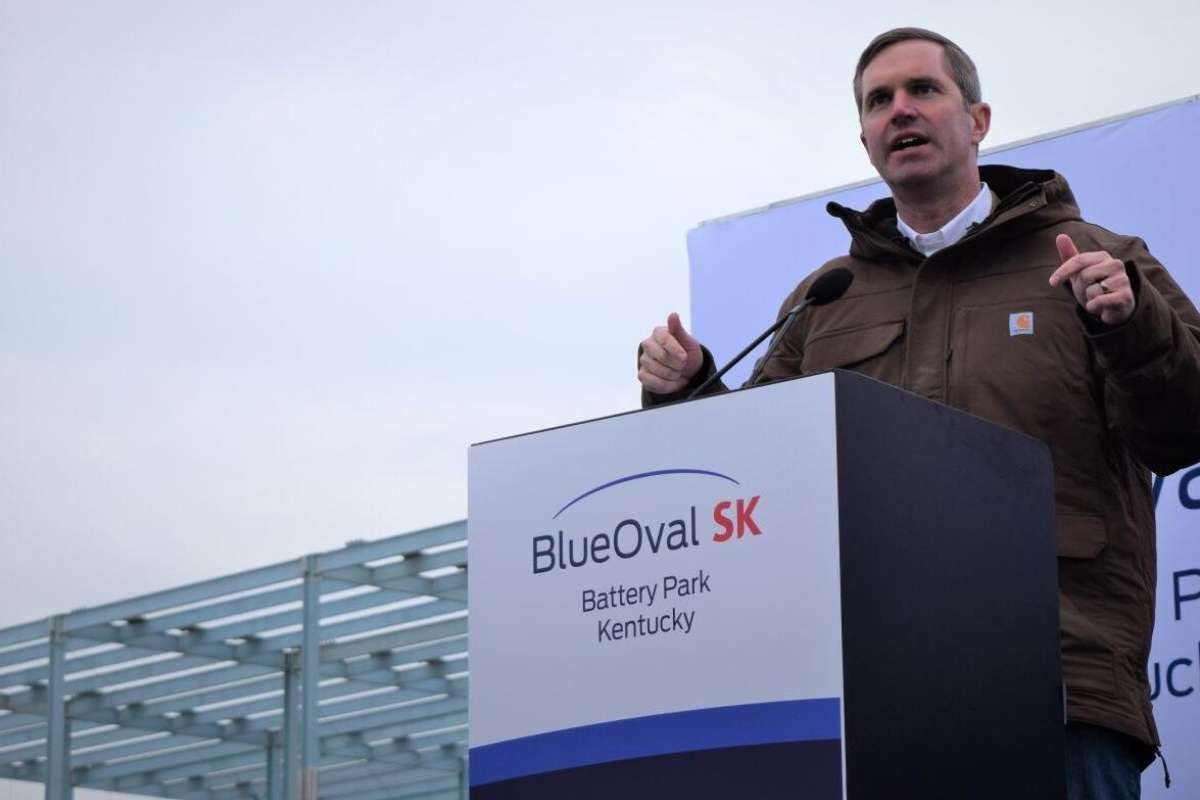
Under the new arrangement, Ford will assume full ownership and operational control of the two Kentucky battery plants that were previously part of the joint venture. These facilities were designed to supply batteries for Ford’s electric trucks and future EV models. Meanwhile, SK On will take complete control of the Tennessee battery plant, which sits inside Ford’s sprawling BlueOval City campus. Despite the split, both companies described the reorganization as a “mutual adjustment” driven by changing market conditions rather than a breakdown in their relationship.
Ford has acknowledged the restructuring but did not provide additional comment. Ford and SK On, however, indicated that the transition enables the company to broaden its customer base beyond Ford, particularly as it increases its focus on rapidly growing markets like energy storage systems.
EV Slowdown and Financial Pressures Drive Strategic Shift
The decision to unwind the joint venture comes amid a broader cooling of the U.S. electric-vehicle market. EV adoption has grown slower than anticipated, and the phaseout of federal tax incentives, including the $7,500 EV credit, has further softened demand. These market realities have pushed several automakers and battery suppliers to reassess production plans, capital investments, and long-term electrification strategies.
Ford and SK On have faced notable financial strain in recent quarters, including operating losses that placed pressure on the companies to reduce expenses and restructure debt. By taking sole control of the Tennessee plant, SK On aims to operate with more commercial flexibility and supply customers across automotive, energy storage, and industrial sectors.
For Ford, the unwind is part of a broader recalibration of its EV roadmap. The automaker has delayed some upcoming EV models and refined its product strategy to better align with realistic consumer demand. By fully controlling the Kentucky factories, Ford can scale battery production up or down according to its internal forecasts, without the constraints of a shared ownership model. The company has emphasized the need for disciplined capital spending as the EV market undergoes a transitional period.
Impact on U.S. Manufacturing and What Comes Next
The dissolution of the BlueOval SK joint venture highlights the shifting landscape of EV manufacturing in North America. Both companies are expected to maintain a collaborative relationship at the Tennessee campus, but each will now operate independently with separate supply strategies and production goals.
Regulatory approval is still required for the restructuring to take effect, and the process is expected to conclude by the end of the first quarter of 2026. Industry analysts view the move as a sign that the EV sector is entering a phase of consolidation and risk management, with companies pivoting away from aggressive expansion toward more measured, demand-based investment.
For local communities in Kentucky and Tennessee, where the plants represent billions in economic activity and thousands of expected jobs, the transition is significant. State officials have expressed optimism that the investments will continue to support regional development, even as the corporate structure behind them evolves.
As the EV market faces a period of recalibration, the split between Ford and SK On underscores a central industry challenge: balancing long-term electrification goals with present-day economic realities.