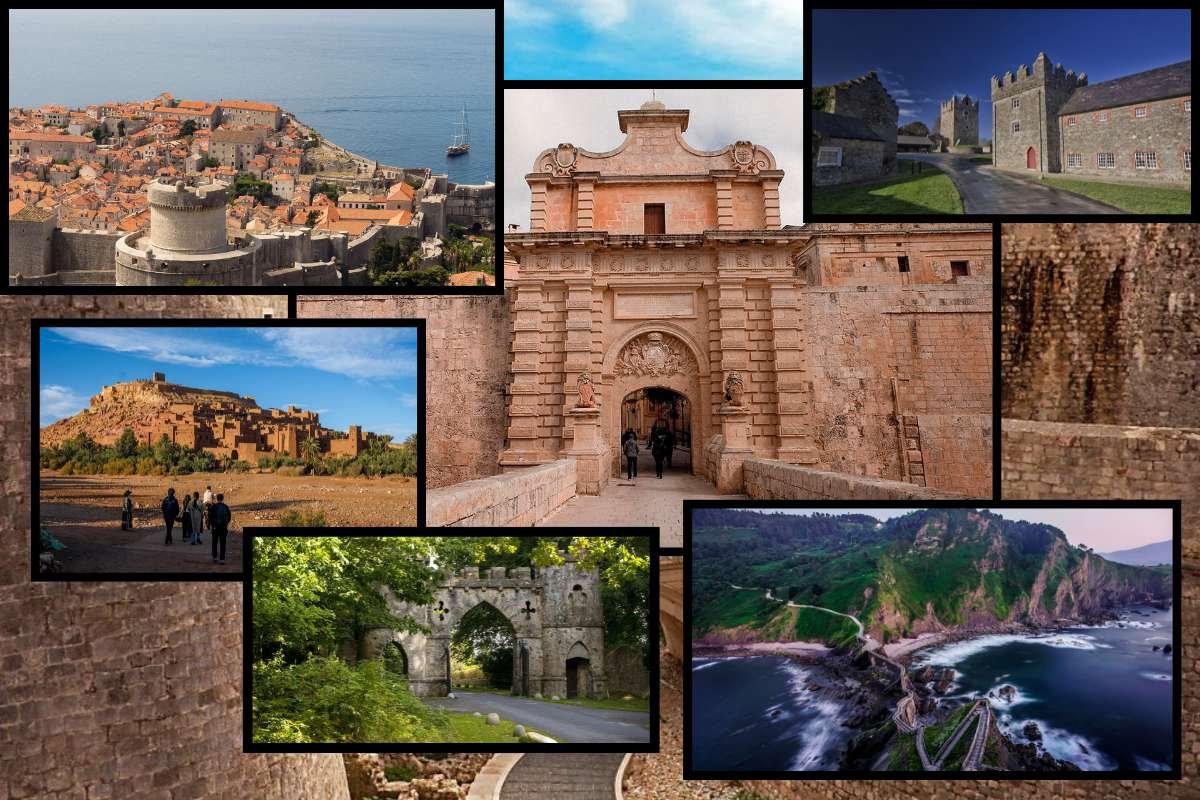
“When you play the game of thrones, you win, or you die.” Cersei Lannister made that clear, but thankfully, visiting the real-life locations is much safer and way more rewarding. You don’t need to fight for the Iron Throne to see the world George R.R. Martin created. You need to know where to look.
Some of the most stunning spots in Europe and Africa let you visit real Game of Thrones locations. Many fans want to see these spots, but do not know where to start. Luckily, almost all these places are open for you to visit. Some charge small fees. Others sit in public squares, which you can enter for free. You do not need special permission or royal blood to visit.
In this article, we have curated a list of the 12 Game of Thrones locations you can visit in 2026. Each entry includes what you will see, how to get there, and the cost. You will also learn when to go and what to avoid. We put together this guide for visiting the Seven Kingdoms… and yes, you can do it without a dragon.
Stunning Game of Thrones Locations You Can Visit in 2026
1. Dubrovnik, Croatia (King’s Landing)
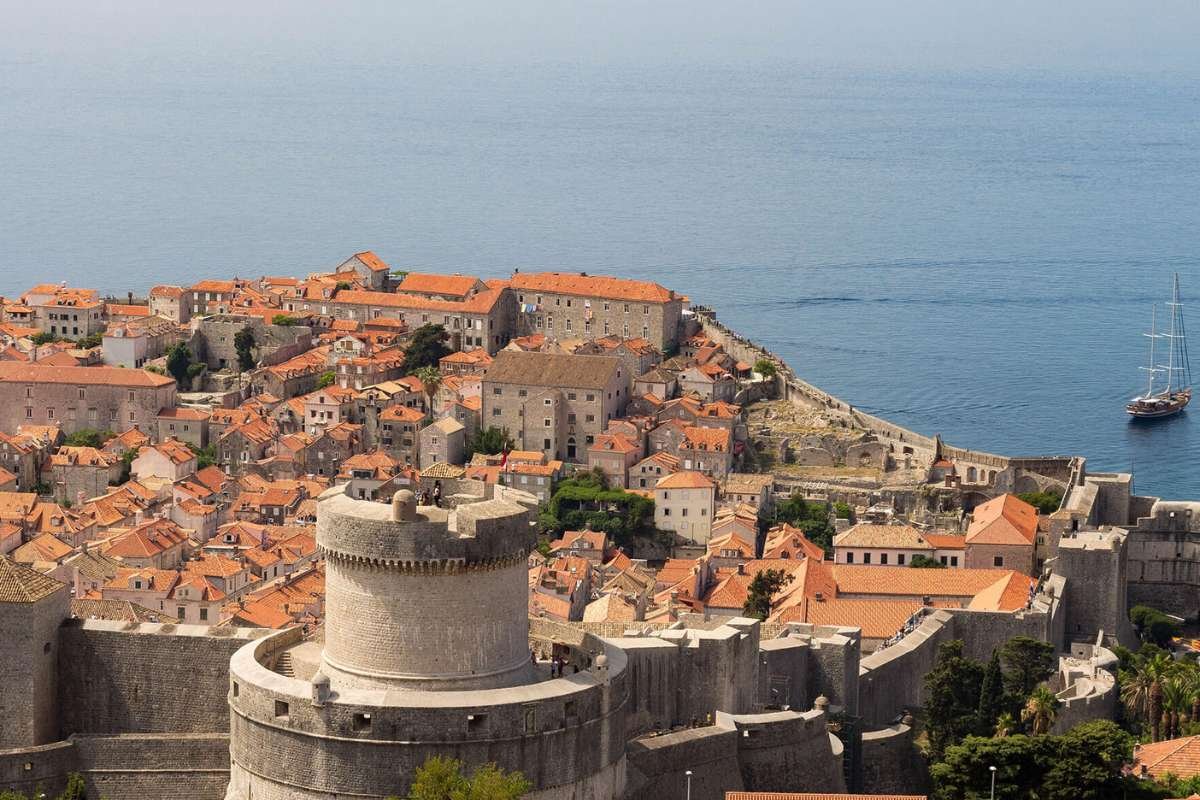
Dubrovnik served as King’s Landing throughout much of the series. The red rooftops and medieval walls in the Old Town make the city instantly familiar to anyone who watched the show. Many scenes were filmed along Stradun Street and near Fort Lovrijenac, which towered over the Blackwater Bay sequences.
Walking the city walls, which costs about 35 euros, gives the same sweeping view seen during the Battle of Blackwater. The complete circuit usually takes around two hours. Early mornings work best, as summer cruise crowds arrive by late morning and stay through the afternoon.
Pile Gate appears in several key scenes, including the start of Cersei’s walk of shame. Access to the gate is free, and it leads into the area used for that sequence. The Jesuit Staircase, located near Saint Ignatius Church, became the route back up to the Red Keep. You can climb these steps at any time without an entry fee.
The Rector’s Palace played the part of the Spice King’s mansion in Qarth. Entry costs approximately 15 euros and includes a museum featuring artifacts from Dubrovnik’s authentic history. For many fans, Dubrovnik is the first place that comes to mind when thinking about Game of Thrones locations you can visit.
Getting there: Dubrovnik has its own airport, which offers regular flights from major European cities. Airport buses run to the Old Town every thirty minutes for about 5 euros, while taxis cost around 30 euros.
2. Dark Hedges, Northern Ireland (The Kingsroad)

The Dark Hedges is a short road lined with beech trees near Ballymoney in County Antrim. It appeared in season two as part of the Kingsroad when Arya traveled north in disguise. The trees lean over the road, forming a natural tunnel that seems almost unreal, especially in soft light.
This spot is one of the easiest Game of Thrones locations you can visit. The road is public and open at all times, with no entry fee. Parking is free but limited, so spaces near the site can fill up during busy periods. Sunrise and sunset tend to give the most striking photos as light filters through the branches.
Some of the trees are old and have suffered damage from storms. Supports have been added in places, and a few trees have been removed, so the view is slightly different from what appeared on screen. Recent traveler photos give a good idea of current conditions.
Gracehill House is located nearby and offers parking and facilities. Guests often stop in for coffee or a snack, which helps support the upkeep of the area and adds a gentle country manor feel to the visit.
3. Castle Ward, Northern Ireland (Winterfell)

Castle Ward in County Down provided the core of Winterfell in the first season. The eighteenth-century mansion sits on extensive grounds and overlooks Strangford Lough. The tower where Bran climbed, and the courtyard where the Stark family gathered, are both part of the estate.
Standard admission is about 13 euros for adults and includes access to the farmyard used for many Winterfell scenes. The archery range has been reconstructed in the same spot where characters practiced. Staff often run archery sessions using traditional-style bows, making the location feel close to the show.
A dedicated Winterfell tour costs around 30 euros and usually includes costume rental. Cloaks, shields, and simple props help visitors step into the Stark story while guides point out specific camera angles and share stories from the filming period.
The surrounding forest was used as the Haunted Forest, where the Starks found the direwolf pups. A trail through these woods takes around forty minutes. Waterproof footwear is wise, as the path becomes muddy after rain, which is common in this part of Northern Ireland.
4. Alcázar of Seville, Spain (Dorne)
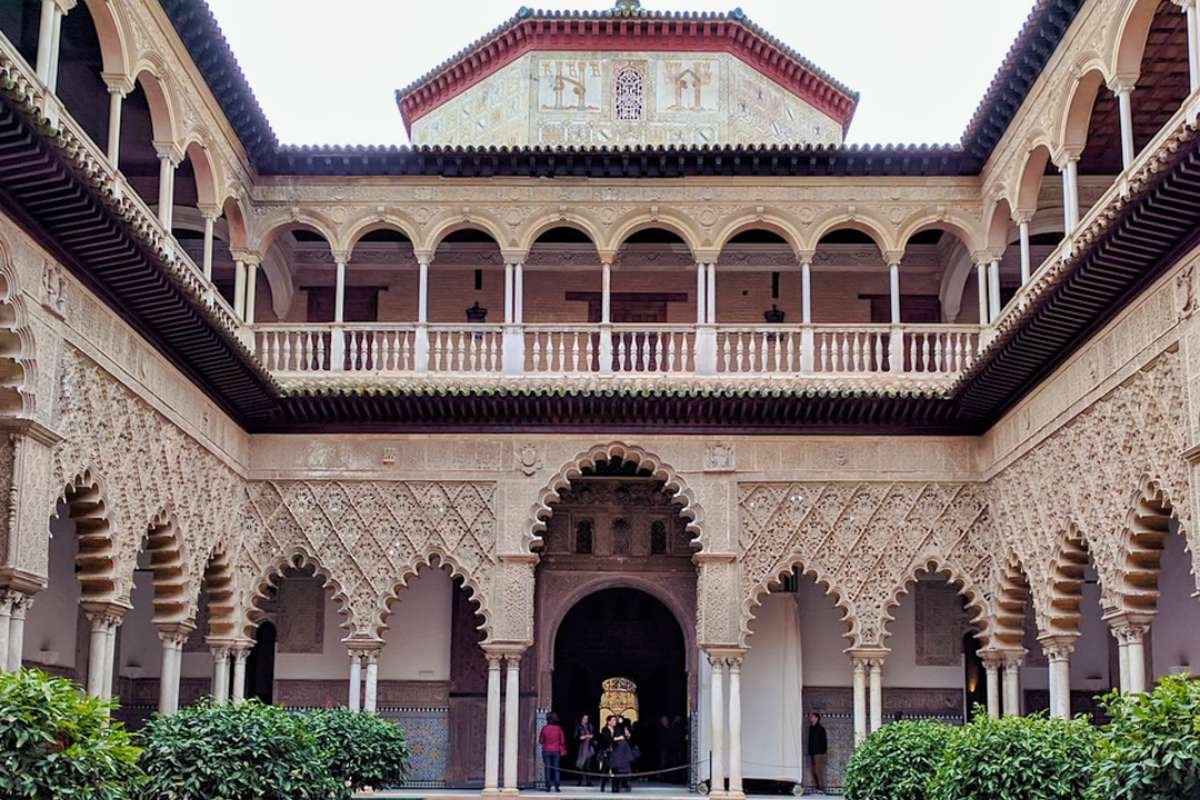
The Alcázar of Seville brought the Water Gardens of Dorne to life in seasons five and six. This royal palace, recognized as a UNESCO World Heritage site, dates back to the time of the Moors. Filming took place in its tiled courtyards, halls, and gardens, where the Dornish royal family held private conversations.
Tickets purchased at the gate cost around €14.50, while online bookings are slightly cheaper at about €13 and help avoid the longest lines. Visitor numbers are capped to prevent delays at the entrance during peak times, especially in spring and summer. Booking in advance is highly recommended.
The Ambassador’s Hall, with its richly decorated dome, appears in several scenes set in Dorne. The surrounding gardens host the fountains and pools that fans associate with the Sand Snakes and the Dornish princes. Many travelers come specifically to trace these moments from the show.
The palace still serves as a residence for the Spanish royal family during official visits to Seville, which means that certain areas are occasionally closed to the public. Checking the official schedule ahead of time helps prevent surprises on arrival. This is one of the most rewarding Game of Thrones locations you can visit if you love detailed palace architecture.
5. Ait Benhaddou, Morocco (Yunkai and Pentos)
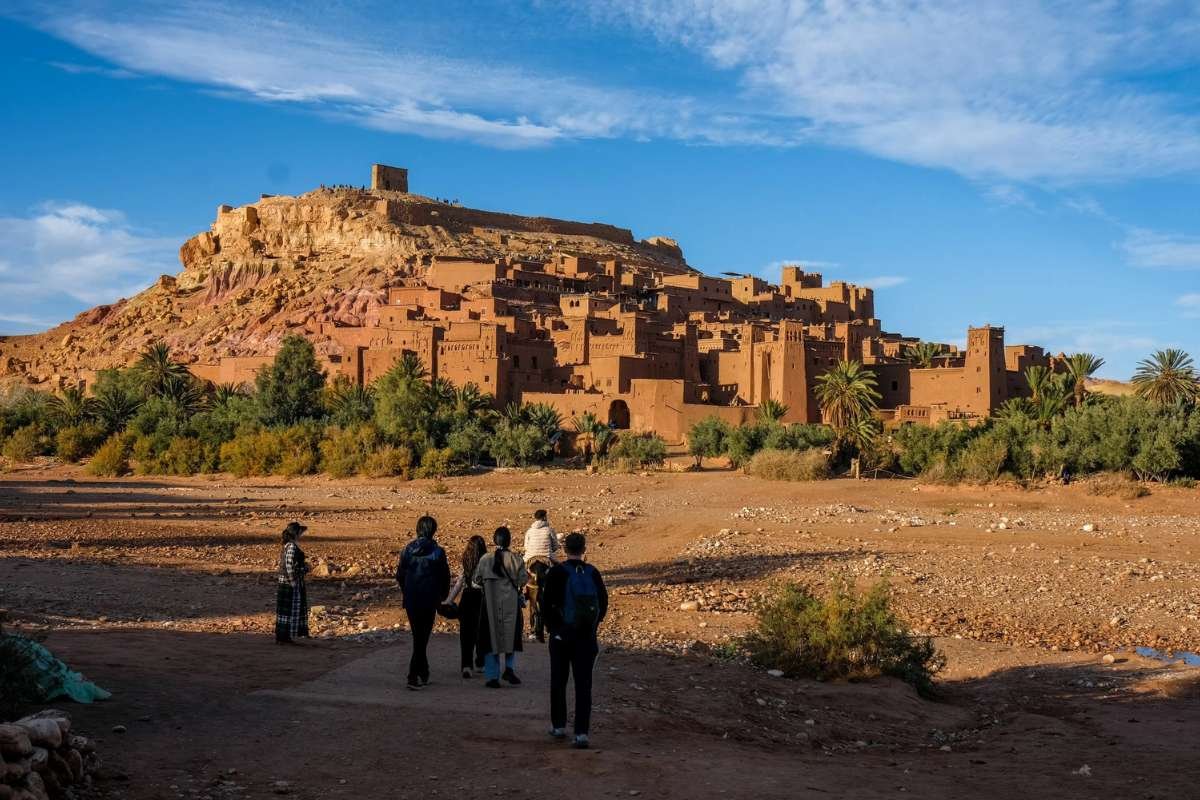
Ait Benhaddou is a fortified village in the foothills of the Atlas Mountains. Its earth colored walls and stepped houses made it a perfect stand-in for Yunkai, one of the cities Daenerys visited, and it also appeared as Pentos in the early episodes. The village is situated on a hill with expansive views across a dry valley.
Entry to the site generally costs around 10 euros. Local guides often wait near the main gate and offer tours for a small additional fee, usually about 5 euros per person. These guides tend to know exactly where particular sequences were shot and share stories passed down from extras and crew.
Reaching Ait Benhaddou usually involves a drive of roughly two hours from Marrakech. Private drivers and small group tours are standard, with a cost of around 80 euros for a round trip. The route climbs through mountain passes, offering numerous photo opportunities.
The site attracts fewer visitors than most European filming locations, so it often feels calmer and more atmospheric. Spring and autumn bring the most comfortable temperatures. Summer heat can be intense, with daytime highs well above 40 degrees Celsius, while winter nights feel surprisingly cold.
6. Grjótagjá Cave, Iceland (Jon and Ygritte’s Cave)
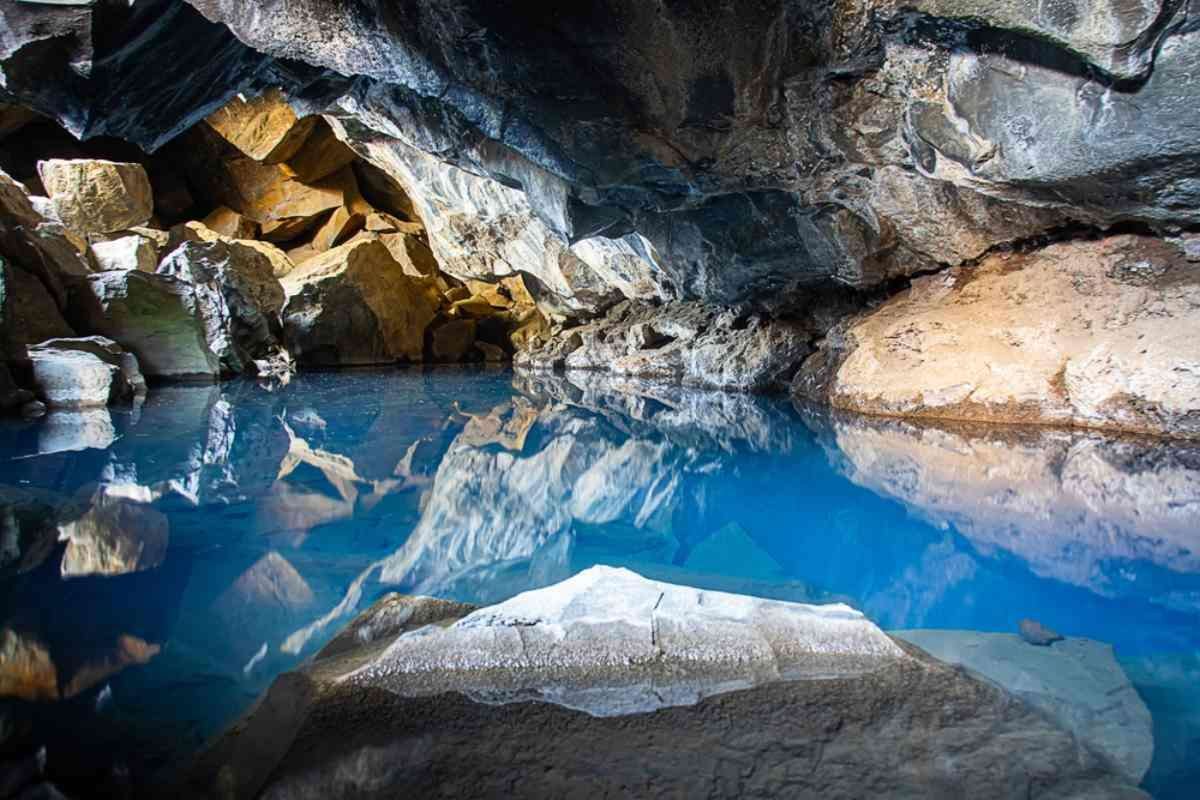
Grjótagjá is a small lava cave near Lake Mývatn in northern Iceland. Inside, a narrow opening leads down to a hot spring pool. This cave became famous as the setting for Jon and Ygritte’s intimate scene, and it remains one of the most memorable Game of Thrones locations you can visit in Iceland.
The cave is situated on private land, but it is currently accessible without charge. A short walk from the parking area leads to the entrance, which is low and rocky. Once inside, the chamber opens up enough to stand comfortably, and clear geothermal water fills the bottom.
Soaking in the pool is no longer allowed due to safety and environmental concerns, and temperature changes have made the water less predictable. Visitors instead stand on the rocks and look down at the glowing blue water. A flashlight or phone light helps reveal the color and details.
The broader Lake Mývatn area contains other volcanic sites that also appeared in the series, including lava fields and steam vents. Many travelers combine Grjótagjá with a circuit of nearby geothermal features, and organized tours often include several filming spots in a single day.
7. Doune Castle, Scotland (Winterfell Exteriors)

Doune Castle, situated near Stirling in central Scotland, provided exterior shots of Winterfell in the early part of the series. Built in the fourteenth century, it stands above a river bend and features a single large courtyard that may be familiar to fans from King Robert’s arrival in the pilot.
Admission for adults usually costs about 9 euros. Visitor numbers tend to be modest compared to those of larger Scottish castles, so the site often feels quiet and easy to explore. An audio guide is available, featuring commentary by Terry Jones from Monty Python, which reflects the castle’s earlier film roles.
The great hall, kitchen, and tower are all accessible. The walk to the top of the tower offers broad views over the surrounding fields and hills. Stirling and its wider region combine Doune Castle with other historical attractions, which makes the area appealing even when you are not focused only on Game of Thrones locations.
A small shop near the entrance sells both historical items and show-themed souvenirs. Replica weapons, shields, and simple costume pieces are common finds, although authentic prop-style items can be expensive.

8. Gaztelugatxe, Spain (Dragonstone)

Gaztelugatxe is a rocky island off the Basque coast, joined to the mainland by a stone bridge and a long flight of steps. It became the approach to Dragonstone in season seven, with the winding staircase leading up to the stronghold where Daenerys first set foot in Westeros.
Access to the path remains free, but time slots must be reserved online to manage visitor numbers. Parking near the trailhead costs around € 3 for the day, and spaces fill up quickly during the main holiday months. Arriving early in the morning often gives cooler temperatures and fewer people.
The walk from the parking area to the base of the stairs takes around fifteen to twenty minutes. The climb to the top adds twenty minutes, depending on fitness and the number of photo stops. The steps are steep and uneven in places, so sturdy shoes are essential. Those with limited mobility may find the ascent challenging.
At the summit, a small chapel dedicated to Saint John dates back centuries. Many visitors follow the local custom of ringing the bell three times for good luck. On clear days, the views along the coast and over the Bay of Biscay are dramatic and expansive.
9. Vatnajökull Glacier, Iceland (Beyond the Wall)
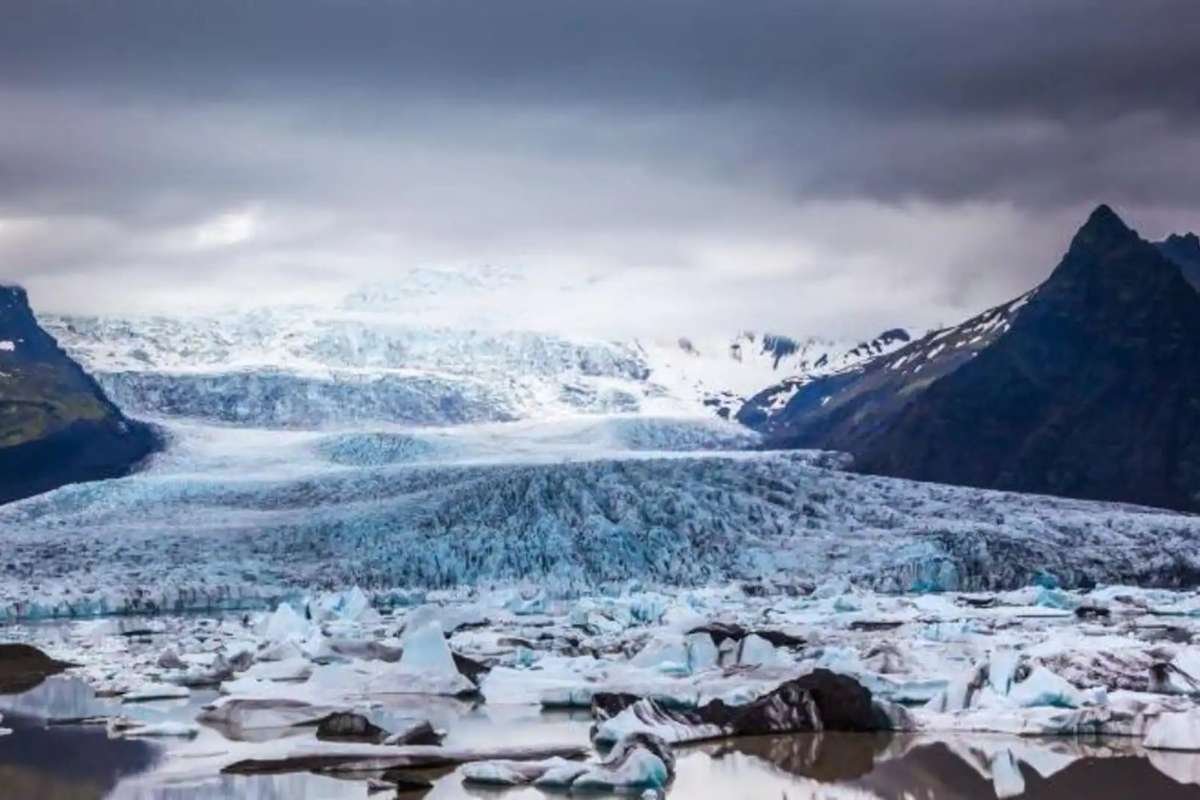
Vatnajökull is the largest glacier in Europe and provided the icy setting for many scenes set beyond the Wall. Vast, frozen plains, deep crevasses, and pale blue ice caves all contributed to the harsh, northern feel that defined the Night’s Watch and Wildling storylines.
Independent travel on the glacier is not allowed for safety reasons. Guided tours are required and typically cost around 150 euros per person, including necessary gear such as crampons and helmets. Operators supply all the needed equipment, while visitors are advised to bring warm clothing, gloves, and waterproof layers.
Standard tours last three to four hours and start from nearby towns or visitor centers. Once on the ice, guides lead small groups past cracks and formations, explaining how the glacier changes over time. Some tours, depending on conditions, also include visits to natural ice caves.
The glacier is retreating due to climate change, which means the exact appearance of the ice fields and caves changes each season. Footage from the show already differs from what travelers see today, but that shift adds a sense of urgency for those who want to experience this part of the real world North.
10. Tollymore Forest Park, Northern Ireland (The Haunted Forest)
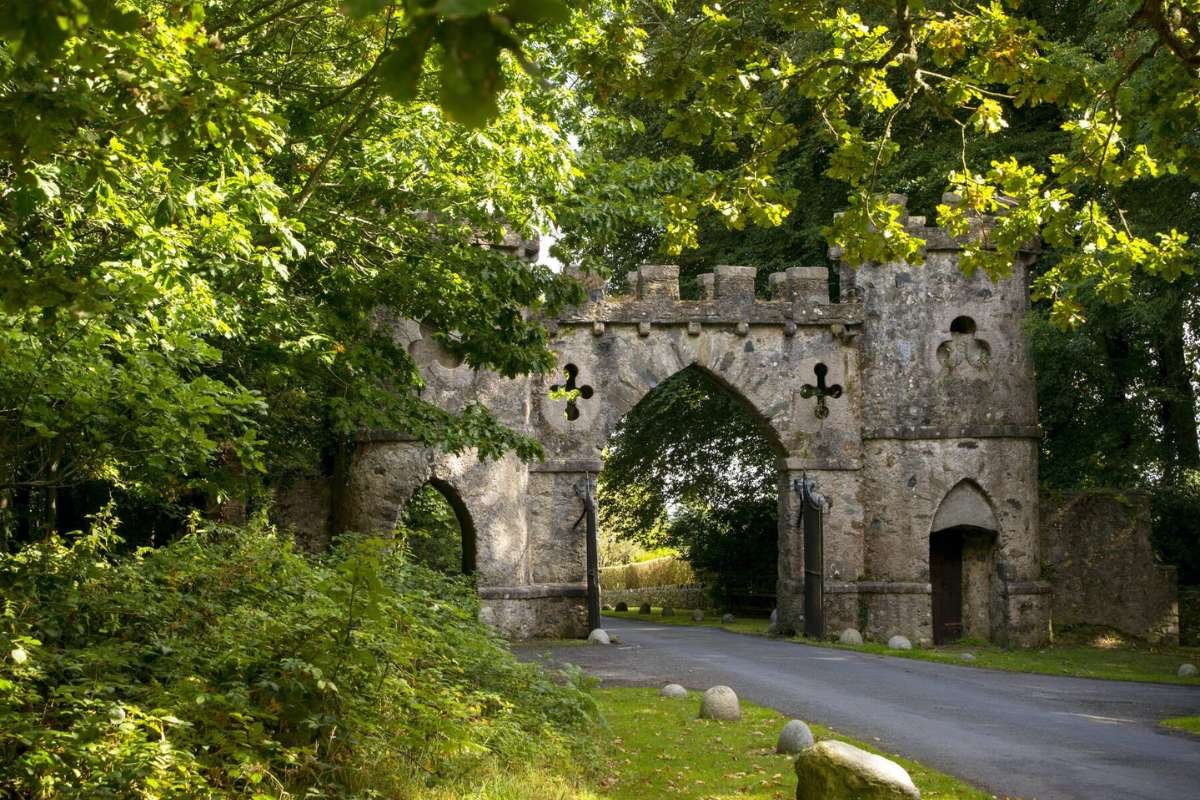
Tollymore Forest Park in County Down hosted several of the earliest scenes in the series. The forest first appeared in the opening of the pilot, when the White Walkers were first revealed, and later as part of the woods where the Night’s Watch encountered bodies in the snow.
Entry to the park costs about 5 euros per car. Gates open at 8:00 a.m. and close at sunset. A simple map is available that highlights filming locations inside the forest, which covers more than 1,600 acres. Most visitors allow at least three hours to follow the main trails and pause at key spots.
Spruce and pine trees create the dark, dense look that suited the early scenes. A marked point in the forest shows where the deserters of the Night’s Watch turned their horses and fled. Bridges, stone arches, and streams appear in other episodes, and fans often match them by comparing stills from the show.
Several walking routes cross the park, ranging from short thirty-minute loops to longer paths that can take up to four hours to complete. Paths may be wet or muddy even in warmer months, so sturdy, waterproof footwear makes the visit more comfortable.
11. Mdina, Malta (King’s Landing Early Seasons)
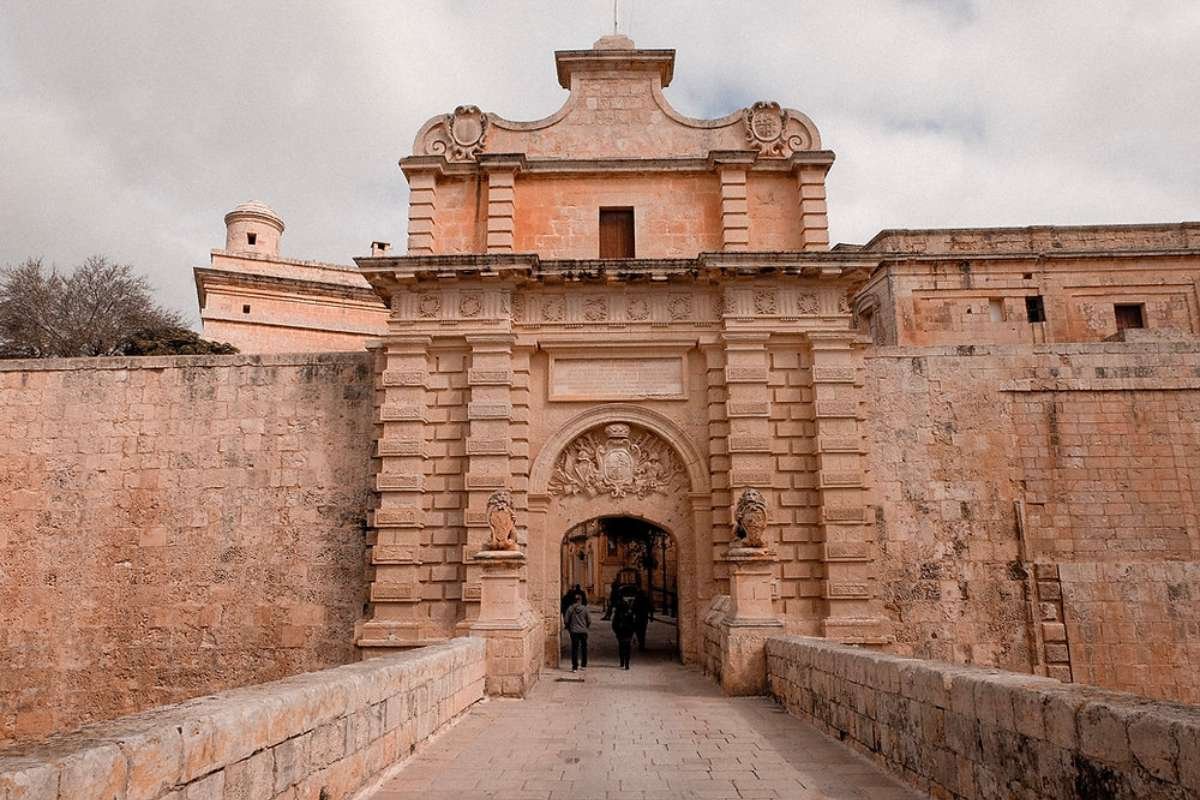
Mdina, a fortified city in central Malta, served as King’s Landing during the first season before the production moved to Croatia. Its narrow streets, honey-colored walls, and impressive main gate fit the capital of the Seven Kingdoms, although later episodes altered its appearance.
Entry to Mdina is free, as it remains a living city with a small resident population. The main gate is one of the most recognizable backdrops from early episodes, seen when characters arrive or depart on official business. The show filmed many of Ned Stark’s investigation scenes and Catelyn’s scenes in the capital on these streets.
St. Dominic’s Priory appears externally as part of the Red Keep, though the building itself is private and cannot be visited inside. Nearby alleys hosted various chases and confrontations, and it does not take long to spot familiar corners from season one.
Malta’s hot summers can make afternoon walks uncomfortable, with temperatures often above 35 degrees Celsius. Spring and autumn bring milder weather and fewer crowds, which suits both general sightseeing and visits focused on Game of Thrones locations.
12. Trsteno Arboretum, Croatia (Highgarden Gardens)
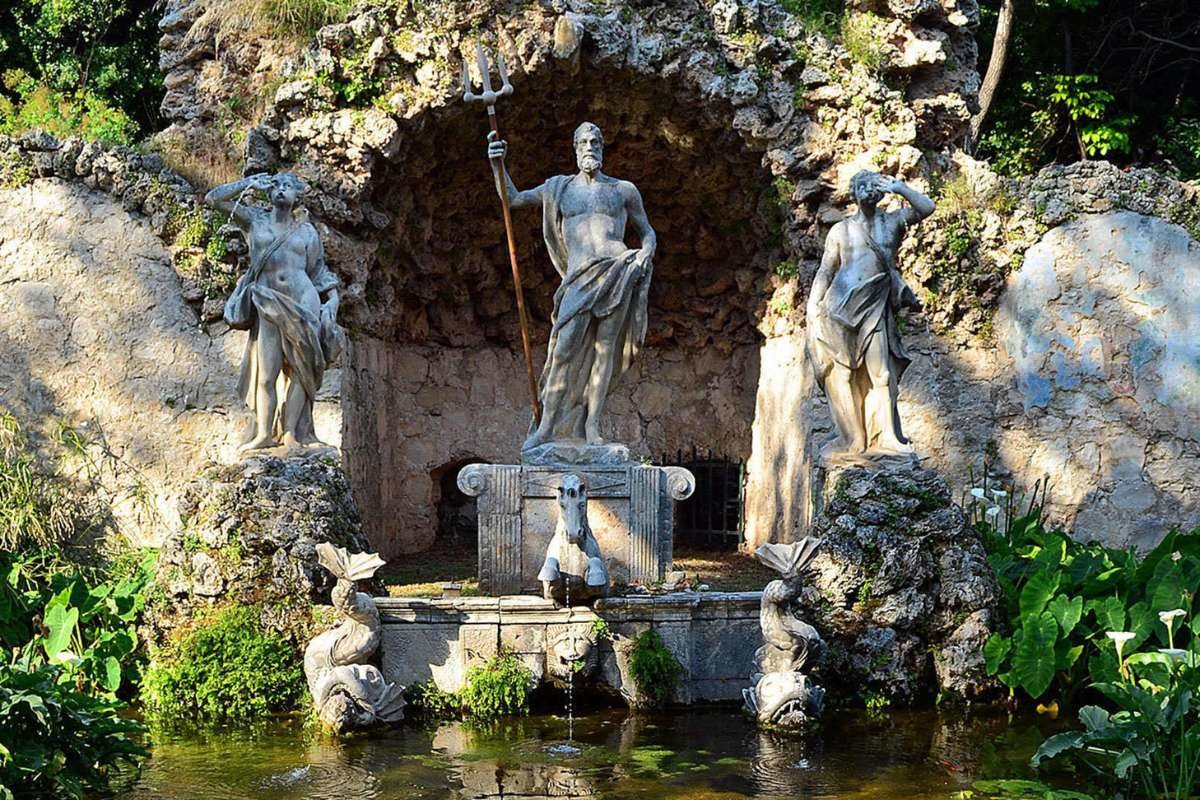
Trsteno Arboretum lies about 20 kilometers north of Dubrovnik and served as the gardens of Highgarden, home of House Tyrell. Stone pavilions, shaded paths, and sea views created the setting for many of Lady Olenna’s most cutting conversations.
Admission costs around 10 euros. The site is compact and can be covered in an hour to ninety minutes, making it a great half-day trip from Dubrovnik. A massive plane tree, several centuries old, stands near the entrance and often appears in the background of scenes.
Terraces look down over the Adriatic Sea, and a small pavilion offers one of the most recognizable viewpoints. Benches and low walls provide quiet corners where visitors can pause, much like the characters did when discussing alliances and secrets.
Trsteno tends to receive far fewer visitors than Dubrovnik’s Old Town. This quieter feel suits those who prefer a slower pace and more space between photos. For many fans, it is a gentle final stop after exploring the busier Game of Thrones locations that can be visited along the Croatian coast.

Planning a Trip Around Game of Thrones Locations You Can Visit
Most fans who start looking into Game of Thrones locations quickly realize that these places are spread across two distinct parts of the world. One cluster resides in the cold North, comprising Iceland, Northern Ireland, and Scotland. The other lies in the warm south: Croatia, Spain, Malta, and Morocco. Trying to cover both in a single trip usually means more time in airports than at the actual sites, so the smart move is to pick one region and explore it properly.
Key Things to Sort Out First
Before booking anything, make a few decisions that make everything else easier:
- Choose your region – North (Iceland, Northern Ireland, Scotland) for castles, glaciers, and moody landscapes. South (Croatia, Spain, Malta, Morocco) for sun, palaces, and coastal towns
- Set your pace – Fast track (7-10 days, 2-3 nights per central spot) or slow travel (10-14 days with buffer time)
- Pick your transport style – Public transport works for city-based spots like Dubrovnik, Seville, and Mdina. Car rental is essential for Iceland, Northern Ireland, and Scotland. Guided tours are mandatory for glacier access in Iceland.
- Book the big tickets early – Vatnajökull glacier tours, Gaztelugatxe time slots, Alcázar skip-the-line tickets, and Dubrovnik city walls all need booking, especially in summer.
Northern Europe Route: What to Expect
This is the route if you want to feel the cold breath of the North and walk in the shadow of the Wall.
→ Iceland brings the dramatic vibe. Vatnajökull Glacier tours cost around 150 euros and include all safety gear. Grjótagjá Cave is free to enter, but swimming is no longer permitted. Bring a flashlight to see the blue water properly. The entire Lake Mývatn area features several filming locations within a short driving distance.
→ Northern Ireland keeps the castles. Castle Ward charges 13 euros for entry and offers a 30 euro Winterfell tour with costume rental. The Dark Hedges are free to visit, but parking is limited. Arrive at sunrise for the best light and fewest people. Tollymore Forest Park costs 5 euros per car and has marked filming locations throughout its trails. Waterproof boots are a must here; the ground remains muddy year-round.
→ Scotland adds Doune Castle with a 9 euros entry fee. It is quiet compared to other castles, so you get space to explore the Winterfell courtyard without crowds. The audio guide even features Monty Python commentary, which provides a sense of how many productions have utilized this spot.
Mediterranean Route: What to Expect
This route is for sun, sea, and palace gardens. It also tends to be more crowded and expensive in peak season.
→ Croatia centers on Dubrovnik. The city walls cost 35 euros and take two hours to walk. Pile Gate and the Jesuit Staircase are free to enter and appear in several iconic scenes. Trsteno Arboretum is a 20-kilometer day trip and costs 10 euros. It is much quieter than the city and offers sea views from the Highgarden gardens.
→ Spain is split between Seville and the Basque Country. The Alcázar of Seville costs 14.50 euros at the gate or 13 euros online. It remains a royal residence, so be sure to check for closures before you visit. Gaztelugatxe is free, but you must book a time slot in advance. The 241 steps are steep and uneven, so proper shoes are essential. The climb takes about 20 minutes each way.
→ Malta and Morocco work as extensions. Mdina in Malta is free to enter and served as the early King’s Landing. Summer heat is intense, so visit in spring or autumn. Ait Benhaddou in Morocco costs 10 euros for entry and is a two-hour drive from Marrakech. A private driver runs about 80 euros round-trip. The site has fewer tourists than European locations, which gives a more atmospheric visit.
Cost Comparison: Northern vs Southern Routes
| Expense Type | Northern Route (10 days) | Southern Route (10 days) |
| Accommodation (mid-range) | €80-120 per night | €90-140 per night |
| Car rental + fuel | €450-700 total | €400-600 total |
| Guided tours (essential) | €150 (glacier) | €30-80 (various) |
| Entry fees (all sites) | €40-60 total | €50-70 total |
| Food (daily average) | €35-50 | €40-55 |
| Total estimated cost | €1,800-2,400 | €2,000-2,600 |
Timing Your Trip for 2026
1. Best months by country:
- Iceland: June to August for safe glacier access and long daylight hours
- Northern Ireland: May to September for drier paths and green scenery
- Scotland: June to August for the best weather window
- Croatia: April to June and September to October to avoid cruise ship crowds
- Spain: March to May and September to November to skip the summer heat
- Malta: March to May and October to November for cooler temperatures
- Morocco: March to May and September to November (desert heat is extreme in summer)
2. Weather warnings for 2026:
- Icelandic roads can close due to wind or sudden ice, even in July
- Dubrovnik’s walls become overcrowded and blisteringly hot in peak summer
- Northern Irish forest paths stay muddy regardless of the season
- Seville regularly hits 40°C in July and August, making outdoor sites uncomfortable
What to Book in Advance vs What Can Wait
1. Book before you go:
- Vatnajökull glacier tours (limited spots, weather dependent)
- Gaztelugatxe time slots (visitor caps)
- Alcázar of Seville tickets (skip the line option)
- Dubrovnik city walls (online is cheaper)
- Winterfell costume tours at Castle Ward
2. Book on arrival:
- Dark Hedges (no entry system)
- Tollymore Forest Park (pay at gate)
- Doune Castle (rarely busy)
- Trsteno Arboretum (quiet site)
Conclusion
The show may have ended, but the real towns, forests, and castles used in filming remain alive and well cared for. Visiting them in 2026 allows you to experience both the fantasy and the real world in the same trip. You can stand where characters stood and then grab lunch at a local spot far removed from Westeros.
These twelve Game of Thrones locations you can visit show how fiction can leave a lasting mark. Spread across Europe and Africa, they give you a reason to see places you might never have considered. Some look just as they did on screen, while others have evolved, but all remain open and easily accessible.
You do not need anything special to experience them. Just plan your route, book your tickets, and go. The Seven Kingdoms are much closer than they seem.