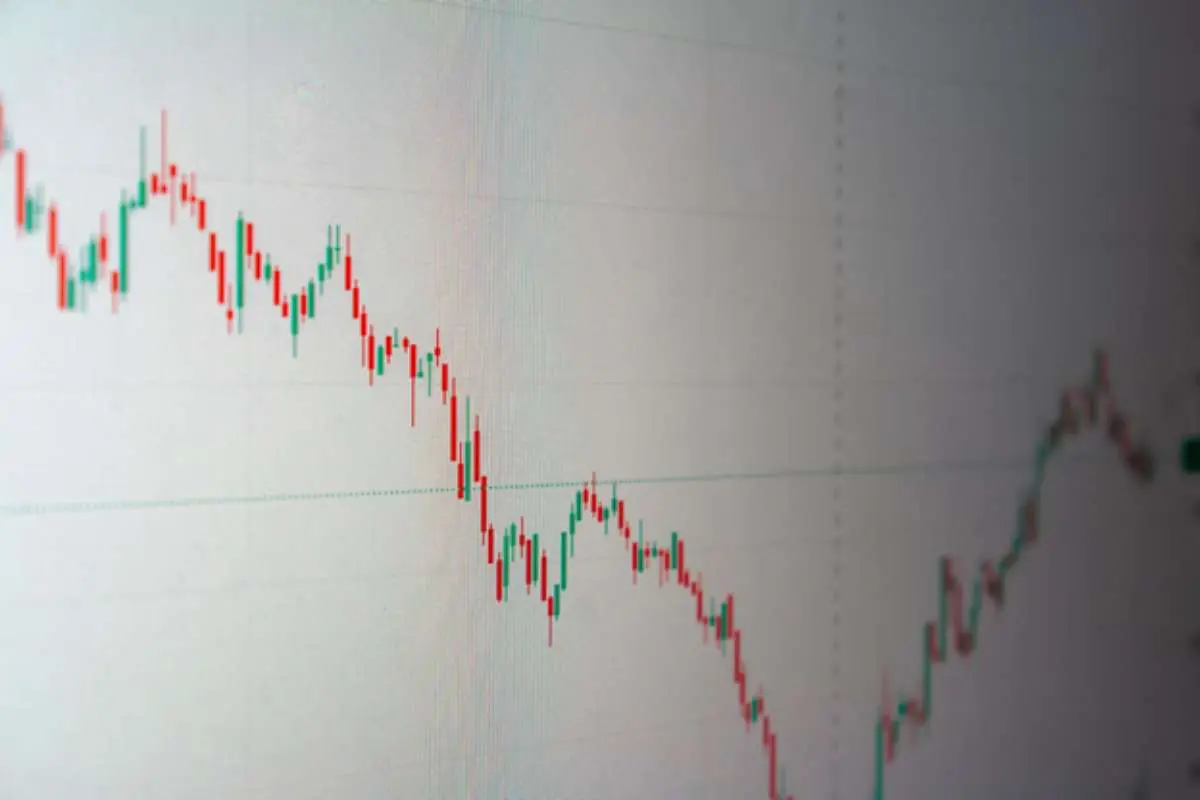
Gold market volatility often rises when global economic events change expectations about interest rates, currencies or financial stability. Prices can respond not just to what happens, but to how far the news differs from what traders expected.
For anyone following gold, the key is understanding which economic forces are changing and how they interact.
Interest rates and gold market volatility
Interest rate expectations affect the appeal of holding gold compared with assets that pay income. Gold offers no interest, so higher bond yields can make it less attractive, while falling yields can improve its relative appeal.
The important distinction is between nominal rates and real yields, which account for inflation. Rising real yields generally create a headwind for gold, although other forces can outweigh that pressure.
Opportunity cost is one of gold’s major price drivers. For traders, watching changes in rate expectations can be more useful than looking only at the current policy rate.
Unexpected central bank guidance can therefore move gold before any actual rate change occurs. Markets adjust to the anticipated path of borrowing costs, not just the latest announcement.
Currency movements and dollar pricing
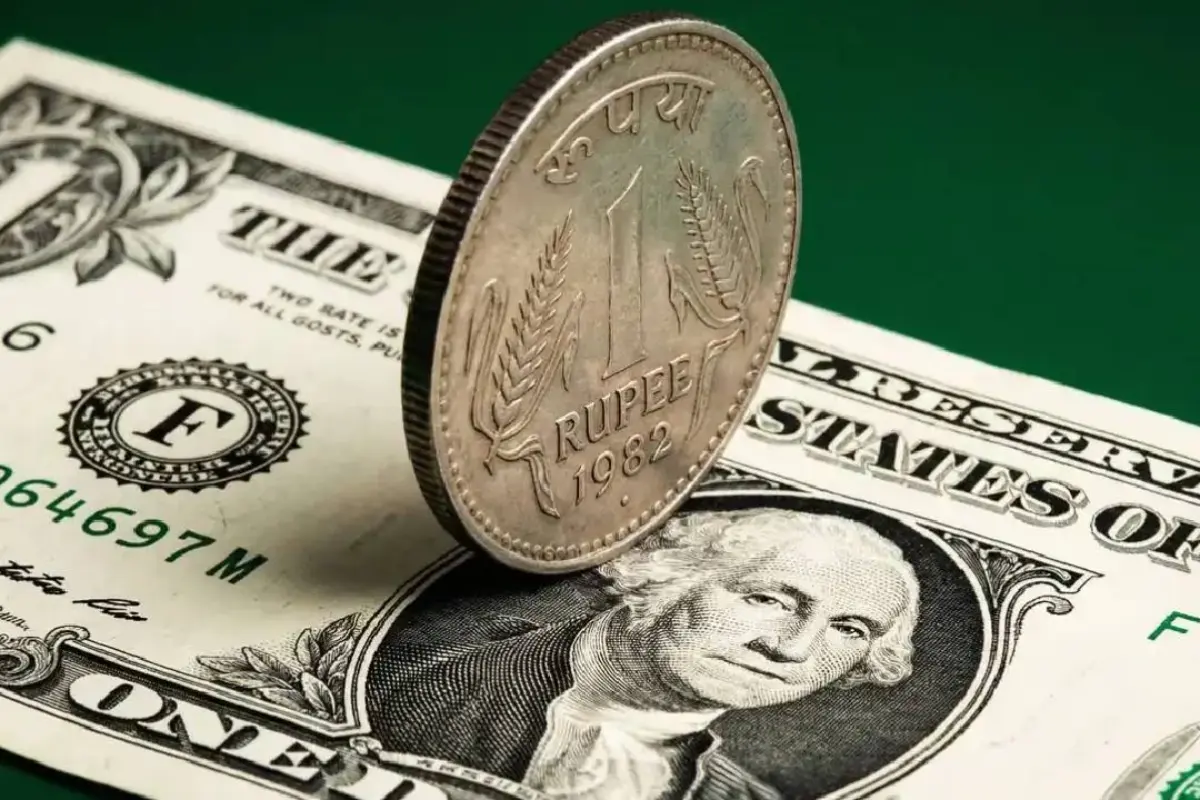
Gold is commonly priced in US dollars, making currency movements an important influence on its market behavior. A stronger dollar makes gold more expensive for buyers using other currencies, while a weaker dollar can improve their purchasing power.
The relationship is not automatic. During periods of severe uncertainty, investors may seek both dollars and gold, allowing the two to rise together.
And currency-related news can arrive during a trading break. So, traders may have to wait before adjusting their gold positions.
For example, Afterprime’s XAU/USD trading hours, for gold priced in US dollars, run from Monday at 22:05 UTC to Friday at 20:55 UTC, with a daily break.
Inflation surprises and competing market pressures
Inflation can influence gold through both investor demand and expectations for monetary policy. When purchasing power becomes a concern, some investors turn to gold as a store of value.
However, stronger inflation can also increase expectations of tighter monetary policy. Higher expected real yields may then offset some of the demand for inflation protection.
The surprise matters as much as the headline figure. An inflation reading that matches forecasts may generate little reaction, while an unexpected result can trigger rapid repricing.
Gold should therefore not be treated as a guaranteed short-term inflation hedge. Its response depends on how inflation changes the wider outlook for rates, currencies and investor confidence.
Geopolitical uncertainty and safe haven demand
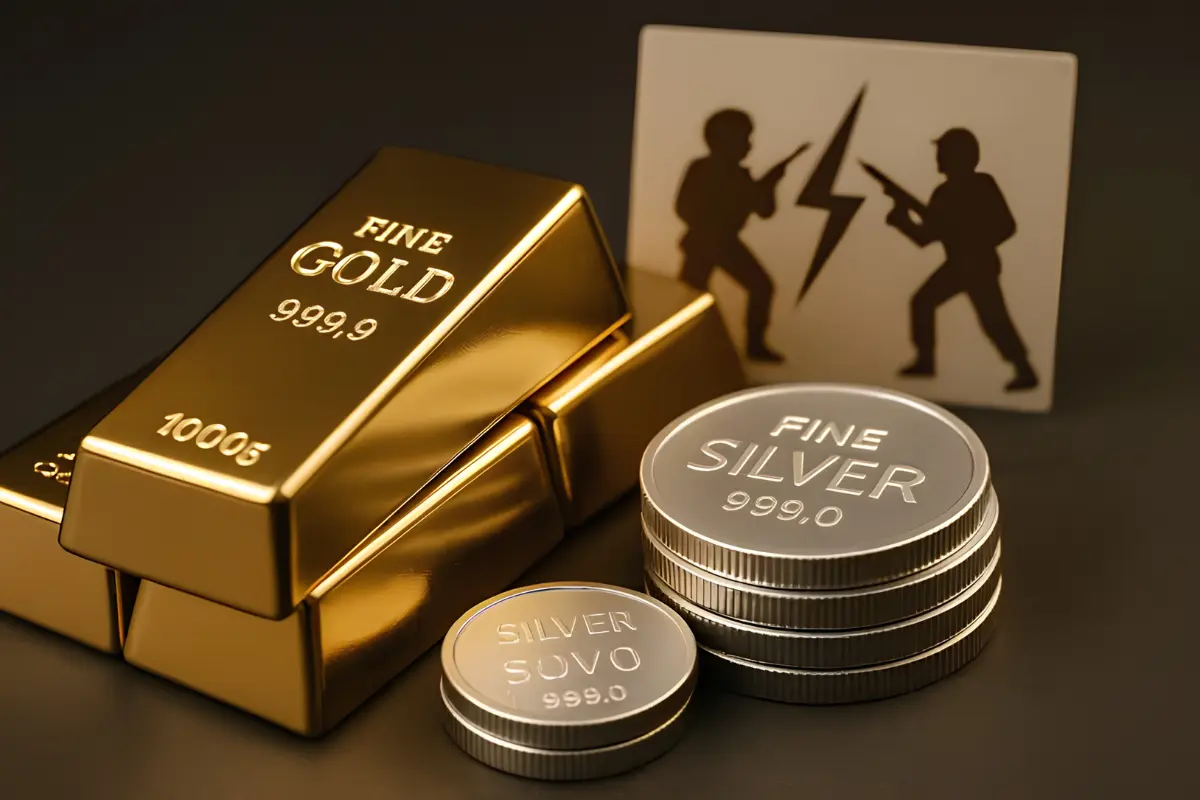
Geopolitical tensions and trade restrictions can increase demand for gold when investors become less comfortable holding riskier assets. Uncertainty about supply chains, international payments or economic relationships can encourage a more defensive approach.
Research discussed by the International Monetary Fund connects geopolitical fragmentation with changes in trade and financial relationships. For gold traders, those changes matter because they can reshape expectations about growth, inflation and reserve allocation.
Prices may move sharply when uncertainty increases, then reverse if tensions ease. Traders who bought protection may reduce those positions once the perceived threat declines.
Safe-haven demand does not guarantee uninterrupted gains. The speed of changing expectations can create volatility in both directions.
Growth shocks and changing investor behavior
Weakening global growth can support gold if investors expect lower interest rates or seek protection from financial stress. Also, economic slowdowns can reduce confidence in stocks and other growth-sensitive assets.
Yet sharp market stress can initially push gold lower. Investors facing cash needs or margin calls may sell liquid holdings, including gold, even while uncertainty remains elevated.
Physical demand adds another complication. Slower household income growth can weaken jewelry purchases, potentially offsetting some investment demand.
The result depends on which force dominates at a given moment. Distinguishing defensive buying from cash-driven selling helps explain why gold can react differently as an economic slowdown develops.
Central bank decisions and reserve demand

Central banks hold gold as part of their reserves, and changes in their buying or selling can influence the market’s supply-demand balance. Their decisions may reflect diversification goals, confidence in reserve currencies or concerns about international financial exposure.
Sustained purchases can provide underlying support, while unexpected changes in reserve policy may alter market expectations. Traders also react to what reported purchases suggest about future demand.
Reserve decisions usually develop over a longer horizon than reactions to economic releases. Even so, announcements can affect shorter-term sentiment, particularly when they challenge assumptions already reflected in prices.
Reading economic signals before reacting to gold moves
Gold market volatility becomes easier to interpret when you separate the forces behind each move. Interest rates, currencies, inflation, uncertainty, growth and reserve demand can reinforce one another or pull prices in opposite directions.
Has this article been helpful? If so, be sure to check out some of our other informative content.