Key Takeaways:
- Houthi attacks have disrupted air travel and raised operating risks across Saudi Arabia.
- An airport attack killed 13 people and injured more than 300.
- Hundreds of flights faced delays or cancellations, affecting airline schedules and passengers.
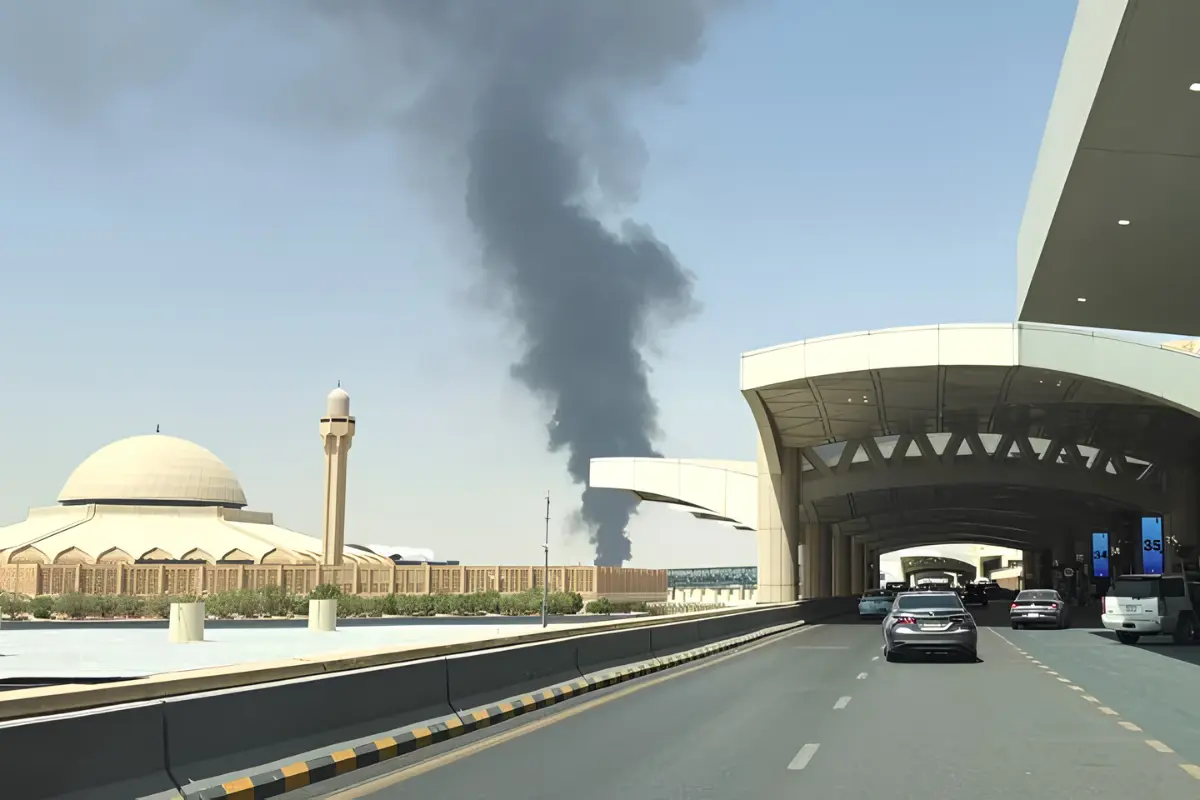
Saudi Arabia has faced multiple attacks claimed by Yemen’s Houthi group, including strikes on King Khalid International Airport in Riyadh. An attack on October 10 killed 13 people and injured more than 300, while a further strike on the airport caused additional injuries. The Houthi attacks have disrupted air travel and raised concerns for airlines, passengers, and businesses that depend on regional transport links.
Flight disruptions affect airlines and regional travel
Hundreds of flights to and from Saudi Arabia were delayed or cancelled following the Houthi attacks. The disruptions affect airline schedules and passenger travel, while carriers must respond to changing operating conditions around the kingdom’s airports and airspace.
The Houthi group warned airlines against using Saudi airports or airspace, claiming they were unsafe. The warning adds uncertainty for airlines planning routes through the region, including carriers with connecting services and businesses relying on air travel for staff movement.
King Khalid International Airport, a major aviation hub in Riyadh, was struck again after the October 10 attack. Saudi civil aviation authorities reported that the later incident caused injuries. The available information did not provide a confirmed injury count for the second strike.
The flight disruptions may also affect travellers with onward connections, cargo movements, and time-sensitive business trips. Airlines operating in the region may need to review schedules and communicate changes to passengers as conditions develop. However, the reported information does not specify the number of affected carriers, the total number of cancelled flights, or the duration of the wider disruption.
Saudi Arabia also moved schools to remote learning for 1 week as a safety measure. The decision reflects the wider impact of the attacks on daily activities beyond the aviation sector.
Business and transport risks as attacks continue
The Houthi attacks come amid an escalation in the conflict between the Houthis and Saudi Arabia. Saudi Arabia backs Yemen’s internationally recognised government, which the Houthi group seeks to remove from power. The latest incidents have increased pressure on the kingdom’s security systems and raised concerns about the safety of key transport infrastructure.
For global businesses, disruption to air travel can affect employee movement, business meetings, tourism, and time-sensitive shipments. Companies with operations or customers in Saudi Arabia may need to monitor airline updates and assess whether travel plans remain viable.
The scale of the impact on freight and commercial supply chains remains unclear. The reported information confirms flight delays and cancellations but does not provide data on cargo volumes, financial losses, or the number of businesses affected.
The attacks have also drawn attention to the reliability of air travel through Saudi Arabia. Airlines must consider safety information and operating conditions when deciding whether to continue, change, or suspend services. Travellers may face longer journeys or need to arrange alternative routes if disruptions continue.
The situation remains fluid, with further developments likely to determine how long flight schedules and other activities remain affected. Businesses that rely on regular travel to the region will need to follow official aviation notices and updates from their airlines before making new arrangements.