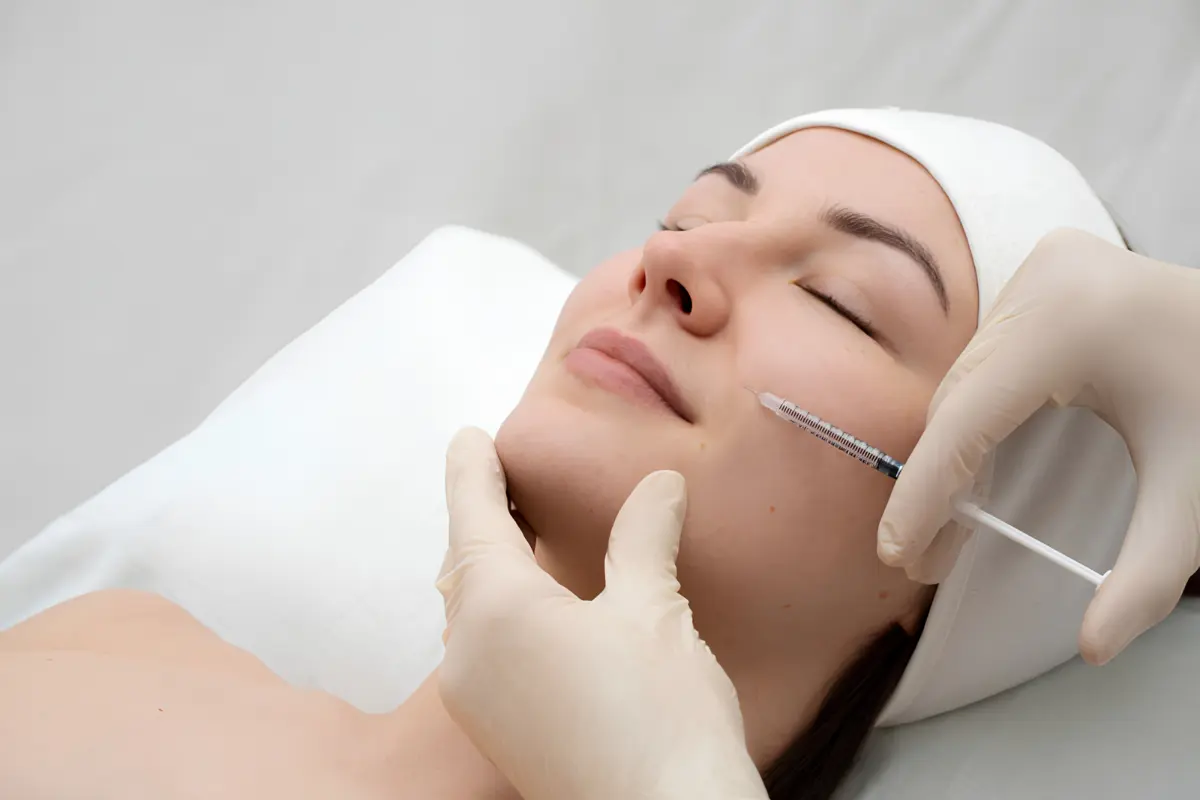
Hyaluronic acid (HA, also known as sodium hyaluronate) can help improve scars, especially atrophic scars such as depressed or pitted scars.
Its main mechanisms of action are physically filling the scar, stimulating collagen production, and improving skin hydration. That said, how well it works depends on the type of scar, the type of hyaluronic acid used, and the treatment method.
How hyaluronic acid improvces scars?
We all know hyaluronic acid is a natural component of the skin and plays a powerful role in retaining water. But its functions go well beyond that. It also works alongside collagen to help keep skin firm and elastic.
The main components of the dermis include hyaluronic acid, collagen fibers, elastic fibers, and reticular fibers.
1. Filling in depressions
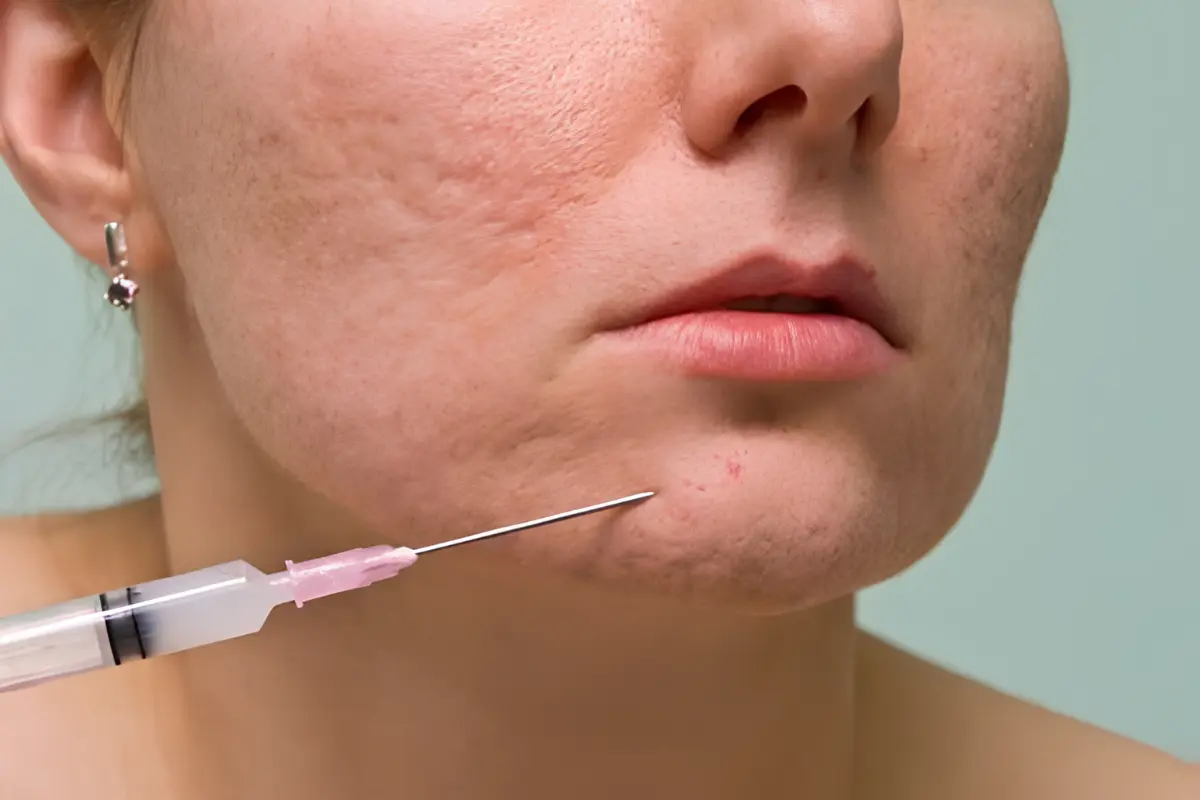
For scars caused by collagen loss, such as depressed acne scars, injecting highly crosslinked hyaluronic acid can effectively fill the depression and restore a smoother surface.
2. Stimulating collagen production
When hyaluronic acid is injected into the dermis, it stretches fibroblasts, which stimulates them to produce new collagen. This fundamentally improves the texture and elasticity of the scar and is one of the main reasons the effects can last.
3. Creating a favorable healing environment
Hyaluronic acid has excellent moisturizing properties and can significantly improve moisture levels in the scarred area during hyaluronic acid for scar treatment. It also has anti-inflammatory, antibacterial, and antioxidant properties, laying a solid foundation for skin repair. Some basic research even suggests it helps rebuild a fetal-like healing environment, reduces the expression of fibrotic factors, and ultimately helps minimize scar formation.
Is hyaluronic acid a universal solution for scars?
Absolutely not.
Hyaluronic acid is not effective for all types of scars. Currently, the strongest evidence supports its use for depressed scars, such as pitted acne scars, chickenpox scars, and depressed scars from trauma or surgery. For raised scars, such as hypertrophic scars or keloids, hyaluronic acid is generally not the first-line treatment.
Scar treatment is a medical procedure and must be performed by a dermatologist or plastic surgeon at a qualified medical facility. They will evaluate your specific situation and determine the appropriate type of hyaluronic acid, injection depth, and whether combination therapy is needed in hyaluronic acid for scar treatment.
Common types of hyaluronic acid:
- Non-crosslinked hyaluronic acid — used in microneedling or as part of “skin booster” treatments
- Crosslinked hyaluronic acid — used for filler injections
While HA injections alone can be effective, clinical studies often combine them with fractional lasers, microneedling, or PRP (platelet-rich plasma) to achieve a synergistic effect where the combined result exceeds what either treatment could achieve alone. Stanford Advanced Materials offers high-quality crosslinked and non-crosslinked hyaluronic acid.
Conclusion
In summary, hyaluronic acid is an effective and safe option for improving depressed scars, especially for those considering hyaluronic acid for scar treatment who want to avoid surgery or laser treatment. But to get the best results, three things matter most: finding the right doctor, using the right product, and applying the right technique.