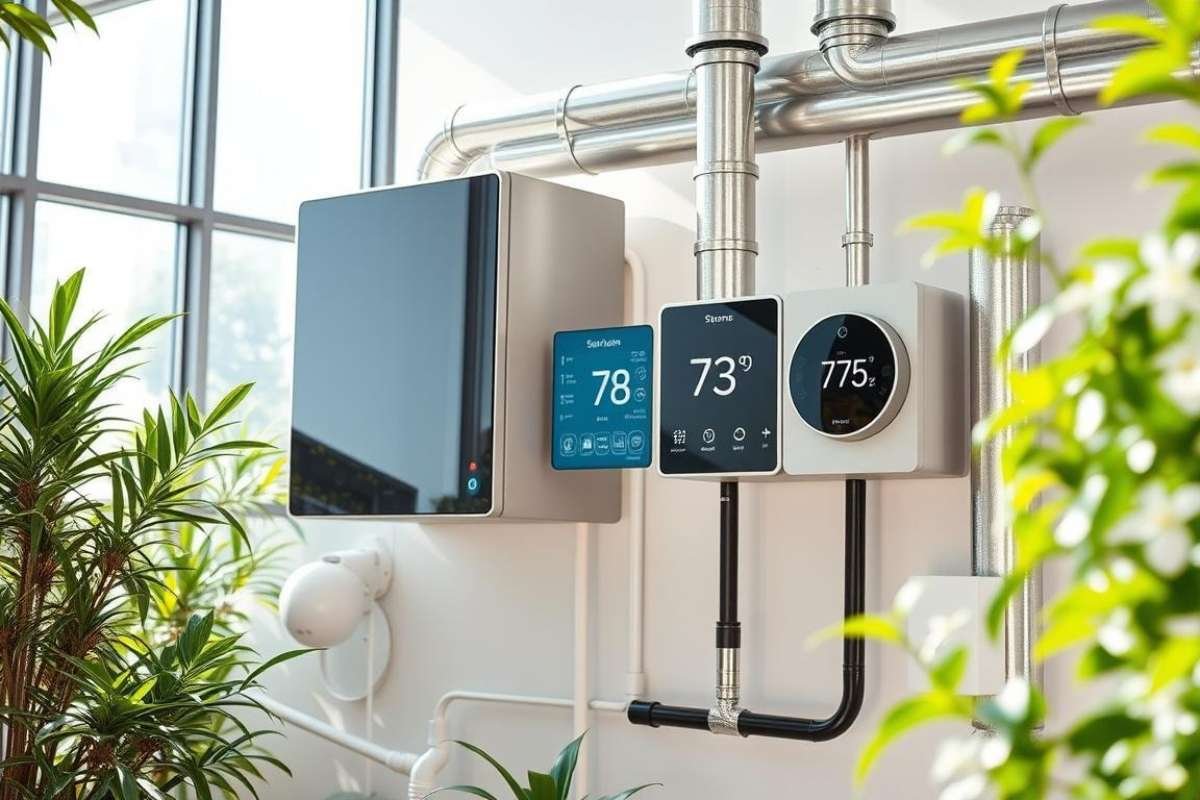
IoT sensors in HVAC systems for commercial properties of all sizes are transforming what has long been the biggest source of energy consumption.
Throughout recent decades, these systems have largely run on reactive maintenance and fixed operational schedules; however, this is all beginning to change today in 2026. With the latest integrations of Internet of Things (IoT) sensors, today’s cutting-edge HVAC systems are being revolutionized from static utilities to data-driven performance systems.
We recently interviewed a renowned HVAC contractor based in Salt Lake City, Utah at Apex Clean Air to get a more professional glimpse into how IoT sensors are changing the game for businesses of all types when it comes to indoor comfort, energy consumption and overall HVAC performance.
What we learned is that IoT-enabled HVAC is now one of the biggest strategic investments for enterprises in need of greater sustainability, efficiency and operational controls—so, check out the below sections to learn more about the growing role of IoT HVAC sensors!
Converting Modern HVAC Systems Into State-Of-The-Art Intelligent Networks
One of the biggest advancements that IoT sensors provide is an endless collection and transmission of data streams from all over a commercial property.
IoT sensors in HVAC are measuring critical factors such as humidity, temperature, airflow, air quality, occupancy levels, and equipment vibrations. As a result, instead of relying solely on manual checkups and basic assumptions, today’s business leaders and building managers gain seamless, real-time insights into system performance.
A common example of this is occupancy sensors being able to know when workspaces or conference rooms are empty, and then subsequently reducing heating or cooling needs in these specific zones. The same can be said for when groups begin gathering in a space, because the IoT sensor will immediately respond by adjusting temperature and increasing airflow.
This unparalleled level of responsiveness goes an incredibly long way to ensure optimal indoor comfort, all while simultaneously avoiding unneeded energy consumption!
Predictive HVAC Maintenance Reducing Costs & Downtime
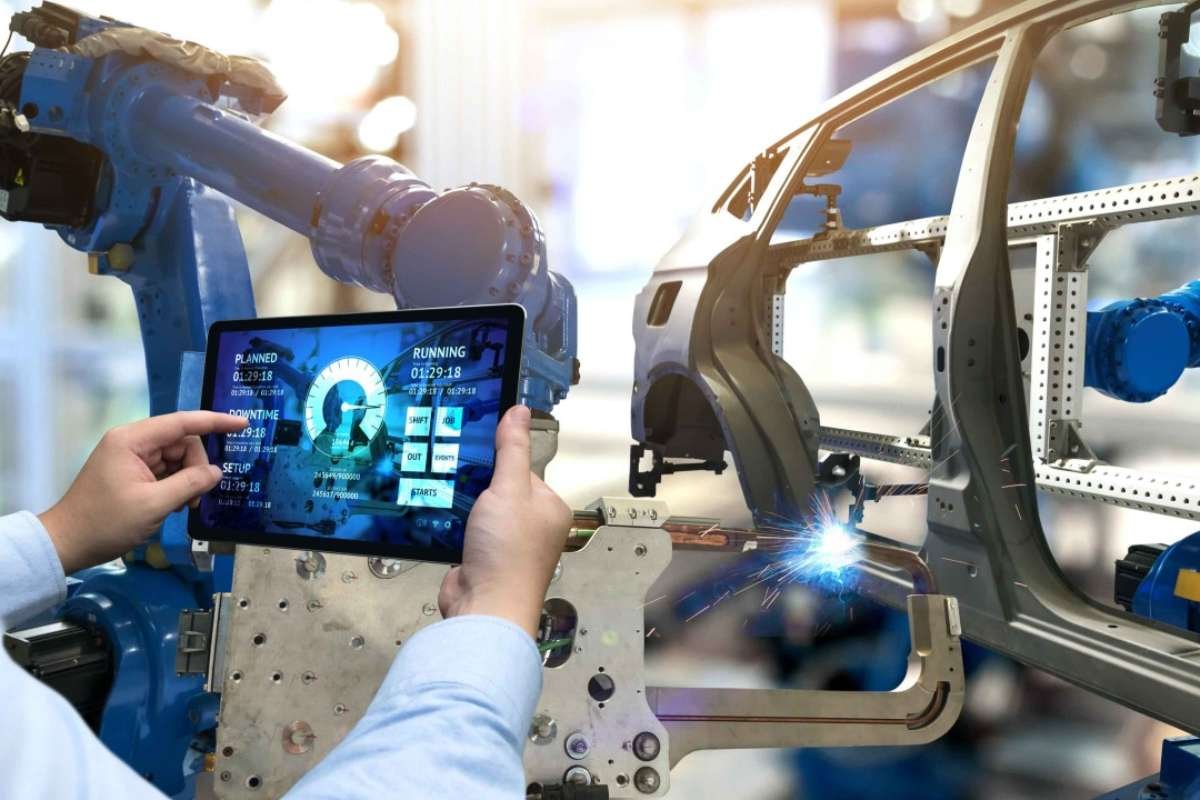
Another tangible advantage associated with IoT sensors is predictive maintenance.
Whereas conventional HVAC systems rely solely on time-based maintenance schedules oriented around fixed intervals, this new approach doesn’t miss early warning signs and helps businesses avoid unnecessary expenses.
By continuously monitoring equipment health, IoT sensors seamlessly keep track of factors like pressure levels, motor vibration and temperature fluctuations. The sensors are also easily capble of recognizing abnormal performance patterns, which then triggers a system alert long before components actually fail.
IoT sensors in HVAC enable a proactive maintenance approach that helps enterprises avoid unexpected breakdowns, protecting employee productivity, preventing operational disruptions, and reducing costly repair jobs.
Sustainability & Energy Efficiency Goals
Another major driver behind the widespread adoption of IoT sensors in HVAC systems is energy efficiency.
Commercial properties undoubtedly account for a significant percentage of society’s overall energy consumption, and HVAC usage typically represents the vast majority of this specific consumption.
What’s incredible about IoT-enabled HVAC optimization is that it allows for systems to operate only where and when they’re actually needed. This happens through the sensors adjusting settings like airflow in real-time, as well as ensuring that equipment doesn’t unnecessarily run during off-hours.
These subtle, yet impactful improvements are helping commercial buildings of all sizes when it comes to reducing energy consumption—which in turn supports organizations in their efforts toward sustainability initiatives and lower operational costs.
Enhanced Workplace Wellness & Indoor Air Quality (IAQ)
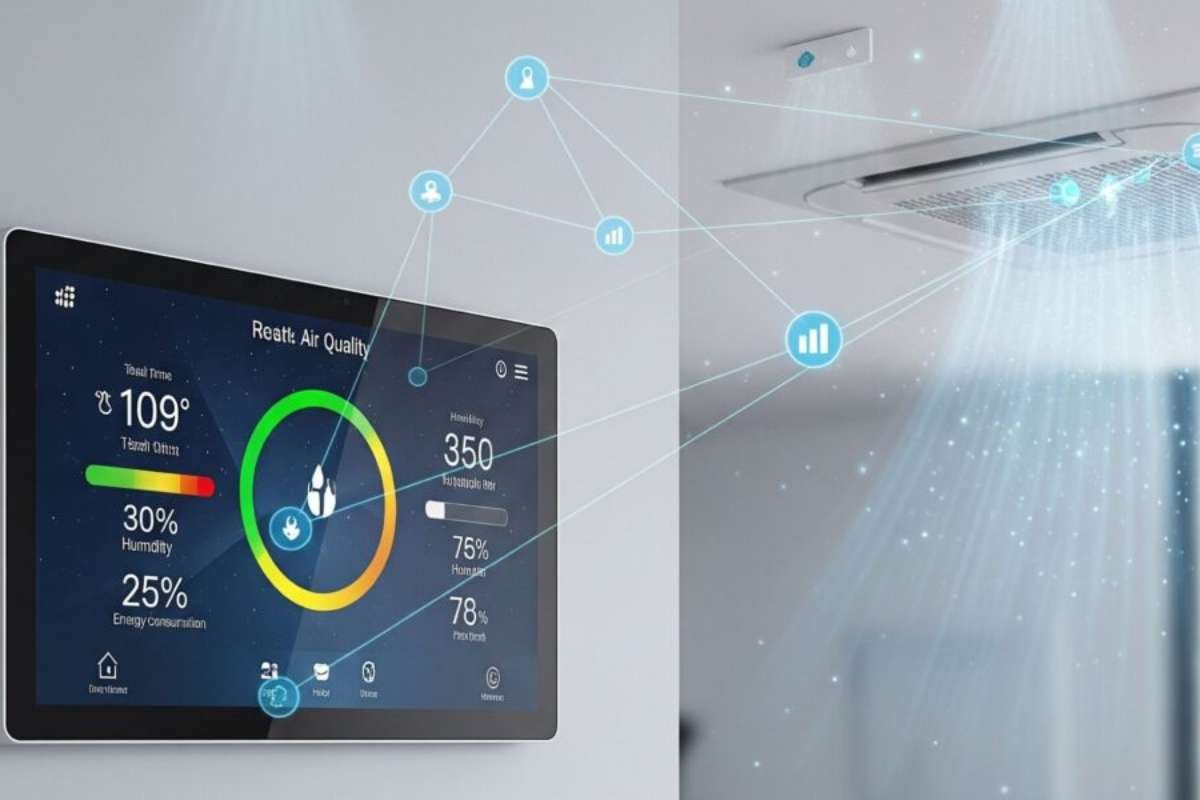
Indoor air quality (IAQ) has become a top priority for countless employers in recent years, and this is particularly due to a widespread increase in airborne health risk awareness.
IoT sensors do a great job at monitoring a property’s particulate matter, carbon dioxide, humidity and ventilation levels—which is generally meant to guarantee healthy and comfortable indoor environments.
And if air quality declines inside a building, these new HVAC systems will automatically adjust filtration settings and increase ventilation. Not only does this help ensure employee well-being, but it also can have a positive ripple effect in terms of reducing sick days and enhancing company productivity.
Seamless Integration With Smart Building Platforms
IoT-enabled HVAC systems are also commonly integrated within much broader smart building ecosystems.
This tech-savvy integration allows facility managers to access a centralized dashboard that combines HVAC system performance with all sorts of other building settings like security, lighting and energy monitoring.
What’s even better about this unified visibility is that it allows organization to optimize resource allocation, identify inefficiencies, and make all sorts of data-based decisions oriented around infrastructure investments.
And over long periods of time, this invaluable data is also capable of revealing trends that support an enterprise’s capital improvements and long-term planning!
The Future Of Enterprise HVAC Is Here, So Is Your Business Ready For It?
There’s absolutely no denying how IoT sensors in HVAC are poised to advance significantly in the coming years, driving systems to evolve into more intelligent and autonomous solutions than ever before.
Machine learning algorithms are developing by the day to analyze IoT sensor data and continuously refine performance needs, and for enterprises, this building management shift is so much more than just a tech upgrade. It’s now a full-on strategic evolution oriented around performance-optimizing assets.
And in a business era that’s often defined by sustainability, efficiency and digital transformations, IoT-enabled HVAC sensors are quickly becoming the newest standard for more efficient and resilient buildings!