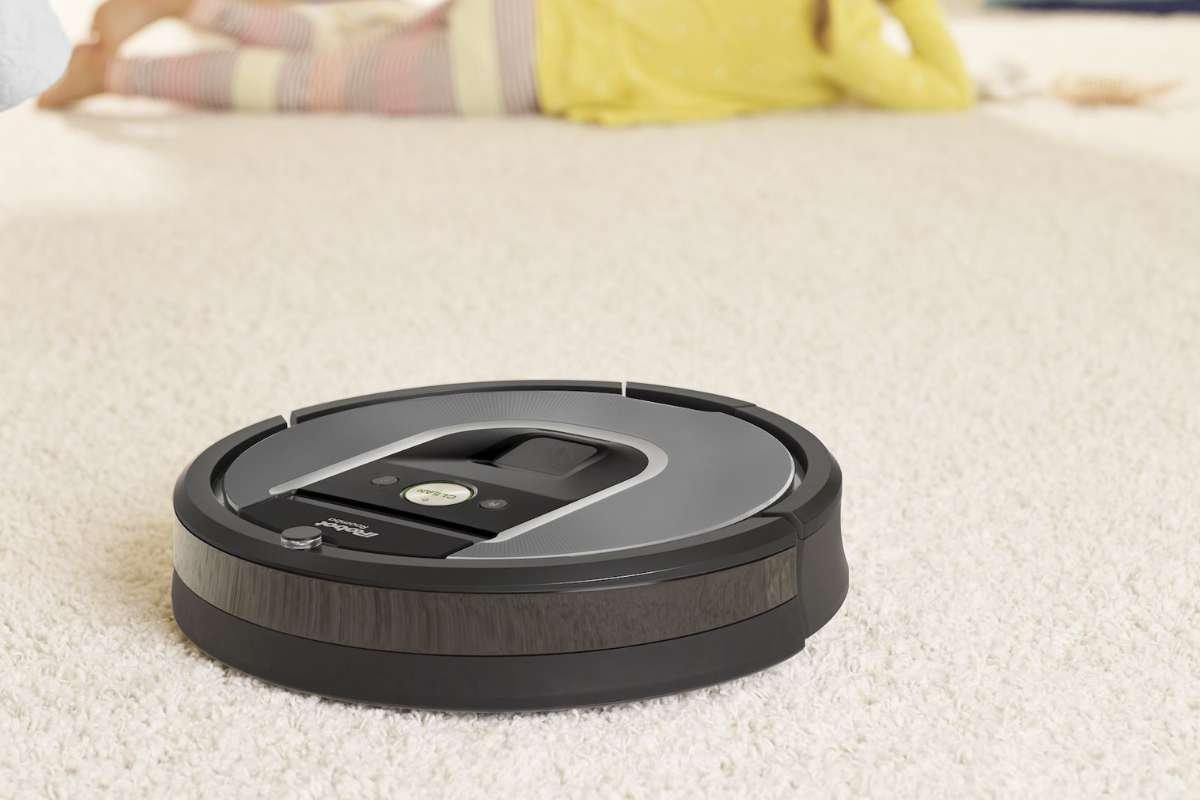
iRobot, the company that transformed household cleaning with its Roomba robotic vacuum, has filed for Chapter 11 bankruptcy protection in the United States, marking a dramatic turning point in the widely discussed iRobot bankruptcy. The filing ends the company’s decades-long run as a public firm and highlights the growing challenges facing consumer hardware brands in a crowded global market.
Founded in 1990 by robotics researchers from MIT, iRobot originally built machines for military and space applications before pivoting to consumer products. The launch of the Roomba in 2002 turned the company into a household name and effectively created the robotic vacuum category. At its peak in 2021, iRobot’s valuation soared as pandemic-era demand boosted sales. That momentum, however, proved short-lived.
In recent years, the company struggled with falling revenues, rising manufacturing costs, and aggressive competition from lower-priced rivals. International tariffs and supply-chain disruptions further strained margins, while consumers increasingly turned to feature-rich alternatives from overseas brands. By 2025, iRobot had warned investors that its cash position was deteriorating rapidly, setting the stage for bankruptcy protection.
A Failed Rescue and a Change in Ownership
The company’s financial decline accelerated after a proposed acquisition by Amazon collapsed following prolonged regulatory scrutiny. Announced in 2022, the deal was widely seen as a lifeline that could stabilize iRobot’s finances and expand its ecosystem. When regulators blocked the acquisition in early 2024, iRobot was forced into deep cost-cutting measures, including significant layoffs and leadership changes.
With no alternative buyers emerging, iRobot turned to its primary lender and manufacturing partner, Shenzhen-based Picea Robotics. Under a court-supervised restructuring agreement, Picea has agreed to acquire iRobot by converting outstanding debt into full ownership of the company. Once the bankruptcy process is completed, iRobot will become a privately held firm, and its publicly traded shares will be delisted. Existing shareholders are not expected to receive any equity under the restructuring plan.
Company executives have emphasized that bankruptcy protection is intended to stabilize operations rather than shut them down. iRobot has stated that it will continue manufacturing products, supporting existing devices, and maintaining its software platforms while the restructuring moves forward. The transition is expected to conclude in early 2026, pending court approval.
What iRobot’s Bankruptcy Signals for the Tech Industry
Industry analysts view iRobot’s collapse as a cautionary tale for consumer tech companies that rely heavily on a single flagship product. While the Roomba brand remains widely recognized, sustained innovation and pricing flexibility proved difficult as competition intensified and margins narrowed. The case highlights how quickly market leadership can erode when technological advantages shrink and costs rise.
Under new ownership, iRobot’s future will depend on whether it can leverage its brand legacy while improving manufacturing efficiency and supply-chain control. Company leadership has framed the outcome of the iRobot bankruptcy as a strategic reset aimed at restoring long-term stability.
For consumers, the immediate impact is expected to be limited, with warranties, customer service, and product updates continuing as normal. For the broader tech sector, iRobot’s bankruptcy serves as a stark reminder that even category-defining innovators are not immune to market shifts, regulatory roadblocks, and global competition.
Visit The Enterprise World for the latest information.