Key Takeaways
- Japan has launched its first operational neutral atom quantum computer system.
- The system will initially operate with approximately 50 qubits for research.
- Development plans target 500 qubits before reaching 10,000 physical qubits.
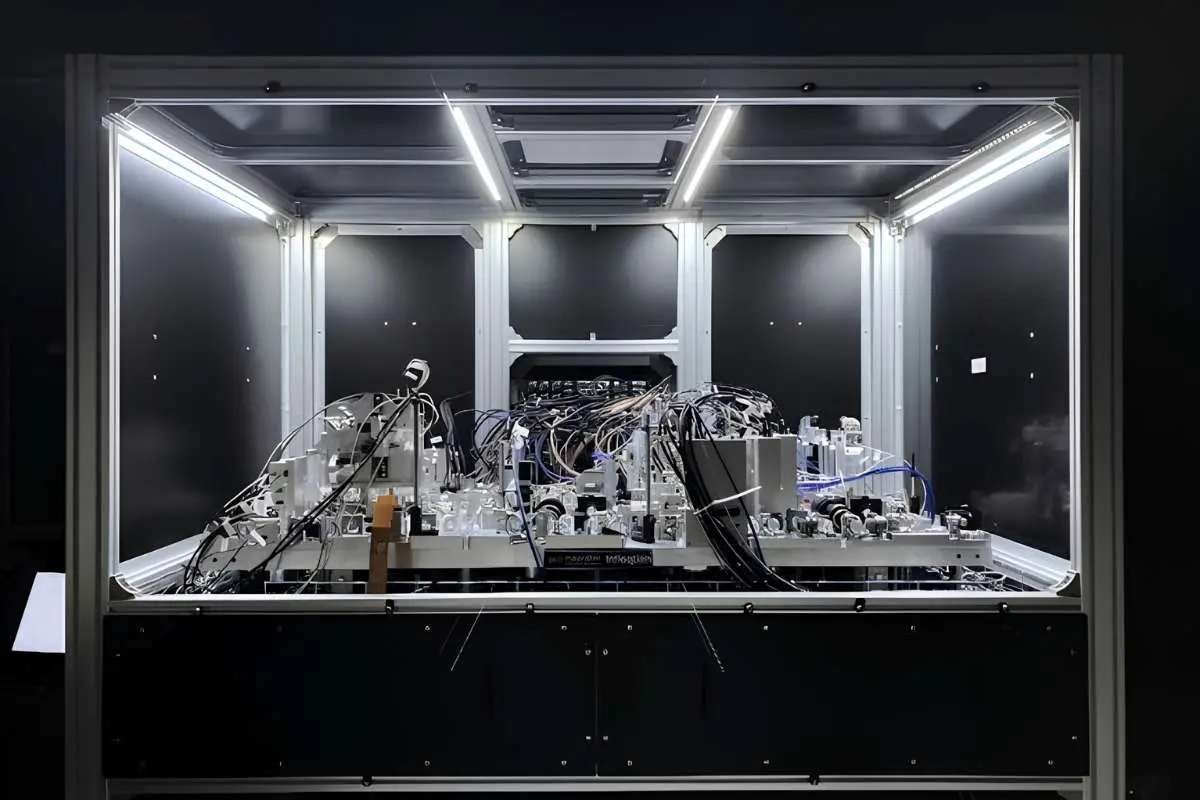
Japan has launched its first operational neutral atom full-stack quantum computer with support from quantum technology company Infleqtion and a research team led by Professor Kenji Ohmori at the Institute for Molecular Science (IMS). The system, called “Shunkai,” is initially expected to operate with approximately 50 qubits, with plans to increase its capacity to around 500 qubits, marking a significant step for the Japan Quantum Computer programme.
Japan begins operation of neutral atom quantum system
Infleqtion contributed its quantum processing unit to the project in collaboration with the Ohmori research group at IMS. The project is part of Japan’s Quantum Moonshot programme, with Infleqtion selected by the Japan Science and Technology Agency as its foreign quantum partner. The new system represents a move from quantum computing research toward an operational full-stack platform.
A full-stack quantum computer brings together the processing hardware and the systems required to program and operate the machine. The initial system is expected to have approximately 50 qubits. Development work will then focus on increasing the system to around 500 qubits as the platform matures.
For Indian technology companies, startups, and research institutions, this Japan Quantum Computer development provides another example of how quantum computing is moving from laboratory research toward operational systems. Neutral atom technology is one of several approaches being developed to increase the number of usable qubits in quantum computers.
The system has been developed through cooperation between the IMS research team and Infleqtion. The collaboration combines academic research with quantum processing hardware to establish a functioning computing platform.
Next phase targets 10,000 physical qubits
The next phase of the Ohmori Moonshot project began in April 2026. The IMS team will focus on system integration, stability, and scalability as development continues. The longer-term target is a neutral atom quantum computer with up to 10,000 physical qubits. The project also aims to introduce quantum error detection and correction capabilities, which are required for developing more reliable quantum computing systems.
The planned increase from approximately 50 qubits to 500 qubits and eventually up to 10,000 physical qubits represents the project’s intended development path. The researchers will need to improve system stability and integration as the number of qubits increases.
The platform is also expected to be made available to external users. This could allow researchers and companies to test quantum applications and conduct research into quantum error correction. Access for external users would also expand opportunities for academic and industrial research using the system. Businesses working on quantum algorithms, materials research, optimization, and other computing applications could use such platforms as quantum hardware becomes more accessible.
The development adds to Japan’s ongoing work in quantum computing and highlights the growing focus on neutral atom systems. For Indian businesses, the progress offers a view of an emerging technology that could eventually create opportunities across computing, research, software, and advanced engineering.
The current system remains at an early stage, with approximately 50 qubits planned for initial operation. Its development roadmap includes 500 qubits and a longer-term target of 10,000 physical qubits with error detection and correction capabilities, Infleqtion confirmed as part of the wider Japan Quantum Computer push.