Key Points:
- Jim Beam to pause distillation at flagship Kentucky distillery in 2026
- Move driven by inventory surplus, tariffs, and softer consumer demand
- Company frames pause as strategic recalibration, not financial distress
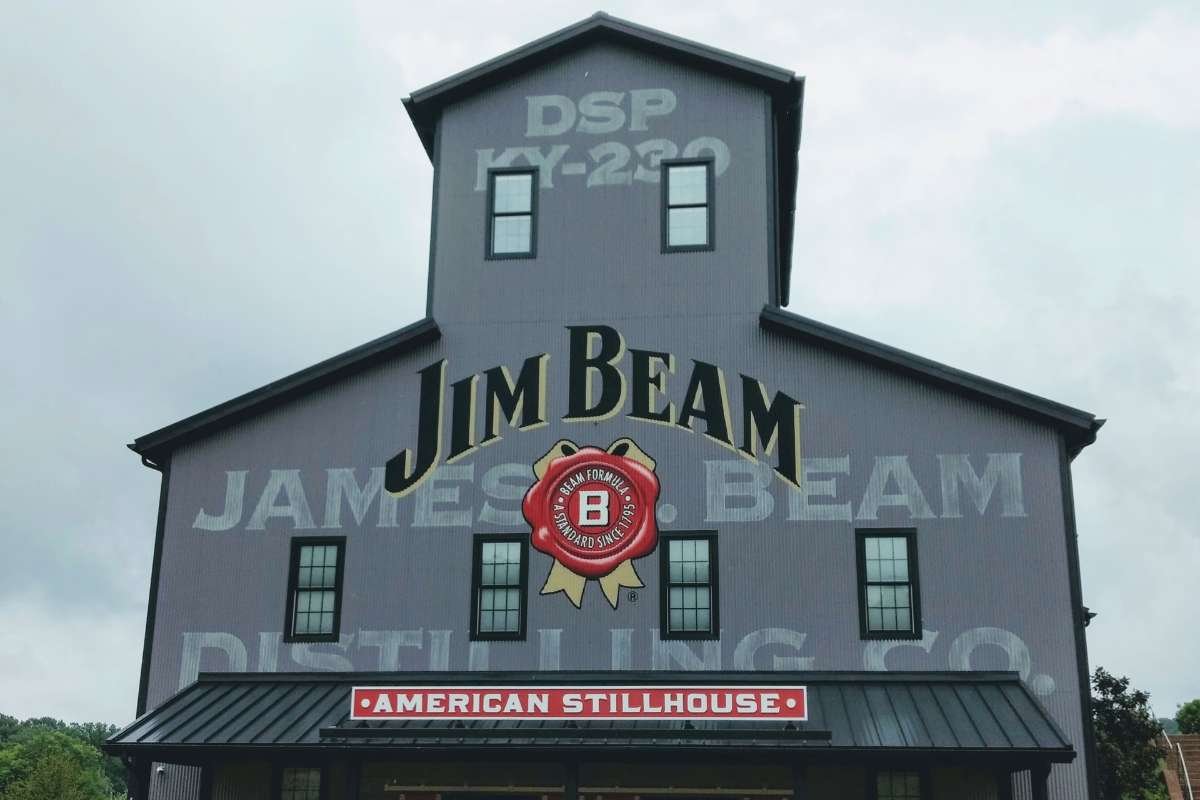
Jim Beam, one of America’s most recognizable bourbon producers, will pause distillation at its flagship Kentucky facility beginning January 1, 2026. The temporary shutdown will affect the James B. Beam distillery in Clermont, a site that has played a central role in U.S. bourbon production for generations. Company officials said the pause is expected to last about a year and is part of a broader effort to align output with current market conditions.
Despite the halt in distillation at the main campus, Jim Beam confirmed that operations at its smaller distilleries in Kentucky will continue. Bottling, warehousing, and visitor experiences linked to bourbon tourism are also expected to remain active. The company emphasized that the move does not signal a retreat from Kentucky, which remains the heart of its bourbon-making heritage. Discussions are underway with labor representatives to manage workforce arrangements during the pause, with an emphasis on minimizing disruption to employees.
Tariffs, Inventory Surplus, and Changing Demand
The production pause comes as bourbon producers across Kentucky face mounting pressures from rising inventories, international trade barriers, and shifting consumer behavior. Whiskey stocks in the state have reached record levels, creating significant tax burdens for distillers as aging barrels accumulate faster than sales. These elevated inventory costs have become a growing concern for large producers managing long maturation cycles.
Trade tensions have further complicated the picture. Retaliatory tariffs imposed by international trading partners in response to U.S. trade policies have weakened exports of American whiskey, particularly in key markets such as Canada. In some regions, U.S. spirits have faced outright bans or sharply reduced shelf presence, limiting overseas sales and dampening long-term growth expectations.
At the same time, domestic demand has softened. Consumers are becoming more selective in discretionary spending, and younger demographics are increasingly moderating alcohol consumption. These shifts have reduced near-term demand growth, prompting major distillers to reassess production schedules that were set during earlier periods of expansion and optimism.
Industry Adjustment, Not a Retreat
Jim Beam’s leadership has framed the pause as a strategic recalibration rather than a sign of financial distress. With ample mature whiskey already aging in warehouses, the company believes it can continue meeting consumer demand without producing additional volumes in the short term. Executives also noted that bourbon production decisions are inherently long-range, often based on demand forecasts years into the future rather than immediate market fluctuations.
Industry analysts view the move as part of a wider adjustment across the American whiskey sector, where producers are prioritizing balance over rapid expansion. Many distillers are urging policymakers to address trade barriers and provide relief from escalating storage-related taxes to ensure long-term industry stability.
As the global spirits market continues to evolve, Jim Beam’s decision underscores how even legacy brands must adapt to economic realities, international policy shifts, and changing consumer preferences. The temporary pause at one of bourbon’s most historic distilleries reflects an industry recalibrating for sustainability in an uncertain global environment.
Visit The Enterprise World for the latest information.