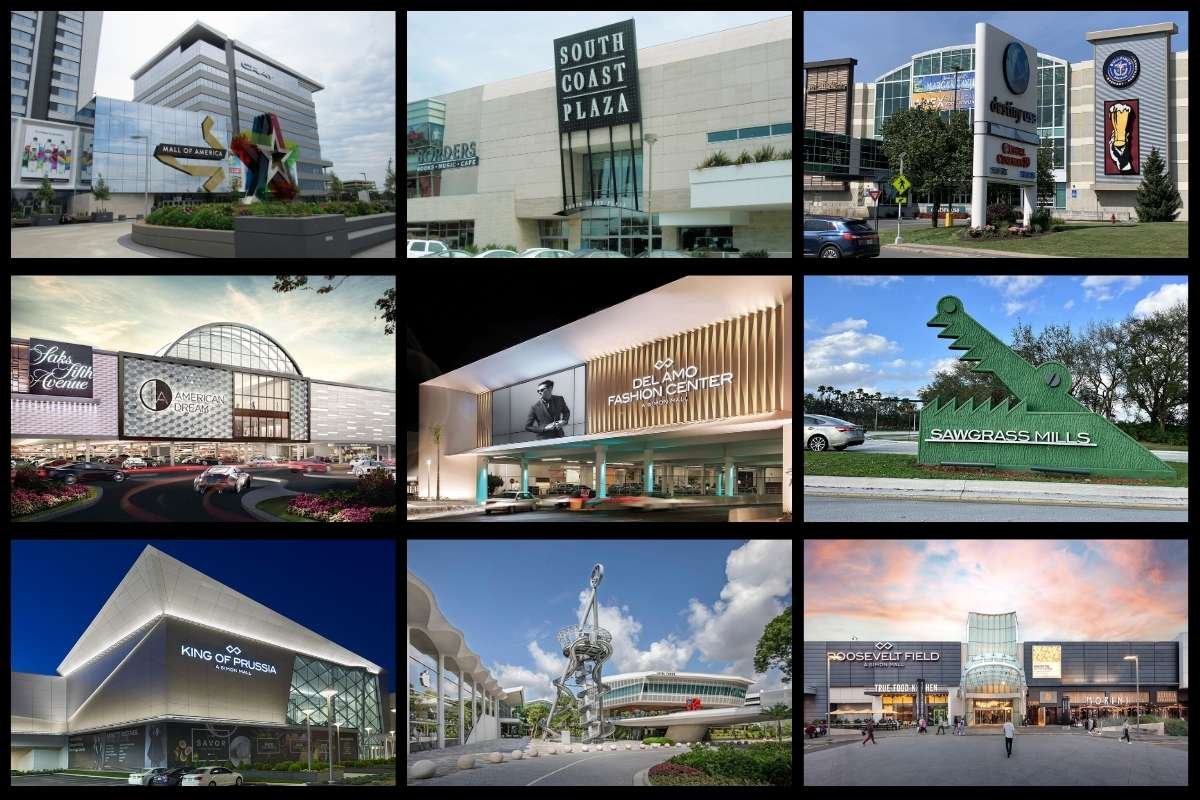
Walking into the largest malls in the US feels a bit like entering a giant playground disguised as a shopping center. Time slips away the moment you step inside, and your feet start to complain long before your wallet even warms up. One wrong turn and you end up inside a scented-candle zone that smells like a forest, a bakery, and maybe a fresh mountain breeze all at once. These malls operate like small cities, except the leaders here are food courts, escalators, and sale signs.
People come for many reasons: shopping sprees, ice-skating attempts, selfies with oversized art pieces, or simply to take a break from daily life. Kids love the noisy arcades. Adults love the endless stores. Everyone loves the idea that something exciting sits just a few steps away. Bright lights, long hallways, and the buzz of crowds create an energy that makes each visit feel new.
This guide walks you through the largest malls in the US, shows what makes them stand out, and reveals why these massive spaces keep pulling millions of people through their doors every year.
What Defines the Largest Malls in the US?
Factors shape the Largest Malls. Size tops the list. Gross leasable area measures retail space in square feet. Mall of America leads at 5.6 million sq ft. It dwarfs others by blending shops with fun zones. Next comes visitor pull. Spots like these draw 40 million people yearly. They thrive on crowds that spend big. Entertainment seals the deal.
Theme parks, slides, and water parks keep feet moving. King of Prussia Mall mixes 450 stores with Netflix spots. Luxury brands boost appeal too. South Coast Plaza packs Gucci and Chanel. Jobs and taxes follow. These hubs create thousands of roles and pump billions into local economies.
Likeability hinges on variety. Outlet deals at Sawgrass Mills hook bargain hunters. Upscale vibes at Aventura Mall lure high rollers. Each mall shines through unique hooks. Data from retail trackers confirms this. They rank by space, sales, and buzz.
| Factor | Why It Matters | Example Mall |
| Square Footage | Sets raw scale for stores and fun | Mall of America (5.6M sq ft) |
| Annual Visitors | Drives sales and energy | Aventura Mall (28M visitors) |
| Entertainment | Turns shopping into an adventure | American Dream (indoor ski) |
| Store Count | Offers choice overload | King of Prussia (450 shops) |
| Economic Boost | Fuels jobs and local cash | Mall of America ($2B impact) |
15 Largest Malls in the US
Here are the top 15 Largest Malls by retail space. Each pack unique punch. Shoppers rave about their scale and perks.
1. Mall of America (Bloomington, Minnesota)
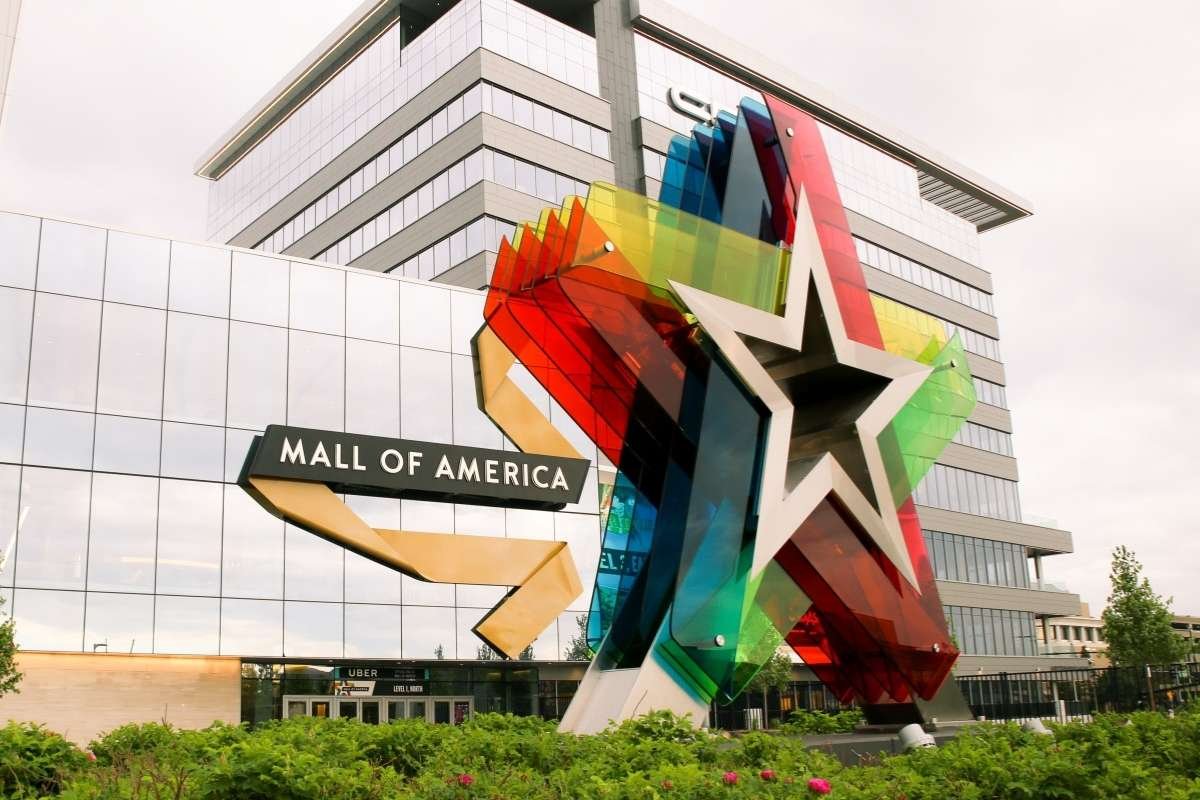
Size: 5.6 million sq. ft. | Feature: Indoor theme park
Mall of America leads the largest malls in the US because it feels like an entire city in one building. It has hundreds of stores, huge food courts, art corners, and an indoor theme park that makes families stay for hours.
People enjoy wide hallways, bright lighting, and a layout that never feels dull. Events, seasonal shows, and new attractions keep the mall active throughout the year. The mix of fun, food, and shopping turns every visit into a busy, exciting day. This mall continues to set the standard for mega-mall experiences.
2. American Dream (East Rutherford, New Jersey)
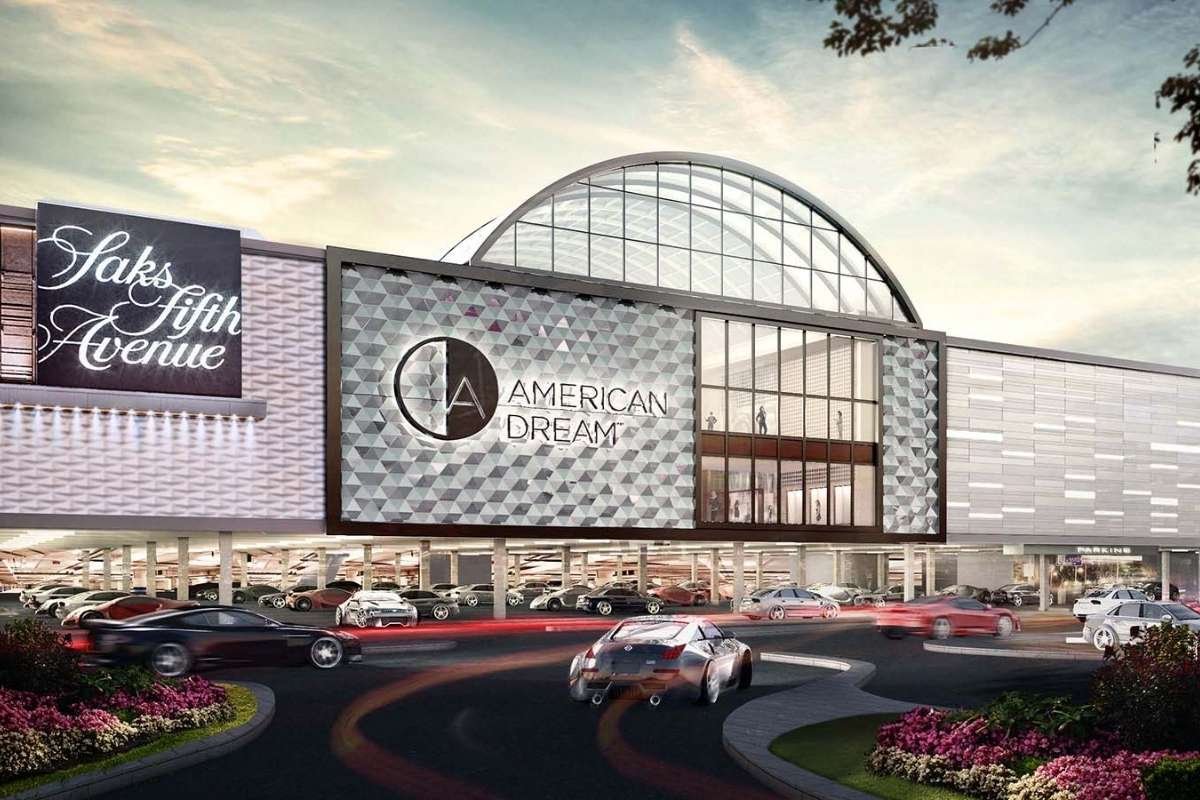
Size: 3 million sq. ft. | Feature: Water park & ski slope
American Dream stands out among the largest malls because it treats entertainment like its main identity. It offers a full water park, an indoor ski slope, an aquarium, and amusement rides that attract families for long visits.
Shoppers still find major brands, luxury stores, and plenty of dining options spread across large walkways. Its bright interior design creates an open feel that reduces crowd stress. People often spend an entire day here because there is always something new to try. Shopping and adventure blend smoothly, making the mall a true destination.
3. King of Prussia Mall (King of Prussia, Pennsylvania)
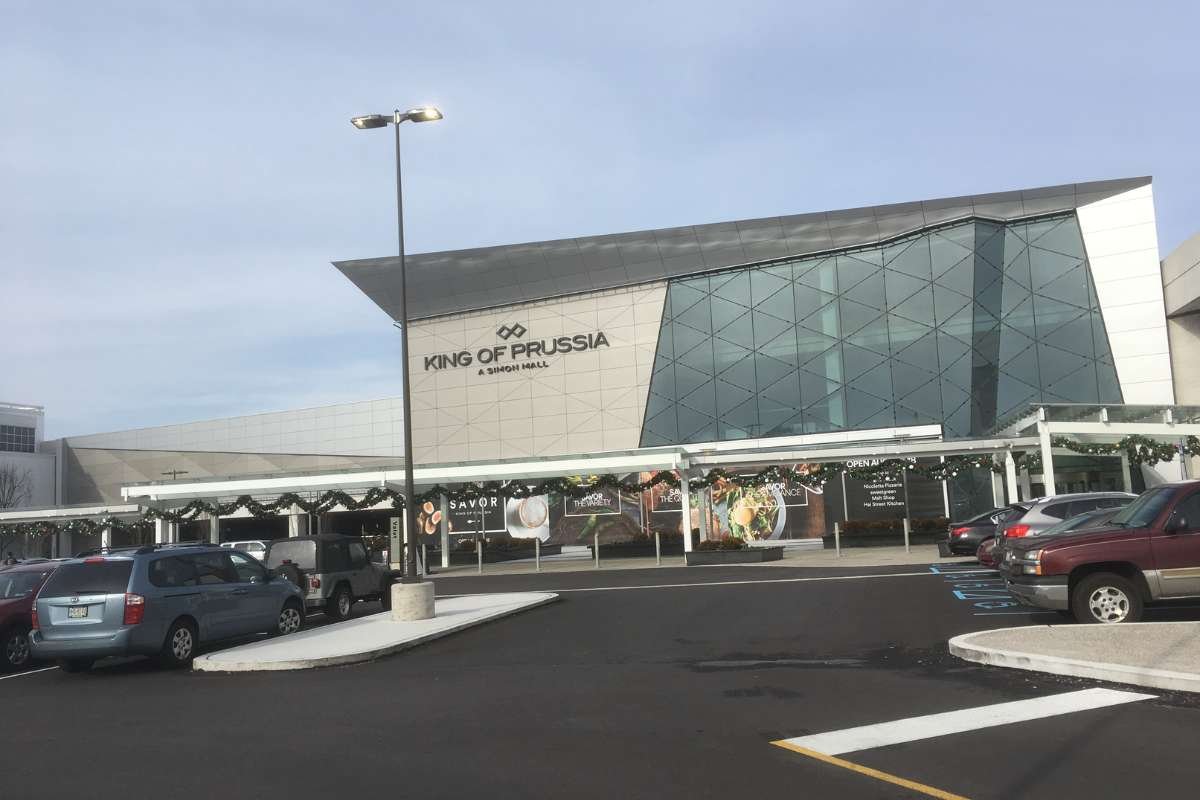
Size: 2.9 million sq. ft. | Feature: Luxury retail hub
King of Prussia Mall earns a top spot among the largest malls in the US due to its massive layout and strong mix of luxury and everyday brands. Many visitors come for the premium stores that are hard to find elsewhere in the state.
The mall uses wide corridors, natural lighting, and clear layouts to make long visits comfortable. Dining options range from quick snacks to elegant restaurants. Its popularity brings steady foot traffic from locals and travelers. This mall remains one of Pennsylvania’s biggest attractions and a major retail landmark.
4. South Coast Plaza (Costa Mesa, California)
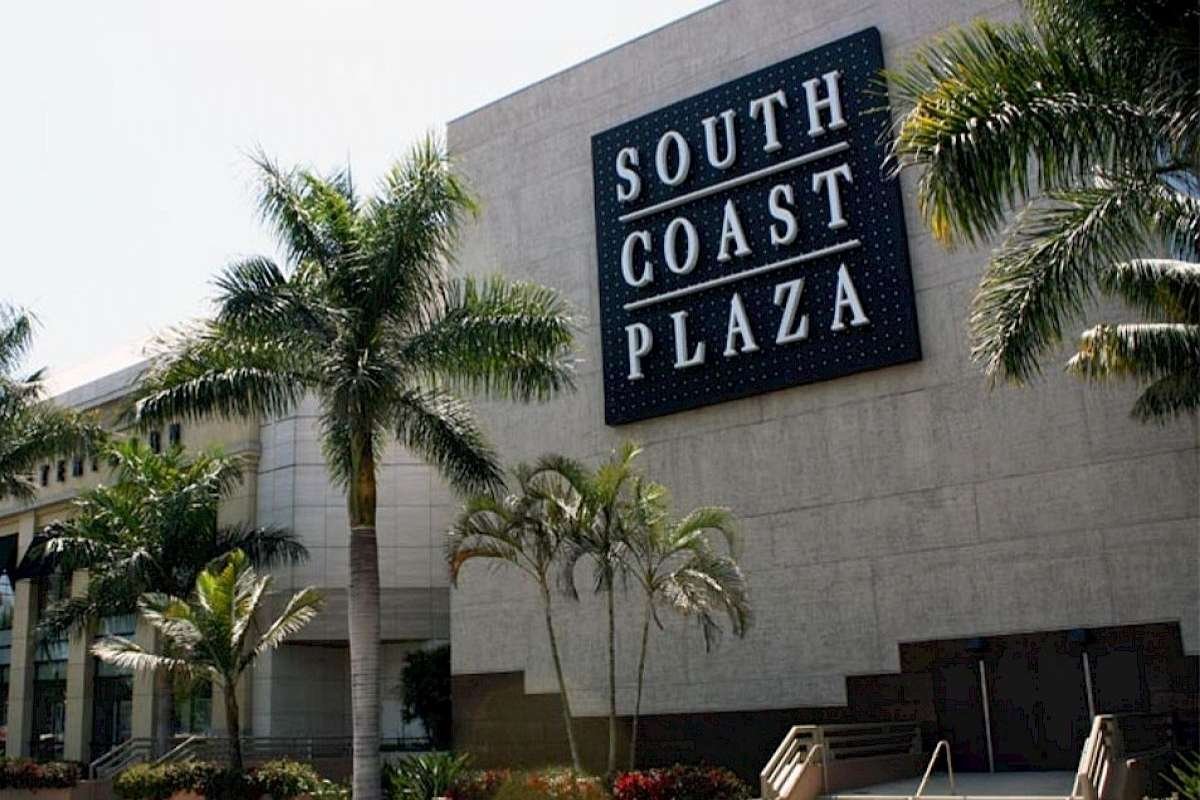
Size: 2.8 million sq. ft. | Feature: High-end luxury brands
South Coast Plaza holds a distinctive place because it focuses on a refined shopping experience. Top designer brands operate large flagship stores here, drawing style-focused shoppers from across the West Coast.
The architecture blends modern interiors with elegant artistic elements that create a premium mood. Dining choices include upscale restaurants and global cuisine. Wide walkways and clean layouts help visitors enjoy long shopping days without feeling rushed. This mall remains a major luxury destination with a polished atmosphere that stands out.
5. Del Amo Fashion Center (Torrance, California)
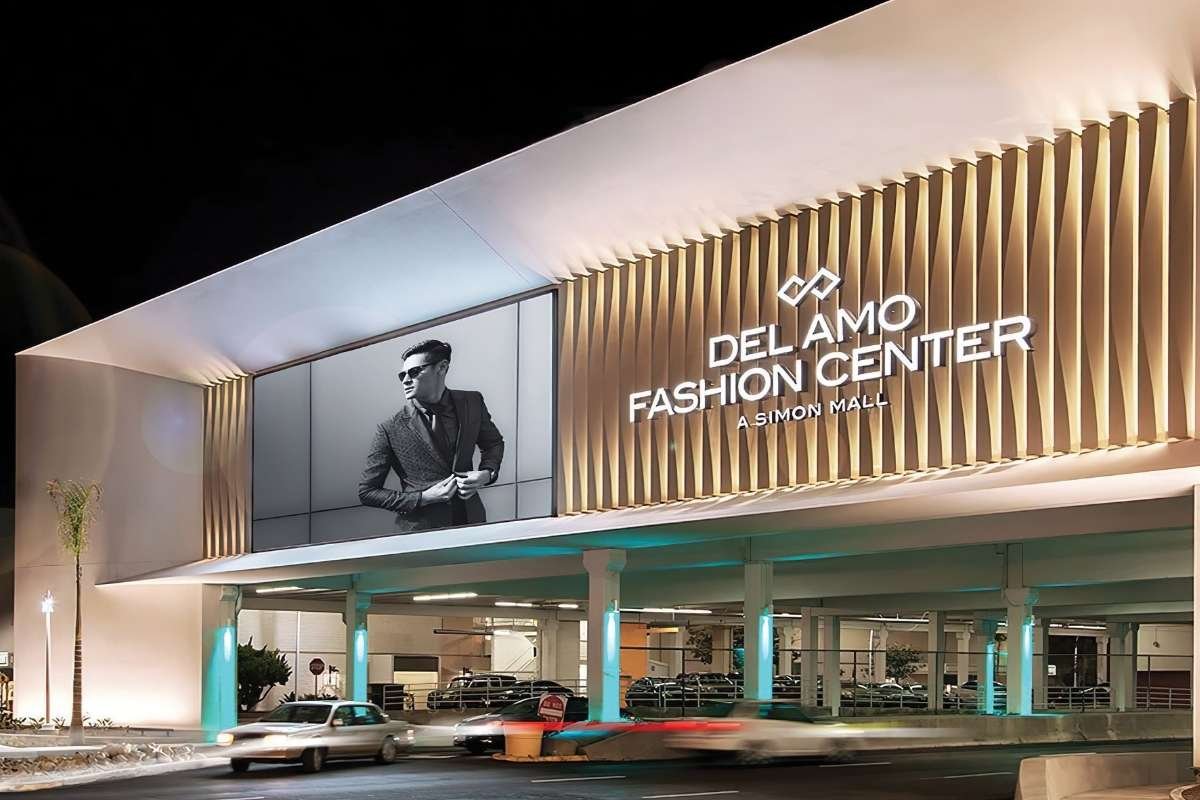
Size: 2.6 million sq. ft. | Feature: Indoor-outdoor design
Del Amo Fashion Center joins the largest malls in the US due to its huge space and unique mix of indoor and outdoor areas. Shoppers enjoy long hallways, bright lighting, and a layout that feels open and relaxing. The outdoor village section adds fresh air, cozy seating, and pleasant paths.
The mall includes major fashion brands, dining spots, and entertainment zones. Families appreciate how easy it is to navigate without feeling crowded. As one of the biggest retail hubs in Southern California, it keeps steady foot traffic year-round.
6. Aventura Mall (Aventura, Florida)
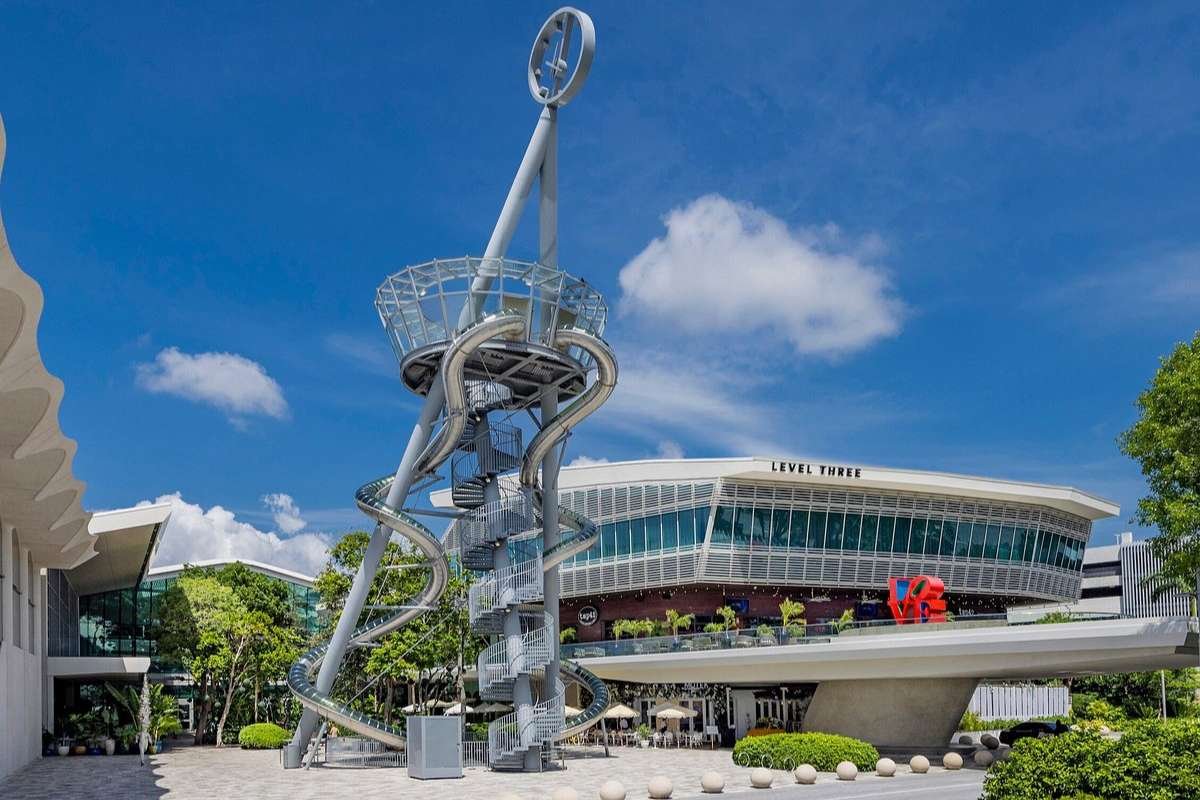
Size: 2.7 million sq. ft. | Feature: Art installations
Aventura Mall stands as the largest mall in the USbecause it mixes shopping with creativity. Art pieces, sculptures, and interactive displays fill many corners, turning the mall into a lively visual space. Its store lineup includes premium retailers, lifestyle brands, and popular chains.
The food hall stays busy with local and global options. Natural lighting and wide paths make walking smooth and comfortable. Families enjoy the open areas and artistic touches. The mall blends culture, retail, and dining in a balanced, modern setup that feels joyful and energetic.
7. Destiny USA (Syracuse, New York)
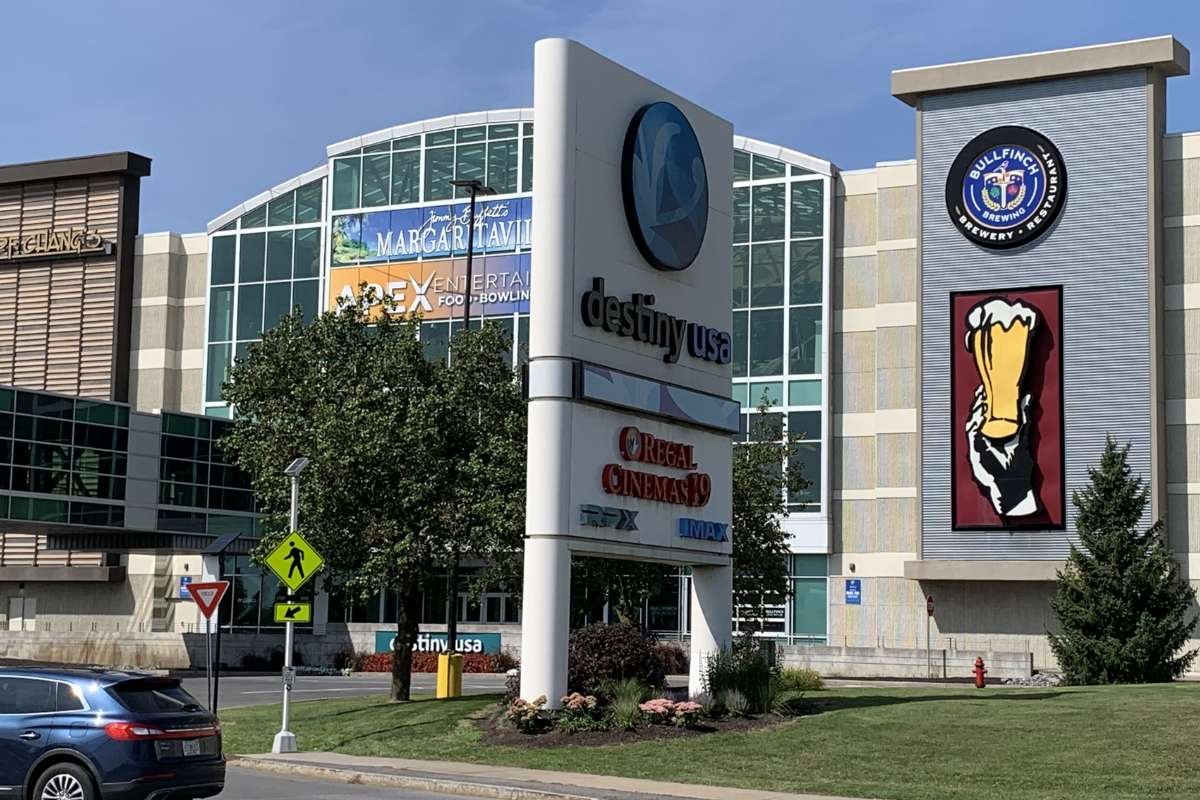
Size: 2.4 million sq. ft. | Feature: Multi-level entertainment
Destiny USA ranks as the largest mall in the US thanks to its huge size and layered entertainment. Visitors find adventure parks, escape rooms, themed restaurants, and brand-name stores spread across several levels. The mall encourages long stays because each level offers something new.
Seasonal events bring extra excitement, and families love the variety of activities. Clear signboards and large parking zones help make access easy. Destiny USA plays a major role in local tourism, drawing both shoppers and thrill-seekers throughout the year.
8. Sawgrass Mills (Sunrise, Florida)
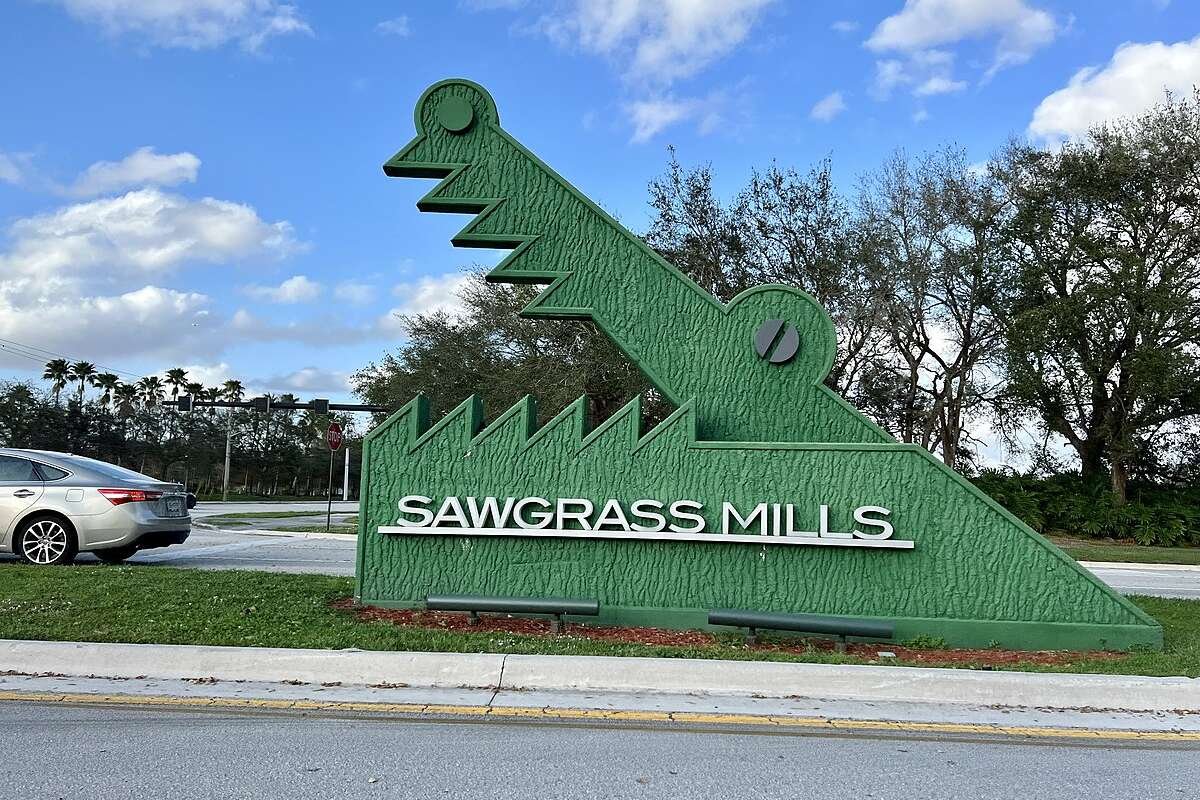
Size: 2.3 million sq. ft. | Feature: Outlet megamall
Sawgrass Mills remains one of the most popular members of the largest malls in the US due to its massive outlet collection. Shoppers come from many countries to grab discounts on big global brands. The mall mixes indoor wings with outdoor promenades, which makes walking feel fresh and varied.
It has hundreds of stores, including luxury outlets, fashion chains, and lifestyle shops. The layout supports long shopping days without feeling cramped. Sawgrass Mills continues to be Florida’s top outlet attraction and a favorite destination for bargain hunters.
9. Roosevelt Field (Garden City, New York)
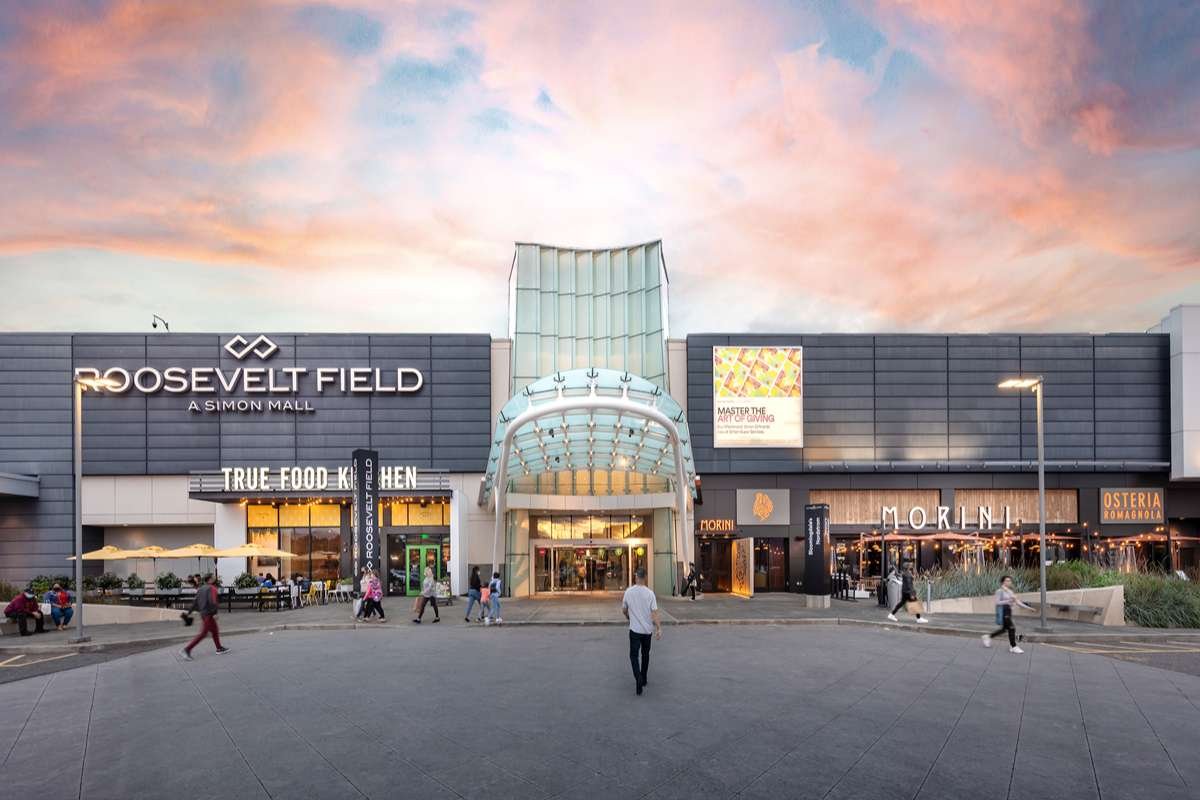
Size: 2.3 million sq. ft. | Feature: Historic design upgrades
Roosevelt Field stands as the largest mall in the US, with a long history that has been upgraded beautifully. Modern lighting, fresh interiors, and a cleaner layout give it a bright and updated feel. It hosts major department stores and many well-known brands.
Seasonal exhibits add fun for families and bring extra foot traffic. Clear signboards and organized hallways help visitors move around easily. Its food court offers a wide mix of cuisines. This mall remains a major shopping anchor for Long Island with a welcoming atmosphere.
10. Woodfield Mall (Schaumburg, Illinois)
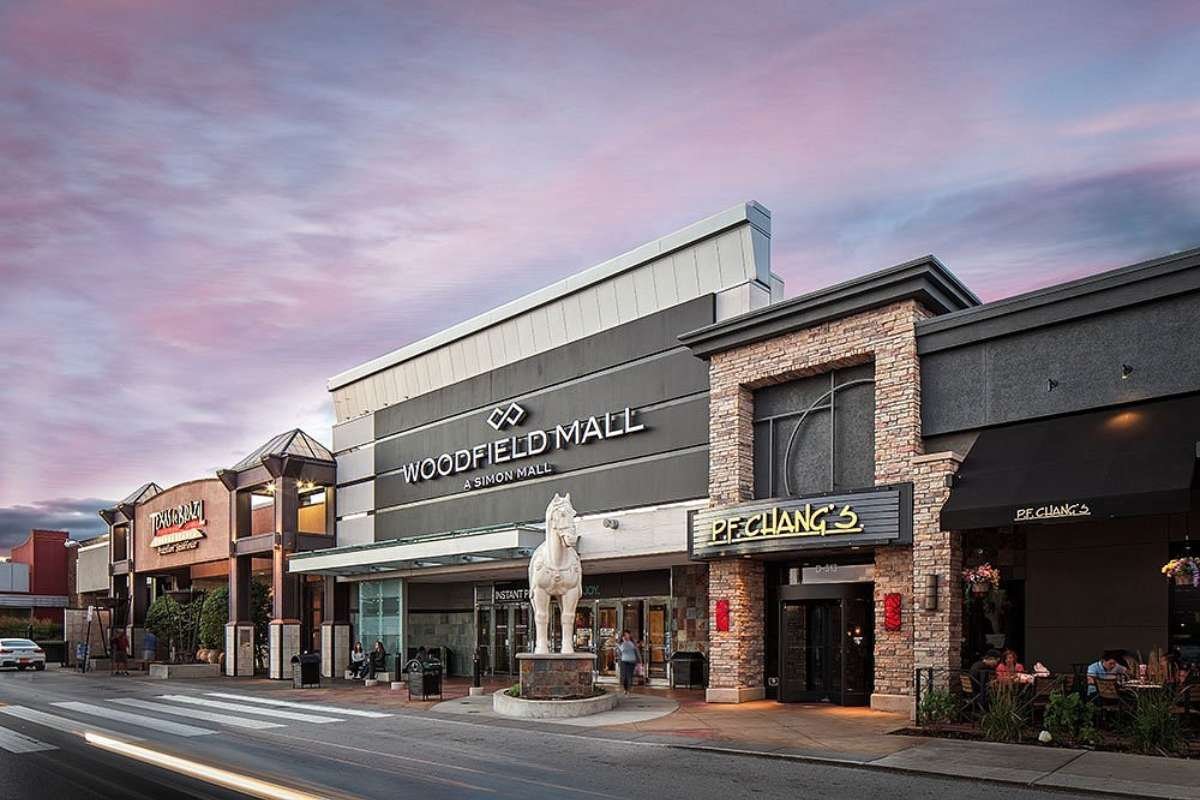
Size: 2.2 million sq. ft. | Feature: Midwestern retail landmark
Woodfield Mall sits firmly among the largest malls in the US and continues to be a major retail stop for Chicago and nearby suburbs. It offers fashion, tech, lifestyle stores, and plenty of dining options. Long, well-lit walkways create a smooth flow for shoppers.
Families enjoy the open seating spots that make breaks easy during long visits. The mall keeps upgrading its interiors to stay modern and comfortable. Its balance of popular brands and family-friendly layout keeps it lively throughout the year.
Read Next: Exploring Largest Malls in the World: A Journey Through Luxury and Innovation
11. The Galleria (Houston, Texas)
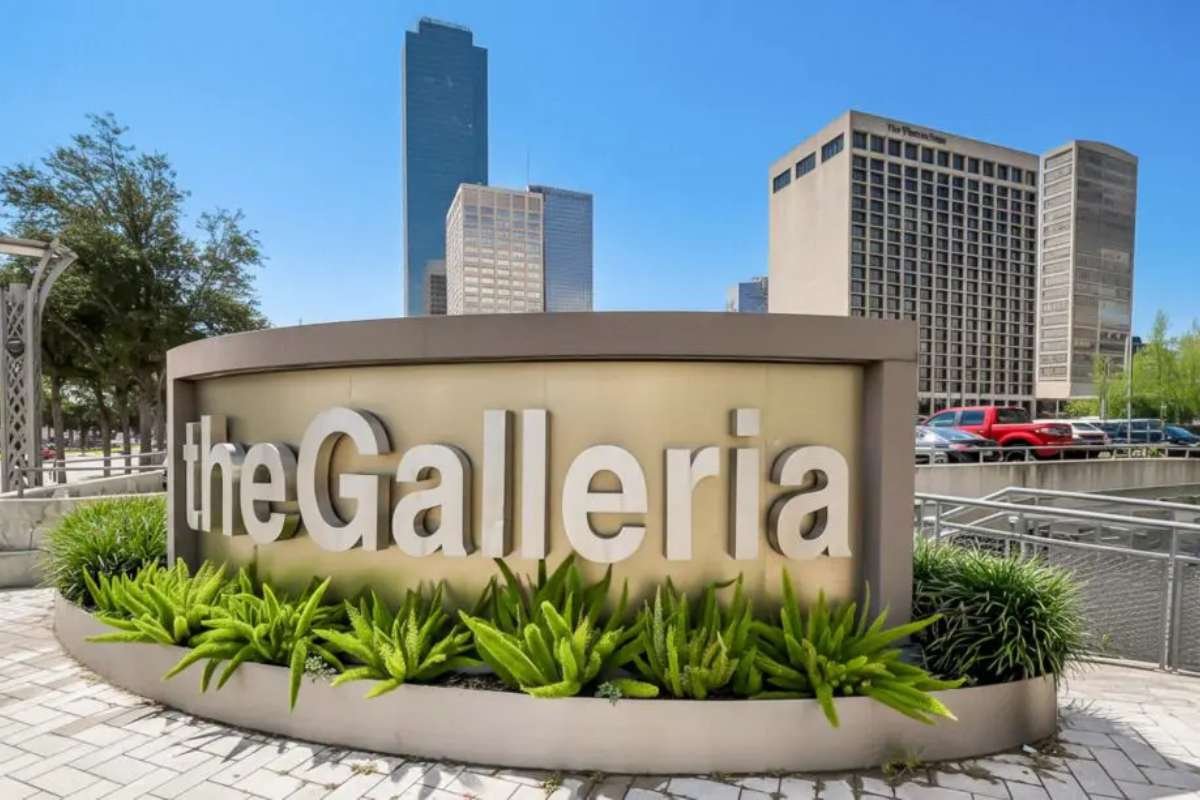
Size: 2.1 million sq. ft. | Feature: Indoor ice rink
The Galleria earns its place as the largest mall with its famous indoor ice rink and luxury retail experience. Glass ceilings brighten the walkways and create an open feel. Visitors enjoy a mix of high-end and everyday stores, along with many dining choices.
The mall sits near hotels and office buildings, which adds steady foot traffic from travelers and workers. Clean layouts and comfortable walking paths help shoppers explore easily. The Galleria remains a major attraction in Texas with a lively atmosphere.
12. Plaza Las Americas (San Juan, Puerto Rico)
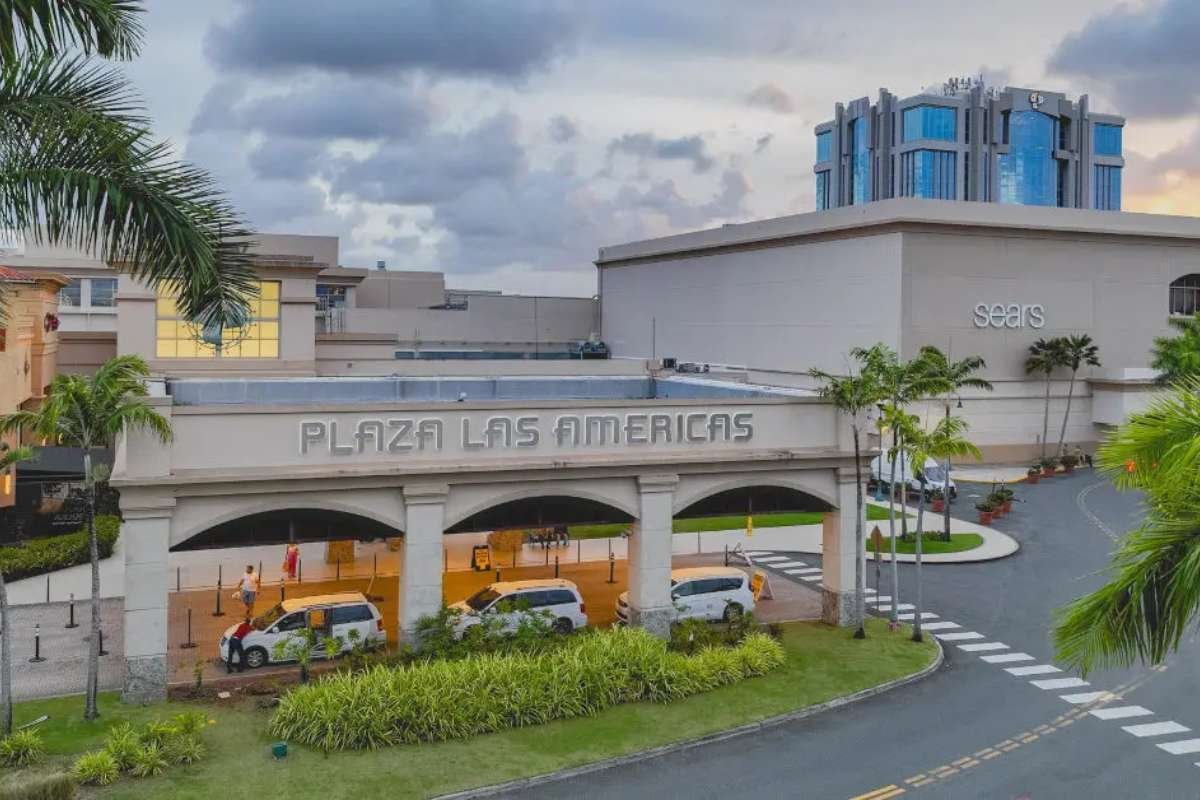
Size: 2.1 million sq. ft. | Feature: Caribbean retail hub
Plaza Las Americas joins the largest malls in the US and holds a central place in Puerto Rico’s shopping scene. It offers clothing, lifestyle brands, tech stores, and local shops under one roof. The layout feels open and easy to walk through. Cultural events, food festivals, and family activities bring warmth and energy.
The entertainment zones stay busy throughout the year. Bright interiors and clean seating areas create a positive atmosphere. This mall remains one of the island’s favorite destinations for both locals and tourists.
13. Green Acres Mall (Valley Stream, New York)
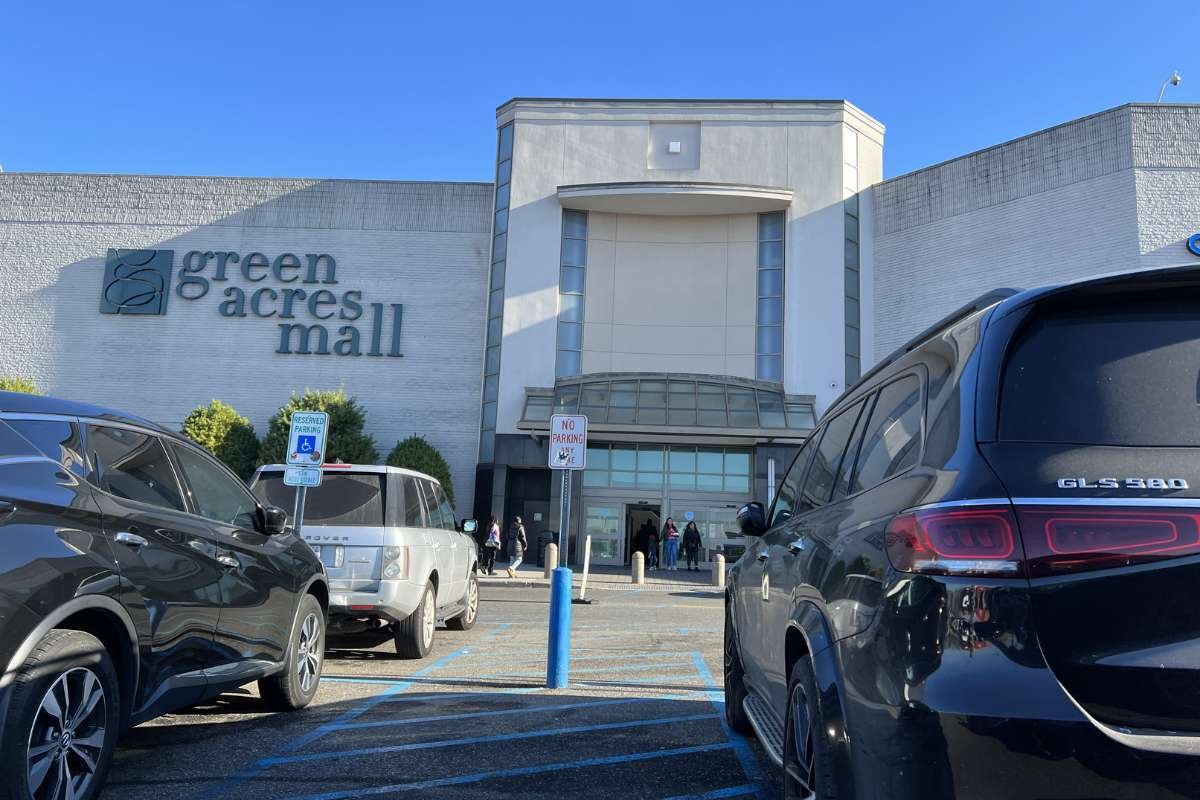
Size: 2 million sq. ft. | Feature: Indoor-outdoor hybrid
Green Acres Mall keeps its spot as the largest mall with a blend of indoor and outdoor retail areas. The outdoor section adds fresh dining spaces and convenience store options. Shoppers find both essential stores and fashion brands inside.
The walkways are wide and comfortable, making the mall feel open even during busy hours. Simple layouts help families move easily without confusion. Ongoing upgrades continue to improve comfort, lighting, and seating. This mall serves as a key retail destination for nearby communities.
14. Palisades Center (West Nyack, New York)
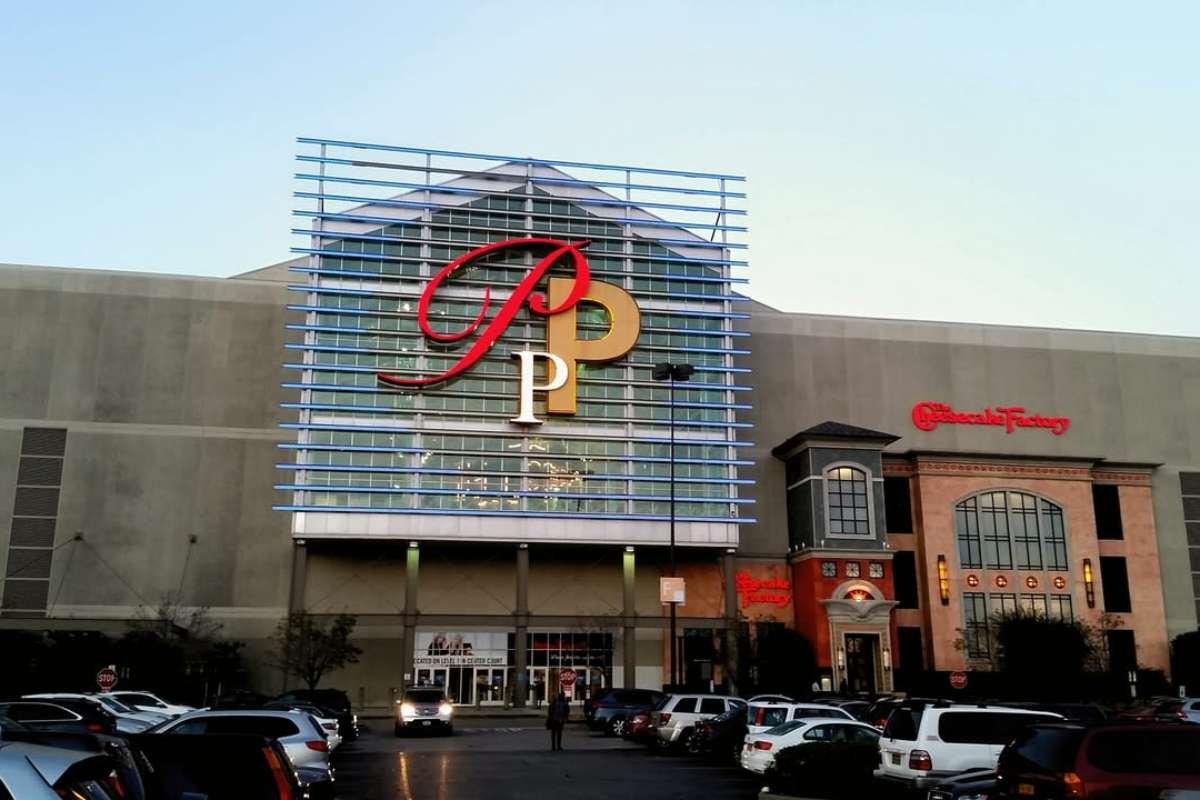
Size: 2 million sq. ft. | Feature: Adventure zones
The Palisades Center ranks the largest malls in the US because it mixes shopping with bold adventure zones. Visitors enjoy climbing walls, bowling alleys, cinemas, and many dining spots. Families love the wide range of fun activities that go beyond normal mall trips.
The long hallways and open spaces make movement smooth. Seasonal programs keep the mall active on weekends. Its large size and entertainment variety make it one of New York’s busiest mall destinations.
15. Scottsdale Fashion Square (Scottsdale, Arizona)
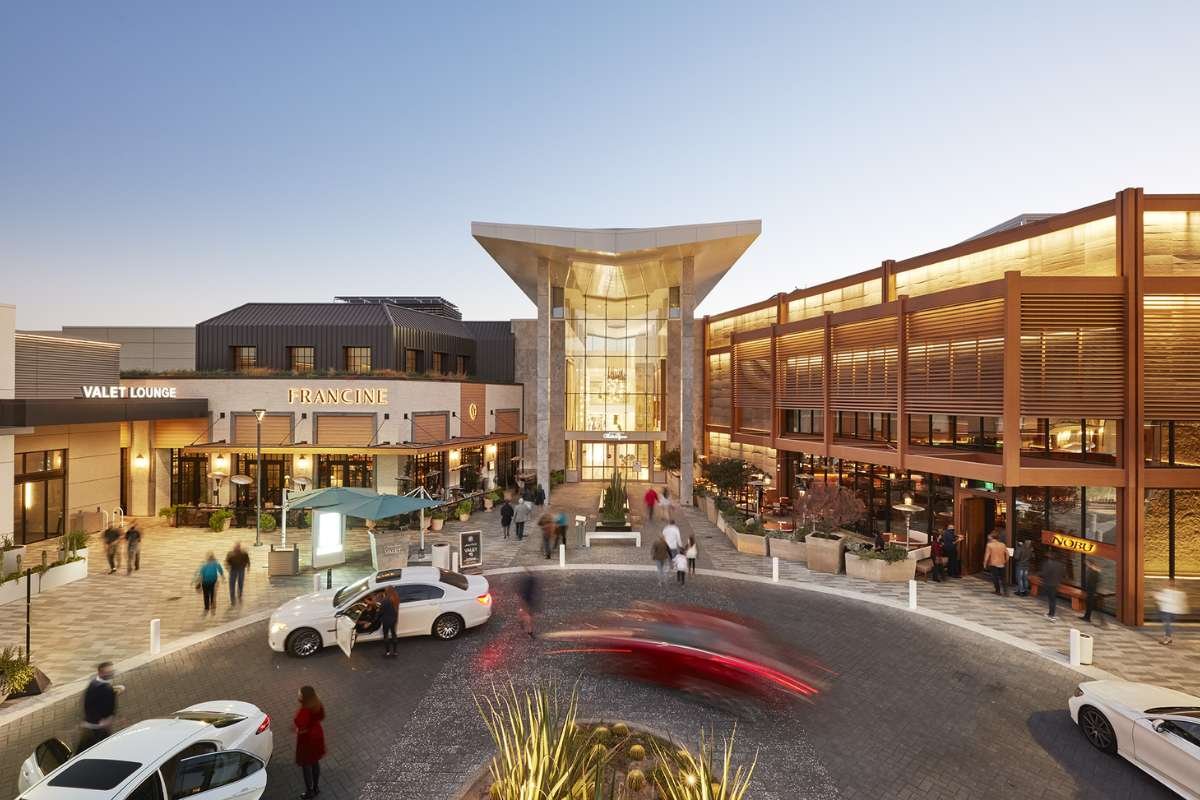
Size: 2 million sq. ft. | Feature: Upscale retail setting
Scottsdale Fashion Square stays on the list of the largest malls thanks to its premium brands and polished environment. Luxury stores, stylish boutiques, and modern dining spots create a refined vibe. The mall uses natural light, clean lines, and well-planned layouts to keep the experience smooth and calming.
Visitors enjoy spacious walkways and elegant interiors. This mall attracts fashion-focused shoppers who want upscale choices in a relaxed setting. It remains one of Arizona’s most popular retail centers.
Business & Economic Impact
The largest malls in the US work as major economic engines for the cities around them. Each mall pulls in millions of visitors every year, which supports steady retail sales and strong demand for services.
For example, the Mall of America welcomes 40 million visitors yearly, supports over 10,000 jobs, and adds billions to Minnesota’s economy through tourism and spending.
Large malls also help small shops grow, create seasonal jobs, and boost nearby hotels and restaurants. Their steady foot traffic, events, and store expansions keep money flowing through local communities, making these malls long-term economic pillars for their regions.
Stats and Facts
- The U.S. has over 1,150 enclosed malls.
- The Mall of America gets 40 million visitors yearly.
- American Dream dedicates 55% of its space to entertainment.
Conclusion
The largest malls in the US offer more than shops and food courts. They feel like worlds built for fun, comfort, and long weekend escapes. These malls stretch across giant spaces but still feel welcoming when you step inside. They mix fashion, food, art, and adventure in one place. Just like the introduction hinted, they turn casual outings into full experiences. The next time you walk into one of the largest malls in the US, expect more than shopping. Expect a full day of joy.