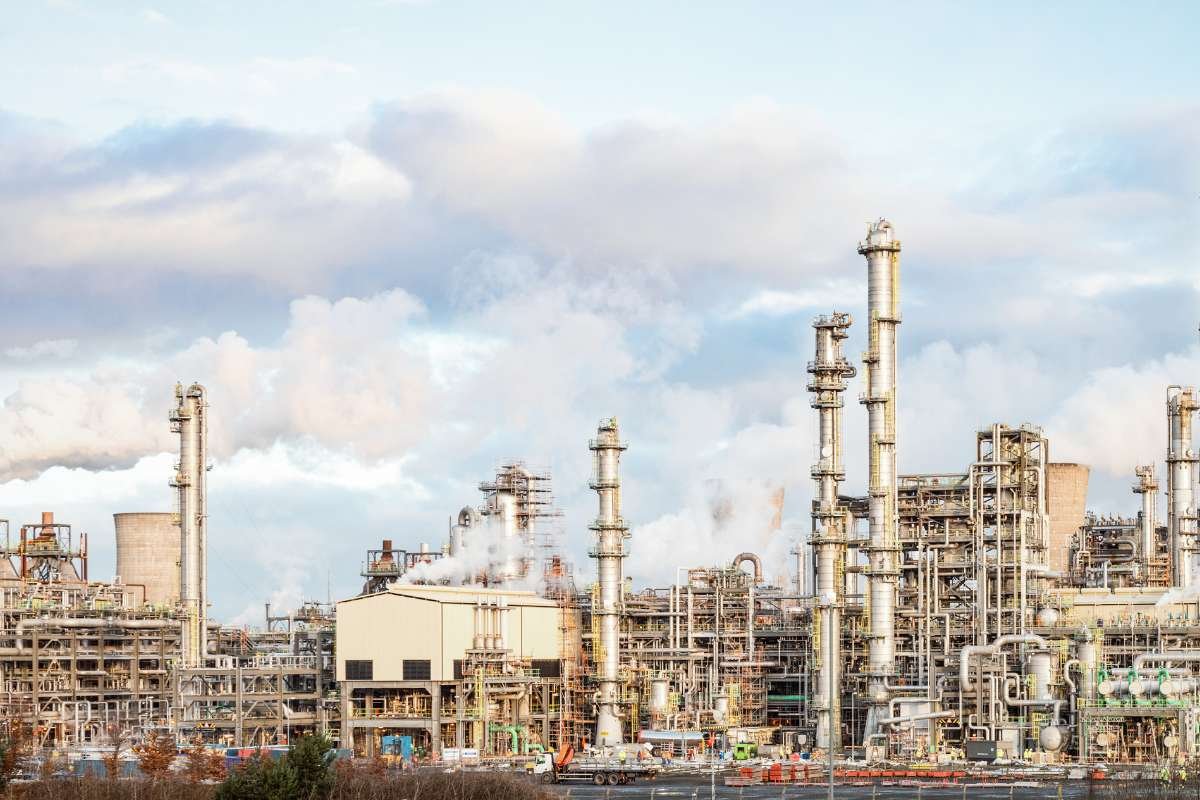
Have you ever thought about the vastness and complexity needed to power our modern world? Everything depends on the smooth flow of refined petroleum products. Right from the cars on our roads to the plastics in our homes. Drilling for crude oil is only one aspect of this process. Another is the enormous, advanced machines that are capable of processing millions of barrels per day. The capacity of a country’s refining infrastructure is a vital indicator. It represents the industrial power and energy security. Because the world economy is largely dependent on these mega-refineries.
The largest oil refineries in the world control the energy landscape. They are the real titans in this sector. The operation of these huge plants, along with the massive benefits they offer. It is a thorough list of these global energy giants. An evaluation of the current condition of the world’s oil reserves. This will all be covered in this guide. So read more to find out who tops the list!
What is an Oil Refinery? How Do the Largest Oil Refineries in the World Work?
An oil refinery is an industrial plant that converts crude oil into usable petroleum products. It includes gasoline, diesel, and heating oils. It happens through processes such as distillation, cracking, reforming, and blending. Distillation separates crude components by boiling points. Cracking breaks large molecules into smaller ones. And reforming reshapes molecules for quality, and blending combines different products. The largest oil refineries in the world distinguish themselves. It is done by their immense scale and advanced technology. This enables high efficiency and diverse output.
Large oil refineries operate by receiving crude oil. This undergoes separation in distillation towers. Then conversion of heavy fractions into lighter products, and treatment for purity. These mega-refineries employ automation, safety systems, and environmental controls. This helps to optimize operations. Modern digitalization with AI, sensors, and energy-efficient technologies is integral. This improves performance, reducing emissions, and ensures reliable production at scale.
Why is it Beneficial for a Country to Refine Oil?
The largest oil refineries in the world offer profound benefits to a nation’s economy and security.
- Boosts Economic Stability: Producing fuels and petrochemicals domestically. This reduces reliance on costly imports, guaranteeing a more stable supply chain.
- Improves Export Potential: Refining transforms raw crude oil into higher-value products. Like fuels, lubricants, and essential chemicals. This significantly increases their market value and export earnings.
- Nurtures Growth and Employment: Oil refineries are major industrial complexes. They generate substantial employment and spur regional development through large-scale infrastructure projects.
- Secures Energy Supply: Strategically, refining strengthens energy security by ensuring a steady flow of domestic supplies. Therefore, this makes the country less vulnerable to global market price fluctuations and geopolitical disruptions.
Real-World Impact: Saudi Arabia uses its vast refining capacity to underpin its diversified economy. India’s expanding facilities meet massive domestic fuel demand and create new export opportunities. Furthermore, the U.S. uses its refining sector to bolster its energy independence and long-term economic resilience.
Expert insight: “Scale alone doesn’t define leadership. The world’s largest refineries invest heavily in deep conversion technology. This allows them to process heavier crude grades efficiently.” — Laura Peters, Senior Energy Researcher, Wood Mackenzie
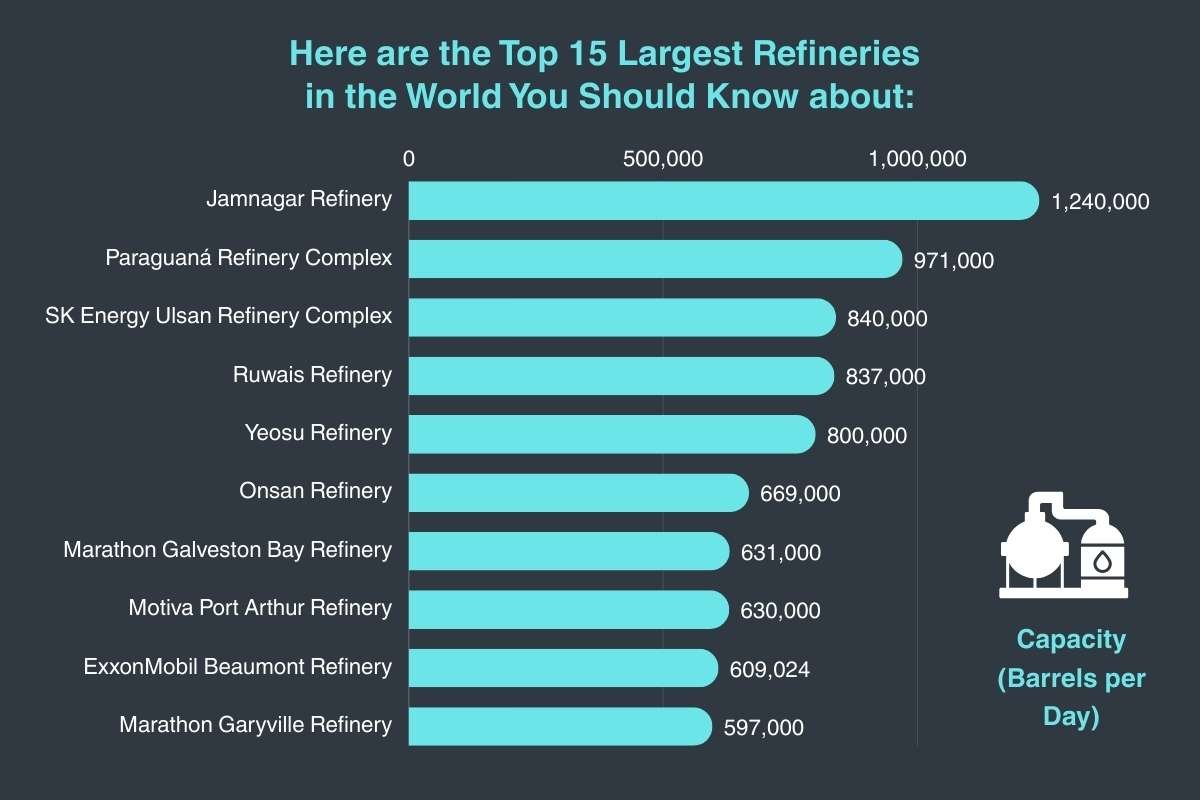
Here are the Top 15 Largest Refineries in the World You Should Know about:
As essential centers that transform millions of barrels of crude oil every day into the fuels and products. These refineries drive daily life and global trade. Here are the Top 15 Largest Oil Refineries in the World that are impacting the oil sector globally:
| Rank | Refinery Name | Country | Capacity (Barrels per Day) |
| 1 | Jamnagar Refinery | India | 1,240,000 |
| 2 | Paraguaná Refinery Complex | Venezuela | 971,000 |
| 3 | SK Energy Ulsan Refinery Complex | South Korea | 840,000 |
| 4 | Ruwais Refinery | United Arab Emirates (UAE) | 837,000 |
| 5 | Yeosu Refinery | South Korea | 800,000 |
| 6 | Onsan Refinery | 669,000 | |
| 7 | Marathon Galveston Bay Refinery | United States (USA) | 631,000 |
| 8 | Motiva Port Arthur Refinery | 630,000 | |
| 9 | ExxonMobil Beaumont Refinery | 609,024 | |
| 10 | Marathon Garyville Refinery | 597,000 | |
| 11 | ExxonMobil Baytown Refinery | 564,440 | |
| 12 | ExxonMobil Baton Rouge Refinery | 522,500 | |
| 13 | Citgo Lake Charles Refinery | 455,000 | |
| 14 | BP Whiting Refinery | 435,000 | |
| 15 | Marathon Los Angeles Refinery | 365,000 |
Capacity figures cited in this article are rounded to the nearest barrel per day (bpd) as per the latest publicly available data from global energy agencies. Such as the U.S. EIA Refinery Capacity Report, the OPEC Annual Statistical Bulletin, the BP Statistical Review of World Energy, and the International Energy Agency (IEA) Downstream Oil Report.
1. Jamnagar Refinery:
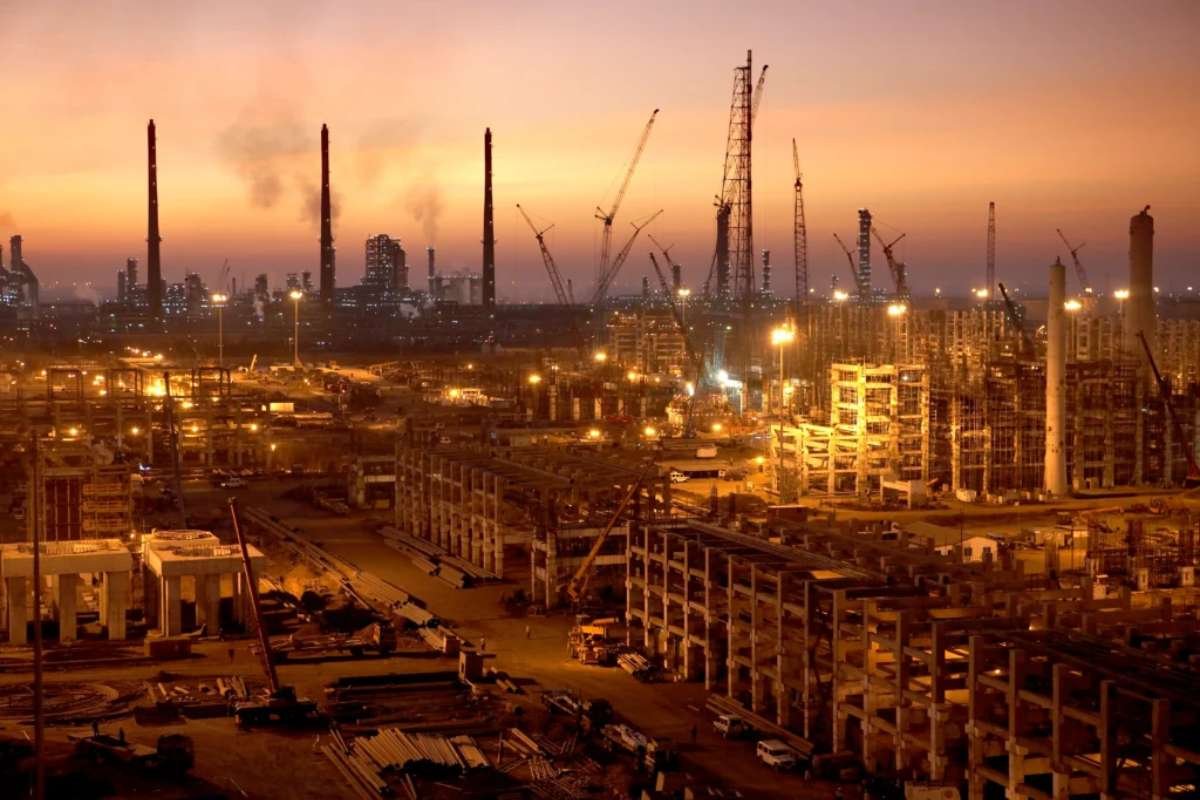
Capacity: 1,240,000 bpd
Country: India
Owner/Company: Reliance Industries Limited (RIL)
Founded Year: 1999
Key Products: Gasoline, High-Speed Diesel, Jet/Aviation Turbine Fuel, Petrochemicals (Paraxylene, Polypropylene).
Unique Angle: It holds the title of the world’s largest integrated, single-site refining complex, boasting the highest Nelson Complexity Index ($\sim$21.1) globally. Its technology includes the world’s largest Refinery Off-Gas Cracker (ROGC) and a petcoke gasification plant that converts low-value residues into high-value fuel, making it energy self-sufficient.
The Jamnagar Refinery in India is a flagship complex. It is known for its massive scale and cutting-edge processing units. Operated by Reliance Industries. It is highly integrated with petrochemical production. Its ability to process heavy and ultra-heavy crude. This makes it one of the largest oil refineries in the world. It also plays a crucial role in India’s energy exports.
2. Paraguaná Refinery Complex:
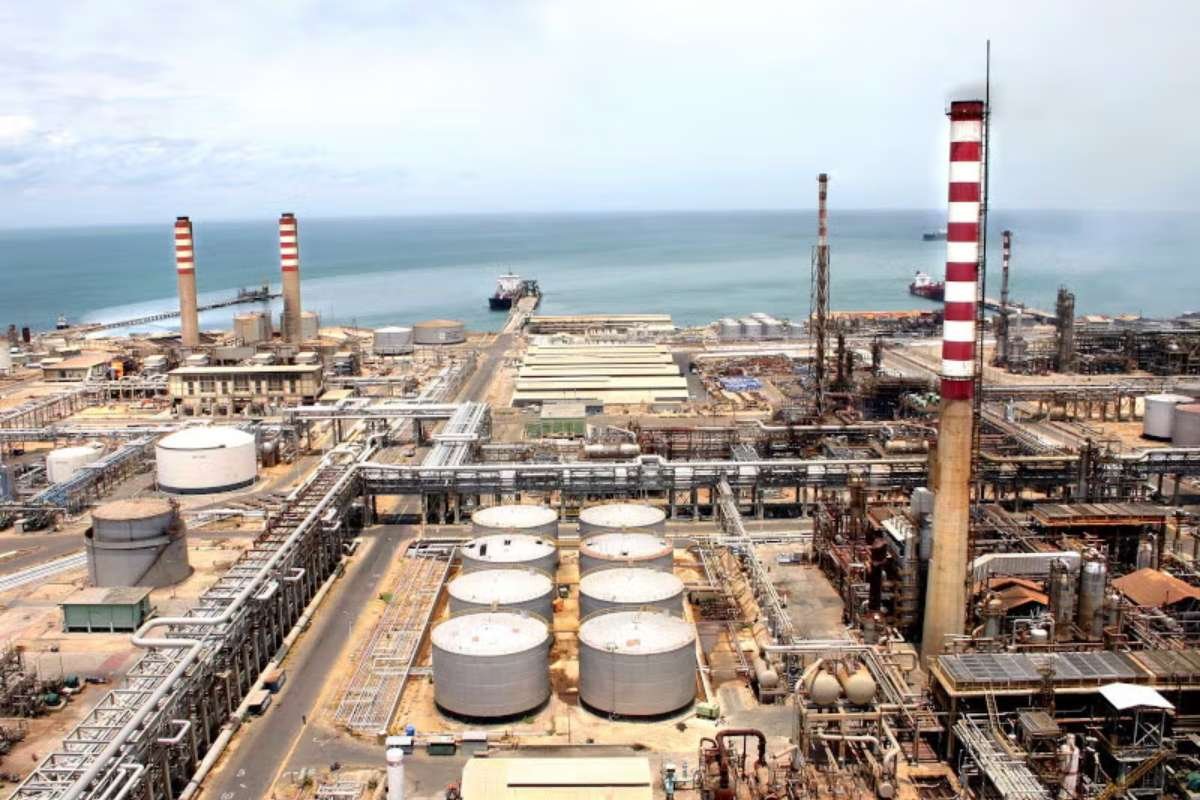
Capacity: 971,000 bpd
Country: Venezuela
Owner/Company: Petróleos de Venezuela, S.A. (PDVSA)
Founded Year: 1949 (Oldest component: Cardón Refinery)
Key Products: Gasoline, Diesel, Jet Fuel, Asphalt.
Unique Angle: This facility is the largest refinery complex in the Western Hemisphere, created by the amalgamation of the Amuay, Cardón, and Bajo Grande refineries. It is a vital pillar of Venezuela’s state oil sector.
The Paraguaná Refinery Complex is located in Venezuela. It combines the Amuay and Cardón refineries. It has historically been a cornerstone of the nation’s petroleum economy. Despite operational challenges, its sheer capacity secures its place among the largest oil refineries in the world. The complex produces fuels, lubricants, and petrochemical feedstocks.
3. SK Energy Ulsan Refinery Complex:
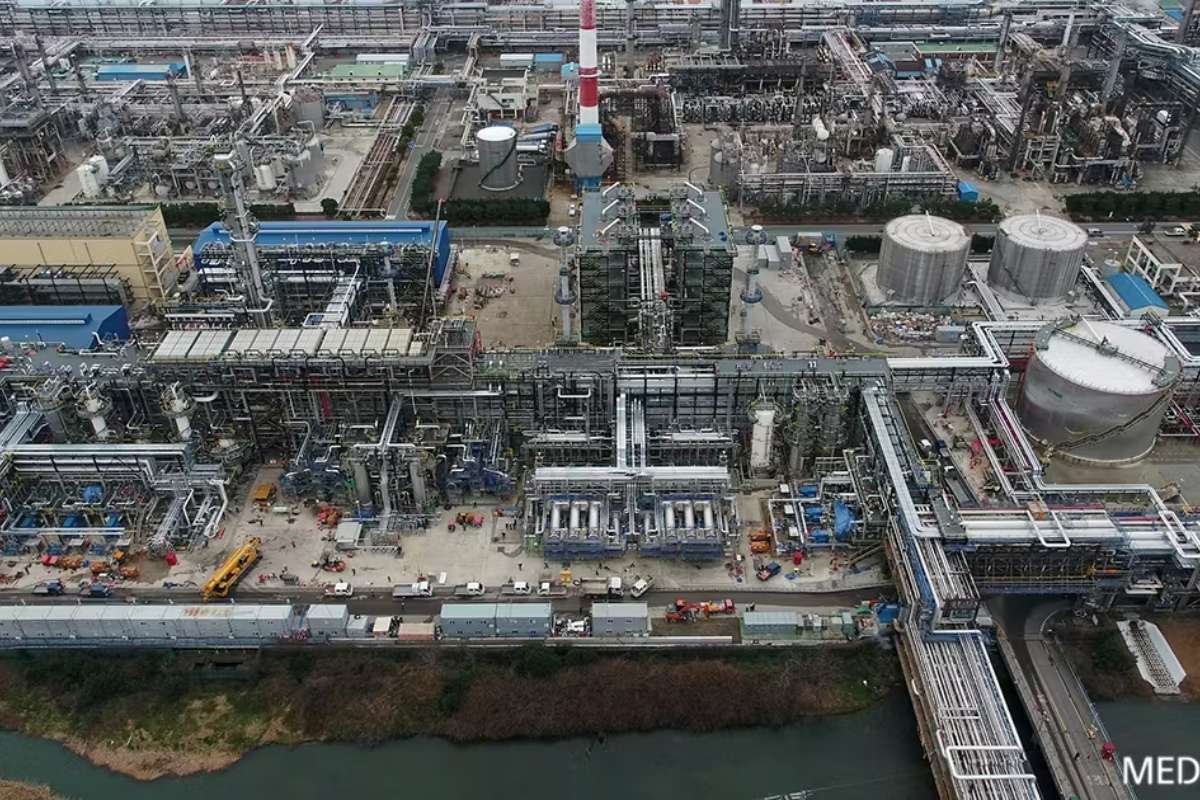
Capacity: 840,000 bpd
Country: South Korea
Owner/Company: SK Energy
Founded Year: 1962 (as Korea Oil Corporation)
Key Products: LPG, Gasoline, Diesel, Jet Fuel, Petrochemical Feedstocks.
Unique Angle: As South Korea’s first oil refinery, it is a technological leader in the Asia-Pacific region. Its operations focus heavily on continuous optimization and speed to maintain flexibility against the increasing volatility of global oil prices.
South Korea’s Ulsan Refinery is a technologically advanced site. It is known for high-efficiency operations. It produces gasoline, diesel, jet fuel, and aromatics for global markets. Its automation systems improve reliability and output. Ulsan remains one of Asia’s most important facilities.
4. Ruwais Refinery:

Capacity: 837,000 bpd
Country: United Arab Emirates (UAE)
Owner/Company: Abu Dhabi National Oil Company (ADNOC)
Founded Year: 1982
Key Products: LPG, Unleaded Gasoline, Jet-A1, Base Oil, Petrochemical Feedstock.
Unique Angle: It is the largest refinery in the Middle East and is highly integrated with the vast Ruwais petrochemical complex. A major “Crude Flexibility Project” was implemented to enable the processing of a wider range of high-sulfur crude grades.
Operated by ADNOC, the Ruwais Refinery is the UAE’s largest industrial asset. It is designed to refine heavy crude and support massive petrochemical expansion. With significant modernization, it contributes heavily to the Gulf’s energy exports. Its scale ranks it among the most critical global refining hubs.
5. Yeosu Refinery:
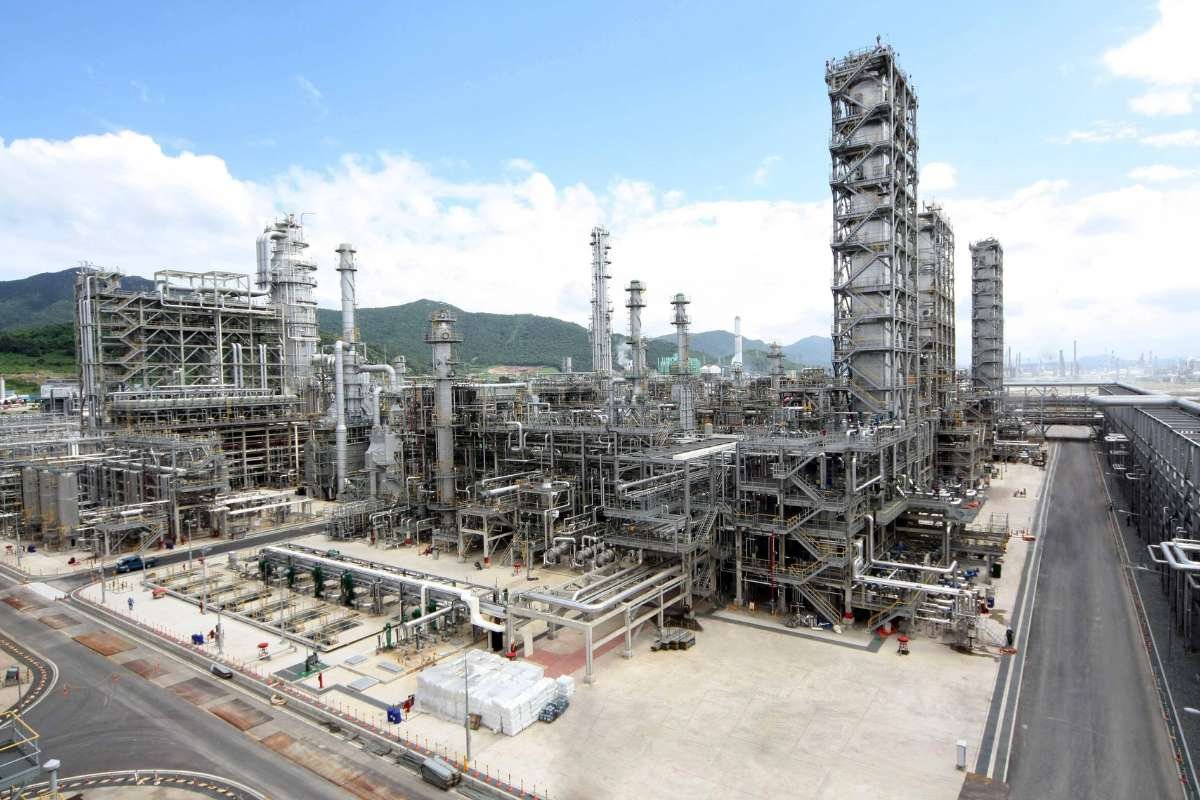
Capacity: 800,000 bpd
Country: South Korea
Owner/Company: GS Caltex (Joint venture between Chevron and GS Energy)
Founded Year: 1969
Key Products: Fuels, Petrochemical Feedstocks (BTX).
Unique Angle: Known for its high efficiency and utilization of heavy oil upgrading (HOU) units. The company has made environmental strides, successfully transitioning operations from low-sulfur fuel oil (LSFO) to liquified natural gas (LNG) to significantly reduce CO2 emissions.
The Yeosu Refinery in South Korea is run by GS Caltex. It is known for producing high-grade fuels and petrochemicals. It features advanced conversion units that boost efficiency. Its coastal location makes it ideal for export operations. The refinery is a strategic pillar in the Asian energy market.
6. Onsan Refinery:
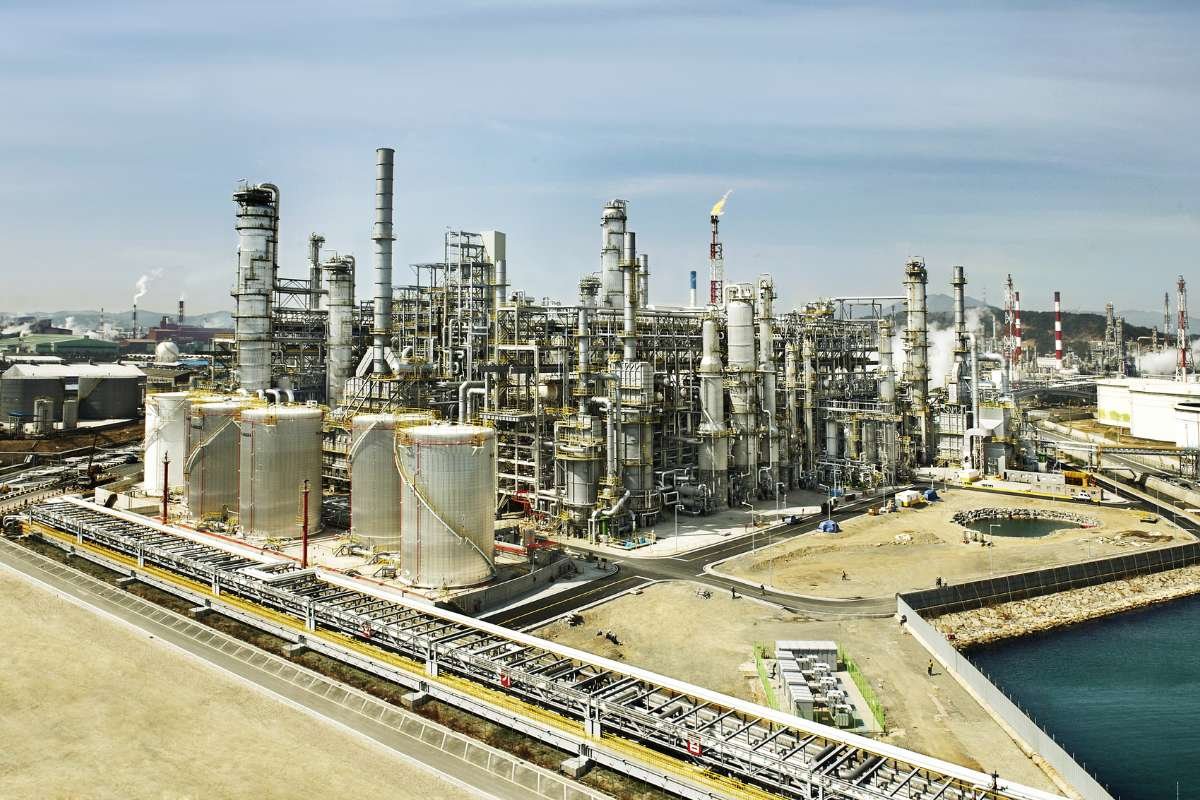
Capacity: 669,000 bpd
Country: South Korea
Owner/Company: S-Oil Corporation (Majority owned by Saudi Aramco)
Founded Year: 1980
Key Products: Ultra Low Sulfur Diesel (ULSD), Gasoline, Kerosene, Jet Fuel.
Unique Angle: This facility focuses on high-value products and environmental compliance, featuring advanced units like the Bunker-C Cracking Center (BCC) and High Severity Fluid Catalytic Cracking (HS-FCC) to maximize the yield from heavier crude residues.
The Onsan Refinery, operated by S-Oil. They specialize in premium fuels and petrochemical derivatives. As one of the Largest Oil Refineries in the world. It uses Deep Conversion technology to process heavier crude types efficiently. Along with maintaining high output and complexity. The site is backed by global partners and continuous reinvestment, ensuring Onsan remains a major economic driver for South Korea.
7. Marathon Galveston Bay Refinery:
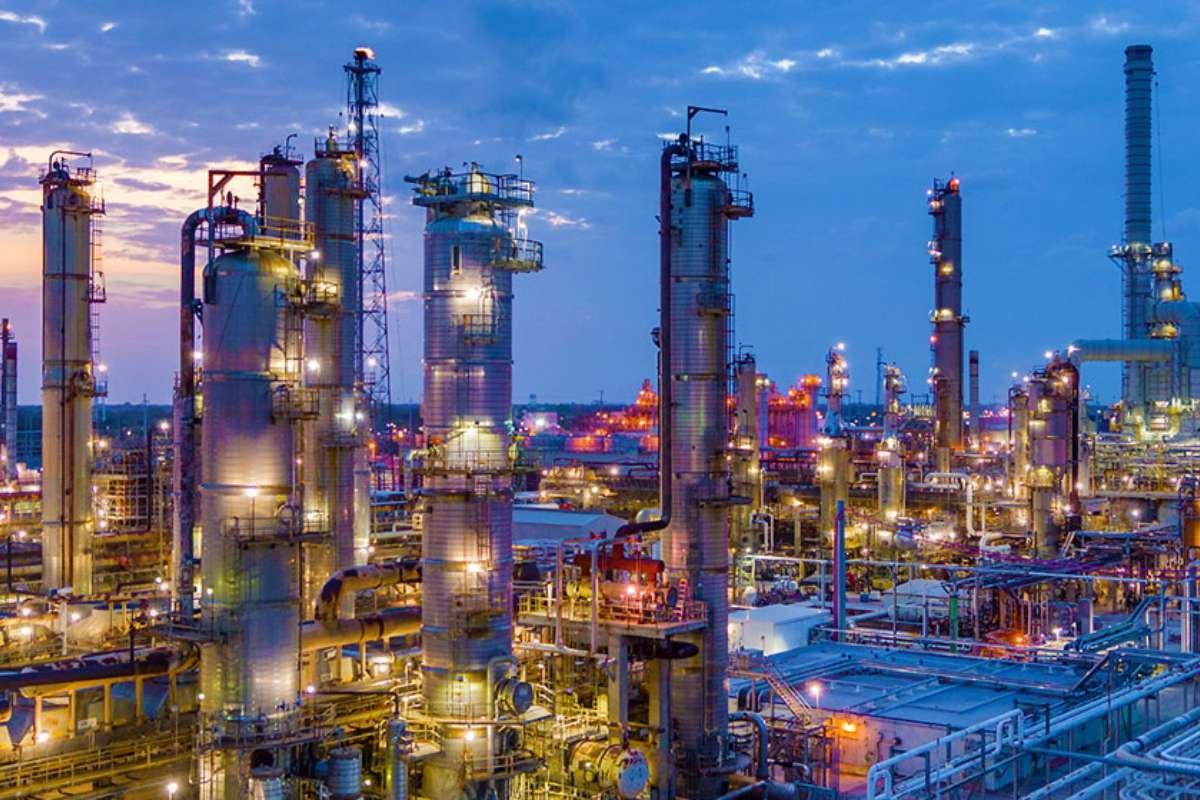
Capacity: 631,000 bpd
Country: United States (Texas)
Owner/Company: Marathon Petroleum Corporation (MPC)
Founded Year: 1931 (Earliest Component)
Key Products: Gasoline, Jet Fuels, Diesel, Aromatics, Propylene.
Unique Angle: One of the most complex refineries in the US, with a complexity rating of 15.2. It is characterized by its large scale and a significant, integrated on-site cogeneration facility that provides substantial independent electrical power.
One of the oldest yet most upgraded U.S. refineries. Galveston Bay offers strong fuel, petrochemical, and lubricant output. Its integration with logistics networks. This allows smooth distribution across North America. Recent modernization has improved environmental performance. It stands as one of the most productive sites in the U.S.
8. Motiva Port Arthur Refinery:
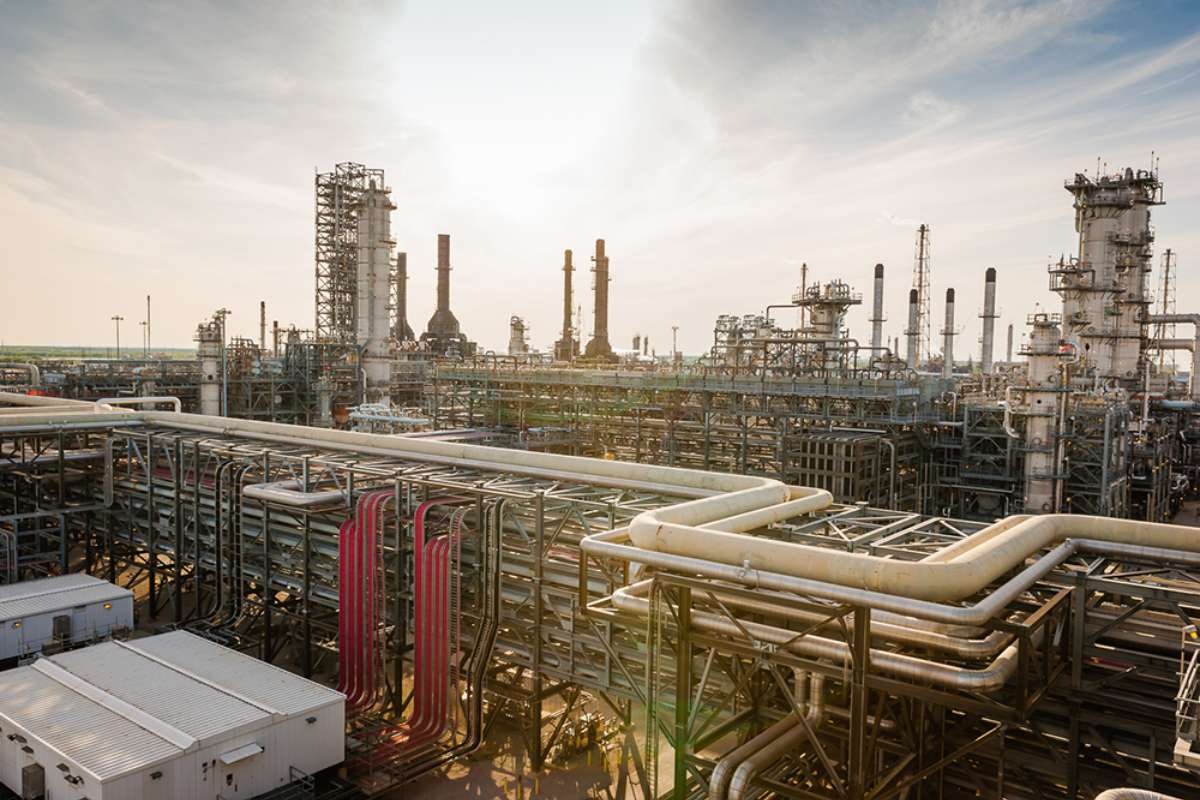
Capacity: 630,000 bpd
Country: United States (Texas)
Owner/Company: Saudi Aramco (Wholly owned since 2017)
Founded Year: 1902 (Original Components)
Key Products: Gasoline, Diesel, Aviation Fuels, High-quality Base Oils.
Unique Angle: It holds the distinction of being the largest single-site refinery in North America. Its robust design allows it to process an incredibly diverse slate of more than 100 different types of crude oil, including heavy, sour grades.
Port Arthur Refinery in Texas. It is known for refining some of the world’s heaviest crude oils. Backed by Saudi Aramco, it produces massive volumes of gasoline, diesel, and base oils. Its scale often places it close to the largest oil refineries in the world. The refinery is a major economic hub for the Gulf Coast.
9. ExxonMobil Beaumont Refinery:
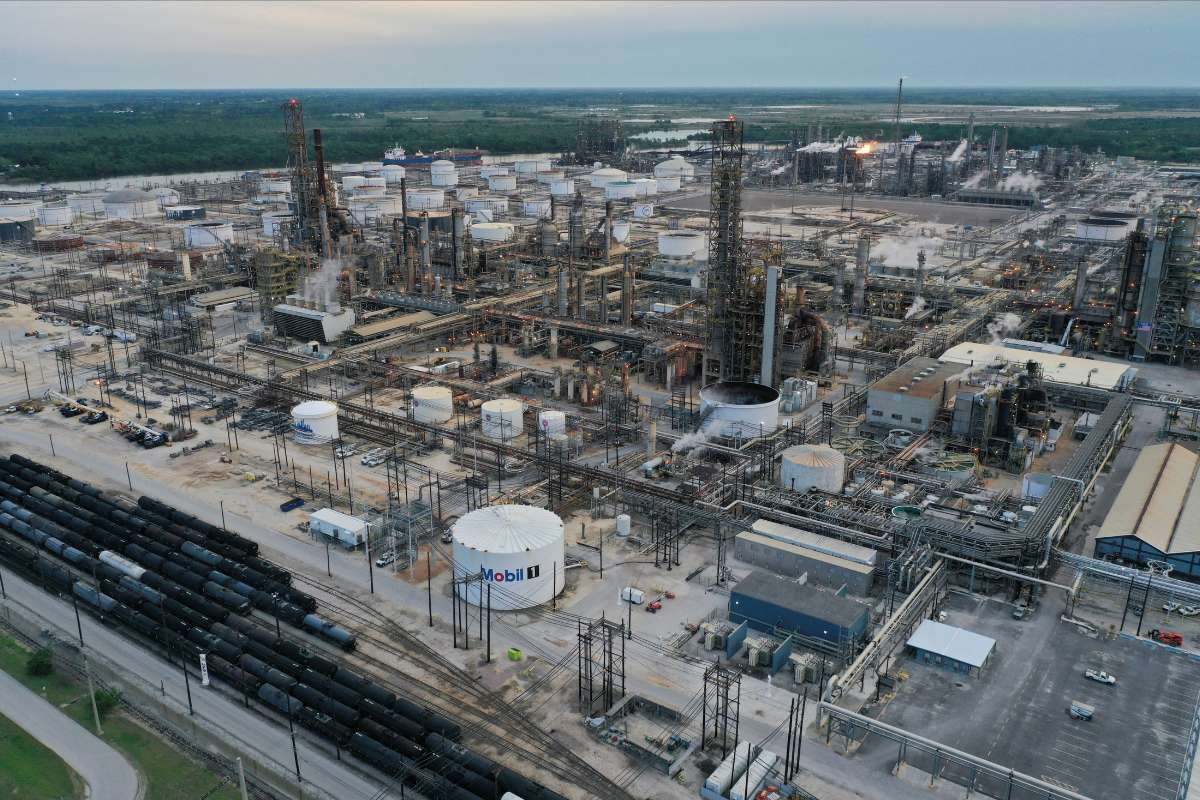
Capacity: 609,024 bpd
Country: United States (Texas)
Owner/Company: ExxonMobil
Founded Year: 1903
Key Products: Fuels, Lubricants, Petrochemicals (plastics, synthetic rubber).
Unique Angle: A massive, highly integrated petrochemical powerhouse. It is a key development site for ExxonMobil’s investment in advanced conversion and plastics recycling technology, connecting traditional fuels production with future sustainability goals.
Beaumont Refinery has expanded significantly in recent years. This boosts its production of diesel and transportation fuels. Its modern units increase efficiency and reduce emissions. The site plays a vital role in U.S. energy exports. It benefits from ExxonMobil’s extensive pipeline and storage network.
10. Marathon Garyville Refinery:
Capacity: 597,000 bpd
Country: United States (Louisiana)
Owner/Company: Marathon Petroleum Corporation (MPC)
Founded Year: 1976
Key Products: Gasoline, Distillates, Asphalt, Polymer-grade Propylene.
Unique Angle: Located on the Mississippi River, this facility is frequently cited as the newest major grassroots refinery built in the United States, utilizing modern design principles for high-conversion processing of various crude oils.
This Louisiana refinery is one of Marathon’s most advanced and efficient facilities. It processes a wide range of crude grades to produce fuels for nationwide distribution. Garyville also supports regional petrochemical manufacturing. Its steady expansions reflect strong demand for U.S. refined products.
11. ExxonMobil Baytown Refinery:
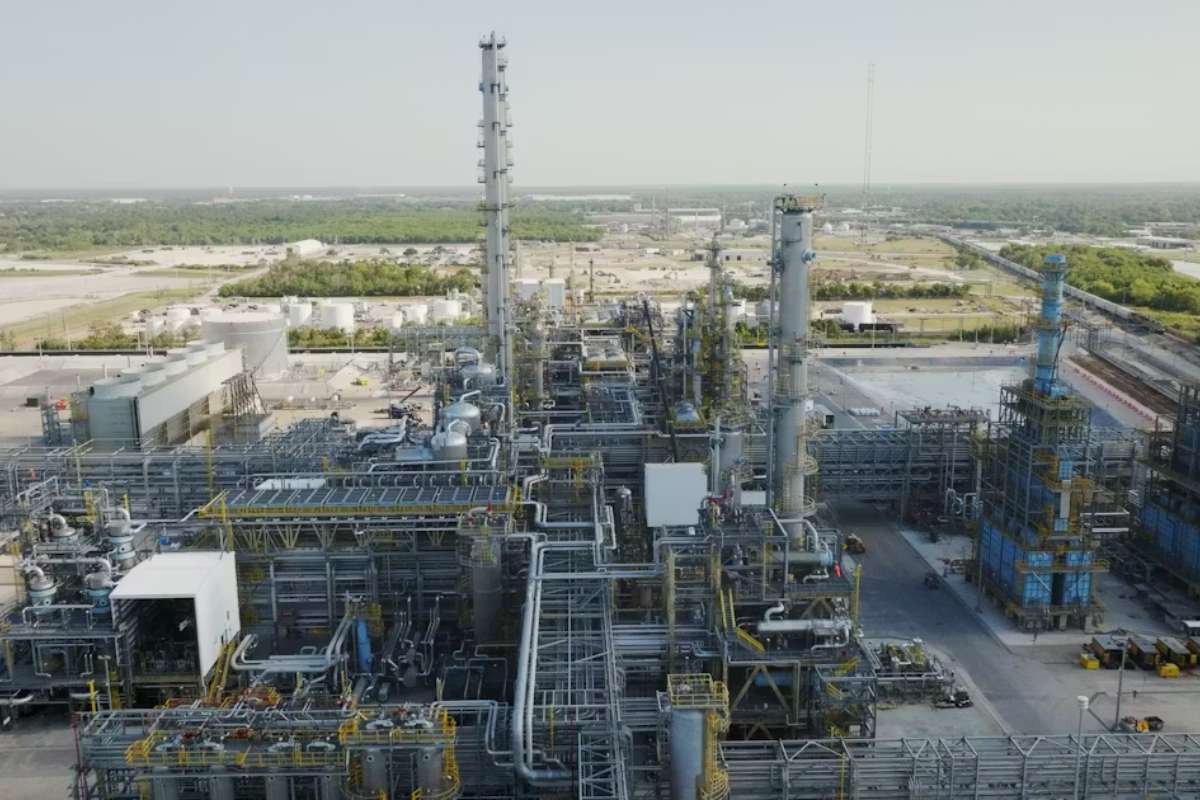
Capacity: 564,440 bpd
Country: United States (Texas)
Owner/Company: ExxonMobil
Founded Year: 1920
Key Products: Fuels, Lubricants, Petrochemicals, Polymers, Solvents.
Unique Angle: Situated on the Houston Ship Channel, this facility is one of the world’s largest and most advanced integrated refining and petrochemical complexes, encompassing four massive interconnected manufacturing sites.
Baytown is one of the oldest continuously operating refineries in the United States. It is part of a massive integrated petrochemical complex. The refinery produces gasoline, diesel, and chemical feedstocks at high volumes. Baytown’s innovation programs keep it competitive in global markets.
12. ExxonMobil Baton Rouge Refinery:
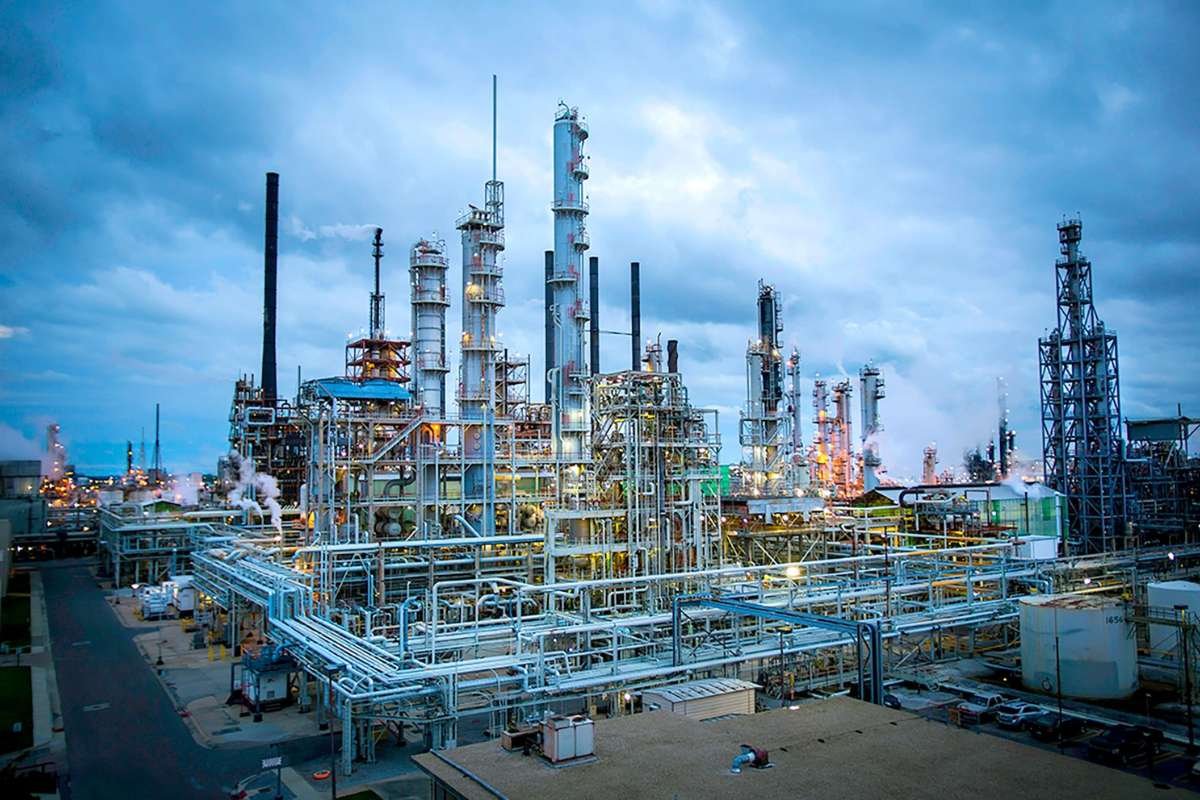
Capacity: 522,500 bpd
Country: United States (Louisiana)
Owner/Company: ExxonMobil
Founded Year: 1909
Key Products: Gasoline, Diesel, Jet Fuel, Petrochemicals, Solvents.
Unique Angle: The massive, integrated refining and chemical complex has been a continuous cornerstone of Louisiana’s industrial base for over 115 years, adapting to various crude feedstocks over its long history.
Baton Rouge is known for its strong infrastructure and strong supply chain connectivity. It supports one of the largest refining and petrochemical networks. The refinery’s high-quality products include fuels, lubricants, and specialty chemicals. It remains a vital U.S. Gulf Coast asset.
13. Citgo Lake Charles Refinery:
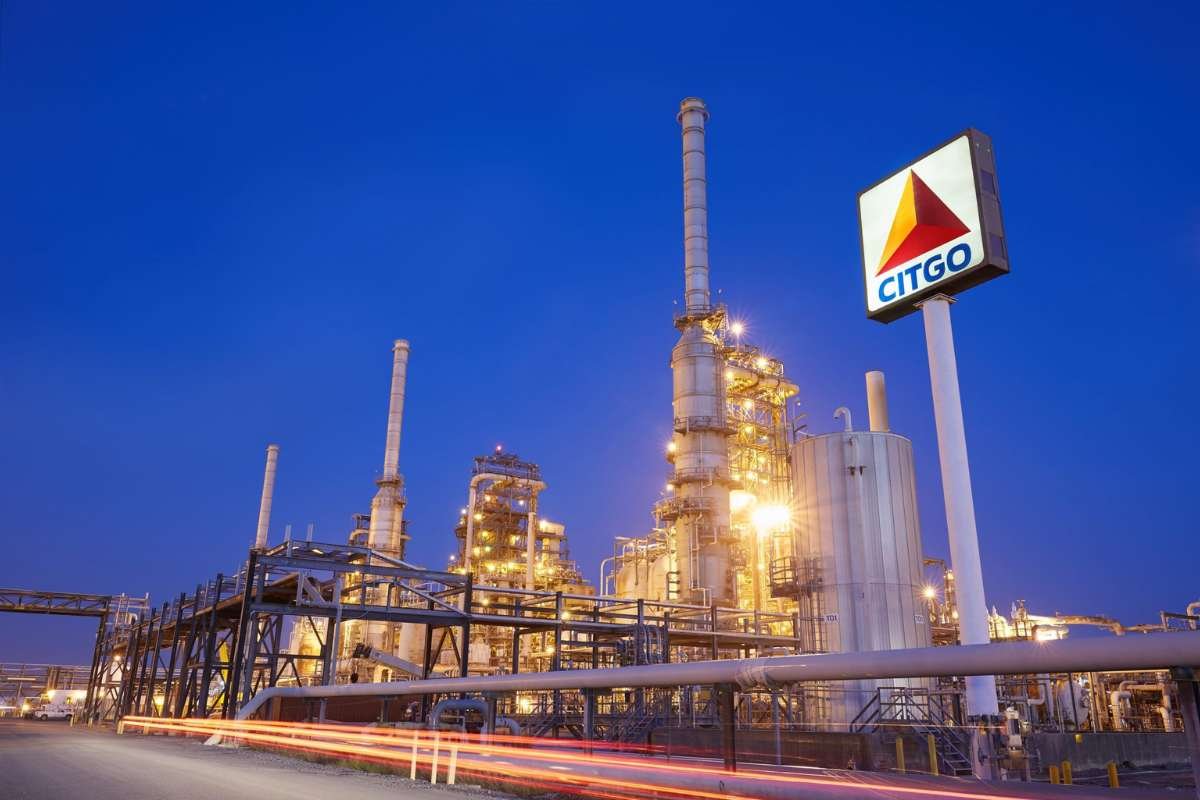
Capacity: 455,000 bpd
Country: United States (Louisiana)
Owner/Company: CITGO Petroleum Corporation
Founded Year: 1944
Key Products: Transportation Fuels, Petrochemicals (Propylene), Lubricants, Waxes.
Unique Angle: This facility was originally built by the U.S. government during World War II specifically to rapidly supply 100-octane aviation gasoline for the war effort, establishing its historical importance.
The Lake Charles Refinery is located in Louisiana. It is built for flexibility, processing heavy and sour crudes from multiple regions. It produces gasoline, diesel, jet fuel, and petrochemicals. Its deepwater port access improves export capabilities. The facility plays a major role in Citgo’s U.S. operations.
14. BP Whiting Refinery:

Capacity: 435,000 bpd
Country: United States (Indiana)
Owner/Company: BP Products North America
Founded Year: 1889 (Standard Oil of Indiana)
Key Products: Gasoline, Diesel, Jet Fuel, Asphalt.
Unique Angle: It is BP’s largest refinery globally and has a significant history of technological innovation, having pioneered the refining of heavy, high-sulfur crude grades. It underwent a major modernization to process heavy Canadian oil sands crude.
Whiting Refinery in Indiana is a key supplier of fuel to the Midwest. It underwent major upgrades to process Canadian heavy crude. Known for high reliability. It supports regional aviation, transportation, and industrial sectors. The refinery is an essential part of BP’s downstream operations.
15. Marathon Los Angeles Refinery:
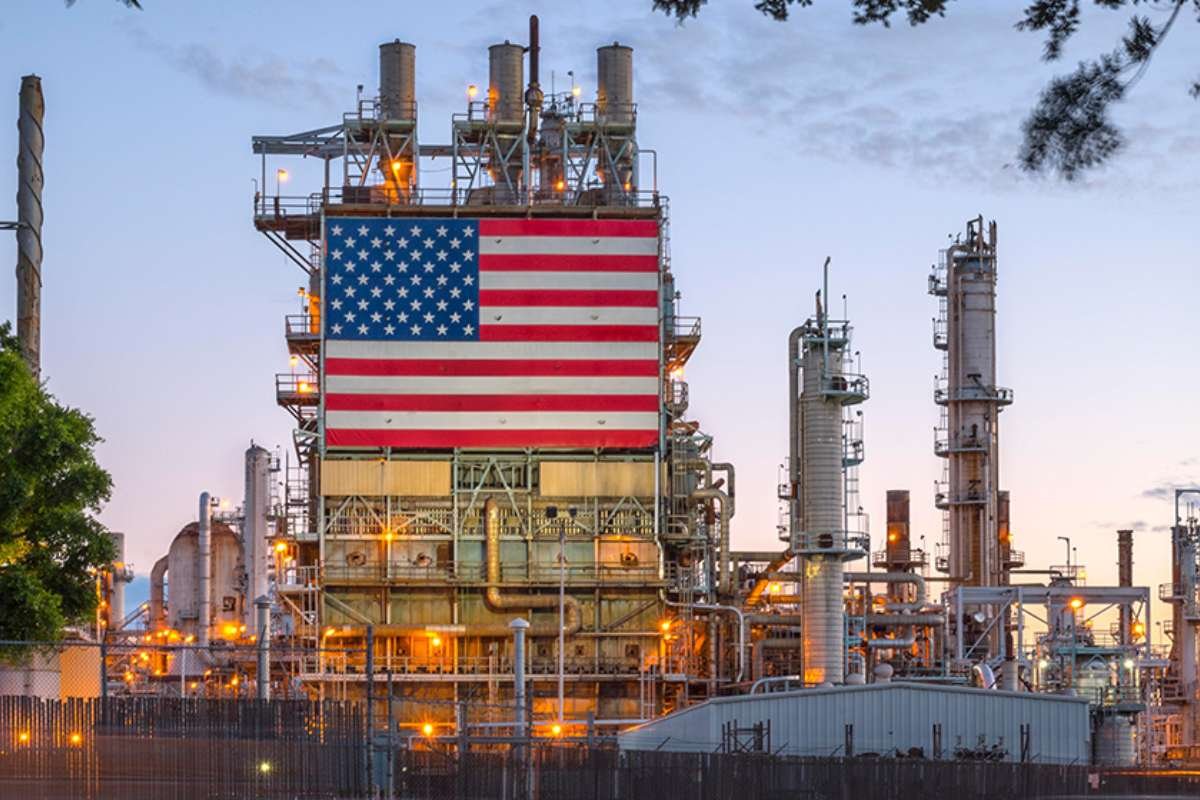
Capacity: 365,000 bpd
Country: United States (California)
Owner/Company: Marathon Petroleum Corporation (MPC)
Founded Year: 1969 (Complex formed)
Key Products: California-grade Gasoline (CARBOB), Diesel, Jet Fuel.
Unique Angle: This is the largest refinery complex on the US West Coast, making it essential for supplying California’s highly regulated, environmentally mandated fuel market and maintaining energy stability in the region.
This refinery is one of the most significant energy facilities on the U.S. West Coast. It produces gasoline, renewable diesel, and jet fuel for California and nearby states. Its operations focus on lower-emission refining practices. With strict environmental standards. It remains a technologically advanced site among the largest oil refineries in the world.
Which Country Has the Largest Oil Reserve?
| Rank | Country | Reserves (Billion Barrels) |
| 1. | Venezuela | 303 |
| 2. | Saudi Arabia | 267 |
| 3. | Iran | 209 |
| 4. | Canada | 163 |
Proven reserves are those quantities that can be recovered with a high degree of certainty. That is around 90% under current economic and operating conditions. They are a part of recoverable reserves. They are simply the oil that can be extracted both economically and technically. It’s important to note that having the largest reserve does not equate to the highest production or operating the Largest Oil Refineries in the World. Venezuela’s heavy, difficult-to-process crude often requires specialized technology and significant capital investment.
Conclusion:
The Largest Oil Refineries in the World are more than just factories. They are vital national resources. Starting from the massive scale of Jamnagar to the advanced heavy crude processing at Port Arthur. These industrial titans reduce import dependency, improve energy security, and drive global trade. With the help of consistent conversion of raw crude into essential fuels and products. It also sustains modern civilization. Their enormous potential and technological intricacy highlight an important worldwide reality. That is the ability to refine is the ability to affect the global economy.
FAQ:
1. How is the ranking of the largest oil refineries in the world determined?
Refinery rankings are based on daily crude processing capacity. It is measured in barrels per day. Analysts also consider operational efficiency. And integration with petrochemicals and upgrade investments. International bodies like the U.S. Energy Information Administration (EIA) and OPEC. They often reference these capacities.
2. Are the largest oil refineries in the world environmentally friendly?
Many major refineries use advanced emission-control systems. Along with sulfur-recovery units and energy-efficient technologies to reduce pollution. However, refining remains carbon-intensive. The energy industry is increasingly investing in carbon capture, hydrogen fuel integration, and renewable-powered operations. This will make refineries more sustainable.
3. Which factors influence the capacity of a refinery?
Refinery capacity depends on various factors. Such as crude availability, investment levels, technological advancement, infrastructure limits, and environmental regulations. Expansions often require billions of dollars. It takes several years of construction and testing.