Most of us take our cities for granted. Clean water flows from the tap. Hospitals have doctors and medicine. Roads don’t have massive potholes. However, for millions of people around the world, these basics are luxuries. Some cities have stopped working. Infrastructure has crumbled. Services have vanished. And the people living there face a daily reality that most of us can barely comprehend.
The gap between the world’s best and worst cities is staggering. Copenhagen scores 98 out of 100 for liveability. Damascus scores 20. It reflects what happens when wars destroy everything, when governments fail their people, and when entire regions get trapped in cycles they cannot escape. These differences matter because they force millions to migrate, flee, or survive in places that are falling apart.
Currently, there are 12 of the least livable cities in the world, where residents struggle to access basic healthcare. Where finding a job is nearly impossible. Where violence or conflict defines daily life, these cities rank at the absolute bottom of global liveability scales.
In this article, we look at the least livable cities in the world, what makes these cities unlivable, why entire regions struggle together, and which ones might actually recover.
Understanding Liveability: What Defines the Least Livable Cities in the World?
What makes a city livable? It is not just about nice weather or good restaurants. The Economist Intelligence Unit, a respected research organization, answers this question with its Global Liveability Index. They assess 173 cities worldwide using a detailed framework. Their goal is straightforward: to determine which cities offer a decent quality of life and which ones have significant problems.
The index does not rely on gut feelings. It measures over 30 specific factors grouped into five categories. Each category is weighted differently because some aspects are more important than others. Stability, for example, is the most important. If a city is dangerous or torn apart by conflict, nothing else matters much. An excellent healthcare system is useless when people are fleeing for their lives.
Here is how the five categories work:
| Category | Weight | What It Measures | Why It Matters | Example: Worst Case |
| Stability | 25% | Crime rates, terrorism threats, military conflict, and civil unrest | If a city is unsafe, people flee, and investment stops | Damascus: Active war, checkpoints everywhere, humanitarian crisis |
| Healthcare | 20% | Hospital capacity, doctor availability, medicine access, public and private systems | People cannot survive without basic medical care and disease prevention | Harare: Healthcare system near collapse; Damascus: Only 57% of hospitals are working |
| Culture & Environment | 25% | Air quality, temperature comfort, cultural events, food variety, and social freedoms | Environmental degradation and isolation harm both physical and mental health | Dhaka and Karachi: Among the world’s worst for air pollution; Damascus: Extreme poverty, no cultural outlets |
| Education | 15% | School availability, literacy rates, quality of private and public education | Without education, children cannot build better futures | Aleppo and Damascus: Schools damaged or closed, teachers fled, and limited enrollment |
| Infrastructure | 15% | Roads, public transport, electricity, water, sanitation, housing, and internet | Poor infrastructure means long commutes, no utilities, and broken services | Kyiv: 26.8 score due to war destruction; Lagos: Traffic chaos; Dhaka: Broken sewage systems |
Where Life is Toughest: The 10 Least Livable Cities in the World
1. Damascus, Syria – Middle East – Global Rank: 173
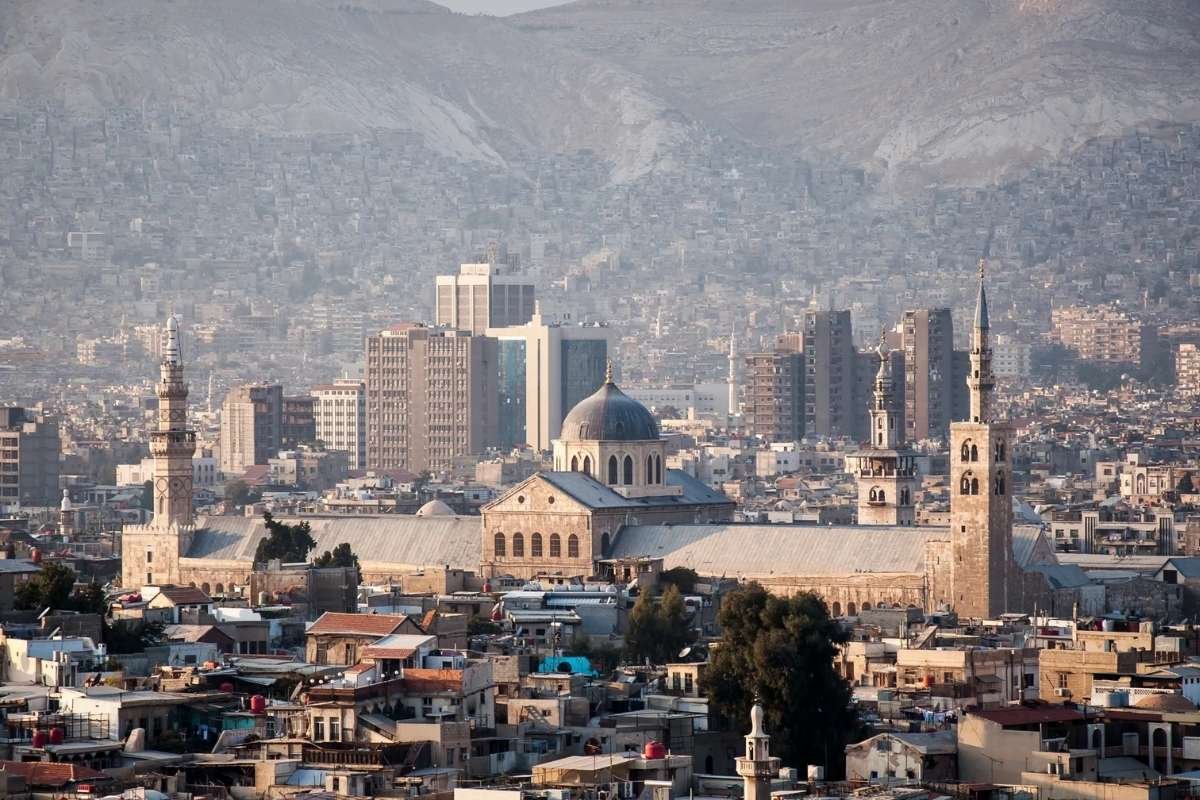
Index Score: 20.0 | Population: 2.1M
Damascus has descended into a complete humanitarian breakdown. War has destroyed hospitals, roads, and power systems. Only 57 percent of hospitals remain functional, and 246 health facilities are expected to close due to a lack of funding. The USAID freeze in 2025 left the healthcare system without critical resources. Over 15.8 million Syrians need humanitarian assistance. People cannot access clean water.
Electricity works sporadically at best. The city represents a total collapse of basic services. Residents either flee or endure unimaginable hardship. Reconstruction seems impossible without massive external support. The stability score of 20 indicates a state of constant danger and an ongoing humanitarian crisis. Poverty is extreme, with 90 percent of the population below the poverty line.
2. Tripoli, Libya – North Africa – Global Rank: 172
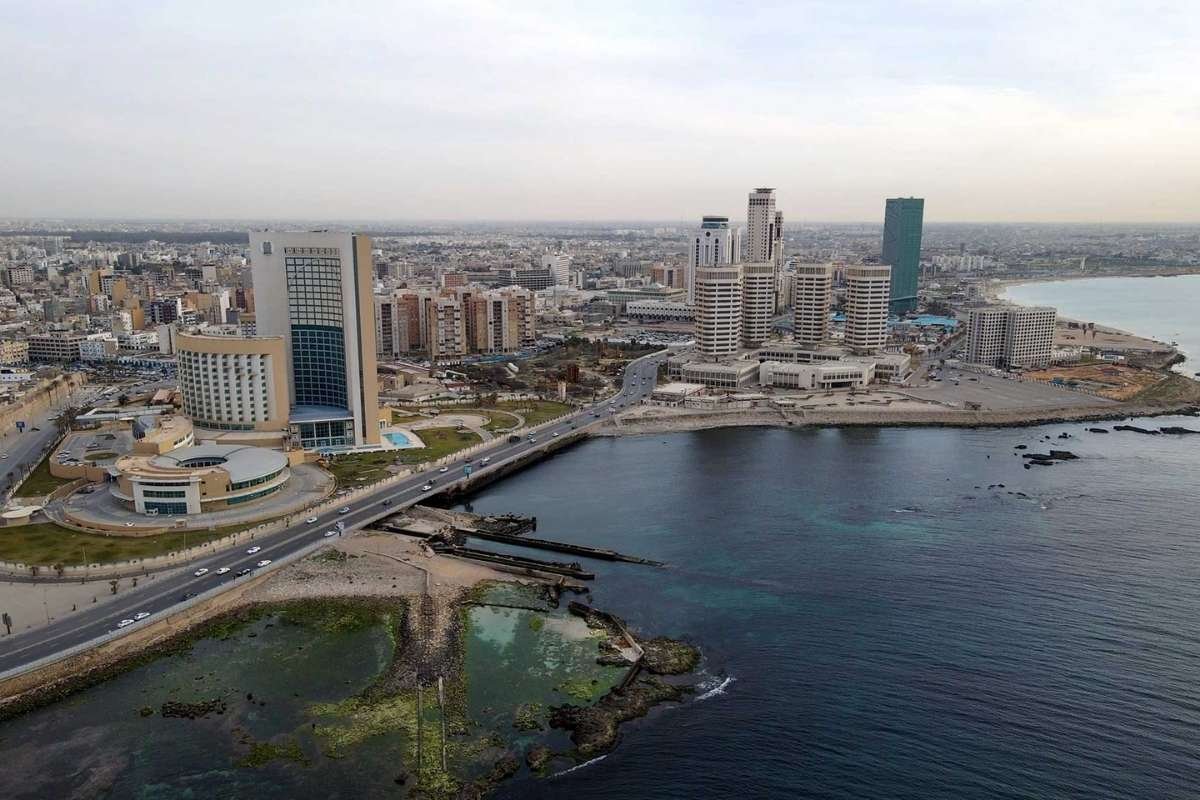
Index Score: 40.0 | Population: 1.2M
Tripoli has become a city divided by rival armed factions competing for control. Civil conflict has left residents caught between warring groups, with infrastructure neglected and services failing. The town once tried reconstruction efforts, building parks for traumatized residents after a decade of fighting. However, political divisions remain.
Water supplies have been weaponized, with armed groups cutting off access to pressure the government. Roads remain damaged from years of conflict. Services operate inconsistently. The healthcare system functions partially, but political instability prevents meaningful progress. People live with constant uncertainty. Investment is limited because nobody can guarantee security. The aftermath of the conflict has left the city struggling to function, let alone recover from the damage.
3. Dhaka, Bangladesh – South Asia – Global Rank: 171
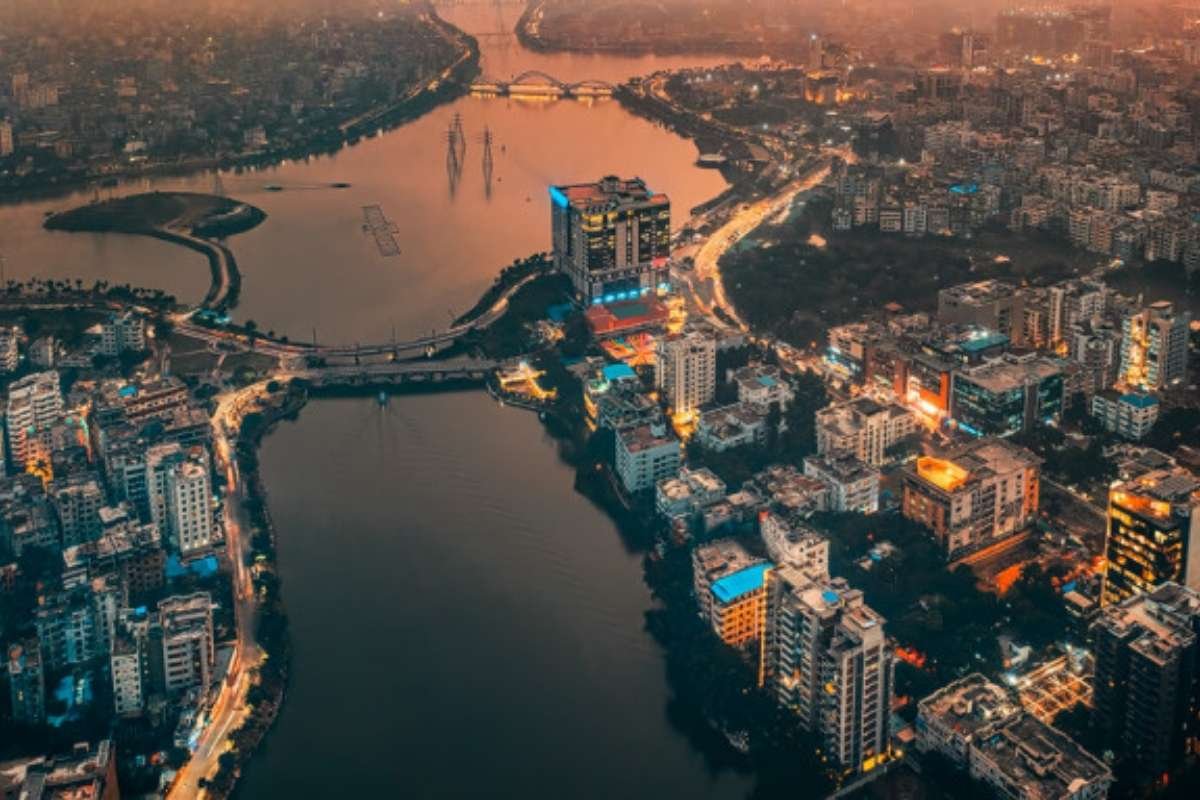
Index Score: 41.7 | Population: 21M+
Dhaka suffers from extreme overcrowding and severe environmental degradation that make life exhausting. The city has the third-worst air quality among major cities worldwide, with pollution levels posing a significant hazard to human health. Rapid, unplanned urbanization has created a sprawling metropolis where basic services cannot keep pace with population growth. Roads are congested beyond capacity.
Sewage systems are inadequate. Slums lack basic facilities. The least livable cities in the world often struggle with infrastructure, and Dhaka exemplifies this struggle. Population density, combined with industrial pollution, creates a constant risk of respiratory illness. Clean water is scarce. Housing is substandard for millions. Healthcare is strained and overwhelmed. The environmental crisis has a direct impact on the daily lives of residents. Yet despite being home to 21 million people, the city cannot provide adequate services or safe living conditions. Environmental issues continue worsening as urbanization accelerates.
4. Karachi, Pakistan – South Asia – Global Rank: 170
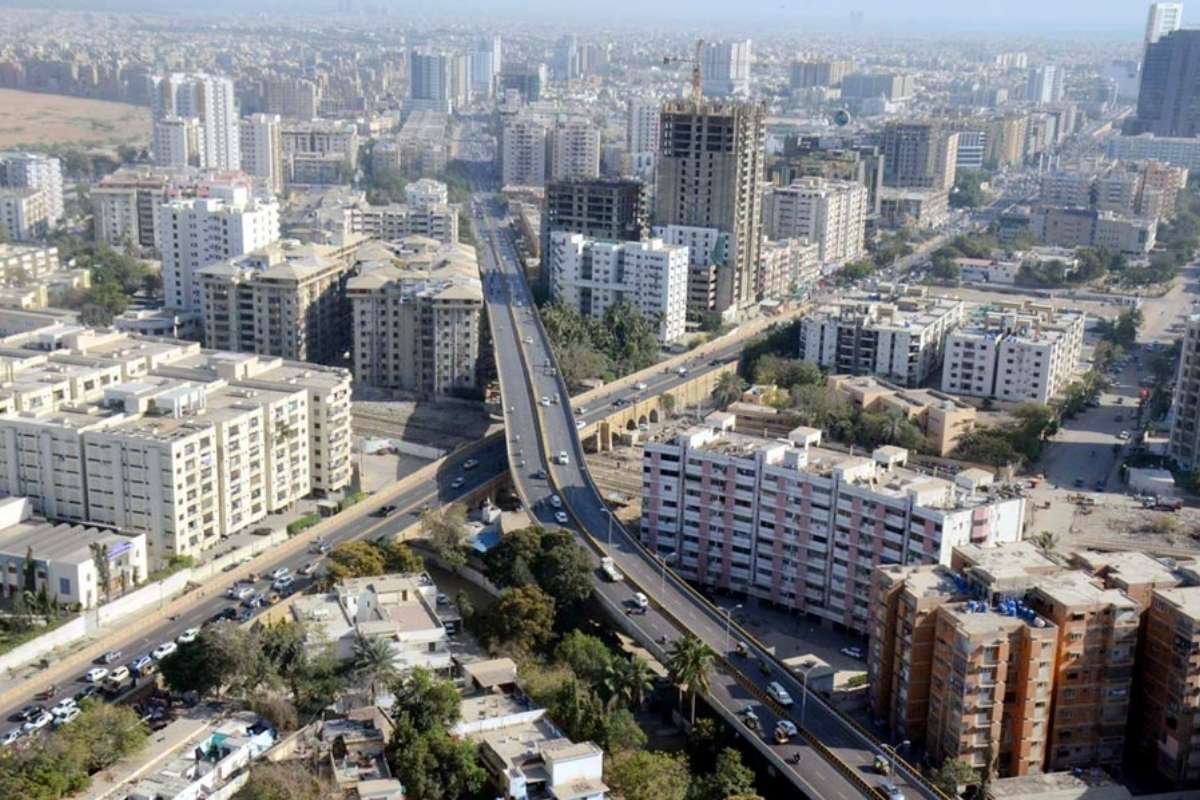
Index Score: 42.7 | Population: 15M+
Karachi has become one of the world’s most dangerous cities due to gang violence and terrorism. Gang networks control neighborhoods, extracting “taxes” from shopkeepers and forcing young men into recruitment. Over 26,000 crime incidents were recorded in 2025. At least 45 citizens have been killed in street crimes since January. Police and government forces have launched military-style crackdowns with limited success. Armed groups use heavy weaponry, including rocket-propelled grenades.
The least livable cities in the world struggle with multiple crises simultaneously, and Karachi faces violence combined with weak infrastructure and economic problems. Parents fear sending children to school. Women avoid public spaces after dark. Businesses close early. Investors hesitate to commit capital to a city with minimal safety guarantees. The stability score of just 20 reflects the persistence of gang activity and militant operations. Fear has become the defining characteristic of daily life.
5. Algiers, Algeria – North Africa – Global Rank: 169

Index Score: 42.8 | Population: 3.2M
Algiers functions under chronic political instability that prevents development and investment. The government remains largely military-dominated, with limited civilian oversight. Political parties lack real power or popular support. Voter turnout stays low because citizens view elections as meaningless. This instability creates investor uncertainty. Infrastructure remains weak. Services are underfunded. Corruption limits effective governance.
The city has reasonable healthcare compared to war zones, but political dysfunction blocks progress. Without a stable government, cities cannot plan effectively or allocate resources wisely. Algiers reflects how political failure undermines liveability across all categories. Economic stagnation accompanies political gridlock. Youth unemployment drives migration. The infrastructure score of 30.4 indicates weak systems that do not adequately serve residents. Political dysfunction has become the primary barrier to improvement.
6. Lagos, Nigeria – Sub-Saharan Africa – Global Rank: 168

Index Score: 43.5 | Population: 15M+
Lagos is overwhelmed by rapid population growth that its infrastructure cannot keep up with. Traffic congestion is legendary, with commuters spending at least three hours daily in gridlock. Over 40 percent of Nigeria’s cars are registered in Lagos, resulting in chaos on the inadequate roads. Air pollution exceeds recommended limits by a factor of five. The fatal accident rate is three times higher than in European cities. Healthcare struggles under population pressure. Crime remains constant.
Yet, despite systemic failures, Lagos continues to function as Nigeria’s economic hub. The least livable cities in the world often have some functioning services, and Lagos maintains basic business activity. However, daily life is tough. Residents face exhausting commutes, dangerous roads, and insufficient services. Environmental degradation from vehicles and industry compounds health problems. Rapid urbanization without planning has led to a city that is stretched beyond its capacity. The infrastructure score of 53.6 reflects overwhelmed systems that are still functioning despite impossible conditions.
7. Harare, Zimbabwe – Sub-Saharan Africa – Global Rank: 167
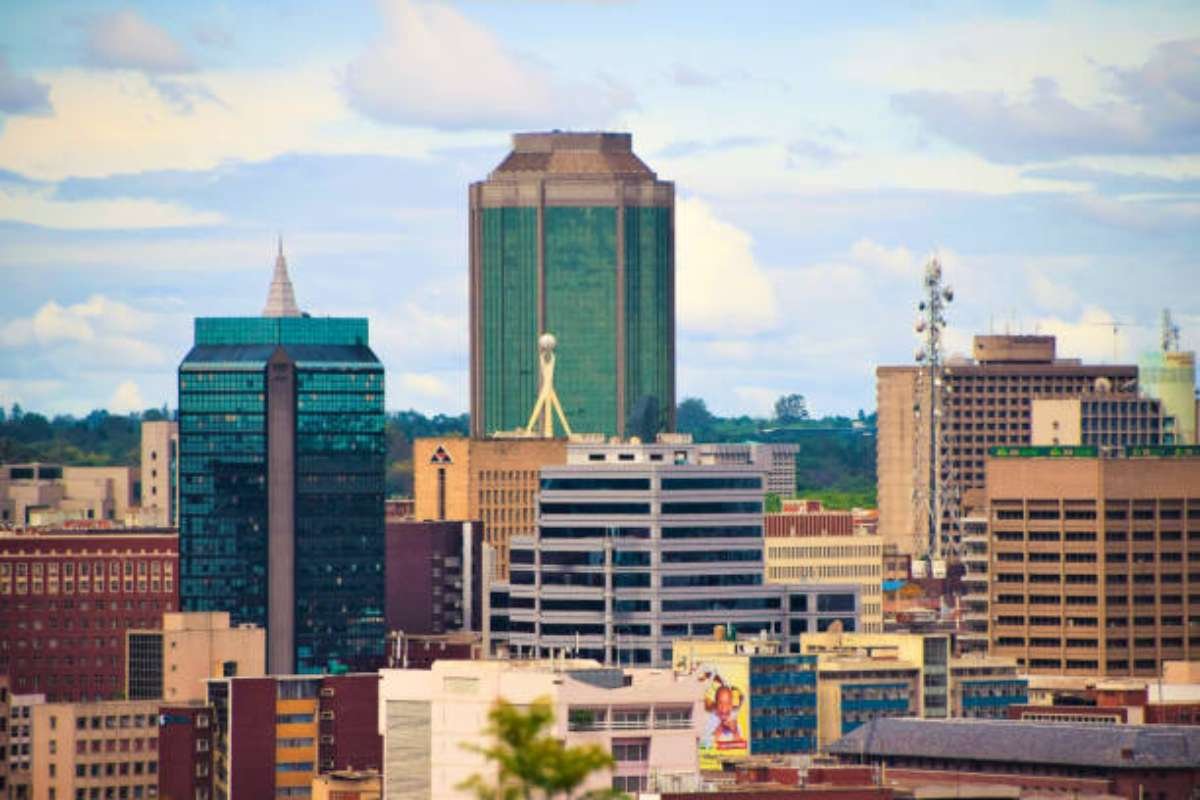
Index Score: 43.8 | Population: 1.5M
Harare’s healthcare system has essentially collapsed from underfunding and neglect. Hospitals lack basic equipment and medicines. A mammography machine at the country’s largest hospital has been out of order for 15 years. Surgical capabilities have been abandoned. Elective surgery stopped entirely. Staff shortages are severe because doctors have fled to other countries in search of better opportunities. Rural clinics lack even basic supplies. Urban hospitals are overcrowded and under-resourced.
Patients must purchase medicines, sutures, and blood supplies privately or risk going without treatment. Emergency obstetric services have failed, resulting in escalating infant cerebral palsy cases. Nurses and doctors face burnout due to demanding working conditions and inadequate compensation. The healthcare score of 29.2 reflects complete system failure. Residents cannot access basic medical care. This healthcare crisis directly causes preventable deaths and suffering. Political instability has resulted in a lack of meaningful investment in health infrastructure.
8. Port Moresby, Papua New Guinea – Oceania – Global Rank: 166
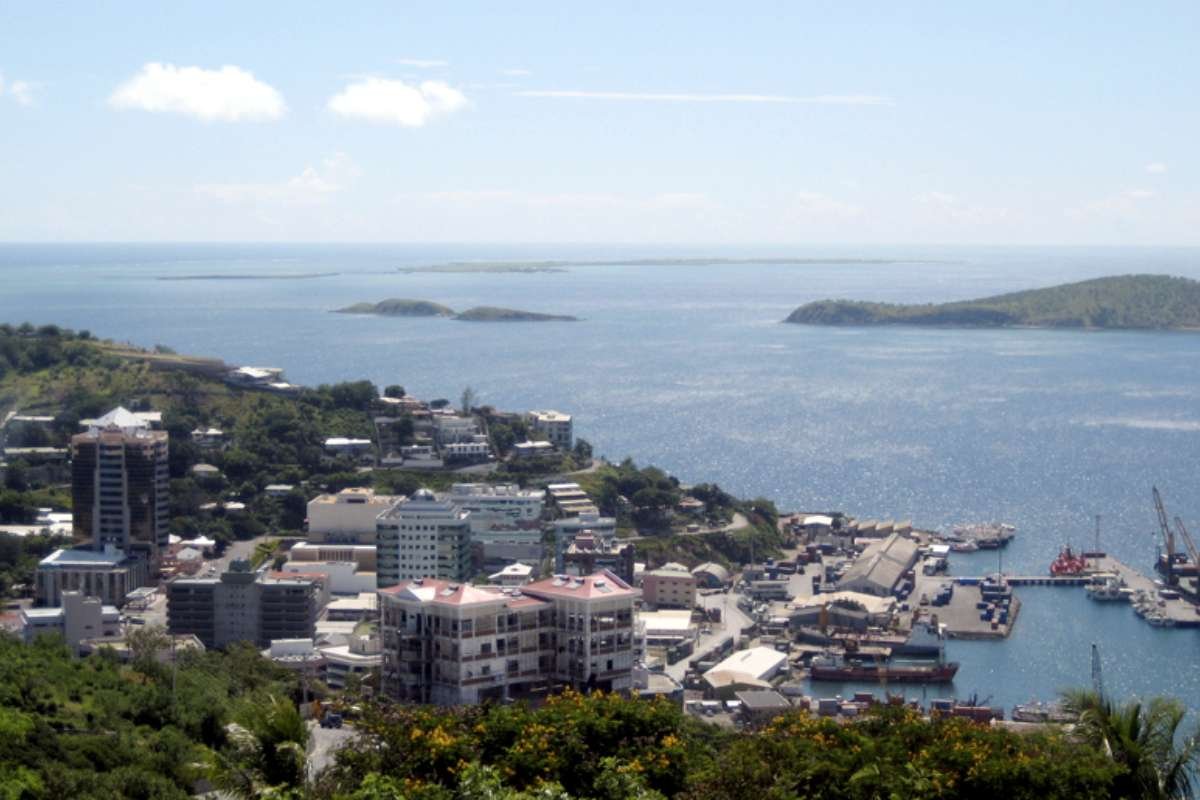
Index Score: 44.1 | Population: 350K
Port Moresby holds the reputation as one of the world’s most dangerous cities, with gang violence and organized crime endemic. Raskol gangs engage in robbery, carjacking, home invasion, sexual assault, and murder. Moresby’s violence is extreme, making it one of the least livable cities in the world. Police are perceived as unprofessional and distant. The justice system is slow, overloaded, and outdated.
Prisons operate as schools for crime rather than rehabilitation. Unemployment drives youth into gangs seeking status and income. High weapons ownership among criminals means violence is lethal. Infrastructure is limited due to geographic isolation. Healthcare is inadequate. Development remains minimal because investors avoid the city. Residents live with constant fear and insecurity. The combination of poverty, unemployment, and gang culture creates an environment where violence becomes normalized.
9. Kyiv, Ukraine – Eastern Europe – Global Rank: 165
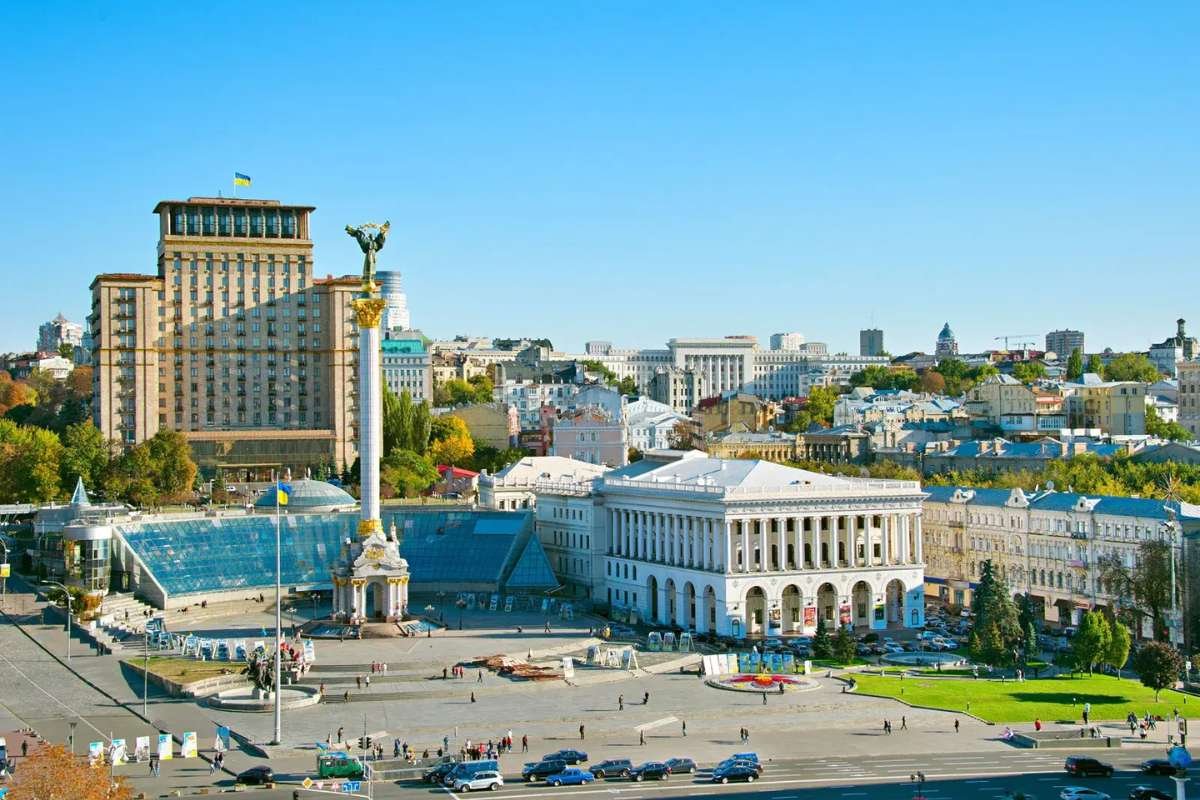
Index Score: 44.5 | Population: 3.6M
Kyiv endures active military destruction from Russian attacks, yet residents have shown remarkable resilience. Over 330,000 critical infrastructure facilities have been damaged or destroyed. More than 26,000 kilometers of roads and 344 bridges have been destroyed. The infrastructure score of 26.8 reflects the devastation caused by bombardment and military operations. Electricity is unreliable. Water systems are damaged. Roads are destroyed. Yet the city has maintained healthcare and education services despite the crisis.
The stability score of 40 reflects ongoing danger and uncertainty. Residents face bombardments and the constant threat of attack. Many have fled. Those who remain combine survival with a sense of hope. The least livable cities in the world feature multiple system failures, and Kyiv exemplifies war’s impact on urban life. Reconstruction costs are estimated at 524 billion USD over the next decade. Recovery will require decades of sustained international support and restoration of security.
10. Caracas, Venezuela – South America – Global Rank: 164

Index Score: 44.9 | Population: 5.3M
Caracas is reeling from an economic collapse and hyperinflation that has rendered the currency nearly worthless. The bolivar has lost so much value that salaries cannot purchase necessities. Inflation reached 180 to 200 percent in 2025 despite stabilization efforts. The official exchange rate doubled from 35 to 70 bolivars per dollar within a matter of months. Black market rates reached 100 bolivars per dollar. Crime rates are high due to poverty and desperation. Electricity fails regularly, forcing the government to reduce work weeks so people can seek additional income. Food shortages and price surges create daily struggles for survival.
Concluding the list of the least livable cities in the world, Caracas combines economic catastrophe with infrastructure problems and a rising crime rate. Despite the collapse, some services still function. Shops and restaurants are commonly found in affluent areas. Education scores remain relatively high at 66.7. Yet 90 percent of residents report wanting to leave. The brain drain of professionals accelerates as doctors, engineers, and skilled workers emigrate in search of stability and better opportunities.
Read Next:
- Most Liveable Cities in the World: Top 18 Places Giving Residents the Best Quality of Life
- See the Top 25 Most Beautiful Cities in the World that Look Straight out of a Dream
Why Entire Regions Struggle?
The 10 least livable cities in the world are not isolated cases. They reflect larger regional crises that trap entire areas in cycles of instability and decline.
Sub-Saharan Africa’s Crisis
Lagos and Harare represent a region facing immense urbanization without adequate infrastructure. Africa has 24 percent of the world’s disease burden but only 3 percent of its health workers. Only 5 percent of Africans have access to safe surgery. Lagos grew from 1.4 million people in 1970 to over 15 million today, but infrastructure did not keep pace. Slums expanded. Services became overwhelmed.
Governments often lack the resources to invest in essential services such as water, sewage, electricity, and transportation. Brain drain accelerates as doctors, teachers, and engineers emigrate in search of better opportunities—weak governance and corruption limit outside investment, creating a vicious cycle where infrastructure deteriorates further.
South Asia’s Population Density
Karachi and Dhaka face extreme overcrowding. Dhaka has 21 million residents, creating unprecedented environmental problems. Air pollution exceeds safe limits by a factor of five. Rapid, unplanned urbanization led to the development of sprawling slums lacking basic sanitation.
Contaminated water and inadequate sewage systems facilitate the easy spread of disease. Karachi faces a similar density combined with gang violence and terrorism. The root cause is population growth that development cannot keep pace with. Investment has not kept pace with urbanization. Political instability prevents long-term planning.
The Middle East’s Geopolitical Conflicts
Damascus, Tripoli, and Algiers reflect a region trapped in conflict and political dysfunction. Syria’s civil war killed over 500,000 people and displaced 13 million. Multiple external powers—Russia, Iran, the United States, and Turkey—pursued their own strategic interests, thereby prolonging the conflict.
Hospitals were bombed. Over 57 percent of Syria’s hospitals have been destroyed. Libya faces similar geopolitical competition. Rival governments and external actors support different factions, making state function impossible. Services have failed. Investment is limited because security cannot be guaranteed.
The Interconnected Failures
The least livable cities in the world fail across multiple dimensions simultaneously. Poor governance combines with environmental degradation. Population pressure coincides with inadequate infrastructure. Geopolitical conflict overlaps with economic dysfunction. When healthcare systems fail, people cannot work.
When violence is constant, investment stops. When air pollution is severe, respiratory disease reduces productivity. When roads are destroyed, commerce cannot function. These problems feed into each other, creating spirals of decline that trap entire regions.
Environmental Factors: The Often-Overlooked Crisis
Environmental degradation has a direct impact on whether people can survive in a city. It combines with other failures to create hazardous daily conditions.
Air Pollution Crisis
Dhaka and Karachi suffer from air pollution far exceeding safe limits. Dhaka has PM2.5 levels of 71.4 micrograms per cubic meter. The World Health Organization recommends 15. Dhaka is nearly 5 times the safe limit. Karachi is four times as large, and Lagos is four and a half times as large.
These levels cause respiratory disease, asthma, lung cancer, and premature death. Children develop lifelong breathing problems. Adults lose years of life expectancy. The economic impact is severe as people spend sick days indoors and outdoor work becomes dangerous. Construction, agriculture, and street commerce suffer. Healthcare systems become overwhelmed treating pollution-related diseases.
Water Scarcity in Damascus
Damascus faces an acute water crisis. The Ein El-Fijeh well, supplying 5 million people, is drying up. The Barada River, which provides 70 percent of the city’s water, is at its lowest in 33 years. Two-thirds of Syria’s water facilities suffered extensive damage during the civil war. Water is now transported manually by car. Households lack access to adequate water for drinking, cooking, and sanitation. Contaminated water can spread communicable diseases, such as cholera. Residents cannot access basic water for survival.
Climate Vulnerability and Interconnections
Environmental degradation reduces livability through multiple pathways. Pollution causes disease. Water scarcity prevents sanitation and agriculture. Heat stress reduces productivity. Flooding destroys infrastructure. Drought creates food shortages. These environmental crises, combined with poverty, weak governance, and inadequate services, create cities where survival requires a constant struggle. Environmental factors are not separate from other crises. They feed into healthcare failures, economic problems, and social breakdown.
What Would It Take? The Path to Improving Liveability
Fixing the least livable cities in the world requires slow, steady work on several fronts simultaneously, rather than a single grand solution.
Stable, Honest Governance First
- Local authorities require absolute authority, transparent budgets, and effective oversight of corruption.
- When leadership is predictable and accountable, long-term planning becomes possible rather than relying on crisis management.
Basic Infrastructure Investment
- Repair roads, restore electricity, secure clean water, and build reliable public transport.
- Funding will have to be combined from local taxes, international loans, and outside aid, planned over decades, not election cycles.
Healthcare System Priority
- Pay doctors and nurses enough to keep them from leaving.
- Restore key hospitals, stock essential medicines, and establish simple referral systems so people can access care promptly.
Environmental Cleanup During Development
- Tackle dirty air, unsafe water, and open dumping alongside new projects.
- Simple steps, such as cleaner fuel rules, basic sewage treatment, and protected water sources, can quickly improve daily life.
Education for Future Generations
- Stable schools, trained teachers, and safe classrooms help break cycles of poverty and violence.
- Education also builds the development of engineers, doctors, and planners that these cities will need later.
Long-Term International Partnership
- Most of these cities cannot climb out of crisis with domestic resources alone.
- They need patient partners willing to fund, advise, and help protect progress over 10–20 years rather than a single funding cycle.
Read Next:
- Car-Dependent Chaos: Inside the 15 Least Walkable Cities In The World
- These Most Walkable Cities in the World Prove You Don’t Need a Car to Explore Beauty
Conclusion
The least livable cities in the world reveal what happens when basic systems fail. Damascus, Dhaka, Lagos, and others struggle with war, overcrowding, collapsed healthcare, and pollution, forcing millions to flee and creating global migration pressures. Recovery requires stable governance, infrastructure investment, environmental cleanup, and sustained international support over several decades. These cities are significant because their crises have a global impact on trade, security, and disease. Transforming survival into a life worth living requires a long-term commitment from everyone.