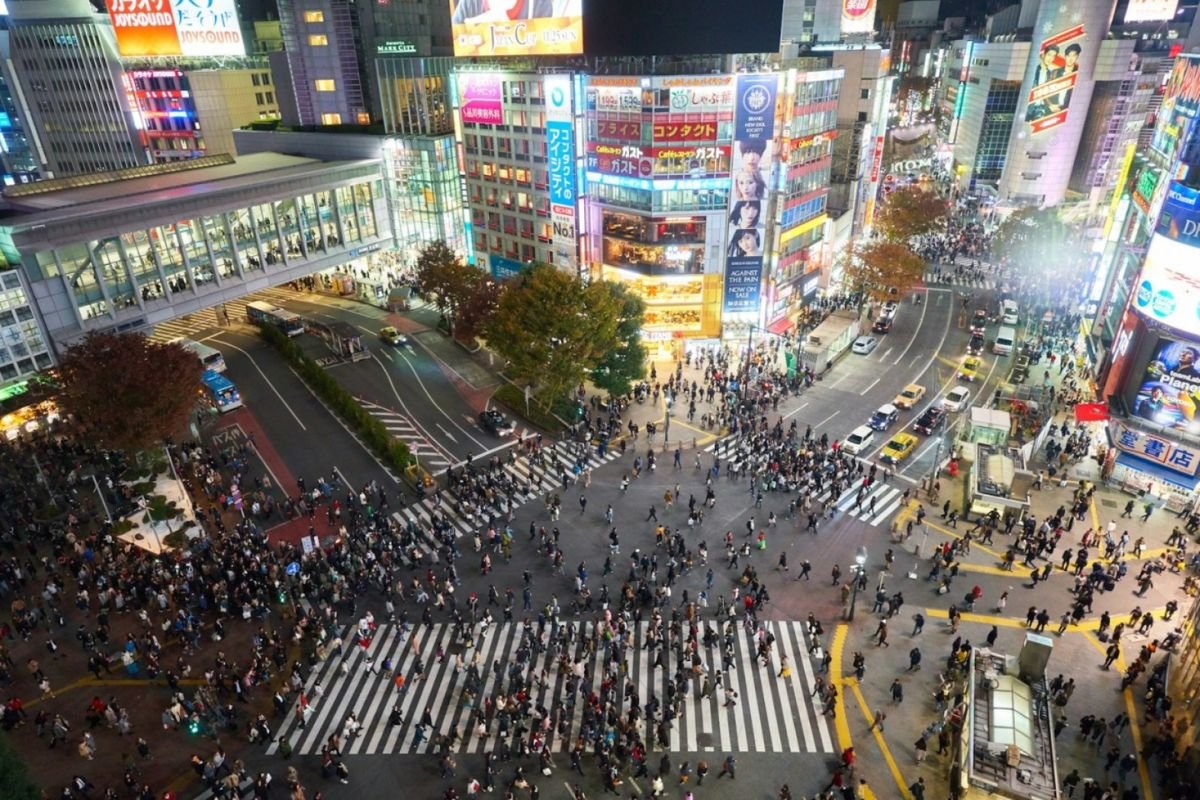
Sure, walking has this whole romantic vibe straight out of a rom-com. You know, strolling through cobblestone streets like William Thacker in Notting Hill, watching the seasons shift around you. The problem is, certain cities have other plans for you.
Try actually getting somewhere on foot in these places, and you’ll quickly realize you’re not in a movie anymore. Geography, climate, poor planning, or car-dependent design can ruin the entire pedestrian experience. And if you’re traveling to one of these spots, walkability becomes a considerable problem. It determines whether you’re actually exploring or just searching for rides, or simply waiting in an Uber for way longer than expected all day.
So what exactly makes cities this unwalkable? And which ones are the absolute worst?
In this article, you’ll find the 15 least walkable cities in the world, understand why they struggle with pedestrian design, discover surprising attractions worth visiting anyway, and get practical tips for getting around when walking won’t help it.
What Makes a City Walkable (or Not)?
You don’t need a degree in urban planning to understand why some cities work on foot, and others absolutely don’t. It comes down to a few key factors that either work together or fall completely apart when considering the least walkable cities in the world.
→ Urban Sprawl
This is the biggest culprit. When a city sprawls over a massive area with nothing connecting it, you’re essentially looking at a car dependency nightmare. Suburbs stretch endlessly, shops are miles apart, and walking becomes almost impossible. Cities like Houston and Dallas are textbook examples of sprawl gone wrong.
→ Car-Dependent Design
Some cities were literally built around cars rather than people. You’ll find massive highways, wide roads designed for traffic flow, and parking lots everywhere. Sidewalks? Either missing or so thin you can barely stand on them. This typically occurred after the 1950s, when car culture gained significant momentum in America.
→ Safety and Security
You can have perfectly maintained sidewalks, but if the area feels unsafe at night or even during the day, people will be reluctant to walk. Johannesburg and Cape Town struggle with this. Crime rates and perception matter just as much as physical infrastructure.
→ Geography and Climate
This is the trickier one. Mumbai gets pounded by monsoon rains that drop over 200mm in a single month. Phoenix hits 110°F regularly. Quito sits at 9,350 feet above sea level with steep terrain everywhere. These aren’t excuses, but they definitely make walking less appealing. You can’t exactly go for a stroll when you’re either drowning or dying from heat.
→ Public Transportation
Good transit makes up for poor walkability. If buses, trains, or metros work well, people don’t need to walk everywhere. But when public transport is either nonexistent or unreliable, you’re forced to either walk long distances or own a car.
15 Least Walkable Cities In The World:
Now that you understand what makes cities unwalkable, let’s get into the actual rankings. These are the 15 least walkable cities in the world, where walking is inconvenient and almost impossible.
1. Johannesburg, South Africa

Walkability Score: 19.31 | Population: 8.6 million (metro)
Johannesburg is literally at the bottom of the global walkability list. Only 8% of the city is within a kilometer of any car-free zone. Safety is the biggest issue that serious crime concerns make pedestrians feel genuinely unsafe, especially at night. Sprawling development and poor sidewalks mean even locals avoid walking. Neighborhoods are so disconnected that they basically force you into a vehicle. Residents and visitors alike have learned to avoid walking after dark. This is what happens when urban design prioritizes cars over pedestrian connectivity.
Primary Challenges: Safety concerns, urban sprawl, and limited pedestrian infrastructure
Traveler Tip: Stick to the Sandton and Braamfontein neighborhoods, which have better infrastructure and amenities. Use Uber or ridesharing apps religiously. The Apartheid Museum and Soweto tours are worth the effort—arrange transport ahead of time.
2. Patras, Greece

Walkability Score: 25.50 | Population: ~260,000
Greece’s third-largest city is incredibly car-dependent despite being coastal. There are barely any car-free zones, public transport is limited, and pedestrian infrastructure is poor. The town grew without planning for walkers. Patras should be walkable, as it’s compact and has nearby beaches. Streets were designed for cars, not people. Wide roads with minimal sidewalks make navigation difficult. It’s one of the least walkable cities in the world, proving that size doesn’t determine walkability. Poor planning does. Getting from one area to another often requires navigating through areas with a high concentration of cars.
Primary Challenges: Limited car-free zones, poor pedestrian infrastructure, and car-centric design
Traveler Tip: The city center is more walkable than the outskirts. The Rio-Antirrio Bridge area and waterfront are worth exploring on foot, but for getting around town, renting a car or using taxis is a sensible option.
3. Dallas, United States

Walkability Score: 37.50 | Population: 1.3 million city, 7.6 million metro
Dallas represents everything wrong with post-World War II American planning. The city sprawls endlessly with absurdly wide roads and dominant parking lots, making it one of the least walkable cities in the world. There’s almost no downtown core where walking works. Most of Dallas requires a car. Developers prioritized suburban expansion over urban density decades ago. What you get is a massive urban sprawl where you could drive 20 minutes and still miss downtown. Shopping centers sit isolated in parking lot universes. Residential and commercial zones are entirely separated.
Primary Challenges: Extreme urban sprawl, minimal sidewalks, car-dependent design
Traveler Tip: Downtown Dallas and the Arts District are ideal for walking. The Dart light rail system helps, too. However, staying in a car for most of your trip is, in fact, the easiest way to experience the city.
4. Houston, United States

Walkability Score: 37.20 | Population: 2.3 million city, 7.1 million metro
Houston takes sprawl to another level, with no zoning regulations; developers have built wherever they wanted. The result is massive and disconnected, with almost nonexistent sidewalks and extreme car dependency. Even residents struggle. Houston is bigger than Dallas, but somehow feels more fragmented. You could live in one neighborhood and never visit another because there’s no reason to walk between them. Lack of zoning means residential areas sit next to industrial zones, creating pedestrian chaos. Add the humid subtropical climate, and almost everyone drives. Everything about the least walkable cities in the world, like Houston, was designed for vehicles, not people.
Primary Challenges: Extreme sprawl, minimal sidewalks, no zoning regulations, poor pedestrian safety
Traveler Tip: Stay in the Midtown or Heights neighborhoods if you want to walk at all. The Museum District is somewhat walkable. Otherwise, you’re spending most of your time in cars or rideshares.
5. Manila, Philippines

Walkability Score: 29.80 | Population: 1.8 million city, 14 million metro
Manila is chaotic on foot with extreme traffic, poor pedestrian safety, limited sidewalks, and tropical heat, making long walks miserable. Overcrowding makes even existing sidewalks uncomfortable. The irony? Manila is incredibly dense, with a high population density in a compact area. Traffic is so bad that you’re stuck in gridlock for hours. Humidity regularly hits 90%+, making walks feel suffocating. Poor sidewalk maintenance means constantly dodging potholes. Such a densely populated city should theoretically work, but infrastructure and climate make it nearly impossible for walkers.
Primary Challenges: Heavy traffic, poor pedestrian safety, limited sidewalks, extreme heat
Traveler Tip: Use the LRT (Light Rail Transit) system—it’s actually pretty good and way cheaper than taxis. Intramuros, the historic walled city, is more walkable than other areas. Grab (the Southeast Asian Uber) is your friend here.
6. Bangkok, Thailand

Walkability Score: 27.60 | Population: 5.6 million city, 10 million metro
Bangkok is brutally hot and crowded, with limited car-free zones, heavy traffic, poor sidewalk infrastructure, and seasonal flooding, making walking a hazardous activity. The heat alone (95°F+) makes long walks unbearable. Walking requires serious planning and physical endurance. The city expands chaotically with no logical grid. During the rainy season (May-October), streets turn into rivers without warning. Heat, humidity, traffic pollution, and actual flooding create an uphill battle for pedestrians. Locals adapted using tuk-tuks, motorcycles, and subways. Tourists expecting to explore on foot find that Bangkok has become one of the least walkable cities in the world.
Primary Challenges: Extreme heat, traffic congestion, limited car-free zones, seasonal flooding
Traveler Tip: Use the BTS Skytrain and MRT subway—they’re reliable and air-conditioned. Walk only short distances in the early morning or evening. Areas like Sukhumvit have better pedestrian infrastructure than other parts of the city.
7. Mumbai, India

Walkability Score: 23.40 | Population: 12.4 million city, 20.9 million metro
Mumbai ranks as one of the least walkable cities in the world despite incredible density. Monsoon rains drop over 200mm monthly, plus poor safety, overcrowding, and limited car-free spaces. Streets literally flood during the monsoon season (June-September). Casual walks become impossible when wading through knee-deep water. Add poor pedestrian safety, and people tend not to walk. Crowding is intense—you can barely move on sidewalks during peak hours. Air pollution makes breathing difficult. Yet, despite 12.4 million people crammed into the city, Mumbai somehow manages to be extremely unwalkable. It’s a perfect storm of weather, infrastructure, and planning failures.
Primary Challenges: Monsoon rains, poor pedestrian safety, overcrowding, and limited car-free zones
Traveler Tip: If you’re visiting, try to avoid the monsoon season if possible. The local auto-rickshaws are cheap and quick. The regional trains are also an option, although they can be crowded. Stick to neighborhoods like Bandra and Marine Drive, where there’s better infrastructure.
8. Cape Town, South Africa

Walkability Score: 22.10 | Population: 4.3 million (metro)
Cape Town is beautiful, but it can be challenging to walk in most areas. Like Johannesburg, safety concerns make people avoid walking. Sprawling development and car-oriented design pose a risk to pedestrians on foot. Table Mountain dominates the skyline, and the city should feel pleasant for walking. Unfortunately, that’s not the case outside tourist zones. Crime rates keep people indoors after dark. Sprawl stretches from coast to deep inland, creating significant distances between neighborhoods. Most locals drive everywhere, even short distances. Beauty is spread across such a vast area that you can’t access it all on foot.
Primary Challenges: Safety concerns, sprawling layout, car-dependent design, and limited transit
Travel Tip: The V&A Waterfront area is easily walkable and highly tourist-friendly. The views from Table Mountain are worth the hike. For getting around the city, consider using Uber or arranging tours. Stay in secure neighborhoods, such as Camps Bay or the Waterfront.
9. Quito, Ecuador

Walkability Score: 24.50 | Population: 1.6 million city, 2.3 million metro
Quito sits at 9,350 feet above sea level in the mountains with steep terrain and thin air, making walking difficult. Even locals feel the altitude challenge. Here’s what makes Quito unique: altitude can’t be ignored. Walking uphill at that elevation exhausts everyone. The city sprawls across valleys instead of building vertically, making distances deceptive. You think somewhere’s close, then realize it’s up a 15% grade. Infrastructure wasn’t designed for pedestrians. Most people use taxis or buses to cross town. The historic Old Town works in short bursts, but venturing beyond becomes a respiratory challenge.
Primary Challenges: High altitude, steep terrain, poor pedestrian infrastructure, scattered development
Traveler Tip: Allow time to acclimatize to the altitude. The historic Old Town is walkable but steep—take it slow. Use taxis or buses for longer distances. The teleférico (cable car) offers great views without requiring a walk.
10. Chicago, United States

Walkability Score: 46.50 | Population: 2.7 million city, 9.5 million metro
Chicago’s interesting—downtown is walkable, but the suburbs and outer areas remain car-dependent. Harsh winters (dropping to -10°F) make walking unbearable for months. Most residents who drive do so in winter. Even cities with excellent transit and walkable downtowns struggle overall. Winter is not just cold but windy and dangerous. Ice makes sidewalks treacherous. Most avoid walking entirely from December to March. Add sprawling suburbs where nothing’s within walking distance, and you get reduced walkability despite America’s best downtown core. Climate completely overrides good design. Summer’s magical, but the rest of the year, Chicago becomes one of the least walkable cities in the world by necessity.
Primary Challenges: Harsh winters, sprawling suburbs, car-dependent outer areas, limited transit coverage
Traveler Tip: If you’re visiting in winter, expect brutal conditions. Downtown Chicago and the Riverwalk are very walkable. Use the CTA (Chicago Transit Authority) train system to get around. Summer is obviously better for walking.
11. San Antonio, United States

Walkability Score: 37.00 | Population: 1.4 million
San Antonio faces a serious problem: 2,000 miles of missing or broken sidewalks. The city expanded rapidly after World War II without proper infrastructure. You literally can’t walk safely in many areas with no sidewalks. That’s not minor—it’s a fundamental city planning failure. Sprawl occurred so rapidly that developers never bothered to build pedestrian infrastructure. You’ll walk a sidewalk that suddenly ends, forcing you into car-filled roads. It’s genuinely dangerous. San Antonio shows what happens when prioritizing rapid expansion over thoughtful development. The River Walk is beautiful and walkable, but it’s isolated within a much larger car-dependent city, ranking among the least walkable cities in the world.
Primary Challenges: Extreme sprawl, 2,000 miles of missing/broken sidewalks, poor connectivity
Traveler Tip: The River Walk area is incredibly walkable and beautiful. The Alamo and downtown are manageable on foot. For everything else, you need a car or a rideshare. This is one of the cities actively working to improve walkability, so be sure to check for updates.
12. Phoenix, United States

Walkability Score: 41.40 | Population: 1.6 million
Phoenix is hot, with temperatures often reaching 110°F or higher in the summer. Sprawling layouts and car-dependent designs are already problematic, but add desert heat that makes walks miserable, and you get absolute car dependency. People can’t safely walk long distances in summer. Phoenix’s heat is relentless and dangerous. Walking 15 minutes in July risks heat exhaustion. The city was aware that this would be an issue, but instead of designing for shade and pedestrian comfort, developers opted to build wide streets for cars. Downtown Phoenix fights decades of car-centric development. Most people won’t consider walking during peak summer. The city becomes nearly impossible for pedestrians, where the climate forces car dependency.
Primary Challenges: Extreme heat, sprawling layout, car-dependent design, limited pedestrian infrastructure
Traveler Tip: Visit in winter (November-April) if you want to walk at all. Downtown Phoenix and Scottsdale have better walkability. Use ridesharing heavily. Park areas and indoor shopping malls are ideal options for spending time outdoors.
13. Las Vegas, United States

Walkability Score: 42.00 | Population: 0.6 million city, 2.3 million metro
Las Vegas is designed to trap you in casinos with absurd resort distances, brutal desert heat, and sprawling development, resulting in a lack of real walkable downtown areas. Even the Strip isn’t as walkable as it looks. The entire city is an entertainment district designed for cars and consumption. Everything is intentionally spread out, forcing vehicles between casinos. The Strip looks walkable on TV, but distances are misleading. A resort “across the street” is actually a 15-minute walk plus multiple six-lane highways. Heat makes long walks torture. There’s no downtown to explore. Just endless sprawl and casinos engineered to keep you where money is, not encouraging foot exploration.
Primary Challenges: Extreme heat, resort distances, sprawling development, car-dependent design
Traveler Tip: The Strip is walkable, but it can be exhausting. Comfortable shoes are essential. Use monorails and shuttles between resorts. For actual walkability, head to Fremont Street, which features a pedestrian-friendly area.
14. Albuquerque, United States

Walkability Score: 39.50 | Population: 0.6 million
Albuquerque sprawls across the high desert with minimal pedestrian infrastructure, making walking impractical for most trips. Harsh climate and poor connectivity compound problems. The Sandia Mountains provide stunning backdrops but force directional expansion, creating linear sprawl. No fundamental downtown core exists. Things spread across the valley. The desert climate is harsh, and the summer heat is intense. Winter brings unexpected snow, making sidewalks treacherous. Infrastructure prioritizes cars over pedestrians throughout. You’ll find wide roads with minimal crosswalks or sidewalks. For 600,000 people, Albuquerque feels disconnected and car-dependent like other southwestern cities, which are among the least walkable cities in the world.
Primary Challenges: Sprawling layout, poor pedestrian infrastructure, car-dependent design, harsh climate
Traveler Tip: The Old Town is walkable and charming. Use ridesharing or rent a car for everything else. The Sandia Peak aerial tramway offers great views without the need for a walk.
15. Columbus, United States

Walkability Score: 39.80 | Population: 0.9 million
Columbus experiences rapid sprawl driven by growth, characterized by limited car-free zones, poor pedestrian infrastructure, and low-density development, which makes walking difficult. The city grew too fast without planning for pedestrian needs. Suburbs continue to expand, while the city spreads outward instead of upward. Development happens too quickly for city planners to keep pace. You get disconnected neighborhoods with no connection points between them. Downtown tries to become more walkable, but it’s an uphill battle against sprawl. The Short North Arts District shows promise but remains relatively small within a much larger, car-dependent city. Columbus ranks among the least walkable cities in the world due to unplanned rapid expansion.
Primary Challenges: Rapid sprawl, limited car-free zones, poor pedestrian infrastructure, low-density development
Traveler Tip: Downtown Columbus has the most walkability. The Short North Arts District is worth exploring on foot. For other areas, use the COTA bus system or rideshares. The city is slowly improving—keep an eye out for new initiatives.
Read Next:
- Top 10 Most Walkable Cities in the US (2026): Where Every Step Tells a Story
- These Most Walkable Cities in the World Prove You Don’t Need a Car to Explore Beauty
Surprising Attractions in the Least Walkable Cities
Just because a city is included in the list of the least walkable cities in the world doesn’t mean it’s not worth visiting. These places have incredible attractions—they’re just not always accessible on foot. Let me break down what makes each worth the effort.
African Cities: Beyond the Tourism Hype
Johannesburg & Cape Town:
Johannesburg’s Apartheid Museum and Soweto are life-changing, despite poor walkability. You book a tour, get driven, and spend hours understanding South Africa’s history. Cape Town’s Table Mountain is breathtaking via cable car or hike. The V&A Waterfront is easily accessible on foot once you arrive. Wine regions are a short drive away.
American Cities: Culture & Innovation
Dallas, Houston, Chicago, San Antonio, Phoenix, Las Vegas, Albuquerque, Columbus:
America’s least walkable cities compensate with impressive cultural attractions. Dallas has world-class museums. Houston’s Museum of Fine Arts rivals New York’s. Chicago’s architecture tours are stunning. San Antonio’s River Walk is beautiful and walkable—just isolated from the rest of the city. Phoenix’s Desert Botanical Garden is extraordinary. Las Vegas is entertainment central. Once you arrive at destinations, plenty is walkable or accessible.
Asian Cities: Street Food & Energy
Manila, Bangkok, Mumbai:
Don’t let poor walkability deter you. Manila’s Intramuros is compact and walkable. Bangkok’s temples and markets are stunning—the Grand Palace is jaw-dropping. Mumbai’s Gateway of India, nearby Taj Mahal, and Bollywood culture are worth the effort. These cities are chaotic, but that chaos is part of their charm.
South American Charm: Natural Wonders
Quito:
Quito’s altitude is brutal for walking, but the historic Old Town is a UNESCO World Heritage site worth exploring at your own pace. The Amazon access points and cloud forests are accessible via day trips. Quito proves you don’t need walkability to experience everything.
The Secret to Enjoying Unwalkable Cities
The secret to enjoying these places is accepting how they work. You’re not strolling casually like you would in Barcelona. You use rideshares, book tours, and rent cars. Yes, it’s different—but it’s not worse. These cities often offer experiences you can’t get elsewhere. The isolation that makes them unwalkable also means they’re less crowded with tourists. You get authentic experiences.
Planning Your Visit
- Use ridesharing apps: Uber, Grab, and local services are reasonable and efficient.
- Book organized tours: Companies handle navigation and get you to attractions efficiently.
- Stay centrally: Pick hotels in neighborhoods with nearby attractions or transit connections.
- Research walkable neighborhoods: Most cities have at least one or two highly walkable areas to base yourself.
- Plan rest days: Build in days where you stay in one area and explore on foot.
- Use public transit: Metros and bus systems save money and time.
Comparing The Least Walkable Cities In The World
| City | Walkability Score | Main Challenge | Population (Metro) | Best Strategy | Worth It? |
| Johannesburg | 19.31 | Safety + Sprawl | 8.6M | Book organized tours | Yes – Apartheid Museum, Soweto |
| Dallas | 37.50 | Extreme Sprawl | 7.6M | Use rideshare apps | Yes – World-class museums |
| Houston | 37.20 | Sprawl + No Zoning | 7.1M | Rent a car | Yes – Museum of Fine Arts |
| Phoenix | 41.40 | Desert Heat (110°F+) | 1.6M | Visit November-April | Yes – Botanical Garden |
| Mumbai | 23.40 | Monsoons + Overcrowding | 20.9M | Use auto-rickshaws | Yes – Bollywood, Culture |
| Bangkok | 27.60 | Heat + Seasonal Flooding | 10M | BTS Skytrain & MRT | Yes – Grand Palace, Temples |
| Quito | 24.50 | Altitude (9,350 ft) | 2.3M | Day trips + cable car | Yes – Amazon access, Old Town |
| San Antonio | 37.00 | 2,000 miles missing sidewalks | 1.4M | Stay in the city center | Yes – River Walk, The Alamo |
Walkability Scores Explained:
- Below 25: Walking is tough, almost impossible without transport
- 25-40: Requires planning; mostly car-dependent
- 40-60: Mixed walkability; some areas accessible on foot
- 60+: Generally walkable with good planning
- 75+: Highly walkable; car-free living possible
Why These Cities Are Still Worth Visiting
Even though the least walkable cities in the world rank low on walkability, they offer unique experiences that compensate:
| Factor | Unwalkable Cities | Walkable Cities |
| Transport Method | Rideshare, tours, rental cars | Walking, public transit |
| Experience Flow | Fragmented but focused | Seamless and continuous |
| Crowd Levels | Less crowded in the off-season | More crowded year-round |
| Transport Cost | Higher (frequent rides/rentals) | Lower (minimal transport needed) |
| Accommodation Cost | Generally cheaper | More expensive |
| Total Travel Cost | Often similar overall | Premium for walkability |
| Attractions Density | Spread across the city | Concentrated downtown |
| Cultural Authenticity | Often more authentic | More touristy |
| Planning Required | Significant | Minimal |
Conclusion: Walkability Isn’t Everything
Walkability matters, but it’s not the only factor determining a city’s worth. The least walkable cities in the world have compensated with culture, attractions, food, history, and energy that rival any walking-friendly city. The difference is logistical, not qualitative. You experience them differently, not necessarily worse.
Walkability affects:
- How much do you move on foot
- How you experience the urban environment
- Daily transport costs
- Physical exertion levels
- Whether you can visit without a car
Walkability doesn’t affect:
- Quality of attractions
- Cultural richness
- Food scene authenticity
- Historical significance
- Genuine human experiences
Choose destinations based on what interests you, not walkability scores. A city with incredible museums but poor walkability is still worth visiting. You plan differently. A beautiful city with great walkability is wonderful, but won’t suddenly become interesting if you don’t care about its attractions. Walkability is logistics. Everything else is the experience.
Citations & Further Reading: https://www.walkscore.com/methodology.shtml