Some careers grow in a straight line, but others are shaped by curiosity, discipline, and a desire to understand the world more deeply. For lifelong learning for leaders in finance, continuous education does not end with a degree. It becomes an ongoing journey of learning, questioning, and evolving. This mindset is what separates technical competence from long-term excellence. It is also what turns professionals into trusted advisors and industry thought leaders.
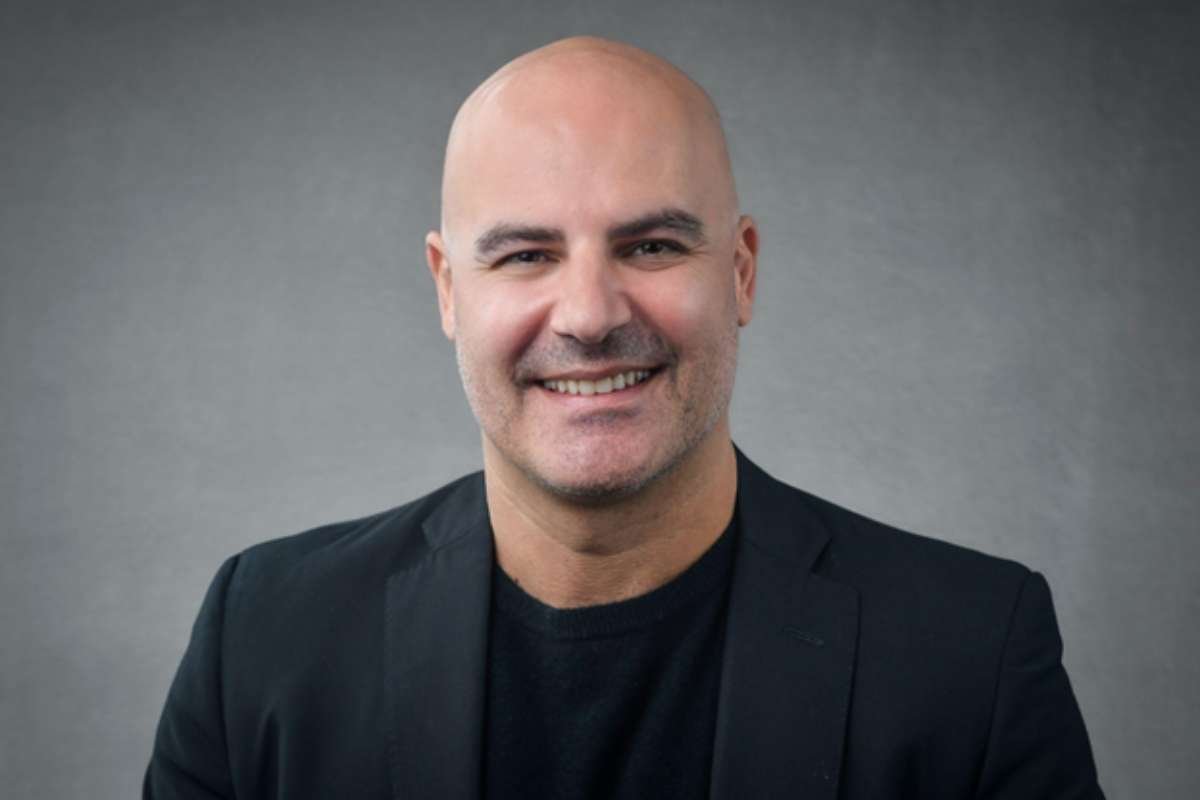
For someone like Youssef Zohny, the path through multiple universities, certifications, and executive education programs reflects more than ambition. It reflects a belief that growth is not something you achieve once. Growth is something you pursue throughout your entire life.
Education as a Foundation for Opportunity
Education is not only about textbooks and classrooms. It shapes the way a person thinks, absorbs information, and solves complex challenges. A strong academic foundation teaches discipline, analytical reasoning, patience with difficult problems, and the ability to think independently. These qualities become valuable throughout a lifetime, especially in industries that are constantly in motion and demand lifelong learning for leaders.
Beginning a journey at institutions such as Douglas College, Simon Fraser University, and the University of British Columbia provides exposure to different ways of thinking and diverse learning environments. Each step adds a layer of understanding. Each program introduces new subjects, new challenges, and new opportunities. When you combine degrees in fields like Physics, Mathematics, and Economics, you develop a toolkit that few others have. You learn how to think like a scientist, measure like a mathematician, and interpret markets like an economist.
This blend of skills becomes powerful in a world where data drives decisions, and uncertainty shapes outcomes.
The Transformative Power of Studying STEM and Economics

Studying Physics and Mathematics teaches more than formulas. It trains the mind to break down complex systems, identify patterns, and look beneath the surface. It encourages precision, logic, and the ability to understand the mechanics behind real-world behavior. It also develops comfort with ambiguity, which is essential for making decisions and lifelong learning for leaders operating without perfect information.
Adding a degree in Economics expands the picture even further. Economics explains human behavior, incentives, markets, and the movement of capital. It connects theory to real life. It helps you see how global events affect local decisions and how policy changes ripple through entire economies. When these areas of knowledge come together, they form a powerful lens for analyzing financial markets and advising clients with significant capital.
This combination of STEM and Economics becomes a lifelong advantage. It allows a professional to bring clarity during uncertainty and structure during volatility. It also builds confidence when navigating complex portfolios that require both quantitative skill and strategic vision.
Learning Beyond the Classroom
Formal degrees are only part of the story. Lifelong learners pursue knowledge wherever they can find it. They read constantly. They ask questions. They seek mentors. They surround themselves with people who challenge their assumptions. They stay open to change rather than clinging to old ways of thinking.
In fields like investment consulting, learning also comes from experience. It comes from analyzing markets during periods of stress, understanding global trends as they emerge, and seeing how the world reacts to unexpected events. Every year teaches something new. Every market cycle adds insight. Every client conversation reveals something about human decision-making and long-term planning.
This type of learning cannot be found in a textbook. It must be lived, observed, reflected on, and applied.
The Value of Earning Professional Designations

Certifications like the Chartered Alternative Investment Analyst designation require months of study, a detailed understanding of complex investments, and mastery of advanced concepts. They demonstrate commitment, expertise, and discipline. They also open doors to new opportunities and communities of like-minded professionals.
Earning a designation in alternative investments brings credibility and depth to a professional career. It shows that you are willing to invest in your own knowledge so you can better guide others. It also reinforces the idea that learning never stops, especially in a field where innovation is constant.
As new asset classes emerge and markets evolve, having a strong foundation in alternative strategies becomes even more important. It allows advisors to help clients navigate a wider range of options and to understand the risks and rewards that come with them.
Executive Education and the Drive to Keep Improving
Programs like Harvard Business School’s Executive Education provide more than instruction. They offer access to diverse perspectives, global strategies, leadership training, and real-world case studies. They expose students to people from different backgrounds and industries. They challenge assumptions and expand thinking.
For someone who already has years of professional experience, returning to an academic environment can be transformative. It reignites curiosity. It sharpens judgment. It strengthens leadership skills. Most importantly, it reinforces the idea that even successful people must keep learning if they want to stay relevant and effective.
Executive education also sends a message to colleagues, clients, and teams. It says that improvement is always possible and that great leaders never stop growing.
Why Lifelong Learning for Leaders Matters More Today Than Ever?
-GuesT-POst-3.jpg)
The world changes quickly. Technology evolves. Markets shift. New competitors appear overnight. Global events reshape the economy. In this type of environment, lifelong learning for leaders is not just beneficial; it is essential.
Professionals who treat education as a lifelong journey stay ahead of change rather than reacting to it. They make decisions with confidence because their thinking is grounded in both theory and experience. They communicate clearly because they understand their subject deeply. They build trust because clients can see they are always sharpening their skills.
Lifelong learners also tend to be more adaptable, more creative, and more resilient. They are less afraid of challenges because they know how to seek answers. They are better at mentoring others because they understand the value of guidance and curiosity.
Growing Forward with Curiosity and Purpose
Education does not stop when you walk across a graduation stage. It continues through every challenge, every job, every book, and every new experience. It shapes the way leaders think, respond, and evolve over time.
For professionals like Youssef Zohny, learning is not a requirement. It is a choice. It is a commitment to staying sharp, staying humble, and staying curious. It is the driving force behind long-term excellence and the foundation that supports confident decision-making in a complex world.
A lifelong learning for leaders understands that the journey is just as important as the destination. With each new chapter, each new skill, and each new insight, the path forward becomes richer, clearer, and more rewarding.