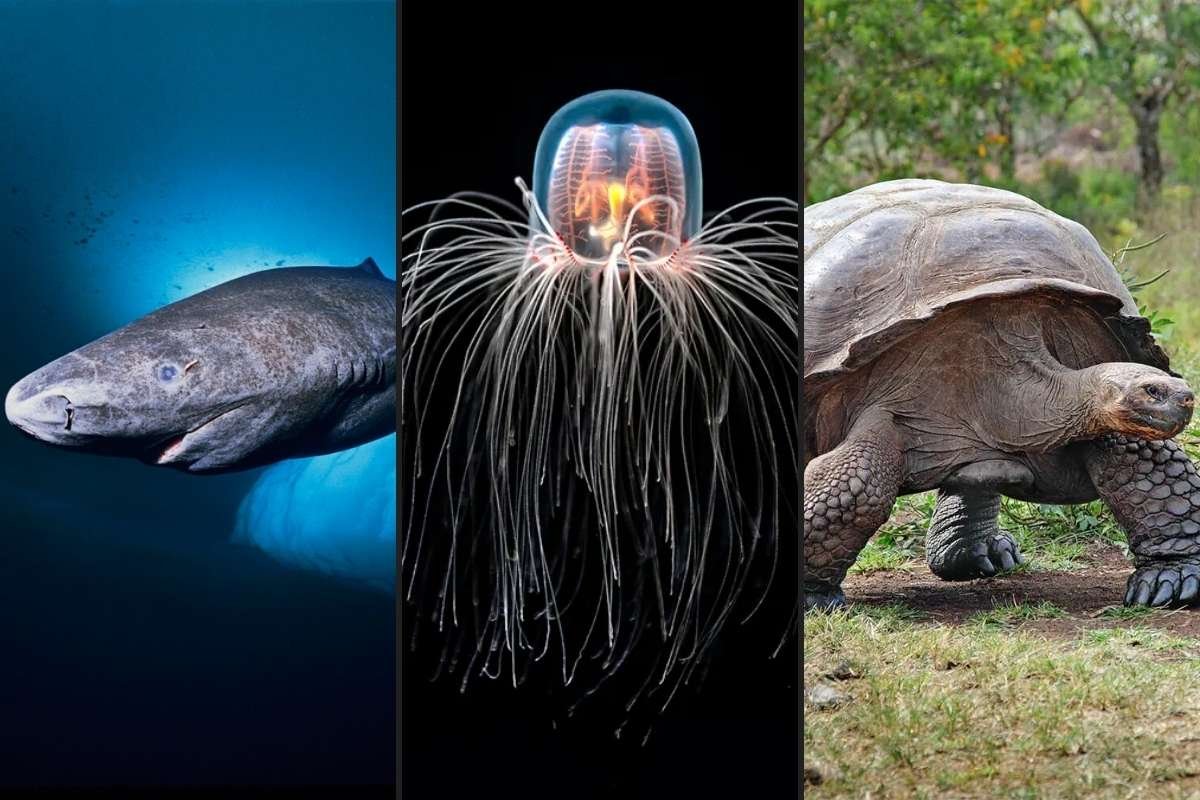
Some people on Earth are just getting started at the age of 100. Where humans view a century as a remarkable achievement. Nature’s “Methuselahs” alter our perception of time. Spanning from the glass sponge, a deep-sea wonder that can endure for an incredible 15,000 years. Till the Greenland shark, which can roam icy Arctic waters for over 400 years. Beyond just being fascinating, studying these biological marvels provides important insights into disease resistance, DNA repair, and the evolutionary trade-offs. This enables some species to outlive entire civilizations.
When it comes to longevity. Scientists make a distinction between maximum recorded ages. It is the ultimate limit of biological endurance and average lifespan. These record-breaking lives are frequently the result of factors like stable environments and slow metabolisms. Let’s explore the amazing list of the longest living animals in the world.
What Makes Some Animals Live So Long?
Extreme longevity is a biological marvel of resilience and efficiency, and it is rarely an accident. Many of the longest living animals in the world flourish in stable deep-sea habitats with consistently cold water, according to LiveScience. These circumstances encourage a low metabolism, which enables animals like the Greenland shark to store energy and age glacially.
Massive whales and deep-dwelling sponges are examples of species. They can afford to prioritize slow growth and reproduction over rapid maturity. Because they have fewer predators. This change enables them to make significant investments in advanced cellular repair processes. Such as better DNA maintenance and the capacity to remove damaged proteins. The naked mole rat, for example, has special genetic tools. It prevents cancer and guarantees that its tissues continue to function for decades. Because biological “wear and tear” is reduced in these low-stress environments. So, life can endure for centuries.
Here is the List of the Top 25 Longest living Animals in the World:
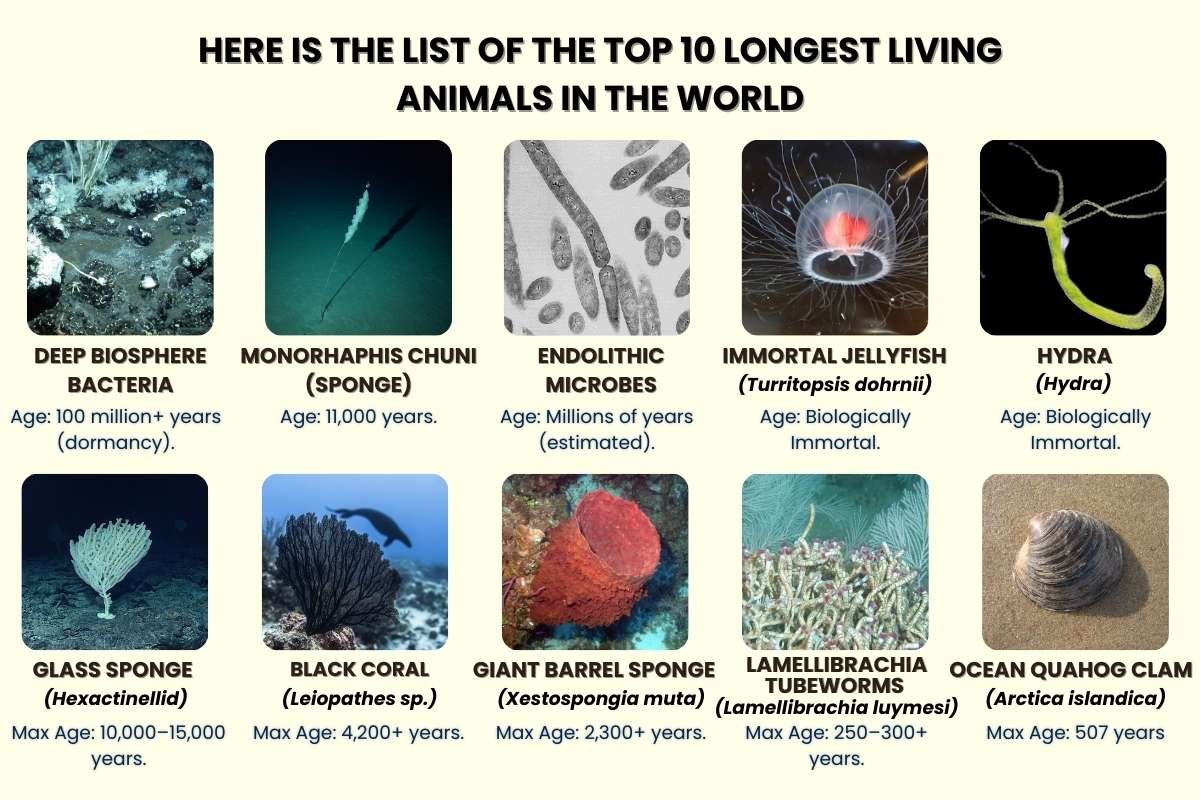
Nature has created survivors who measure time in centuries rather than decades, from the high-altitude plains to the deep ocean trenches. The longest living animals in the world are arranged in tiers below. They are demonstrating the remarkable biological resilience of the creatures that inhabit our planet.
Group A: Notable Centenarians
These species are the “youngsters” of extreme longevity, often reaching the outer limits of mammalian and reptilian lifespans.
25. African Elephant (Loxodonta africana)
- Habitat: Savannas and forests of Sub-Saharan Africa.
- Max Age: 70–86 years.
- Trait: Massive size leads to a slow resting heart rate (25–35 bpm), reducing metabolic “wear and tear.”
African elephants can live longer than most land mammals thanks to their massive size and slow metabolism. Their heartbeats far fewer times per minute than smaller animals, reducing long-term cellular stress. They also have extra cancer-fighting genes, which help prevent age-related diseases. Strong social bonds and stable herd structures further reduce stress and increase lifespan.
24. European Eel (Anguilla anguilla)
- Habitat: Rivers of Europe; migrates to the Sargasso Sea.
- Max Age: 85 years.
- Trait: Can enter a state of torpor (dormancy) to survive adverse conditions.
The European eel survives decades by conserving energy in extreme ways. During tough conditions, it can enter dormancy, slowing its body functions to a near standstill. This ability allows it to endure long migrations and harsh environments. Its slow aging process makes it one of the most underestimated members of the Longest Living Animals in the World.
23. Blue Whale (Balaenoptera musculus)
- Habitat: Open oceans worldwide.
- Max Age: 90–110 years.
- Trait: Their massive hearts, the size of a bumper car. Beat as slowly as 2 times per minute during deep dives.
As the largest animal ever to exist, the blue whale ages slowly due to its enormous but efficient body. During deep dives, its heart rate drops dramatically, conserving energy and protecting organs. Despite having trillions of cells, blue whales rarely develop cancer. Their size and calm ocean lifestyle contribute heavily to their longevity.
22. Box Turtle (Terrapene)
- Habitat: North American grasslands and forests.
- Max Age: 100+ years.
- Trait: A high-functioning “hinged” shell provides near-total protection from predators, allowing for a low-stress life.
Box turtles are classic examples of how protection equals longevity. Their hinged shell shields them from predators almost entirely, allowing them to live low-risk, low-stress lives. A slow metabolism and steady lifestyle mean their bodies wear out far more slowly than mammals. This makes them reliable centenarians among reptiles.
21. Saltwater Crocodile (Crocodylus porosus)
- Habitat: Brackish and freshwater regions of Southeast Asia and Australia.
- Max Age: 100–140 years.
- Trait: Efficient metabolisms allow them to survive months without a single meal.
Saltwater crocodiles are survival specialists. They can slow their metabolism so efficiently that they survive months without food. Their immune systems are extremely strong, helping them resist infections even after injuries. As apex predators with few threats, they age slowly and steadily.
Group B: Crossing into Centuries
These animals frequently outlive multiple human generations, thriving primarily in stable or extreme environments.
20. Tuatara (Sphenodon punctatus)
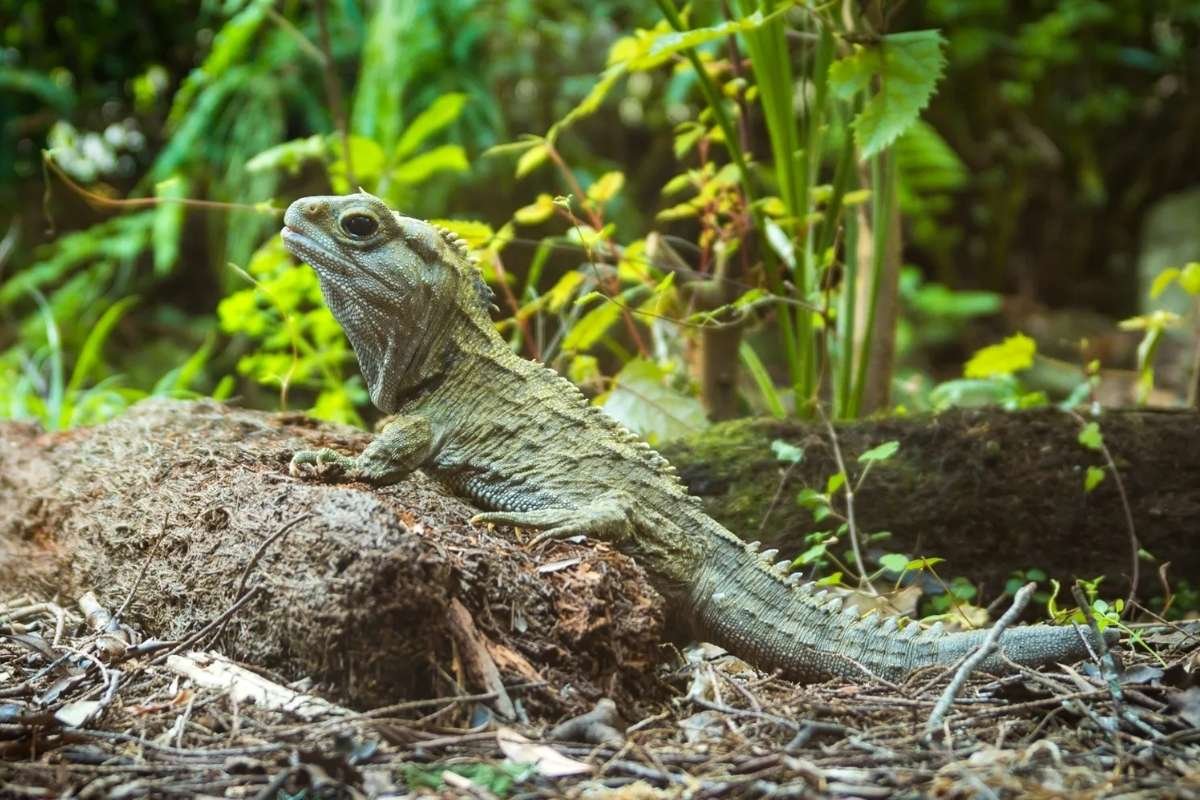
- Habitat: Offshore islands of New Zealand.
- Max Age: 110–150+ years.
- Trait: Often called “living fossils,” they have incredibly slow growth rates and a unique “third eye” to regulate circadian rhythms.
Often called living fossils, tuataras grow incredibly slowly and can take decades to mature. Their third eye helps regulate biological rhythms, improving long-term health and cementing their place among the longest existing animals in the world. Living on predator-free islands has also reduced environmental stress. These factors together allow tuataras to live well beyond a century.
19. Lake Sturgeon (Acipenser fulvescens)
- Habitat: North American freshwater systems.
- Max Age: 150+ years.
- Trait: They reach sexual maturity very late (up to 25 years), prioritizing long-term survival over rapid breeding.
Lake sturgeons prioritize survival over speed. They mature late, reproduce slowly, and invest energy in long-term body maintenance. Their armored bodies protect them from predators, while deep freshwater habitats remain relatively stable. This combination results in remarkably long lifespans.
18. Galápagos Giant Tortoise (Chelonoidis niger)
- Habitat: Galápagos Islands.
- Max Age: 175–190+ years.
- Trait: Their ability to store water and food for up to a year helps them survive harsh island droughts.
These tortoises are icons of longevity. They can store water and fat for months, helping them survive droughts with minimal effort. Their slow metabolism means less cellular damage over time. Calm island environments further support their extraordinary lifespan.
17. Geoduck Clam (Panopea generosa)
- Habitat: Coastal waters of the North Pacific.
- Max Age: 160–170+ years.
- Trait: They spend their entire lives buried in one spot, avoiding the energy costs and risks of movement.
Geoducks live buried deep in the ocean floor, avoiding predators and environmental fluctuations. They barely move throughout their lives, conserving energy. This sedentary lifestyle dramatically slows aging. Their shells record growth like tree rings, revealing lifespans spanning centuries.
16. Rougheye Rockfish (Sebastes aleutianus)
- Habitat: North Pacific depths (150–450m).
- Max Age: 205 years.
- Trait: They show almost no sign of biological aging; an 80-year-old female produces as many eggs as a 20-year-old.
This fish shows almost no physical aging even after 200 years. They are securing their place among the longest living animals in the world. Older females remain just as fertile as younger ones, defying typical biological decline. Cold, deep waters slow their metabolism significantly. It is allowing them to thrive across centuries. Scientists study them closely to understand age resistance in vertebrates and the secrets behind such extreme longevity.
Group C: Extreme Aquatic Longevity
In this tier, we find vertebrates and invertebrates that have mastered the art of “living slow” in cold, deep waters.
15. Bowhead Whale (Balaena mysticetus)
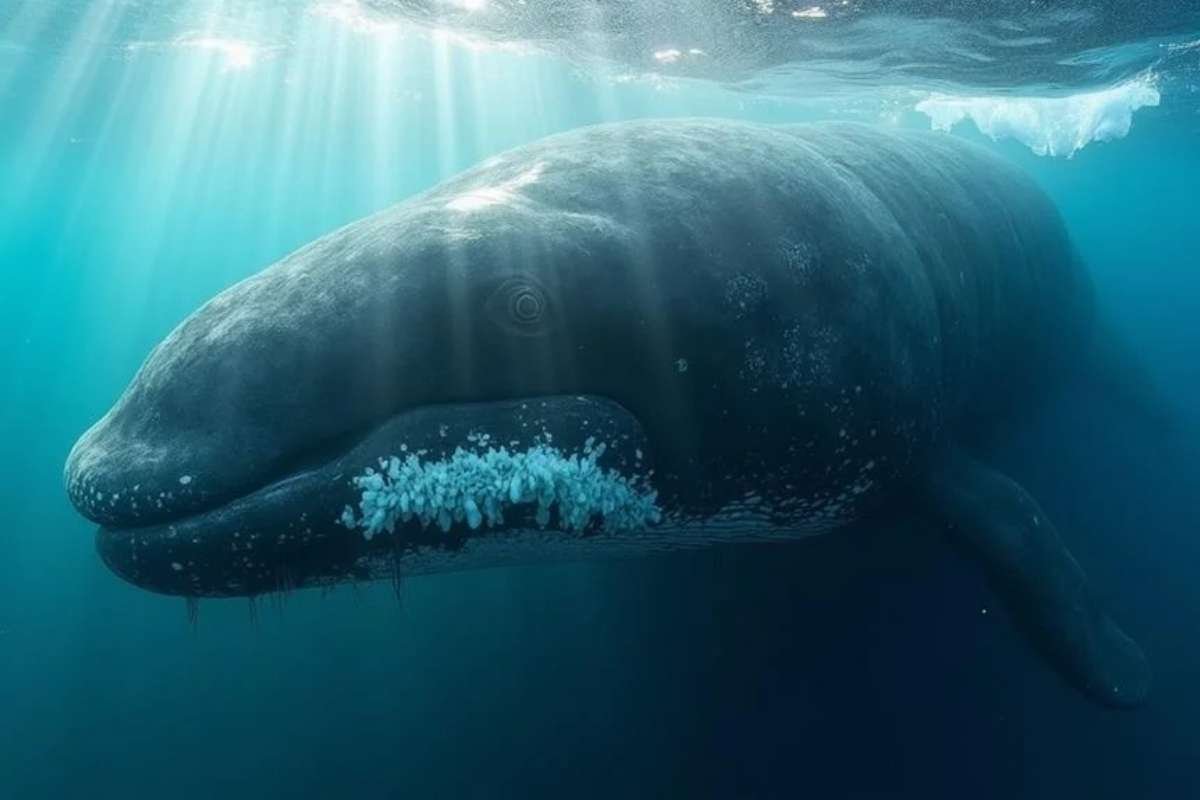
- Habitat: Arctic and sub-Arctic waters.
- Max Age: 200–211 years.
- Trait: Possess unique gene variants that effectively repair DNA and resist cancer despite their massive cell count.
Bowhead whales possess unique genes that repair DNA efficiently and suppress cancer. Despite massive body size, their cells remain remarkably stable. Living in icy waters slows metabolism and aging. Some individuals were alive before the Industrial Revolution.
14. Red Sea Urchin (Mesocentrotus franciscanus)
- Habitat: Shallow waters of the Pacific Ocean.
- Max Age: 200+ years.
- Trait: They are essentially “ageless,” showing no decline in health or reproductive ability as they grow older.
Red sea urchins show no signs of aging at all. Older individuals reproduce just as effectively as younger ones. Their cells maintain function indefinitely under normal conditions. This biological “agelessness” makes them a major focus of aging research.
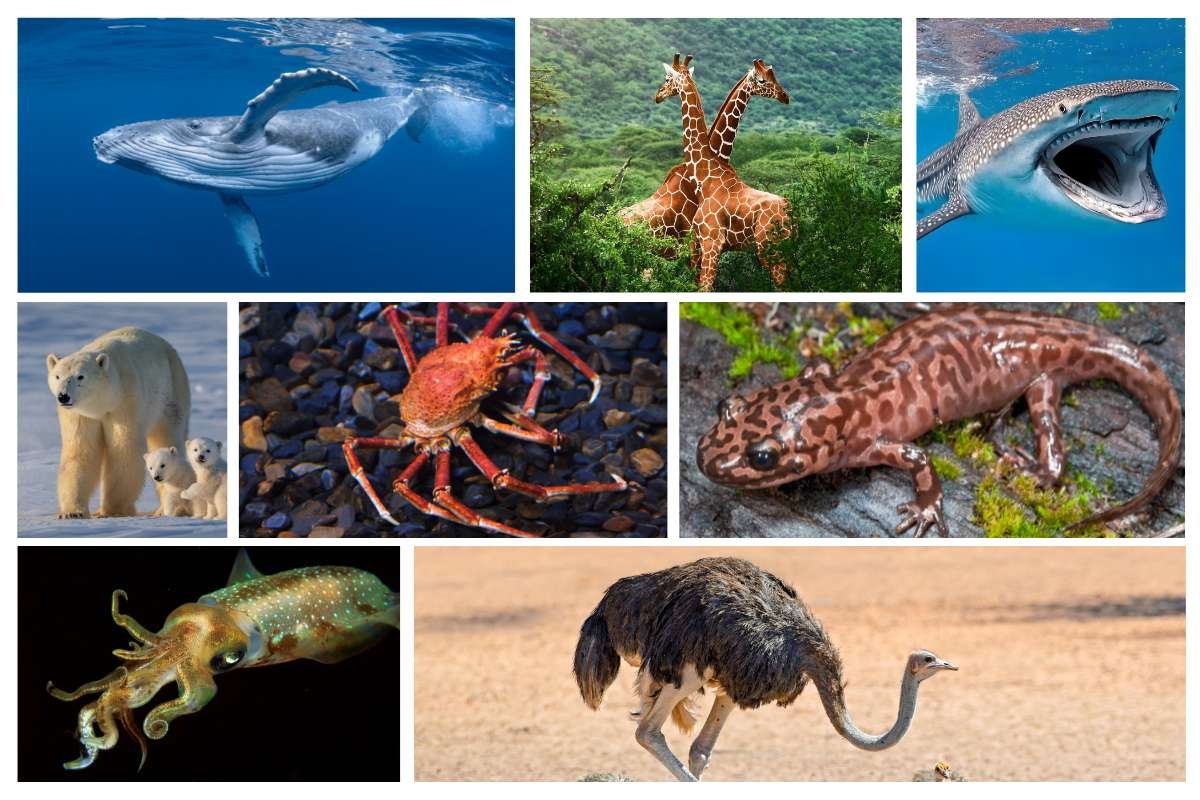
13. Koi Fish (Cyprinus rubrofuscus)
- Habitat: Domesticated ponds (originally East Asia).
- Max Age: 200+ years (Record: “Hanako” lived 226 years).
- Trait: Exceptional water quality and low-stress captive environments allow their genetics to reach peak limits.
Koi can live for centuries under perfect conditions, earning their place among the longest existing animals in the world. Clean water, minimal stress, and careful human care allow their genetics to fully express an extraordinary lifespan. The famous koi “Hanako” proved that fish longevity can rival that of long-lived mammals, highlighting how a stable environment plays a crucial role in biological endurance.
12. Freshwater Pearl Mussel (Margaritifera margaritifera)
- Habitat: clean Rivers in Europe and North America.
- Max Age: 250–280 years.
- Trait: They have a metabolic rate so low it is barely detectable, functioning as tiny biological “clocks.”
These mussels have one of the slowest metabolisms ever recorded. They grow so gradually that each year leaves a microscopic mark on their shell. Clean, oxygen-rich rivers are essential for their survival. Pollution has made them rare despite their longevity.
11. Greenland Shark (Somniosus microcephalus)
- Habitat: Arctic and North Atlantic Oceans.
- Max Age: 272–512 years.
- Trait: The longest-living vertebrate; they grow only 1 cm per year and don’t reach maturity until age 150.
Greenland sharks are the longest-living vertebrates known. They grow extremely slowly and reach maturity after more than a century. Cold Arctic waters dramatically slow cellular activity. Their age has been confirmed using radiocarbon dating of eye tissue.
Group D: Astonishing Millennia
Moving beyond vertebrates, these organisms utilize colonial structures or extreme environmental stability to live for centuries or thousands of years.
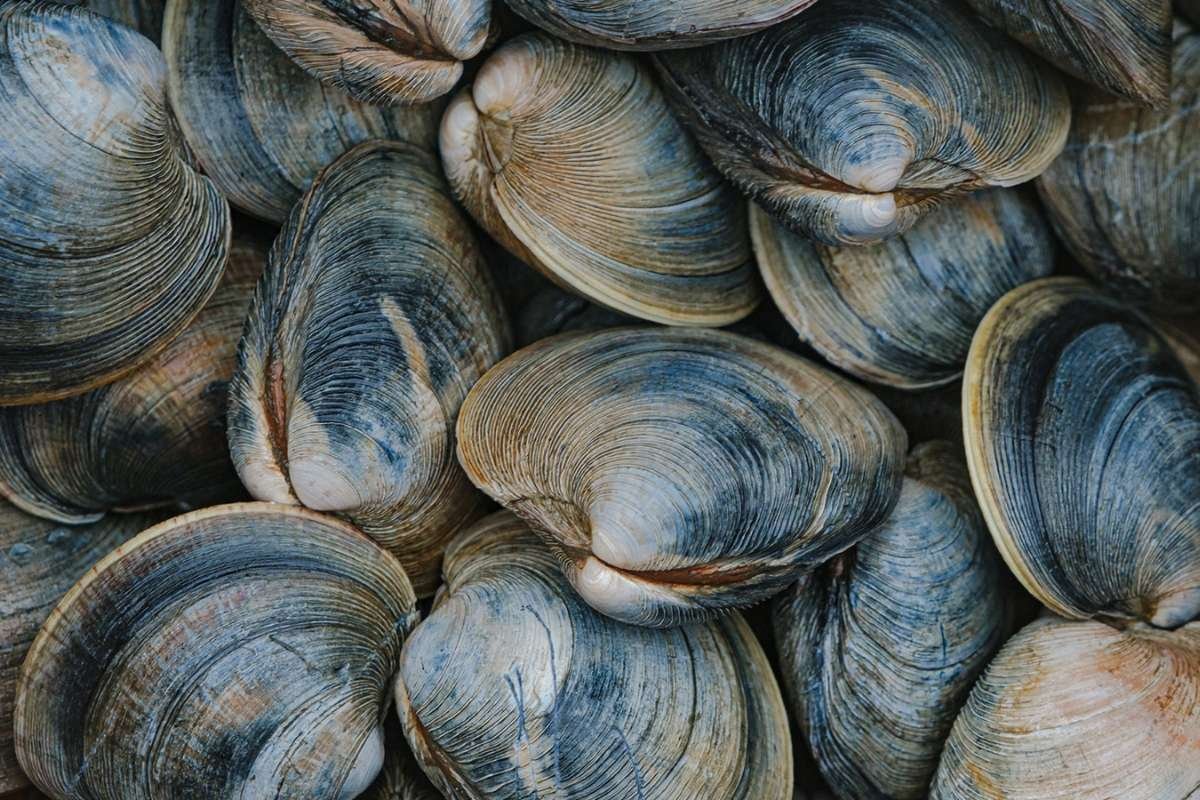
10. Ocean Quahog Clam (Arctica islandica)
- Habitat: North Atlantic Ocean.
- Max Age: 507 years (The record-holder was named “Ming”).
- Trait: High levels of molecular “chaperones” prevent proteins from misfolding, a key driver of aging.
The ocean quahog named “Ming” lived for over 500 years. These clams produce proteins that prevent cellular damage. They live in cold, stable ocean environments. Aging occurs at a nearly imperceptible pace.
9. Lamellibrachia Tubeworms (Lamellibrachia luymesi)
- Habitat: Deep-sea cold seeps.
- Max Age: 250–300+ years.
- Trait: They lack mouths and stomachs, relying entirely on internal bacteria to turn chemicals into energy.
These tubeworms don’t eat in the traditional sense. Instead, they rely on bacteria to convert chemicals into energy. This efficient system minimizes waste and damage, allowing them to thrive as some of the longest living animals in the world. As a result, they can live for centuries in the calm stability of the deep sea.
8. Giant Barrel Sponge (Xestospongia muta)
- Habitat: Caribbean Sea.
- Max Age: 2,300+ years.
- Trait: These “Redwoods of the Reef” grow continuously and can outlast the rise and fall of entire civilizations.
Often called the redwoods of the reef, these sponges grow continuously for thousands of years. Their simple structure resists aging and disease. They filter massive amounts of water daily. Entire ecosystems grow around them.
7. Black Coral (Leiopathes sp.)
- Habitat: Deep tropical waters (e.g., Hawaii).
- Max Age: 4,200+ years.
- Trait: They are colonial organisms; while individual polyps die, the skeleton continues to support new life for millennia.
Black corals live in deep waters with almost no environmental change. While individual polyps die, the coral structure remains alive. This allows colonies to persist for millennia. Growth rings reveal astonishing ages.
6. Glass Sponge (Hexactinellid)
- Habitat: Deep, cold Antarctic waters.
- Max Age: 10,000–15,000 years.
- Trait: Built from silica (glass), their skeletal structure is incredibly stable and resistant to biological decay.
Glass sponges are built from silica, making them incredibly durable. They grow extremely slowly in cold, deep waters. Their rigid structure resists decay. Some specimens predate human civilization.
Group E: The Truly Exceptional
These organisms don’t just live long; they challenge the very definition of mortality.
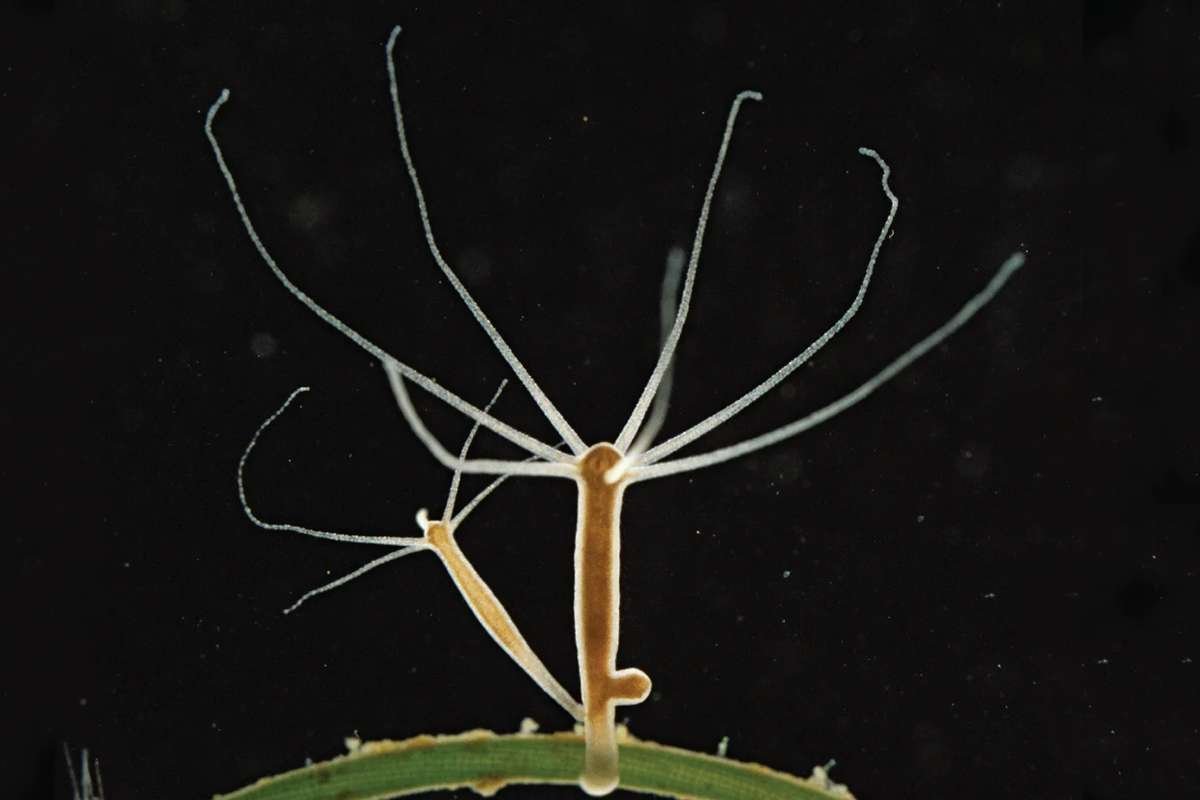
5. Hydra (Hydra)
- Habitat: Freshwater ponds and lakes.
- Age: Biologically Immortal.
- Trait: Composed almost entirely of stem cells, they can regenerate their entire body from a tiny fragment.
Hydra do not age in the traditional sense. This marks them as the most fascinating, longest living animals in the world. Their bodies constantly renew using stem cells, allowing them to regenerate perfectly even after a significant injury. Under ideal conditions, these tiny organisms may live indefinitely, effectively defying the biological boundaries of time.
4. Immortal Jellyfish (Turritopsis dohrnii)
- Habitat: Mediterranean and Japanese waters.
- Age: Biologically Immortal.
- Trait: Can “age backward” by reverting from its adult form to a juvenile polyp stage when stressed.
This jellyfish can reverse its life cycle when stressed. It transforms back into a juvenile state instead of dying. This biological reset makes it functionally immortal. Death usually comes only from predators.
3. Endolithic Microbes
- Habitat: Deep within Earth’s crustal rocks.
- Age: Millions of years (estimated).
- Trait: These “rock-eaters” have such slow metabolisms that they may only divide their cells once every 10,000 years.
These microbes live inside rocks deep underground. Their metabolism is so slow that they divide only once every few thousand years. They survive without sunlight or oxygen. Life continues almost frozen in time.
2. Monorhaphis chuni (Sponge)
- Habitat: Deep Indian/Pacific Oceans.
- Age: 11,000 years.
- Trait: Grows a single giant glass “needle” (spicule) up to 10 feet long that records ocean data for over 10 millennia.
This sponge grows a single massive glass spicule over thousands of years. Each layer records environmental history like a timeline. It is one of the oldest known animals alive today. Its structure defines endurance.
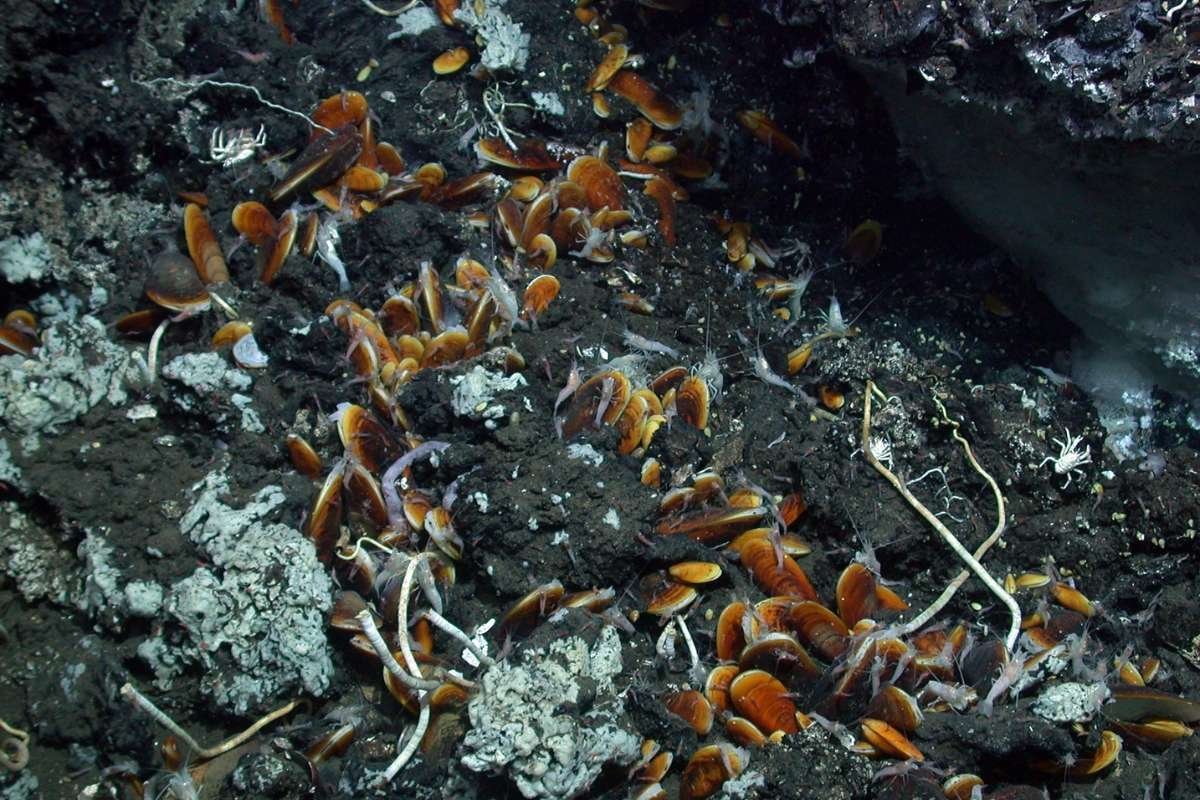
1. Deep Biosphere Bacteria
- Habitat: Buried beneath the seafloor.
- Age: 100 million+ years (dormancy).
- Trait: In 2020, scientists revived bacteria from 100-million-year-old sediment, proving life can remain viable in a “suspended” state for geological epochs.
These bacteria can remain dormant for millions of years, earning their place at the absolute peak of the longest living animals in the world. In 2020, scientists successfully revived 100-million-year-old samples, proving that life can pause and resume across geological ages. This discovery reshaped biology forever by demonstrating the extreme limits of cellular endurance.

Longevity Insights from Science:
Researchers studying deep-sea longevity note, extreme longevity may be caused by a combination of metabolism, telomeres, and aging genes. Long-lived species frequently have specialized mechanisms. It helps to maintain telomere length, delaying aging, and has superior DNA-repair genes. This prevents cellular mutations. Moreover, oxidative stress and molecular wear are lessened by a “slow-burn” metabolism. This is frequently observed in cold-water species.
Researching the longest existing animals in the world provides a model for human longevity. For example, research on the aging of Greenland sharks. It has identified distinct genetic variations. It can provide centuries-long resistance to heart disease and cancer. Through targeted genetic and metabolic interventions, scientists hope to unlock these biological secrets. And they have created therapies that mimic such resilience. This can potentially extend human health span and reduce age-related decline.
Conclusion:
Examining the longest living animals in the world shows that mortality is a biological variable. It is influenced by evolution rather than a set rule. These organisms show that life can persist for millennia. With the help of correct cellular repair and metabolic pacing. Spanning from the age-defying immortal jellyfish to the deep-sea glass sponge. Researchers are learning mysteries that may one day change human health. They are bridging the gap between ancient wildlife and modern genetics. The very blueprints of longevity that have endured since the beginning of time. These are preserved as we continue to protect these amazing species and their habitats.
FAQ:
1. Which animal lives the longest among vertebrates?
The Greenland shark holds the record as the longest-living vertebrate. Scientists confirmed ages of over 400 years using radiocarbon dating of eye tissue, making it one of the most studied examples among the longest living animals in the world.
2. What role does metabolism play in longevity?
A slower metabolism reduces cellular damage over time. Animals like tortoises, sharks, and clams burn energy very slowly. This lowers oxidative stress and delays aging at the cellular level.
3. Why do cold-water animals live longer than land animals?
Cold-water environments slow metabolism, reducing cellular damage over time. This “slow-burn” energy use lowers oxidative stress and aging rates, which is why many of the longest living animals in the world, such as sharks, clams, and sponges. They live in deep, cold oceans.
References & Sources
The information in this article is compiled and verified using reputable scientific publications, research institutions, and peer-reviewed studies on animal longevity, aging biology, and evolutionary science, including:
- LiveScience – Research-based articles on animal lifespan records, including Greenland sharks, bowhead whales, and deep-sea organisms.
- National Oceanic and Atmospheric Administration (NOAA): Data on marine species longevity, cold-water metabolism, and deep-sea ecosystems.
- Smithsonian National Museum of Natural History: Verified lifespan records of vertebrates, invertebrates, and ancient marine species.
- Nature & Science Journals: Peer-reviewed studies on aging, telomeres, DNA repair mechanisms, and metabolic pacing in long-lived species.
- University of Copenhagen Radiocarbon Dating Research: Groundbreaking studies confirming the age of Greenland sharks using eye tissue analysis.
- Marine Biological Laboratory (MBL): Research on biologically immortal organisms such as hydra and regenerative marine species.
- Deep Biosphere Studies (IODP & JAMSTEC): Scientific findings on dormant bacteria revived from ancient seafloor sediments.
- International Union for Conservation of Nature (IUCN): Conservation status and habitat data for long-lived endangered species.
All lifespan figures reflect the maximum scientifically verified ages recorded under natural or controlled conditions and may differ from average life expectancy.