Key takeaways:
- Meta launched $1,299 VR Glasses weighing 100 grams to compete with Apple’s Vision Pro.
- The device moves the processor and battery to an external pack, connecting via cable.
- Designed to avoid hardware losses, the glasses ship in spring 2027.
Meta launches $1,299 virtual reality glasses on Wednesday, Sept. 23, offering a lighter alternative to Apple’s Vision Pro with external computing and immersive work and entertainment features.
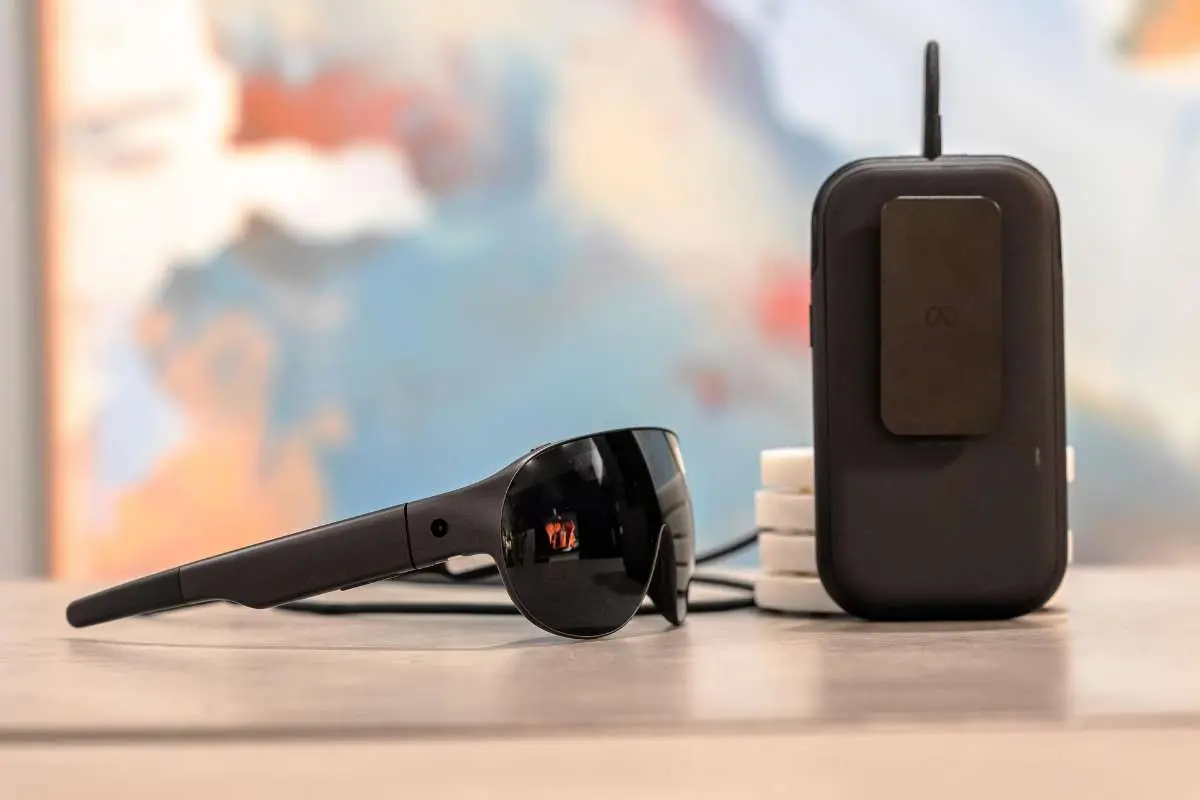
The device, called Meta VR Glasses, marks a shift in Meta’s headset strategy as the company seeks to reduce hardware losses and build a profitable virtual reality business. The glasses weigh about 100 grams, while the processor, battery and cooling system sit in an external pack.
The launch took place during Meta Connect in Menlo Park, California, where CEO Mark Zuckerberg presented the glasses as a new approach to virtual reality hardware. The product is scheduled to ship in spring 2027.
Meta shifts computing power outside the headset
Unlike Meta’s previous Quest models, the new glasses move key computing components into a separate unit that can clip to a user’s pocket or rest on a table. A cable connects the external pack to the glasses, reducing the weight placed on the wearer’s head.
The design weighs roughly one-sixth as much as Apple’s Vision Pro, according to Bloomberg’s report, while maintaining features for immersive video, work and entertainment. Apple’s Vision Pro places only its battery outside the headset, leaving its main computing hardware within the device.
The Meta VR Glasses support virtual displays, web browsing, gaming and video conferencing. Users can also connect the glasses to a Mac or PC, while a projected virtual keyboard and trackpad allow typing on a table.
Meta targets profitability with new hardware
Meta is also changing its approach to the financial performance of its virtual reality business. The company previously relied on hardware sales alongside revenue from its software store and virtual goods, but the new headset is designed to avoid losses on each device.
“We’re working to make VR a profitable ecosystem over the coming years,” Meta said in a statement cited by Bloomberg. The company’s Reality Labs division has invested heavily in virtual and augmented reality technology, making profitability a central consideration in its hardware strategy.
Andrew Bosworth, Meta’s chief technology officer and head of Reality Labs, said the division had reached a new stage after years of investment. “We spent all these years obviously building up and investing in capabilities,” Bosworth said, adding that the company now believes it can operate more efficiently.
Meta’s decision to move toward fewer VR devices also reflects changing consumer preferences. Zuckerberg said the company had heard that many people were less interested in wearing traditional headsets, prompting the development of a different form factor.
New glasses compete with Apple’s premium headset
The Meta VR Glasses enter a market where Apple’s Vision Pro has established a high-end benchmark for immersive computing. Meta’s product costs $1,299, substantially below the Vision Pro’s launch price of about $3,500, while its lighter design targets users who want extended wearable experiences.
Meta’s launch also includes other wearable products, including camera-free Ray-Ban Meta Audio glasses and updated smart glasses with displays. The company is expanding its wearable portfolio as privacy concerns and competition increase across the smart glasses industry.
The VR glasses are expected to become available in North America, Europe and Asia in spring 2027. Their launch gives Meta a new hardware option as it continues investing in virtual reality, artificial intelligence and wearable computing.