Key Points:
- Metroid Prime 4 returns after 18 years
- Visual polish and psychic powers elevate gameplay
- Open-world and companions divide fans
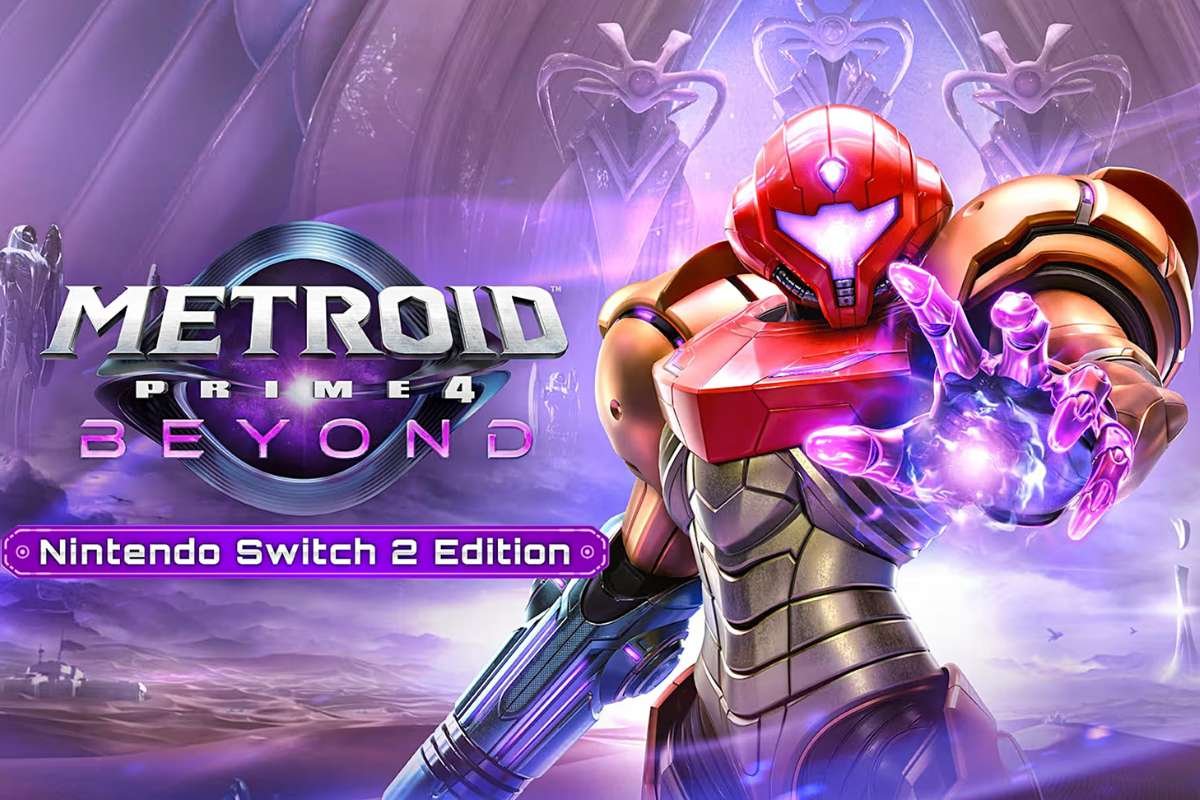
Eighteen years after the last mainline entry in the franchise, Metroid Prime 4: Beyond has finally launched, debuting across both the Nintendo Switch and the newer Switch 2 platform. The release brings back iconic bounty hunter Samus Aran, who is thrust into the mysterious planet Viewros following a confrontation with longtime antagonist Sylux. After multiple development resets and years of anticipation, the return of Retro Studios has raised expectations for a definitive revival of the classic sci-fi exploration formula.
Early impressions show a strong re-establishment of the tone that made the original trilogy memorable: dark, atmospheric environments, a sense of isolation, and a gradual, discovery-driven progression. With the franchise dormant for so long, Beyond arrives with immense pressure to satisfy both longtime fans and a new generation of players.
Visual Upgrades and Modern Gameplay Additions Shine
One of the most celebrated aspects of Metroid Prime 4: Beyond is its technical achievement, particularly on the Switch 2. The game features sharp textures, rich environmental details, and a smoother performance profile, offering modes that allow high-resolution visuals or higher framerates. These upgrades dramatically enhance immersion, especially in enclosed and intricately designed zones reminiscent of earlier entries.
Gameplay introduces several new mechanics, the most notable being Samus’s psychic abilities. These powers allow her to manipulate objects, control beams at a distance, and interact with the environment in novel ways. They are integrated into puzzles, combat, and traversal in a manner that feels like an evolution of the classic toolkit, which still includes the Scan Visor, Morph Ball, and traditional beam weapons.
Boss encounters and puzzle-heavy regions have been highlighted as standout moments, combining classic Metroid design philosophy with modern refinements. For many players, this balance of nostalgia and innovation makes the core adventure deeply engaging.
Open-World Elements and Design Choices Draw Mixed Reactions
Despite its strengths, Beyond introduces several shifts that have sparked debate among players and critics. The most divisive is the semi-open-world structure, anchored by a large desert hub area that is traversed using a new motorcycle-style vehicle known as the Vi-O-La. While ambitious, this zone has been described as repetitive, sparse, and lacking meaningful interactions, resulting in long stretches of travel that disrupt the game’s momentum.
Another point of contention is the expanded cast of support characters, particularly a talkative companion who frequently appears with instructions, reminders, or commentary. This addition stands in contrast to the franchise’s signature sense of solitude, often breaking the tension and atmospheric immersion that defined previous titles.
Some of the newer mechanics, including certain psychic abilities and traversal sections, also feel underdeveloped or awkward in execution. Combined with level design choices that occasionally lean too heavily on older conventions, the experience can feel uneven—caught between honoring tradition and embracing modernity.
Metroid Prime 4: Beyond succeeds in reintroducing the franchise with visual polish, atmospheric depth, and satisfying core gameplay. It reclaims much of what made the original trilogy iconic while pushing into new territory. However, its open-world detours, intrusive supporting characters, and inconsistent design ideas prevent it from becoming the groundbreaking reboot some hoped for.
Still, for many players, the game delivers enough compelling exploration and refined combat to justify its long-awaited arrival. It may not redefine the franchise, but it confidently reopens the door to a universe fans have missed for nearly two decades.
Visit The Enterprise World for the most recent information.