Key Takeaways
- Michael Burry’s exit reflects concerns over GameStop’s risky debt-driven expansion.
- GameStop is aiming to transform into a major online marketplace through eBay.
- The deal tests whether retail investor hype can support a massive acquisition.
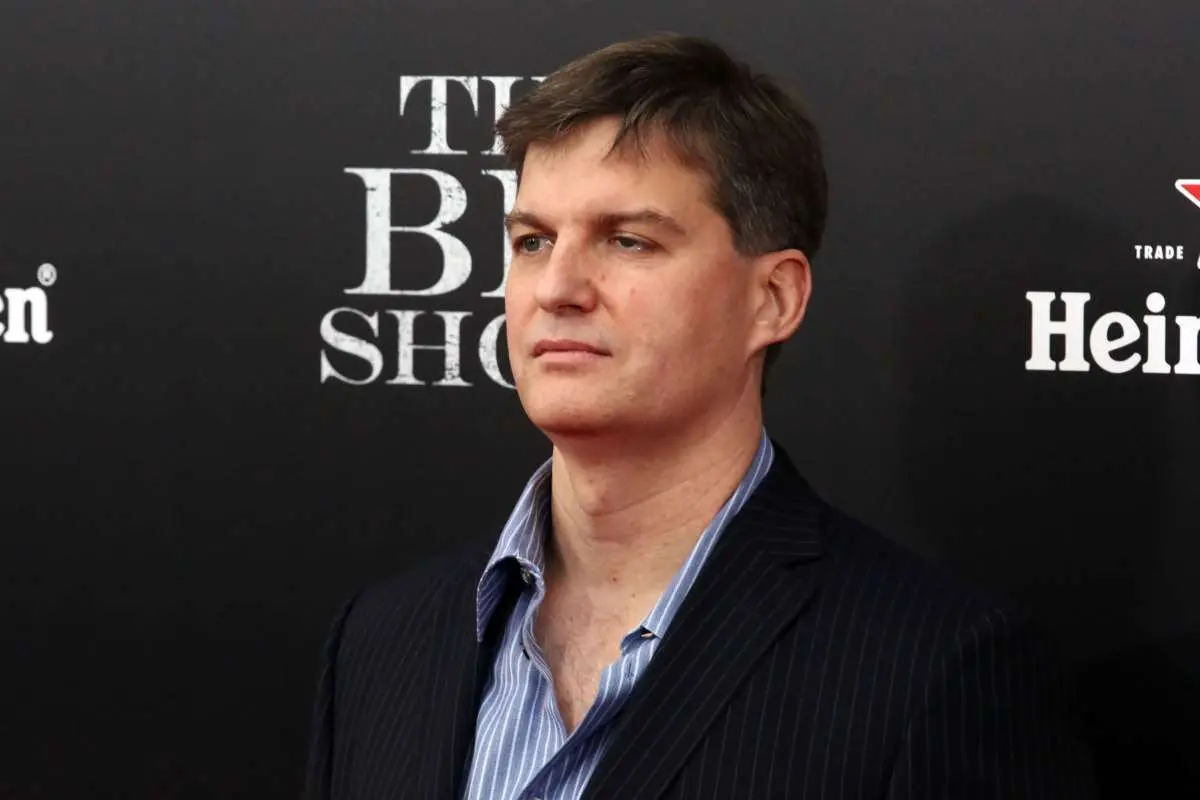
Michael Burry, one of the earliest major investors to back GameStop before its historic meme-stock rally, has reportedly exited or significantly reduced his position in the company following its ambitious attempt to acquire eBay. The Michael Burry GameStop exit has triggered fresh debate across financial markets about the future direction of GameStop under chairman and CEO Ryan Cohen.
The controversy began after Cohen proposed a takeover deal for eBay valued at nearly $56 billion, a figure that immediately stunned analysts because GameStop remains far smaller than the e-commerce platform it is attempting to acquire. The proposed transaction would reportedly involve a mix of stock issuance, cash financing, and substantial debt commitments, raising concerns about the financial burden the company could face if the deal moves forward.
Burry, who became globally known for predicting the 2008 financial crisis, reportedly criticized the strategy and warned against relying on debt-heavy expansion as a substitute for real innovation. The Michael Burry GameStop is particularly significant because he was among the earliest institutional believers in GameStop’s turnaround potential, years before the company became the center of the meme-stock revolution.
The investor’s departure has been viewed by many analysts as a sign of growing unease among traditional market participants regarding Cohen’s increasingly aggressive corporate strategy. While GameStop’s loyal retail investor base continues to support the company online, institutional investors appear divided on whether the eBay bid represents visionary growth or excessive financial risk.
Ryan Cohen Pushes an Unconventional Vision for GameStop
Ryan Cohen has defended the proposed acquisition as a transformational opportunity that could reshape GameStop into a much larger player in online commerce, collectibles, and resale markets. Cohen believes eBay’s global marketplace infrastructure and massive customer base could help accelerate GameStop’s transition beyond traditional videogame retailing.
Since taking control of the company, Cohen has worked to reinvent GameStop through cost-cutting measures, store closures, and an increased focus on digital commerce and collectibles. The eBay acquisition would mark the boldest stage of that transformation and could potentially give GameStop immediate scale in global e-commerce.
However, the strategy has also sparked widespread skepticism across Wall Street. Critics argue that the size gap between the two companies makes the proposal difficult to execute and financially dangerous. Many analysts believe the amount of debt required to complete the acquisition could place enormous pressure on GameStop during a period of broader economic uncertainty and slowing consumer demand, following the Michael Burry GameStop exit.
Adding to the unusual nature of the takeover attempt, Cohen has embraced a highly unconventional public campaign surrounding the bid. Reports indicate he recently used eBay itself to sell collectibles, gaming memorabilia, and GameStop merchandise while encouraging online retail investors to support the acquisition effort. The move quickly gained traction across social media and meme-stock communities, reinforcing Cohen’s strong connection with internet-driven retail trading culture.
Despite the enthusiasm among retail investors, market confidence around the deal remains uncertain. Following the Michael Burry GameStop exit, eBay shares have continued trading below the proposed acquisition price, a signal that many investors are not fully convinced the transaction will ultimately succeed. Some long-term shareholders have also questioned why eBay would need to merge with GameStop, given its existing profitability and established position within online resale markets.
Meme-Stock Momentum Faces Its Biggest Corporate Test Yet
The latest developments surrounding the Michael Burry GameStop exit highlight how far GameStop has evolved since becoming the symbol of the 2021 meme-stock frenzy. During that period, millions of retail traders coordinated through online communities to drive the company’s stock sharply higher, causing massive losses for hedge funds betting against the shares.
That movement transformed GameStop from a struggling retail chain into one of the most recognizable companies in modern market history. It also elevated Ryan Cohen into a central figure within retail investor culture, where many supporters continue to view him as a leader capable of disrupting traditional Wall Street thinking.
The proposed eBay acquisition now represents a defining moment for both Cohen and the broader meme-stock era. Supporters believe the deal could provide GameStop with the infrastructure needed to compete in fast-growing online resale and collectibles markets. Critics, however, argue that the strategy risks turning the company into a highly leveraged business vulnerable to financial instability if market conditions deteriorate.
Michael Burry’s apparent decision to step away from the company has amplified those concerns because of his long-standing association with GameStop’s early turnaround story. The Michael Burry GameStop exit underscores the widening divide between retail investor optimism and institutional caution surrounding the company’s future direction.
For Wall Street, the battle over GameStop and eBay is no longer just about a corporate acquisition. It has become a larger test of whether meme-era investor enthusiasm and unconventional leadership strategies can successfully support one of the boldest takeover attempts in recent financial history.