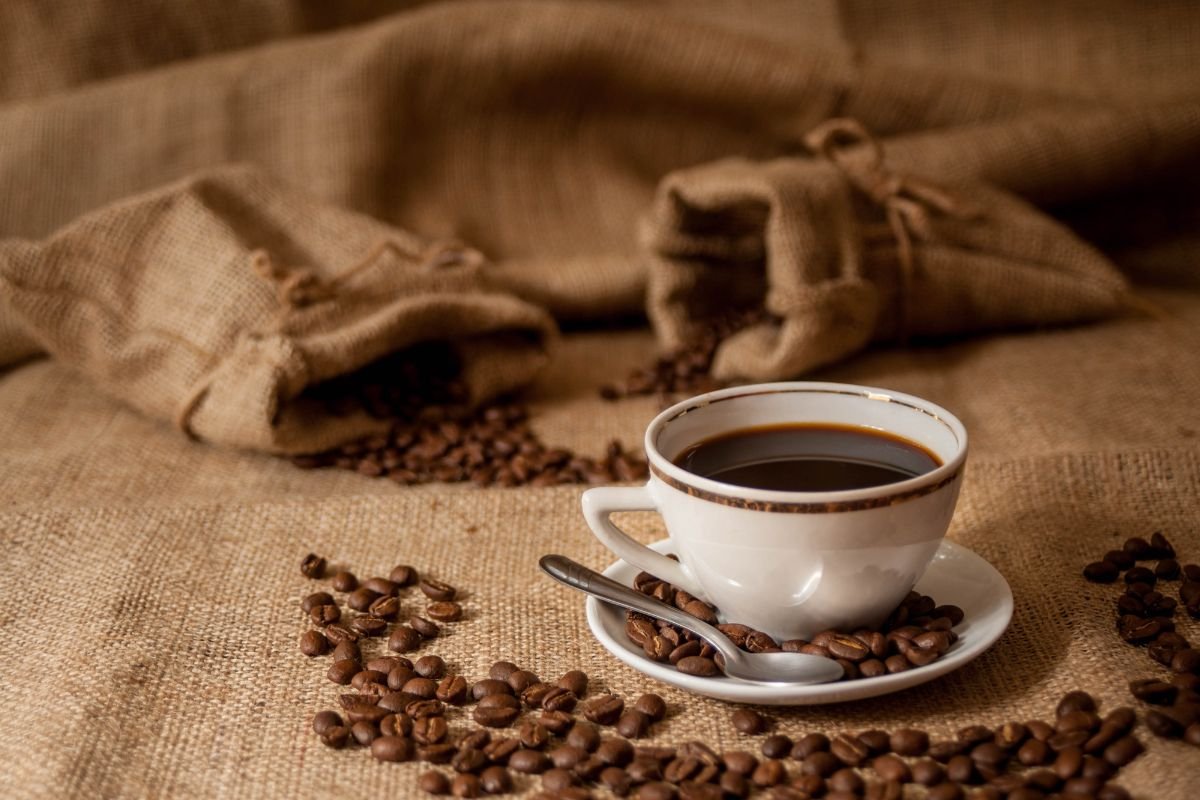
It’s midnight, and the aroma of coffee surrounds you. Shadows dance as your cup sits on the table. This isn’t just any brew; it’s the most expensive coffee in the world.
The beans whisper secrets of ancient forests and creatures of the night. Each sip dares your senses, making you braver, bold, and ready to face whatever lurks outside your window.
The legend says those who try the most expensive coffee in the world become unstoppable, with a dose of humor and a jolt of motivation in every drop.
Are you ready to join the ranks of coffee adventurers? Let’s journey through the darkness and light.
What Makes Coffee Expensive?
Luxury coffee becomes costly for a few clear and easy-to-understand reasons. Most of these coffees take more time, more effort, and more care to produce. Here is a detailed look at why their price rises so much.
1. Rarity:
Some coffee beans grow only in very small places, like a tiny mountain village, a single island, or a forest with special weather. These areas cannot produce large quantities. Because the land, climate, and trees are limited, only a few bags are available each year. When something is rare, its value automatically increases. This is one of the biggest reasons luxury coffee becomes expensive.
2. Labor Methods:
Most high-end coffee cannot be harvested by machines. Farmers must hand-pick each cherry one by one. They also sort, clean, and process the beans carefully to remove any damaged ones. This slow, careful work takes many hours and needs skilled workers. More labor means higher cost, and that cost gets added to the final price of the coffee.
3. Climate Conditions:
Some of the most expensive coffee in the world grows in places where nature gives the perfect mix of:
- rich volcanic soil
- steady rainfall
- cool nights
- plenty of shade
These special conditions create flavors that cheaper coffee beans cannot match. When nature makes a bean taste better, the price naturally rises.
4. Processing Techniques:
Luxury beans don’t just get washed and dried quickly. They often go through long and careful processing steps, such as:
- drying on raised beds under the sun for weeks
- using slow fermentation for deeper flavor
- aging the beans in special barrels
- washing the beans with clean mountain water
Each step requires time, space, and expert attention. These extra techniques make the coffee more unique and more expensive.
5. Wild or Animal-Assisted Farming:
Some coffees involve animals, such as civets, elephants, or monkeys. These animals naturally eat the cherries, and their digestion changes the bean’s flavor. Farmers then collect, clean, and process these rare beans. Because this method depends on nature and cannot be rushed, the supply stays extremely small. This makes the price rise even higher.
6. Global Demand:
When top cafés, luxury hotels, and famous coffee competitions talk about a rare bean, people all around the world want to try it.
More demand + very limited supply = higher price.
Collectors, travelers, and coffee lovers often pay extra just to experience a rare flavor once in their lives.
Top 25 Most Expensive Coffees in the World (Highest to Lowest Price)
(Prices are approximate global averages for a premium-grade 1 lb pack)
| Rank | Coffee Name | Price (Per Pound) |
| 1 | Black Ivory Coffee | $1,000+ |
| 2 | Kopi Luwak | $600–$900 |
| 3 | Hacienda La Esmeralda Geisha | $600+ |
| 4 | Ninety Plus Gesha | $500-$600 |
| 5 | Saint Helena Coffee | $350-$450 |
| 6 | Yemen Port of Mokha Coffee | $300-$400 |
| 7 | Ethiopian Gesha Village | $300+ |
| 8 | Bolivia Finca Takesi | $250-$300 |
| 9 | Santa Felisa Gesha | $200-$250 |
| 10 | Finca El Puente | $150-$200 |
| 11 | Fazenda Santa Inês | $150+ |
| 12 | Los Planes Coffee | $120-$150 |
| 13 | Finca El Injerto Bourbon | $120-$150 |
| 14 | Kopi Gu Yu | $100-$150 |
| 15 | Hawaiian Kona Coffee | $100-$150 |
| 16 | Molokai Coffee | $90-$120 |
| 17 | Yauco Selecto AA | $80-$100 |
| 18 | Ospina Dynasty Coffee | $80-$100 |
| 19 | Sulawesi Toraja Peaberry | $60-$80 |
| 20 | Laurina Coffee | $60-$80 |
| 21 | Los Nogales Coffee | $50-$70 |
| 22 | Bali Blue Moon Coffee | $40-$60 |
| 23 | Jamaican Blue Mountain | $40-$60 |
| 24 | Bourbon Pointu Réserve | $40+ |
| 25 | El Injerto Peaberry | $30-$50 |
1. Black Ivory Coffee – Thailand

Price: $1,000+ per pound
Origin: Black Ivory Coffee comes from Northern Thailand, where Thai Arabica cherries grow on high mountain farms cared for by local communities.
Taste: It tastes smooth, sweet, and chocolaty with no bitterness. Every sip feels soft and creamy, almost like melted chocolate.
Why It’s Expensive: Production is extremely limited because elephants naturally digest the cherries, and only a small portion of beans survive the process. Ethical care, rare yield, and slow production make it one of the most expensive coffees in the world.
History: Black Ivory Coffee began in the early 2010s when researchers and Thai farmers explored new ways to create smoother coffee using natural digestion. Elephants were chosen because their long digestive process softens the bitterness in the beans. The project focused on ethical animal care, small-batch production, and supporting local communities. As word spread among luxury hotels and travelers, demand increased quickly. Its extreme rarity and unique origin soon gave it global fame.
2. Kopi Luwak – Indonesia

Price: $600-$900 per pound
Origin: Kopi Luwak comes from Indonesian islands such as Sumatra, Bali, and Java, where wild civets naturally eat ripe coffee cherries.
Taste: It has a deep, earthy, rich taste with smooth sweetness and a light after-note that feels gentle and clean.
Why It’s Expensive: The beans go through natural fermentation inside the civet, which changes their flavor. Genuine ethical farms use only wild civet droppings, making real Kopi Luwak rare and costly.
History: Kopi Luwak became known during the Dutch colonial period in Indonesia. Local farmers were banned from using good coffee cherries, so they collected beans dropped by wild civets. They discovered the flavor was smoother and richer than regular beans. Over time, travelers spread stories about this unusual process. As tourism grew, the coffee gained global attention. Modern specialty farms now work to protect wild civets and continue traditional harvesting, keeping it among the most expensive coffees in the world.
3. Hacienda La Esmeralda Geisha – Panama

Price: $600+ per pound
Origin: This Geisha coffee grows in Boquete, Panama, on high-altitude farms with cool winds and nutrient-rich volcanic soil.
Taste: It has a floral, jasmine-like aroma, crisp brightness, and a clean, sweet finish.
Why It’s Expensive: It comes from limited harvests, careful handpicking, and a rare Geisha varietal known for its award-winning flavor profile, which is why this is the most expensive coffee in the world. Coffee competitions push its value even higher.
History: The Geisha variety was originally found in Ethiopia but reached Panama in the 1960s. It remained unnoticed until the early 2000s, when Hacienda La Esmeralda entered it in global competitions. Judges were shocked by its floral aroma and bright, tea-like flavor. It began breaking auction records repeatedly, turning Panama into a luxury coffee hotspot. The farm’s dedication to careful growing and selective harvesting continues to make it the most expensive coffee.
4. Ninety Plus Gesha – Panama

Price: $500-$600 per pound
Origin: Ninety Plus Gesha comes from carefully managed micro-lots in Panama’s high mountains. Each lot uses special fermentation and natural processing to shape its flavor.
Taste: It tastes exotic, floral, bright, and lightly sweet with a clean finish. Many describe its flavor as tea-like, smooth, and refreshing.
Why It’s Expensive: Production happens in very small batches. Each lot receives scientific monitoring, long fermentation, and strict quality control. Limited supply and competition demand make it the most expensive coffee in the world.
History: Ninety Plus was founded in the early 2000s with a goal to treat coffee like fine wine. The company experimented with altitude, soil, and fermentation to create new flavors. Their Gesha lots soon gained worldwide recognition, especially after winning multiple barista and brewer championships. Because each batch is crafted with precise methods and released in tiny amounts, collectors and café owners compete for bags. This careful craft and rarity keep Ninety Plus Gesha, the most expensive coffees.

5. Saint Helena Coffee – Saint Helena Island

Price: $350-$450 per pound
Origin: This coffee grows on the remote island of Saint Helena in the South Atlantic Ocean, where volcanic soil and salty winds shape its unique flavor.
Taste: It tastes fresh, sweet, and soft with caramel notes and a clean, gentle finish.
Why It’s Expensive: The island is extremely remote. Farming is done by hand, and shipping beans across the world costs a lot. Small harvests make it rare and luxurious.
History: Coffee first reached Saint Helena in the 1700s when the island was used as a stop for ships. The unique Bourbon variety grown here developed a distinct flavor because of the island’s climate and isolated environment. Limited farmland, high export costs, and unique flavor keep it among the most expensive coffees in the world. For years, it remained a hidden gem until specialty buyers rediscovered it in the 1900s. Famous figures, including Napoleon during his exile, praised its taste.
6. Yemen Port of Mokha Coffee – Yemen

Price: $300-$400 per pound
Origin: This ancient coffee grows in Yemen’s dry, steep mountain terraces where farmers still use centuries-old methods.
Taste: It tastes deep, wine-like, fruity, and bold with a strong aroma that feels rich and historic.
Why It’s Expensive: Harvests are tiny due to water shortages, political challenges, and difficult terrain. Beans are handpicked and sun-dried using traditional methods, making every bag rare.
History: Yemen is the birthplace of the world’s oldest coffee trade. In the 1400s, beans were shipped from the Port of Mokha, making Yemen coffee famous worldwide. Farmers still use ancient stone terraces and dry cherries under the sun, just like their ancestors. Because modern farming is hard in Yemen’s dry climate, production stayed small. Despite challenges, Yemeni beans remain prized for their deep flavor. Their heritage and scarcity continue to place them as the most expensive coffee.
7. Ethiopian Gesha Village – Ethiopia

Price: $300+ per pound
Origin: These beans grow in Ethiopia’s Gesha forests, where wild coffee trees naturally thrive.
Taste: They taste floral, honey-sweet, bright, and citrusy with a gentle, smooth finish.
Why It’s Expensive: The estate produces very small lots. Forest-grown beans require careful handpicking and strict conservation practices. Global demand for authentic Gesha pushes the price up.
History: Gesha coffee originally grew wild in Ethiopia, where local farmers discovered its special floral flavor centuries ago. Modern interest grew when researchers traced the origins of the Panama Geisha variety back to Ethiopia. This revived global demand for the original forest-grown beans. With small harvests and global competition, these beans remain the most expensive coffee in the world. The Gesha Village project aims to protect the land, support local communities, and grow coffee naturally.
8. Bolivia Finca Takesi – Bolivia

Price: $250-$300 per pound
Origin: Finca Takesi grows coffee at one of the highest elevations in the world, deep in Bolivia’s steep Andes mountains.
Taste: It tastes bright, clean, sweet, and fruity with a smooth finish. Thin air slows cherry growth, giving stronger sweetness.
Why It’s Expensive: Extreme altitude makes farming difficult. Harvests are tiny, handpicked, and limited. Its purity and rare growing location raise its value.
History: Finca Takesi began developing high-altitude coffee in the early 2000s. Farmers discovered that slow-growing cherries at extreme heights created exceptional sweetness. However, the location made farming physically demanding, requiring handpicking on steep slopes. Over time, specialty buyers recognized the farm’s clean flavor and unique environment. It began winning awards and setting new price records. With extremely limited output, Takesi is the most expensive coffee in the world, admired by altitude coffee lovers.
9. Santa Felisa Gesha – Guatemala

Price: $200-$250 per pound
Origin: Santa Felisa’s Gesha grows on a family-run Guatemalan farm with shaded forests and nutrient-rich soil.
Taste: It tastes floral, bright, citrusy, and sweet with a soft fruity scent.
Why It’s Expensive: The farm releases only limited lots each season. Slow drying and careful sorting protect its fruity flavor, making it highly demanded in auctions.
History: Santa Felisa Farm was founded in the early 1900s and has passed through several generations. Over time, the family focused on sustainable growing, shade trees, and slow processing. Their Gesha variety began winning major awards in global competitions, attracting worldwide buyers. Santa Felisa’s dedication to quality, heritage, and careful cultivation keeps its Gesha ranked the most expensive coffee in the world. Because every lot is small and hand-processed, its value increases steadily.
10. Finca El Puente – Honduras

Price: $150-$200 per pound
Origin: Finca El Puente comes from a family farm in Honduras known for innovation, selective picking, and careful drying.
Taste: It tastes honey-sweet, fruity, bright, and balanced, with a smooth finish that feels refreshing and light.
Why It’s Expensive: Only a small number of bags enter the market each year. Handpicking, controlled sunlight drying, and award-winning quality increase its value.
History: Finca El Puente was established by a Honduran family committed to improving coffee quality through new farming techniques. In the early 2000s, their beans began winning multiple international awards, which suddenly placed the farm on the global specialty map. They continued developing precise picking and drying methods that kept flavors clean and bright. Because the farm produces limited micro-lots, buyers compete for them in auctions. These qualities make Finca El Puente one of the most expensive coffees.
11. Fazenda Santa Inês – Brazil

Price: $150+ per pound
Origin: This coffee comes from a long-running family farm in Brazil’s Minas Gerais region, known for rich soil, stable climate, and gentle sunlight that protects flavor.
Taste: It tastes sweet, silky, and warm with chocolate and fruity notes that feel soft and smooth.
Why It’s Expensive: The estate uses natural drying beds, hand selection, and slow processing. Awards, heritage, and consistent quality keep it among the most expensive coffees in the world.
History: Fazenda Santa Inês has grown coffee for generations, using traditional knowledge passed down through the family. Over time, the farm focused on clean processing and natural drying beds that helped their beans gain exceptional sweetness. In the 2000s, Santa Inês entered global coffee competitions and earned top positions, bringing international attention. Since the farm produces limited high-grade lots, specialty buyers pay premium prices. Its heritage, quality, and award-winning profile continue to rank it among the Most Expensive Coffees in the World.

12. Los Planes Coffee – El Salvador

Price: $120-$150 per pound
Origin: Los Planes grows on a mountain farm in Chalatenango, El Salvador, where cool breezes and steady rainfall create ideal conditions.
Taste: It tastes clean, sweet, caramel-like, and fruity with a bright, gentle balance.
Why It’s Expensive: Ripe cherries are handpicked, and production stays small each season. Its smooth flavor and award-winning profile make it a favorite in global specialty markets.
History: Los Planes is a family-owned farm that began gaining attention in the early 2000s when its beans performed exceptionally well in international cuppings. The farm’s careful handpicking and natural-growing environment helped develop clean, sweet flavors that coffee judges admired. Over the years, the farm won multiple awards and expanded global recognition. Because the mountain location allows only limited harvests, demand often exceeds supply. These qualities keep Los Planes the most expensive coffee.
13. Finca El Injerto Bourbon – Guatemala

Price: $120-$150 per pound
Origin: This coffee grows on the El Injerto estate in Guatemala’s high mountains, where volcanic soil and cool weather protect flavor.
Taste: It tastes deep, sweet, and smooth with cocoa-like notes and a clean finish.
Why It’s Expensive: The farm uses careful washing, strict sorting, and very limited production. Its stability and flavor purity make it prized by premium buyers.
History: Finca El Injerto has been a leading name in Guatemalan specialty coffee for decades. The farm is known for strict quality standards, including double washing and careful sorting that remove imperfections. When the Bourbon variety from El Injerto began winning Cup of Excellence competitions, its reputation skyrocketed. This rare supply and award-winning consistency make it one of the most expensive coffees in the world. Only a small amount of this variety grows each year, and buyers often compete for available bags.
14. Kopi Gu Yu – China

Price: $100-$150 per pound
Origin: Kopi Gu Yu grows in Yunnan Province, China, where cool mountains, shade trees, and organic farming support slow and healthy bean development.
Taste: It tastes floral, sweet, clean, and smooth with a light aftertaste.
Why It’s Expensive: Production stays small due to strict quality checks. Its rarity, clean flavor, and rising demand for high-end Asian coffee drive its price upward.
History: Coffee farming in Yunnan began expanding in the late 1900s, but Kopi Gu Yu brought new attention to the region. Farmers focused on organic growing, shade-tree planting, and gentle processing to create clean flavors. As global interest in Asian specialty coffee grew, Kopi Gu Yu stood out for its floral sweetness and careful craftsmanship. Because the farms release very limited micro-lots, buyers treat it as a premium collector’s coffee.
15. Hawaiian Kona Coffee – Hawaii, USA

Price: $100-$150 per pound
Origin: Kona coffee grows on the sunny slopes of Hawaii’s volcanic Big Island, where gentle rain and mineral-rich soil shape strong, sweet beans.
Taste: It tastes smooth, sweet, soft, and low in bitterness, making it easy for anyone to enjoy.
Why It’s Expensive: True Kona grows only in a small district. Limited land, high labor costs, and the presence of fake blends increase demand for genuine batches.
History: Coffee arrived in Kona in the early 1800s, and the region quickly became famous for its volcanic soil and steady climate. Small family farms began producing smooth, sweet beans that stood out from other coffees. Over time, Kona became a luxury name, but fake blends confused the market. This led to strict rules for labeling authentic Kona coffee. Real Kona comes from a small growing zone and involves high manual labor.
16. Molokai Coffee – Hawaii, USA

Price: $90-$120 per pound
Origin: This coffee grows on Molokai Island in Hawaii, where volcanic soil, warm winds, and mineral-rich land give the beans a clean and distinct flavor.
Taste: It tastes sweet, nutty, and slightly herbal with a smooth, gentle finish.
Why It’s Expensive: Production is small, farm rules are strict, and shipping costs are high. Its island uniqueness keeps it among the most expensive coffees in the world.
History: Coffee farming on Molokai began centuries ago when growers realized the volcanic soil and tropical weather created ideal growing conditions. Over time, a few dedicated estates developed careful farming methods that improved bean sweetness and clarity. Because Molokai has limited farmland, farmers focus on quality rather than quantity. Shipping from a remote island and following strict Hawaiian quality rules raises costs further. These factors, along with its distinct flavor, place Molokai Coffee as the most expensive coffee.
17. Yauco Selecto AA – Puerto Rico

Price: $80-$100 per pound
Origin: This Caribbean coffee grows in the high mountains of Puerto Rico’s Yauco region, where steep slopes and cool breezes protect bean quality.
Taste: It tastes smooth, bright, slightly sweet, and clean with a soft finish.
Why It’s Expensive: Limited land, small harvests, and handpicking make it rare. Luxury cafés buy it for its refined flavor.
History: Puerto Rico has grown coffee since the 1700s, and Yauco quickly became known for its mountain-grown beans. Families in the region maintained slow, careful farming methods that helped protect flavor. After several hurricanes damaged farms over the decades, production shrank, making Yauco beans even more valuable. Today, only a small amount reaches the specialty market each year. Because of its rarity, heritage, and elegant taste, Yauco Selecto AA remains the most expensive coffee.
18. Ospina Dynasty Coffee – Colombia

Price: $80-$100 per pound
Origin: This coffee comes from Colombia’s volcanic slopes, where rich minerals and stable temperatures give the beans a deep, clean taste.
Taste: It carries a smooth, chocolate-like flavor with a rich, gentle finish.
Why It’s Expensive: The Ospina family produces small batches using traditional methods. Limited output and historic reputation raise its value globally.
History: The Ospina coffee legacy began in the 1800s when the family became one of Colombia’s earliest major coffee producers. Their farms grew on volcanic slopes that produced strong, sweet beans. Over time, the family kept old farming methods alive, focusing on small, high-quality batches instead of mass production. Demand rose as specialty buyers appreciated its heritage and purity. Because of its limited output, unique location, and long-standing reputation, Ospina Dynasty Coffee remains the most expensive coffee in the world.
19. Sulawesi Toraja Peaberry – Indonesia

Price: $60-$80 per pound
Origin: This peaberry coffee grows in the cool, high mountains of Sulawesi, Indonesia, where slow growth improves sweetness.
Taste: It tastes clean, sweet, mild, and slightly earthy with a smooth, round finish.
Why It’s Expensive: Peaberries form rarely, so farmers must handpick them. Low yield and careful drying increase its price.
History: Coffee farming in Sulawesi began centuries ago when traders discovered the island’s rich soil and high-altitude climate. The Toraja region soon became famous for producing smooth, earthy beans. Peaberry beans, which form only when a single seed grows inside the cherry, became especially prized for their concentrated flavor. Because peaberries appear in small numbers, farmers must hand-sort them during processing. This labor and rarity make Sulawesi Toraja Peaberry one of the most expensive coffees.
20. Laurina Coffee – Réunion Island

Price: $60-$80 per pound
Origin: This rare, low-caffeine bean grows on Réunion Island in the Indian Ocean, where mild weather and fertile soil support delicate plants.
Taste: It tastes sweet, light, and clean with soft almond-like notes.
Why It’s Expensive: Laurina trees are fragile and produce very few cherries. Limited harvests and high labor needs raise the price. Its rarity and smooth taste keep Laurina among the most expensive coffees in the world.
History: Laurina, also called Bourbon Pointu, originated on Réunion Island in the 1700s. Farmers noticed the plant produced naturally low-caffeine beans with a gentle flavor. Over the centuries, Laurina nearly disappeared due to storms and low yields. Recently, growers revived the variety through careful replanting and protection of the fragile trees. Because the plant produces very small harvests and needs constant care, only limited lots exist.
21. Los Nogales Coffee – El Salvador

Price: $50-$70 per pound
Origin: Los Nogales Coffee comes from a small family-owned estate in El Salvador, where beans grow on fertile volcanic soil with warm days and cool nights.
Taste: It tastes sweet, fruity, and pleasantly bright. Each sip feels juicy, clean, and naturally refreshing.
Why It’s Expensive: The farm produces micro-lots only, meaning extremely limited batches. Natural processing lets the cherry sugars soak into the beans, improving sweetness. Small land size, careful sorting, and high demand among collectors increase the price, placing it among the most expensive coffees.
History: Los Nogales Coffee began as a small family project in El Salvador, focusing on growing flavorful cherries rather than large volumes. Over time, the farm experimented with natural processing to create a sweeter and fruit-forward profile. As specialty buyers discovered its clean and juicy taste, the coffee earned praise in micro-lot auctions. Its tiny production area and strict quality control made each harvest rare. Today, collectors value Los Nogales for its sweetness, limited quantity, and the dedication that keeps it most expensive.
22. Bali Blue Moon Coffee – Indonesia

Price: $40-$60 per pound
Origin: Bali Blue Moon Coffee grows on volcanic highlands in Bali, Indonesia, surrounded by lush tropical forests and shade trees that protect the cherries.
Taste: It tastes smooth, bold, and slightly sweet with light hints of spice and chocolate. The finish feels clean and full-bodied.
Why It’s Expensive: Shade-grown farming, volcanic soil, hand-washing, and controlled drying all add labor and value. Limited growing land and small family farms keep yearly production low. These factors make it a premium island-grown coffee.
History: Bali Blue Moon Coffee was revived after a major agricultural shift in Bali in the early 2000s. Local farmers returned to traditional coffee-growing methods that relied on volcanic soil, natural shade, and community-based farming. With renewed care, the beans developed a smooth, sweet-spicy profile that attracted global roasters. Because farms remain small and every step is done carefully by hand, Bali Blue Moon continues to be valued as one of the most expensive coffees in the world. Its deep body and clean finish helped it stand out among Indonesian coffees.
23. Jamaican Blue Mountain – Jamaica

Price: $40-$60 per pound
Origin: This world-famous coffee grows in Jamaica’s Blue Mountains, where misty mornings, rich soil, and cool temperatures create perfect growing conditions.
Taste: It tastes mild, smooth, balanced, and naturally sweet with zero bitterness. Many people enjoy it because it feels gentle and easy to drink.
Why It’s Expensive: Blue Mountain coffee must pass strict government grading rules. Only top-quality beans get the official label. Limited mountain acreage and global demand increase its value, keeping it the most expensive coffee in the world.
History: Jamaican Blue Mountain Coffee has been grown since the early 1700s, when the first coffee plants arrived from Martinique. Over centuries, farmers discovered that the Blue Mountain region produced unusually smooth and mild beans. The Jamaican government later introduced strict grading laws to protect quality. As exports grew, Japan became its biggest buyer, increasing global demand. With limited land and high production standards, Blue Mountain coffee gained an iconic reputation. Its long heritage and rare supply keep it deeply respected as the most expensive coffee.

24. Bourbon Pointu Réserve – Réunion

Price: $40+ per pound
Origin: Bourbon Pointu comes from Réunion Island in the Indian Ocean, where an old heirloom variety grows at high altitude in cool, clean mountain conditions.
Taste: It tastes sweet, smooth, and citrusy with a soft, delicate finish and naturally low caffeine.
Why It’s Expensive: This variety nearly went extinct, and reviving it required years of slow replanting. The beans grow on rare trees, need handpicking, and offer a unique low-caffeine profile.
History: Bourbon Pointu dates back to the 1700s, when French settlers introduced Bourbon coffee plants to Réunion Island. Over time, the unique climate produced a special, pointed-shaped bean known for its gentle sweetness and low caffeine. The variety almost disappeared in the 19th century due to disease and declining production. In the 2000s, researchers and farmers revived it through selective planting and careful cultivation. Its rare origins and delicate flavor brought it back into luxury markets, securing its place among the most expensive coffees in the world.
25. El Injerto Peaberry – Guatemala

Price: $30-$50 per pound
Origin: El Injerto Peaberry grows in Guatemala’s Huehuetenango region, known for high mountains, rich soil, and cool winds that protect the coffee cherries.
Taste: It tastes sweet with cocoa notes, bright fruit acidity, and a fuller flavor because the peaberry bean is naturally more concentrated.
Why It’s Expensive: Peaberries are rare, forming in only one out of many cherries. Their unusual round shape produces a stronger flavor. El Injerto uses slow washing, clean water, and high-quality soil care. Limited harvests and strong flavor keep it the most expensive coffee.
History: El Injerto Coffee has been farmed since the early 1900s by the Aguirre family, who focused on high-altitude crops in Guatemala’s premium growing region. Over time, the farm became known for its careful processing and clean, sweet beans. The peaberry version gained special attention because its single-seed structure creates a concentrated taste. Small peaberry yields and careful sorting help maintain its reputation as one of the most expensive coffees in the world. Specialty buyers appreciate its balanced sweetness and the farm’s consistent quality in competitions.
Facts and Stats
- Global coffee market value: Over $100 billion yearly.
- Specialty coffee growth: Rising over 7% per year due to premium demand.
Conclusion
Now that you have stared into the dark abyss of luxury brewing, you have faced the price ghosts and the rare origins that haunt every cup.
Just as midnight coffee makes you braver, learning about the most expensive coffee in the world transforms you into a fearless enthusiast. With every sip, remember the thrill and boldness of rare bean; the horror melts away, replaced by laughter and power.
The quest for the most expensive coffee in the world is a journey worth every penny, drop, and smile.
FAQs
1. Which is the world’s most expensive coffee?
A: Black Ivory Coffee often holds the top spot due to its rare elephant-assisted process and tiny production.
2. Why is civet coffee so expensive?
A: Real Kopi Luwak comes from wild civets that choose only ripe cherries. Limited supply and careful cleaning make it costly.
3. Can you buy luxury coffee online?
A: Yes. Many trusted roasters sell authenticated bags in limited lots on official websites.
4. Is expensive coffee healthier?
A: Not always. The price relates more to rarity than health value, though clean farming adds quality.
5. Does expensive coffee taste stronger?
A: It tastes more refined, not stronger. Many luxury beans focus on clarity, sweetness, and balance.