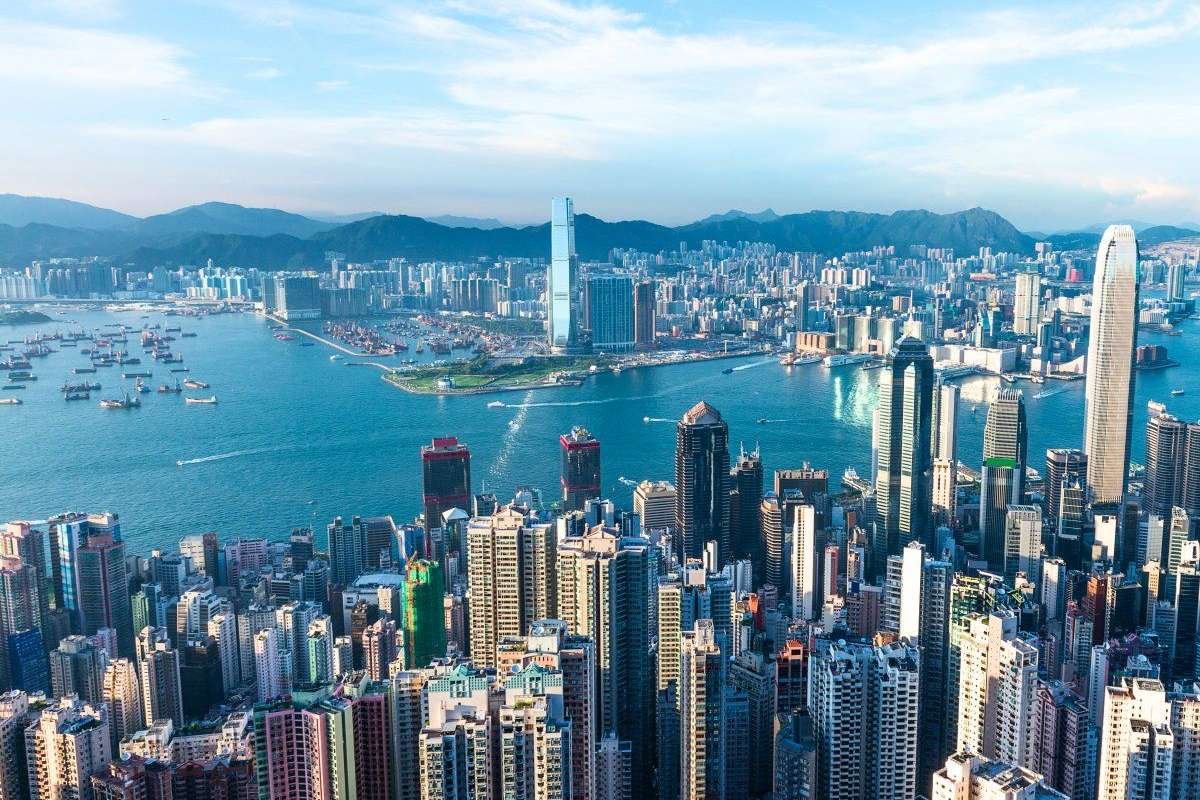
In 2026, the global cost-of-living gap has widened dramatically, with some nations now 300–400% more expensive than the world average. Rising housing prices, strong currencies, high wages, and import dependence have pushed everyday expenses from rent to groceries to record levels in several advanced economies.
The most expensive countries to live in are not just costly; they often offer world-class healthcare, infrastructure, safety, and income potential. This guide breaks down 2026 rankings using trusted cost-of-living indices, rent data, and real monthly expense estimates to help you evaluate whether these premium economies align with your financial goals and lifestyle expectations.
What Defines the Most Expensive Countries To Live In?
When economists rank the most expensive countries to live in, they don’t simply look at one price tag; they analyze a comprehensive cost-of-living framework that reflects real everyday life across nations.
1. Global Cost of Living Index
One of the most widely referenced benchmarks is the Numbeo Global Cost of Living Index, which compares everyday expenses, such as groceries, transport, utilities, and services against a baseline such as New York City (index = 100). A country scoring above 100 means average costs there are higher than in New York.
2. Rent and Housing Costs
Rent often forms the single biggest monthly expenditure for residents. Countries with urban density, limited land, or high demand (e.g., financial hubs or island economies) naturally see rental inflation driving up total living costs.
3. Currency Strength and Wages
Strong local currencies and high wage environments often seen in Western Europe or developed financial centers push consumer prices up, even for essentials. For example, Swiss salaries and the Swiss franc’s strength help sustain the country’s premium cost structure.
The Most Expensive Countries To Live (2026 Rankings – Least to Most)
1. Norway

| Cost of Living Index | ~85 |
| Rent Index | ~35 |
| Cost + Rent Index | ~65 |
| Avg Monthly Expenses (Single) | $2,100+ |
| Main Cost Driver | High wages & welfare-funded services |
Norway consistently ranks among the world’s wealthiest nations, with GDP per capita exceeding $90,000 (World Bank), which supports its elevated price environment. The country’s sovereign wealth fund, the largest globally at over $1.5 trillion, strengthens economic stability and purchasing power.
According to OECD data, Norway maintains one of Europe’s highest average wage levels, particularly in the energy and maritime sectors. Strong labor protections and generous welfare benefits increase service-sector labor costs. While everyday expenses are high, Norway also ranks among the top globally for quality of life and income equality.
2. Singapore

| Cost of Living Index | 87.7 |
| Rent Index | 73.1 |
| Cost + Rent Index | 81.2 |
| Avg Monthly Expenses (Single) | $2,200–$2,800 |
| Main Cost Driver | Dense urban housing & vehicle ownership costs |
Singapore ranks among the most expensive countries to live in, while also standing as one of the world’s most competitive economies according to the World Economic Forum. The city-state’s limited land supply, combined with its role as a global financial hub, intensifies demand for property and services.
According to the IMF, Singapore’s GDP per capita exceeds $80,000, supporting strong consumer purchasing power. The government’s Certificate of Entitlement (COE) system significantly increases private car ownership costs. Despite premium pricing, Singapore consistently ranks among the safest and most infrastructure-efficient nations globally.
3. Jersey

| Cost of Living Index | 88.7 |
| Rent Index | 52.4 |
| Cost + Rent Index | 72.5 |
| Avg Monthly Expenses (Single) | $2,200+ |
| Main Cost Driver | Limited land & financial services demand |
Jersey operates as a major offshore financial center, with financial services contributing over 40% of its gross value added (Government of Jersey reports). Its small geographic size limits housing expansion, increasing pressure on local supply.
The island attracts high-net-worth individuals due to favorable tax structures, which elevates demand in premium sectors. As a Crown Dependency, it maintains economic stability tied to the UK while retaining fiscal autonomy. Strong finance-sector wages influence service and consumer pricing across the island.
4. Denmark

| Cost of Living Index | ~90 |
| Rent Index | ~40 |
| Cost + Rent Index | ~70 |
| Avg Monthly Expenses (Single) | $2,200+ |
| Main Cost Driver | Tax-funded welfare model |
Denmark’s economy benefits from a high-productivity workforce and consistently ranks among the top EU nations for GDP per capita (Eurostat). The country operates under a high-tax, high-benefit model that funds universal healthcare, education, and strong public infrastructure.
As a result, Denmark is often listed among the most expensive countries to live in, with OECD data showing some of the highest labor costs in Europe, directly influencing retail and service pricing. Denmark also ranks near the top of global happiness and governance indices. Its stable political system and strong labor unions contribute to sustained high income and expense levels.
5. Iceland

| Cost of Living Index | 97.2 |
| Rent Index | 49.5 |
| Cost + Rent Index | 75.9 |
| Avg Monthly Expenses (Single) | $2,000–$2,500 |
| Main Cost Driver | Import reliance & high wages |
Iceland’s small population of roughly 390,000 (Statistics Iceland) limits economies of scale in production and retail. The country relies heavily on imported consumer goods, which increases price volatility.
Tourism contributes significantly to GDP, increasing demand for hospitality and services year-round. Iceland also generates nearly 100% of its electricity from renewable sources, strengthening sustainability but not necessarily reducing consumer prices. High wage standards and geographic remoteness collectively influence national pricing structures.
6. Bahamas

| Cost of Living Index | 98.8 |
| Rent Index | 50.2 |
| Cost + Rent Index | 77.1 |
| Avg Monthly Expenses (Single) | $2,300+ |
| Main Cost Driver | Tourism pricing & shipping costs |
The Bahamas’ economy is heavily tourism-dependent, with tourism accounting for approximately 50% of GDP (World Bank estimates).
Limited domestic manufacturing means most goods are imported, raising retail prices. The country’s financial services sector also attracts international capital, supporting higher income levels in certain industries. Real estate demand from foreign buyers influences housing dynamics. While income tax is absent, indirect taxes and import duties contribute to overall consumer cost levels, placing the country among the most expensive countries to live in.
7. Switzerland

| Cost of Living Index | 110.7 |
| Rent Index | 51.5 |
| Cost + Rent Index | 84.3 |
| Avg Monthly Expenses (Single) | $2,500–$3,500 |
| Main Cost Driver | Strong Swiss franc & high salaries |
Switzerland ranks among the top five globally in GDP per capita (IMF), reflecting strong productivity and high wages. The Swiss franc is widely regarded as a safe-haven currency, strengthening price stability but raising relative costs for foreign earners.
The country consistently ranks near the top in the Global Innovation Index, supported by advanced pharmaceutical and financial sectors. According to UBS, Switzerland maintains one of the highest average net wealth per adult figures worldwide. Strong purchasing power and premium service standards sustain its high-cost environment.
8. U.S. Virgin Islands

| Cost of Living Index | 111.3 |
| Rent Index | 46.8 |
| Cost + Rent Index | 82.5 |
| Avg Monthly Expenses (Single) | $2,500+ |
| Main Cost Driver | Shipping & supply chain costs |
As a U.S. territory, the U.S. Virgin Islands operates within the American economic framework while facing logistical challenges unique to island regions.
Tourism plays a central role in economic activity, influencing local price levels. As a result, it is often ranked among the most expensive countries to live in, largely due to structurally higher shipping and distribution costs tied to its geographic location. The limited land area constrains large-scale development and supply expansion. Economic reliance on imports directly impacts pricing across essential goods.
9. Cayman Islands

| Cost of Living Index | 115.6 |
| Rent Index | 76.1 |
| Cost + Rent Index | 97.9 |
| Avg Monthly Expenses (Single) | $2,800+ |
| Main Cost Driver | Financial services & import costs |
The Cayman Islands is one of the world’s leading offshore financial centers, with financial services contributing the majority of GDP. The territory hosts thousands of registered investment funds and multinational entities, increasing demand for high-end housing and services.
According to international financial reports, it maintains one of the highest per capita income levels in the Caribbean. A zero direct tax regime attracts global professionals and businesses. Strong expatriate presence drives demand-driven pricing across sectors.
10. Bermuda

| Cost of Living Index | 135.8 |
| Rent Index | 108.2 |
| Cost + Rent Index | 123.5 |
| Avg Monthly Expenses (Single) | $3,000–$3,500+ |
| Main Cost Driver | Extreme import dependency & luxury housing |
Bermuda ranks among the most expensive countries to live in, with its economy centered around the international business and reinsurance sectors that generate high average income levels. The territory consistently ranks among the highest globally in per capita income.
Due to limited arable land, the majority of food and consumer goods are imported, increasing baseline prices. Bermuda also maintains strong ties to global insurance markets, supporting economic resilience. The combination of high-income earners and constrained supply sustains its position at the top of global cost rankings.
Read Next:
- Which Is the Cheapest Country in the World? Top 10 Picks for Budget Living
- You Won’t Believe How Affordable Life Is in These 30 cheapest places to live in the U.S.
Why Are These Countries So Expensive?
The most expensive countries to live in aren’t expensive by coincidence; they’re built on powerful economic fundamentals. When you follow the data, a clear pattern emerges. It begins with income strength and expands across housing, geography, currency power, and public investment.
| High Wages Drive Pricing Power | OECD data shows countries like Switzerland and Denmark rank among the world’s highest for average earnings. When labor costs rise, everything from dining to healthcare becomes more expensive. |
| Housing Bottlenecks Push Inflation | The IMF identifies property shortages as a key inflation trigger in advanced economies. In land-limited markets like Singapore and Bermuda, supply simply can’t keep up with demand. |
| Import Reliance Raises Baselines | The World Bank notes that small island states face structurally higher shipping and logistics costs. When most goods are imported, prices stay elevated. |
| Strong Currencies Amplify Costs | Safe-haven currencies like the Swiss franc strengthen purchasing power globally but inflate domestic price comparisons. |
| Premium Public Infrastructure Costs Money | Nations topping the UN Human Development Index invest heavily in healthcare, education, and safety systems funded through higher taxation. |
The pattern is that higher costs often mirror higher income, stability, and institutional strength. In many cases, you’re not just paying more, you’re paying for economic performance.
Are These Countries Worth the Cost?
High prices may dominate the headlines, but cost alone doesn’t tell the full story. To understand whether the most expensive countries to live in are truly worth it, you have to look at what residents gain in return.
1. Income vs. Expenses
According to IMF and World Bank data, countries like Switzerland, Norway, Singapore, and Denmark rank among the highest globally in GDP per capita.
Higher wages naturally push up prices, but they also increase earning potential and purchasing power. In several of these economies, disposable income remains strong even after accounting for elevated living costs. Over time, wealth accumulation in these markets often outpaces global averages.
2. Quality of Life Returns
Many of these nations consistently rank at the top of the UN Human Development Index and World Happiness Report. Residents benefit from universal healthcare, strong public infrastructure, low crime rates, and political stability. These systems reduce financial uncertainty and long-term risk. In many cases, you’re paying for reliability and security, not just goods and services.
3. Stability & Opportunity
These economies are among the most stable globally, supported by strong currencies, diversified industries, and advanced innovation sectors. Finance, energy, technology, and international business hubs provide high-paying professional opportunities. For skilled workers, the compensation often matches or exceeds the higher cost environment.
The real question isn’t simply affordability, it’s value.
In many of the most expensive countries to live in, higher costs reflect stronger institutions, higher incomes, and long-term economic stability. For those who can access the opportunity, the premium often comes with performance.
How Do These Countries Compare Globally?
Now that we’ve examined cost drivers and value returns, the next question is scale: How extreme are these price levels compared to the rest of the world? The gap is significant.
According to global cost-of-living datasets (Numbeo), countries like Bermuda and Switzerland sit dramatically above the global median. In many emerging economies, overall living costs are less than half of what residents pay in top-tier high-income nations.
1. Developed vs. Emerging Markets
Advanced economies tend to cluster at the top due to:
- Higher wage floors
- Stronger currencies
- Advanced infrastructure
Meanwhile, emerging markets often offer lower baseline living costs but typically with lower average wages, weaker social safety nets, and greater economic volatility.
2. The Urban Multiplier Effect
Even within expensive nations, major cities amplify costs. Global financial hubs concentrate capital, high-income professionals, and a limited housing supply. The result? Nationally high costs become even more pronounced at the city level.
This urban premium is especially visible in global finance centers and island territories where land cannot expand.
3. The Global Cost Divide
High-cost countries are not isolated anomalies; they represent the upper tier of global economic development.
Higher prices usually correlate with:
- Stronger institutional stability
- Higher average wealth
- Greater purchasing power
The divide isn’t just about expense, it’s about economic tier.
What Could Change the Rankings?
Cost-of-living rankings aren’t fixed. Economic cycles, housing policy, currency shifts, and global trade dynamics constantly reshape the landscape of the most expensive countries to live in.
Here’s what could move the needle next:
- Interest Rates & Inflation: Central bank policy plays a major role in housing and consumer pricing. Higher interest rates can cool property markets, while prolonged inflation can permanently reset cost baselines in advanced economies.
- Housing Supply Reforms: Governments increasing housing construction or easing zoning restrictions could reduce structural pressure in land-constrained markets. Real estate remains the single biggest lever in cost-of-living shifts.
- Currency Fluctuations: Exchange rates heavily influence global rankings, particularly in the most expensive countries to live in. A strengthening currency can push a country higher in comparative cost indexes even if domestic prices remain stable.
- Global Supply Chains: For import-dependent nations, improvements in logistics efficiency or trade partnerships could ease structural price premiums. Conversely, geopolitical instability can quickly raise costs.
- Remote Work & Talent Mobility: As high-income professionals gain geographic flexibility, capital and talent flows may rebalance demand across cities and countries. This could soften pricing pressure in some traditional financial hubs while elevating emerging ones.
Should You Move to One of These Countries?
Understanding the most expensive countries to live in is one thing. Deciding whether to relocate is another. The decision comes down to three core variables: income potential, lifestyle priorities, and long-term goals.
1. Income Alignment
If your earning power scales with the local economy, particularly in finance, tech, energy, or international business, high-cost countries can offer strong net returns. Many of these markets provide some of the highest global salaries and wealth accumulation rates. Without income alignment, however, elevated expenses can quickly erode savings.
2. Career Leverage
Global hubs like Switzerland and Singapore offer access to international networks, capital markets, and advanced industries. For professionals, the long-term career upside can outweigh short-term cost pressures. These environments often accelerate skill growth and earning trajectory.
3. Lifestyle & Stability
Beyond income, these countries consistently rank high in safety, healthcare quality, infrastructure reliability, and political stability. For families, entrepreneurs, and long-term residents, reduced systemic risk can be a major advantage. Stability itself has economic value.
Read Next:
- 2025’s Best Cities for Entrepreneurs Who Want More Than Just Funding
- Top 10 Best Places to Retire in the World
Conclusion
The most expensive countries to live in sit at the top of global cost rankings because they also sit at the top of global economic performance. High wages, strong currencies, housing constraints, and premium public systems combine to create elevated price environments, but those same factors often deliver stability, security, and opportunity.
Data from the IMF, OECD, World Bank, and UN consistently show that many of these nations rank among the highest in GDP per capita, human development, and institutional strength. In other words, higher costs frequently mirror higher income potential and long-term economic resilience.
But affordability is relative. Without income alignment, these markets can strain budgets. With the right skills, industry access, or investment strategy, however, they can offer strong purchasing power, wealth accumulation, and quality of life.
Ultimately, the real question isn’t which country costs the most; it’s whether the economic return justifies the premium.
FAQs:
1. Which are the most expensive countries to live in 2026?
Bermuda, the Cayman Islands, Switzerland, Singapore, and Iceland rank among the highest based on global cost-of-living indexes like Numbeo (2026 data).
2. Why are island nations often so expensive?
Heavy reliance on imports, high shipping costs, and limited land supply drive up housing and consumer prices (World Bank small states data).
3. Do high living costs come with high salaries?
Often yes. OECD and IMF data show many high-cost countries also rank among the top in GDP per capita and wage levels, especially in skilled sectors.
4. How is the cost of living calculated?
Indexes compare prices of rent, groceries, transport, utilities, and dining relative to a benchmark city, commonly New York.
5. Are expensive countries worth it?
They often offer higher income potential, strong infrastructure, safety, and economic stability, making them some of the most expensive countries to live but affordability still depends on income alignment.
Source: https://www.visualcapitalist.com/2026-global-cost-of-living-index/?utm_source=chatgpt.com