Your car color says more about you than your bumper sticker. White means business, black screams luxury, and that random lime green choice? Pure rebel. Americans spend big on cars, but that first impression comes down to paint, and most of us stick to safe bets.
In 2024-2025, a whopping 80% of cars on US roads were grayscale, meaning they were white, black, gray, or silver. Boring, right? Like choosing beige wallpaper for your living room. However, 2026 seems different. Buyers want personalization now, with gray surging past black and wildcards like green proving to be the real dark horses of the season. The most popular car colors in America are finally getting interesting.
Why should you care as a 2026 buyer? Color hits your wallet, from resale value to maintenance costs, and even insurance rates. Pick the wrong one, and you’ll be washing swirl marks off black paint every weekend, or watching white depreciate faster than you expected. Get it right, and you’re driving smarter.
In this article, we’ll rank the top 10 most popular car colors in America for 2026, dig into EV trends, resale surprises, and what your choice really says about you.
Evolution of American Car Colors
Back when Henry Ford cranked out Model Ts, you got one color: black. Why? Quick-drying paint kept production lines humming. No choices, no drama. Fast forward to the 1920s, Duco paint changed the game. Suddenly, cars burst alive with reds, blues, greens, and America went absolutely color crazy through the muscle car era of the ’60s and ’70s.
The 2008 recession flipped preferences hard toward safe, resale-friendly neutrals. White, black, silver, and gray took over completely. By 2015, these four colors owned 75% of the market. Dealers loved them because they sold quickly from used lots. Buyers figured resale trumped personality every time.
Now in 2026, cracks finally appear in the monochrome fortress. Tesla normalized white as “tech chic.” Gray’s sleek, modern edge pushes past black’s tired, luxurious vibe. Green creeps up on sustainability buzz. We’ve come full circle from Henry Ford’s black-only days – buyers demand options again, even if 80% still play it safe.
The Top 10 Most Popular Car Colors in America 2026
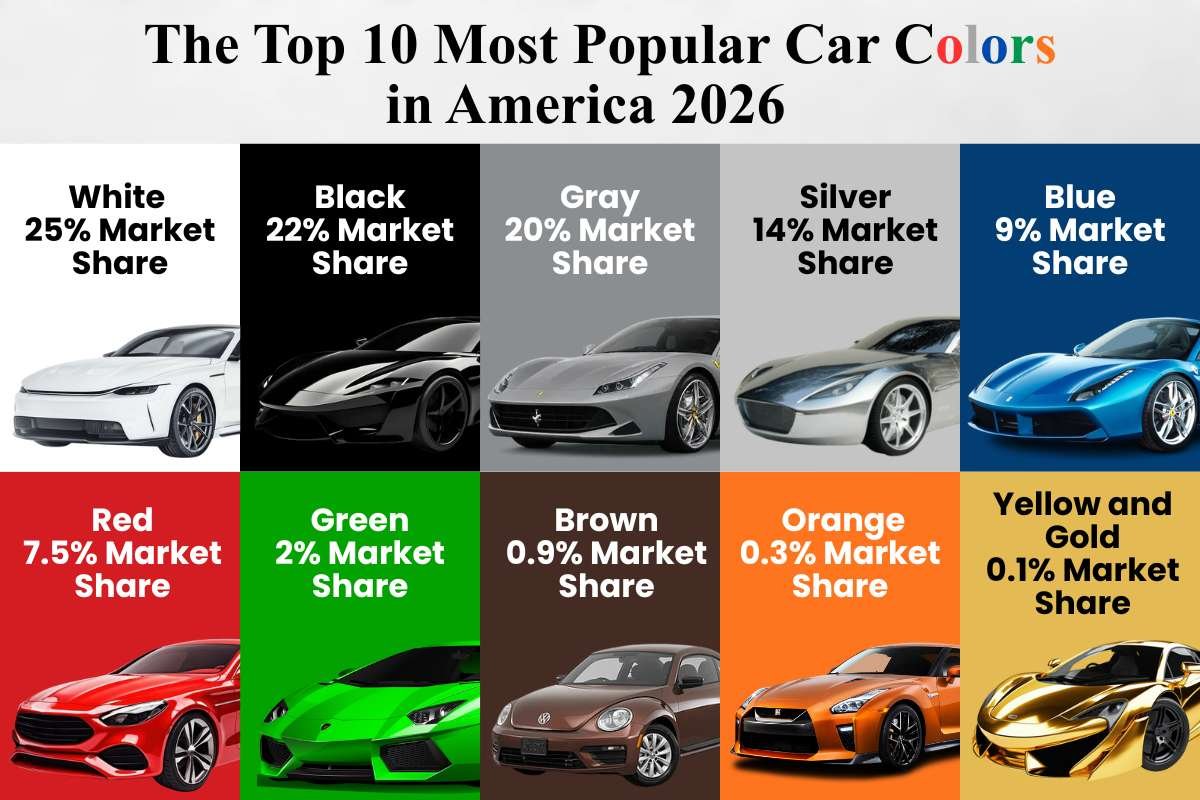
| Rank | Color | Market Share | Trend | What It Means |
| 1 | White | 25% | Stable | Classic choice, heat-reflective, tech-friendly for autonomous vehicles |
| 2 | Black | 22% | Flat | Luxury perception, but requires serious maintenance commitment |
| 3 | Gray | 20% | Rising | The Big Mover – up 1.8% in two years, modern sophistication |
| 4 | Silver | 14% | Slight decline | Practical, blends practicality with premium feel |
| 5 | Blue | 9% | Stable | Calm, versatile, gaining traction on electric vehicles |
| 6 | Red | 7.5% | Slight decline | Passion and energy, but depreciates faster |
| 7 | Green | 2% | Rising | Emerging sustainability trend, rare finds better resale |
| 8 | Brown | 0.9% | Declining | Luxury niche, underrated in today’s market |
| 9 | Orange | 0.3% | Stable | True rarity, holds resale value like gold |
| 10 | Gold | 0.1% | Rare | Ultra-exclusive, depreciates hardest but stands out |
The most popular car colors in America remain dominated by the “grayscale quartet” – white, black, gray, and silver account for 81% of all vehicles. Gray’s climb shows buyers want modern without sacrificing practicality. Green’s emergence signals a new generation caring about sustainability. Red’s gentle decline suggests the passion plays are losing ground to calculated choices.
What surprises most buyers? The rarest colors often hold the most value. Orange and green depreciate more slowly than white and black, despite being ordered by fewer people. Supply and demand flip the resale game on its head.
Color Profiles: Deep Technical Breakdown of America’s Top 10 Car Colors
Among the most popular car colors in America, each shade carries specific chemistry that defines its character, durability, and market position. Here’s the complete technical profile from pigments to production for every color.
1. White (25% Market Share)

White remains the most popular car color in America. The Toyota Camry in Pearl White Tricoat, Honda CR-V in Platinum White Pearl, Ford F-150 in Oxford White, and Tesla Model Y in Pearl White Multi-Coat continue to flood dealer inventories. Fleet buyers choose white nearly forty percent of the time, and Tesla’s long-running standard white option permanently anchored demand.
White relies on rutile-grade titanium dioxide with ultra-fine particle sizes that scatter nearly all visible light. Premium whites blend zinc oxide or lithopone for added opacity, while newer nano-TiO₂ formulations introduced in 2025 have significantly improved UV resistance. Acrylic and polyurethane binder systems lock the pigment into a durable thermoset structure during high-temperature curing.
Pearl whites layer mica platelets coated in titanium dioxide to create controlled shimmer. The manufacturing process is complex and time-intensive, involving corrosion protection, multiple robotic basecoat passes, and thick clearcoats.
White reflects most solar radiation, keeps cabins noticeably cooler, and performs best with modern driver-assistance sensors. Its weakness is supply volume, which pressures resale values despite unmatched practicality.
2. Black (22% Market Share)
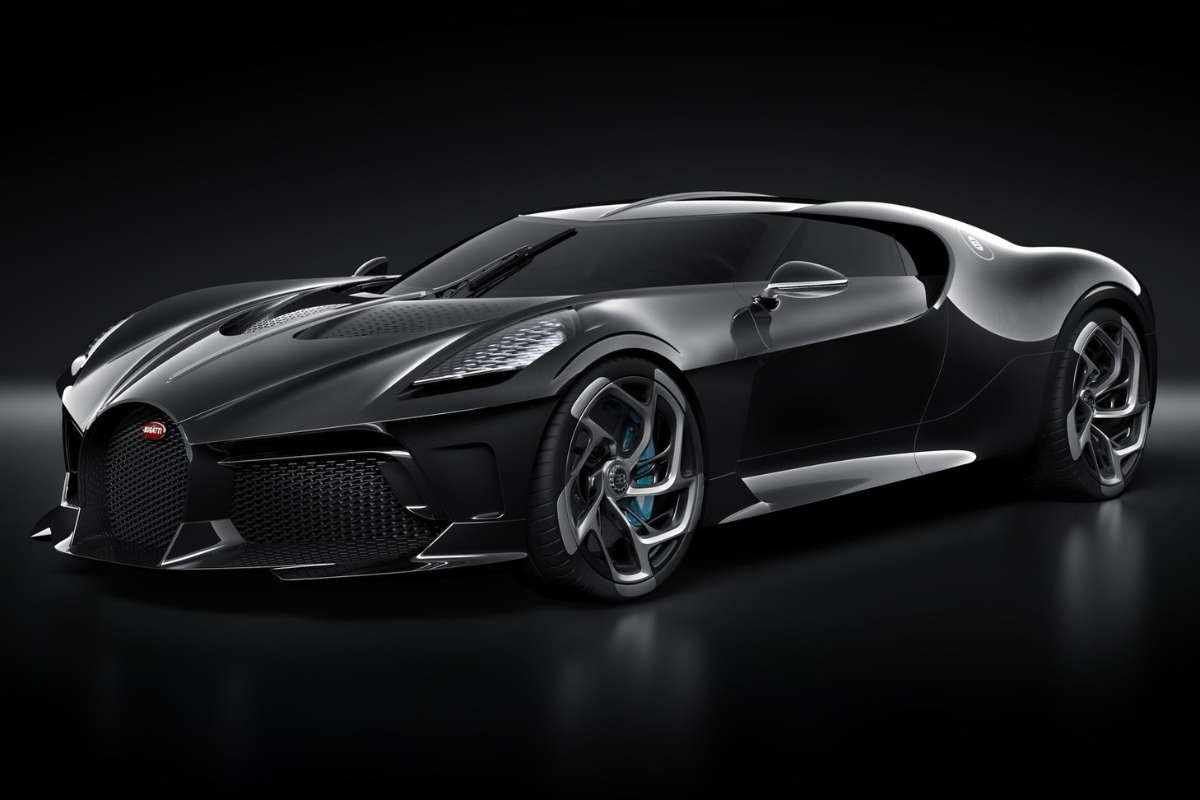
Black remains the color of executive presence and visual authority. Mercedes-Benz S-Class, BMW 7 Series, Cadillac CT5, and Audi A8 buyers continue to gravitate toward deep blacks, such as Black Sapphire and Mythos Black.
Carbon black pigments deliver unmatched tint strength and light absorption, but they amplify every surface flaw. Black paint systems utilize thick polyurethane clear coats and a multi-stage curing process to maximize gloss and chemical resistance. Graphene-enhanced blacks are emerging, enhancing conductivity and scratch resistance.
Black absorbs heat aggressively, shows swirl marks quickly, and demands constant upkeep. Buyers accept these costs as part of the image tax that comes with black paint.
3. Gray (20% Market Share)
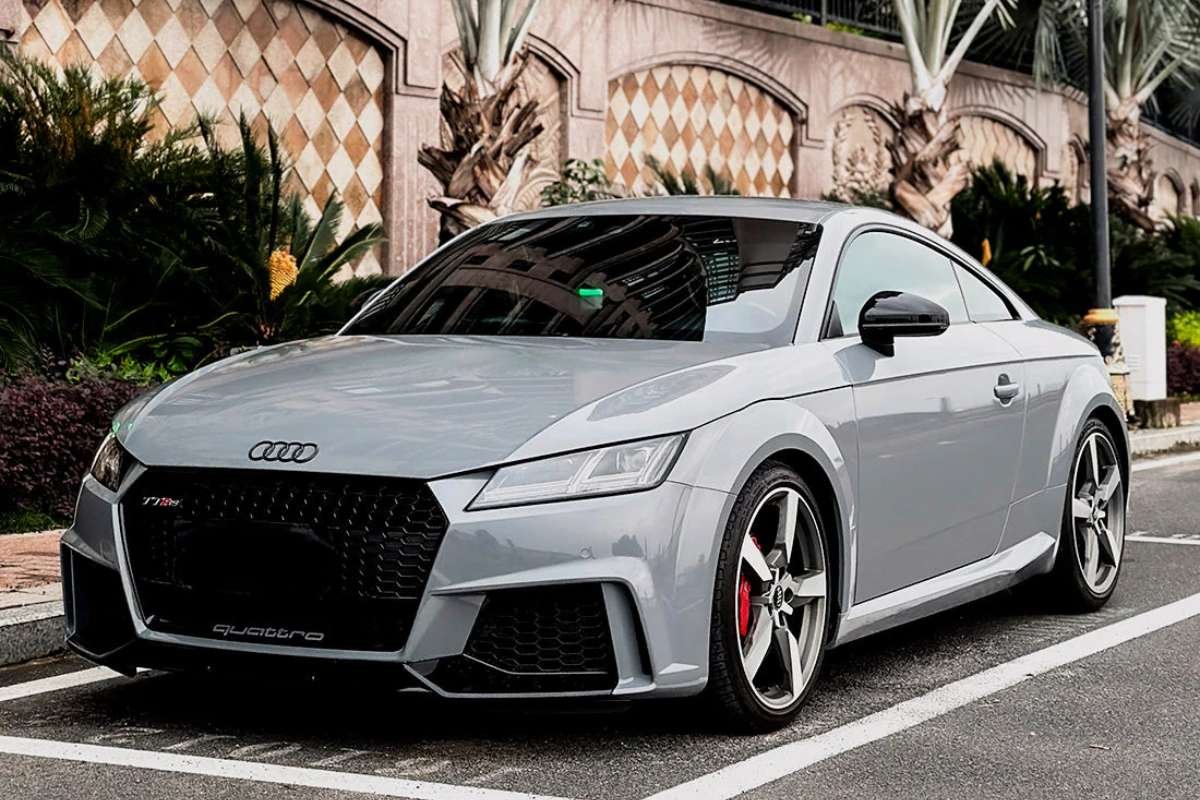
Gray is the fastest-selling car color in America, driven by models such as the Audi Q8 in Nardo Gray, the Tesla Model 3 in Quicksilver, the BMW X5 in Mineral Gray, and the Porsche Macan in Frozen Ash. Satin gray protection films have surged as buyers chase understated sophistication.
Gray pigments balance iron oxide blacks with aluminum flakes to manage reflection and depth. Warm and cool variants are tuned with red or blue undertones, while newer vacuum-metallized aluminum processes deliver brighter, cleaner finishes. Satin versions rely on silica matting agents that reduce gloss without sacrificing durability.
Gray offers the best compromise between heat control, defect hiding, and resale strength. Urban buyers favor it heavily, and dealers move gray inventory faster than nearly any other color.
4. Silver (14% Market Share)
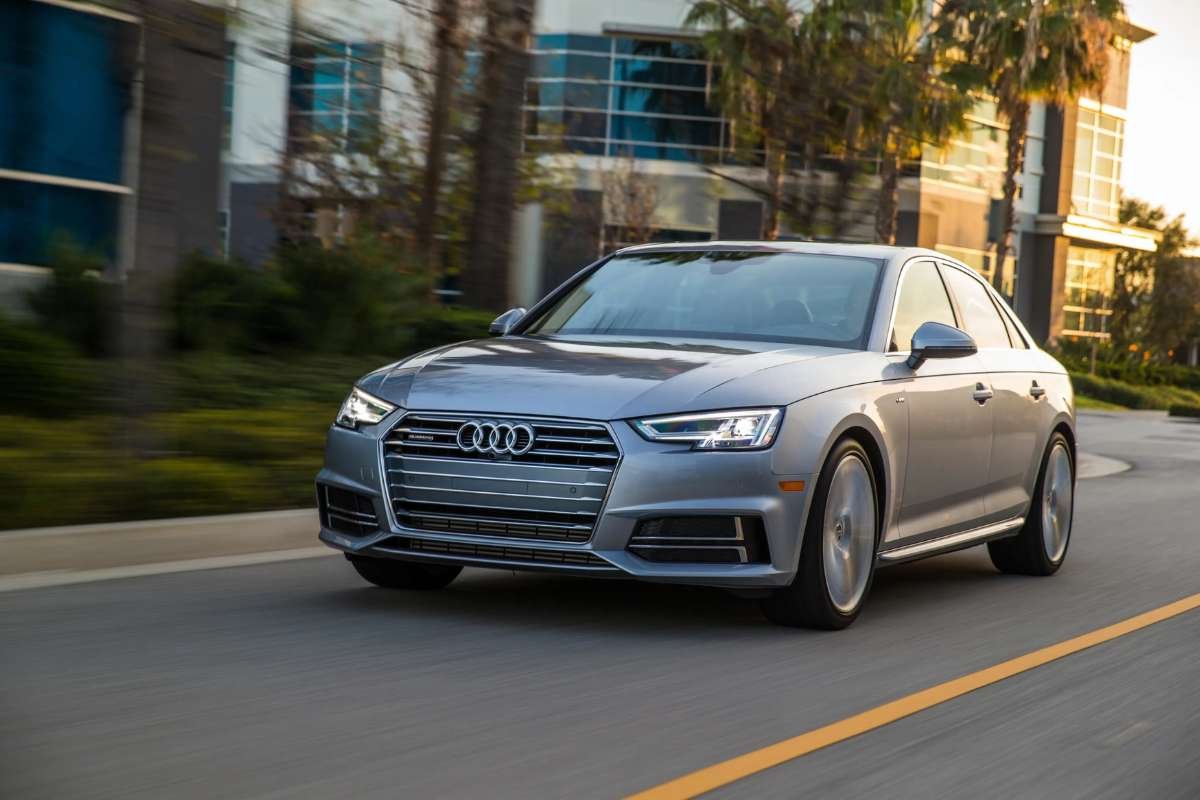
Silver continues as the professional default. Toyota Sienna Lunar Rock, Honda Pilot Lunar Silver Metallic, and Nissan Rogue Platinum Silver Sky dominate fleet and private sales alike.
Silver uses aluminum flakes engineered to float and align during curing, creating a reflective surface that hides dust and light scratches. Modern silvers increasingly use vapor-deposited aluminum for improved brightness and longevity.
Silver reflects heat well, is less expensive to maintain, and maintains steady resale value. It lacks excitement, but it consistently rewards owners with predictability.
5. Blue (9% Market Share)

Blue represents trust and balance. Ford F-150 Velocity Blue, Chevrolet Tahoe Sterling Blue, Subaru WRX WR Blue Pearl, and Hyundai Ioniq 5 Digital Teal keep blue firmly relevant.
Copper phthalocyanine pigments provide exceptional stability and fade resistance. Blues often require multiple basecoat passes for depth, particularly on EVs where clean surfaces expose inconsistencies.
Blue ages gracefully, works across various vehicle types, and remains popular with fleet buyers, including those in law enforcement.
6. Red (7.5% Market Share)
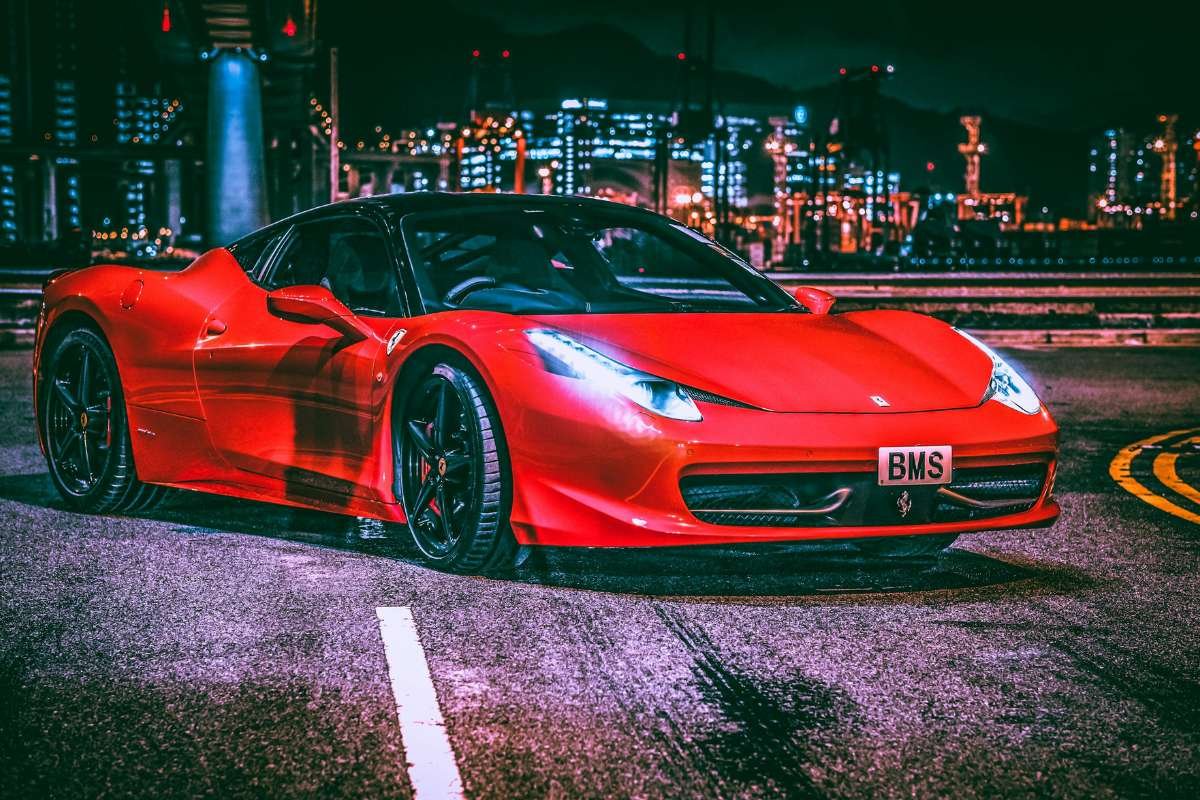
Red remains the emotional choice. Mustang GT Race Red, Dodge Challenger HEMI Redeye, Mazda MX-5 Soul Red Crystal, and Ferrari Rosso Corsa sell excitement first.
Advanced quinacridone and DPP pigments enhance fade resistance, but red still degrades more rapidly in extreme sunlight. Thick clearcoats and aggressive bake cycles are required to preserve vibrancy.
Red attracts attention, boosts test-drive rates, and demands higher maintenance. Buyers accept the tradeoffs knowingly.
7. Green (2% Market Share)
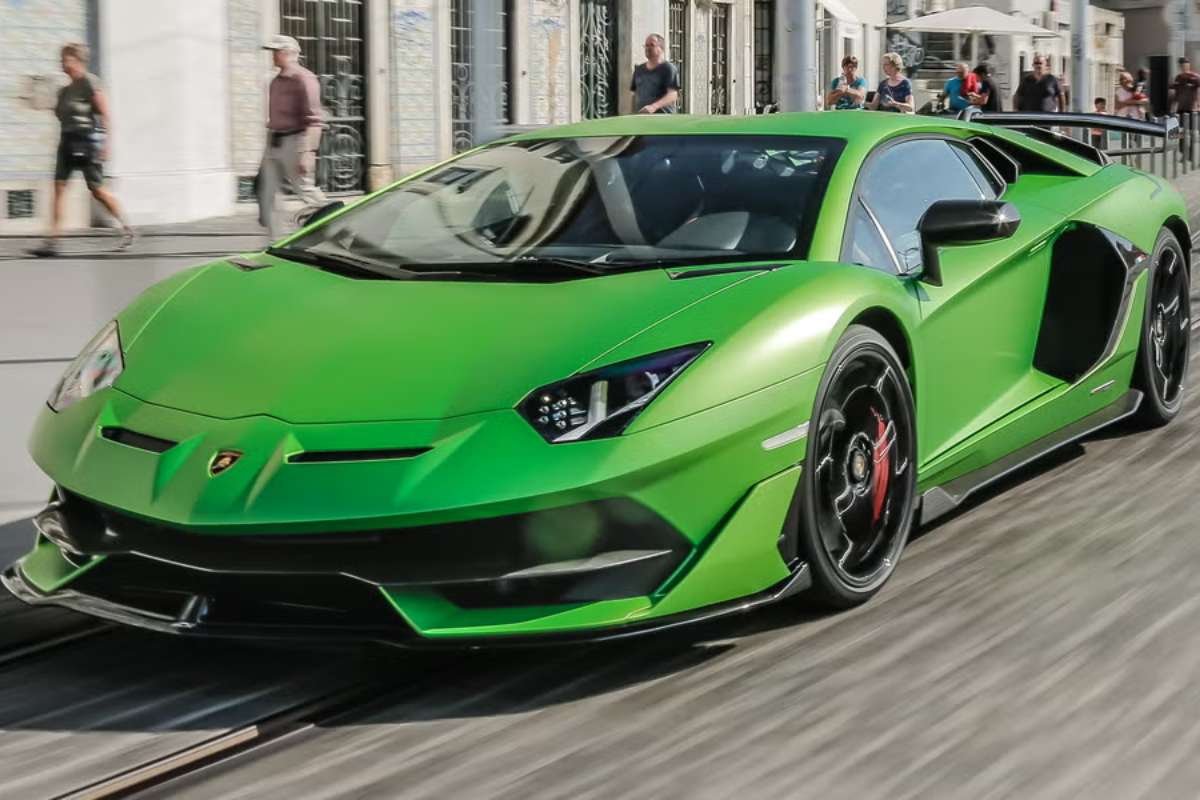
Green has re-emerged with purpose. The Rivian R1S Forest Green, Jeep Wrangler Sarge Green, Toyota 4Runner Army Green, and Subaru Outback Wilderness Geyser Green target buyers who are focused on identity and lifestyle.
Phthalocyanine and chromium oxide pigments provide excellent UV stability. Satin finishes and heavy basecoat application dominate green production due to coverage demands.
Green holds resale surprisingly well in off-road and adventure segments despite limited volume.
8. Brown (0.9% Market Share)
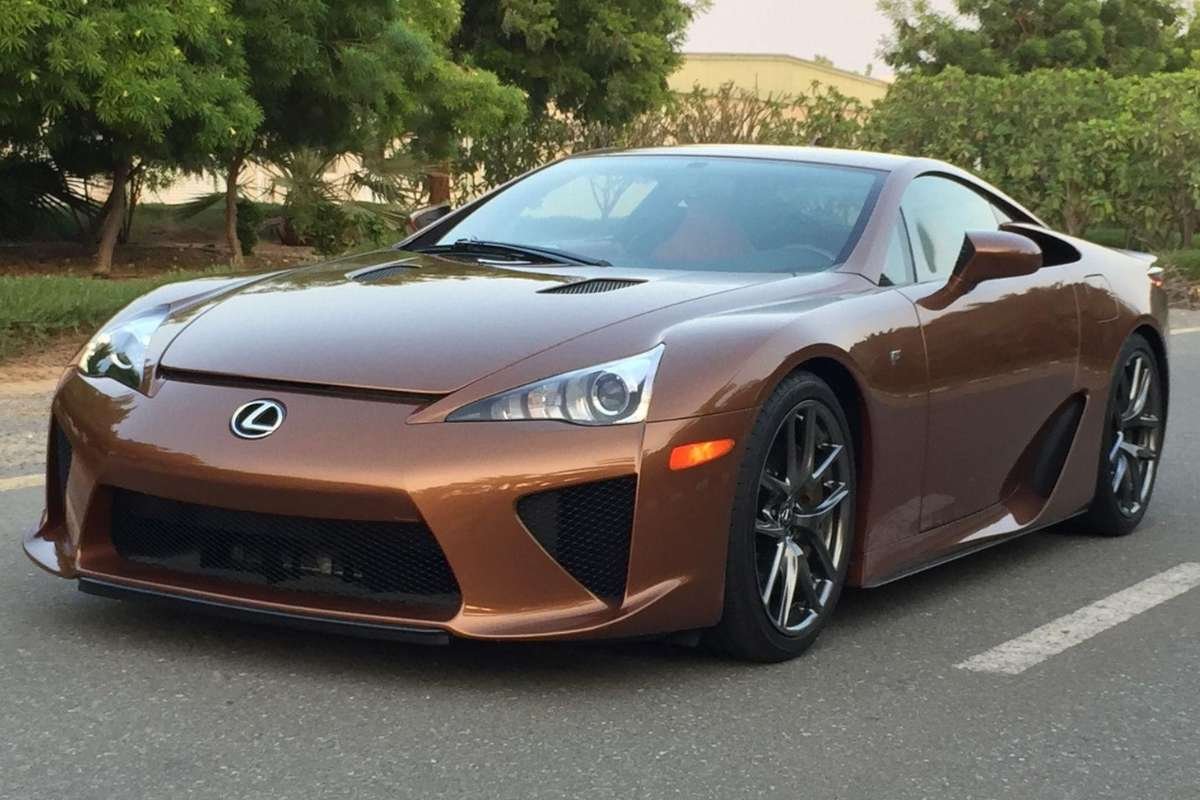
Brown signals simple luxury. Range Rover Santorini Bronze, Bentley Bentayga Imperial Jewel Brown, and Cadillac Escalade Mahogany Metallic appeal to niche buyers.
Transparent iron oxides layered over metallic bases create warmth and depth, but dust visibility is high. Brown rewards meticulous owners and punishes neglect.
9. Orange (0.3% Market Share)
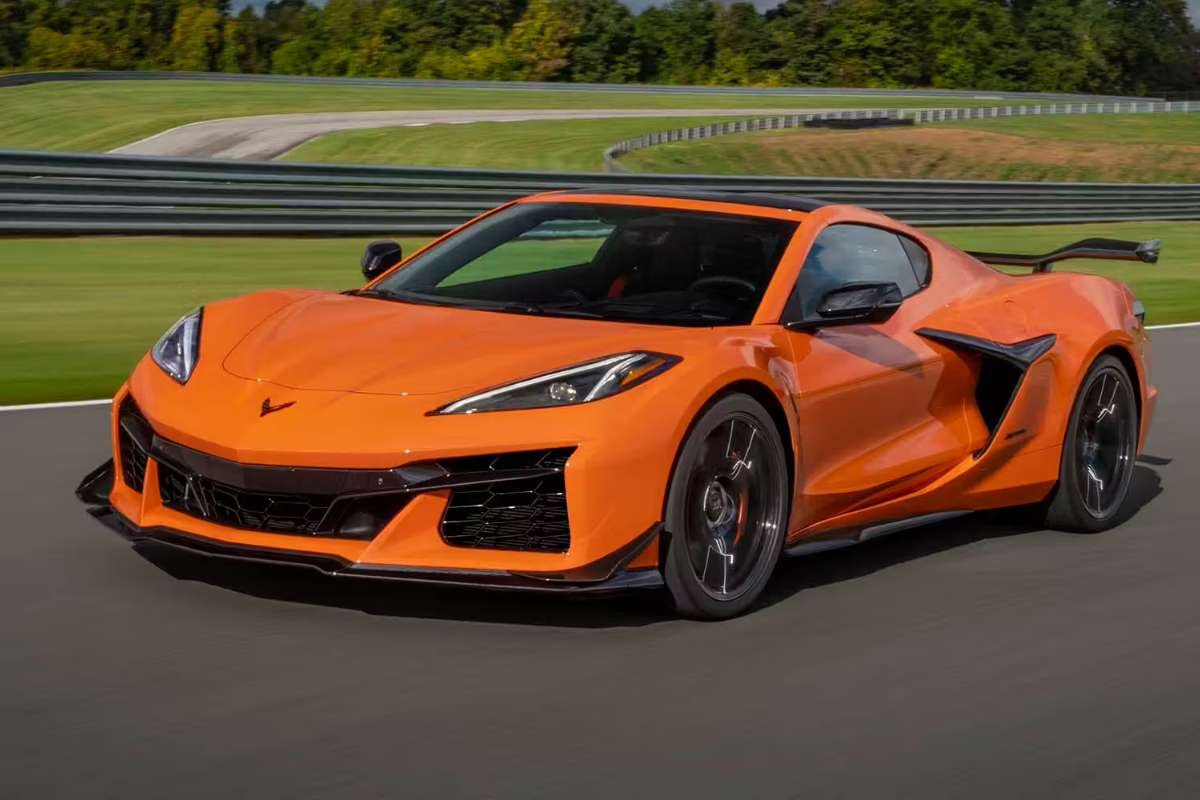
Orange relies on scarcity. The Jeep Gladiator Tangerine, Ram 1500 Rebel Flame Orange, and Ford Bronco Raptor Code Orange utilize bold pigments and heavy metallic loads.
Orange hides scratches well and benefits from limited production runs, which boosts resale in trucks and specialty models.
10. Yellow and Gold (0.1% Market Share)
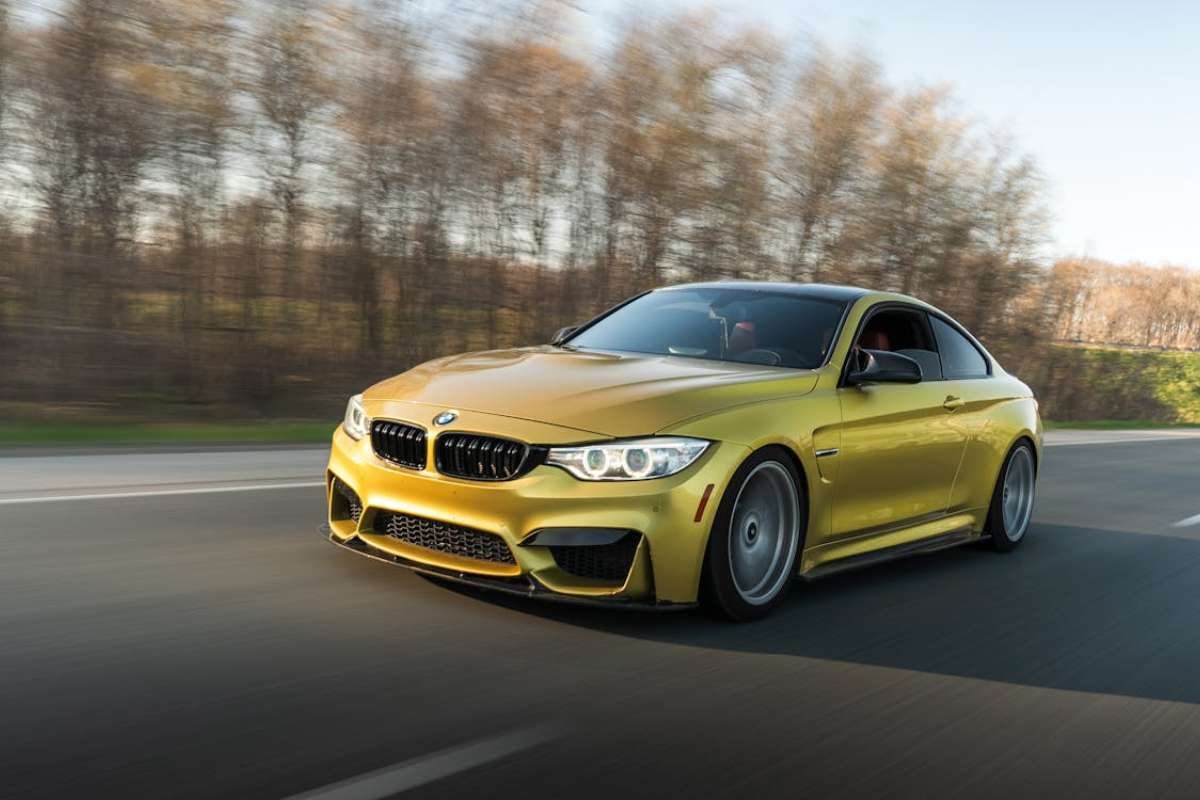
Yellow remains the performance outlier. Corvette Z06 Accelerate Yellow and Porsche 911 GT3 RS Guardsman Yellow command substantial resale premiums.
Modern bismuth vanadate pigments deliver high reflectivity and sensor compatibility, though gold tones continue to fade quickly and struggle with market acceptance.
Read Next:
- Why Most Popular Car Colors in The World Never Go Out of Style?
- Top 10 Most Reliable Car Brands in 2025
Why Americans Choose These Colors?
Color choice reveals a clear psychology behind the most popular car colors in America. Almost no one picks paint at random. Business logic, status signaling, and simple cost math guide nearly every decision made on a dealership floor.
1. White
White buyers think in spreadsheets. Fleet managers order white Ford Transit vans and Chevy Express 2500s because road grime remains less visible, wash cycles can last up to ten days, and approvals move quickly through corporate chains. Families lean toward white Toyota Highlanders and Honda Pilot EX-Ls for the same reason. Resale calculators consistently beat emotional choices.
Construction supervisors across Texas choose white F-150s because cabins stay about fifteen degrees cooler under brutal summer sun. Tech professionals favor Tesla Pearl White Multi-Coat since it fits the clean, minimal Apple-inspired aesthetic. IIHS data also shows white cars average twelve percent fewer nighttime accidents. Practical thinking wins every time.
2. Black
Black drivers knowingly pay for an image. Corporate executives lease black Mercedes S580s and BMW 750i xDrive vehicles because boardrooms still consider Onyx Black as a symbol of authority. Younger buyers opt for Civics in black, chasing exotic-car prestige, even as white and gray remain the most popular car colors in America.
Maintenance becomes part of the deal. Weekly detailing, visible swirl marks, ceramic coatings, and higher cooling costs are accepted without protest. Black owners absorb the tradeoffs because status matters more than convenience.
3. Gray
Gray buyers believe they cracked the code. Tech executives choose Audi Q7s in Nardo Gray for their upscale appeal, without the maintenance burden of black. Families move into gray Toyota Siennas because dirt hides better than on white, while still looking polished.
Dealers are now pushing gray vehicles aggressively, as inventory moves faster and depreciation remains mild. Urban sales have surged since 2023, underscoring why gray remains one of the most popular car colors in America.
4. Silver
Silver attracts predictability. Rental agencies stock silver Camrys and Malibus because corporate cards approve them instantly. Retirees stick with silver Buick Encores because they feel appropriate everywhere. Silver owners wash less often, ignore trends, and enjoy lower insurance risk. It rarely excites, but it seldom disappoints.
5. Blue
Blue appeals to broad acceptance. Police departments favor blue Ford Explorer Interceptors because they signal authority without intimidation. Subaru buyers choose Ice Blue Pearl for versatility across city streets and forest roads. EV buyers are drawn to the Hyundai Ioniq 5 Digital Teal for its clean, futuristic design. Blue ages calmly, absorbs damage discreetly, and earns respect without explanation.
6. Red
Red owners are aware of the costs and accept them. Mustang GTs in Race Red attract attention everywhere. Mazda MX-5 drivers choose Soul Red Crystal for emotional payoff, not resale charts. Red cars attract more test drives, depreciate faster, and require protection sooner. Buyers accept the penalty willingly.
7. Green
Green signals intent beyond resale. Rivian R1T Forest Green owners lean into sustainability messaging. Jeep Wrangler Sarge Green drivers favor a rugged identity. Subaru Outback Wilderness buyers choose green for authenticity, not trends. Despite low volume, green holds value well, especially in off-road segments.
The Calculation Behind Every Choice
The most popular car colors in America reflect a balance between emotion and consequence. White maximizes logic. Black trades comfort for prestige. Gray blends modern taste with practicality. Silver sticks to proven paths. Blue earns trust. Red embraces emotion. Green reflects values. Together, the most popular car colors in America reveal exactly how Americans balance identity against real-world costs when color becomes an integral part of their personal expression.
The EV Color Revolution: How Electric Vehicles Are Changing Preferences
Electric vehicles rewrite the color rulebook. While gas cars adhere to the grayscale quartet that dominates most popular car colors in America, EVs draw buyers toward futuristic palettes that scream “next generation.”
Tesla’s White Dominance Effect
Tesla created white’s EV supremacy. Model 3 and Model Y offered Pearl White Multi-Coat free until mid-2024, training buyers that white equals electric. Result? White jumped from 22% to 28% among EV registrations while gas cars stayed flat at 25%.
Tesla owners have become white evangelists – “tech white” match minimalist interiors, reflect heat through glass roofs, and photograph perfectly for Instagram. Cybertruck stainless steel (not paint) reinforced the look. Rivian R1T owners copy Tesla white religiously. White now carries a 35% EV market share, compared to 25% overall.
Digital Teal & Futuristic Blues Break Out
The Hyundai Ioniq 5 Digital Teal contributed to a 22% increase in sales in 2025. Kia EV6 Ocean Blue follows closely. These aren’t traditional blues, as copper phthalocyanine pigments and interference micas create chameleon shifts under different lighting conditions.
EV buyers crave “electric colors” that match OLED screens and LED accents. The Ford Mustang Mach-E Star White Tricoat combines traditional white with an EV-inspired shimmer. Chevrolet Silverado EV adds Celestial Blue, and pickup buyers finally embrace non-truck colors. Blue overall claims a 14% EV share, compared to 9% for gas cars.
Stealth Gray & Matte Revolution
Tesla Quicksilver 6K, Rivian R1S Stealth Gray, Lucid Air Infinite Black – matte and satin finishes rule premium EVs. Paint protection film (PPF) demand skyrocketed 380% among EV owners.
This is because reversible customization allows owners to swap “stealth mode” for bright wraps without causing paint damage. Matte gray PPF costs $5,800 on Lucid Air but lasts 7 years. Tesla reports 42% of Service Plus subscribers add satin PPF within 90 days. Gas car owners stick to glossy; EV culture demands texture.
Green’s EV Sustainability Cred
Rivian Forest Green, GMC Hummer EV Solar Orange, and Fisker Ocean Blue Earth Green variants – green pulls eco-warriors who have actually bought electric vehicles. Subaru Solterra Wilderness Green bridges traditional green with EV tech.
Green holds a 4.2% EV share compared to 2% for gas cars. EV green owners average 18% longer ownership than gas green (sustainability commitment). BASF predicts that EV green sales will double by 2028 as battery production goes carbon neutral.
Why EVs Pull Different Colors?
- Demographics skew younger – the average EV buyer is 37, compared to 51 for a gas car buyer. Gen
- Millennials demand personalization, while Baby Boomers tend to avoid it.
- Futuristic aesthetic imperative – OLED blues, LED accents demand matching exteriors.
- Customization culture – 28% EV owners PPF within year 1 vs 4% gas owners.’
- OEM palette restrictions – Tesla’s 5 colors force aftermarket solutions.
- Social media pressure – #TeslaWrap generates 4.2 million posts compared to #CamryWrap, which has 87,000.
2026 EV Color Forecast
- Aqua/Teal Lines – Hyundai Digital Teal mass adoption, Ford adds Electric Teal. Expected +1.2% market share.
- Satin/Matte Dominance – Gloss loses 18% premium EV share to texture.
- Color-Shift PPF – Iridescent wraps gain mainstream adoption (3-5%).
- Warm Luxury Neutrals – Lucid Gravity Dawn Brown, Rivian warm taupe previews.
- Tesla Effect Continues – White holds 32-35%, pulls entire industry upward.
Gas cars chase resale math. EVs chase identity. White stays king, but teal, satin gray, and green carve serious niches. The most popular car colors in America evolve fastest where batteries meet bold paint choices.
Read Next:
- The most significant US automakers and their famous cars
- 10 Most Reliable Car Brand According to Mechanics: What the Experts Say
Conclusion
Most buyers remain loyal to the “safe” spectrum of colors, such as white, black, gray, and silver, primarily because the resale value is a significant factor. However, 2026 is seeing a shift in attitude. Gray isn’t just a “safe” compromise anymore; it’s a statement. Blue is the current go-to, and green has officially found its footing. The most popular car colors in America now reflect a crowd that wants a car that looks personal without being a financial disaster at trade-in time.