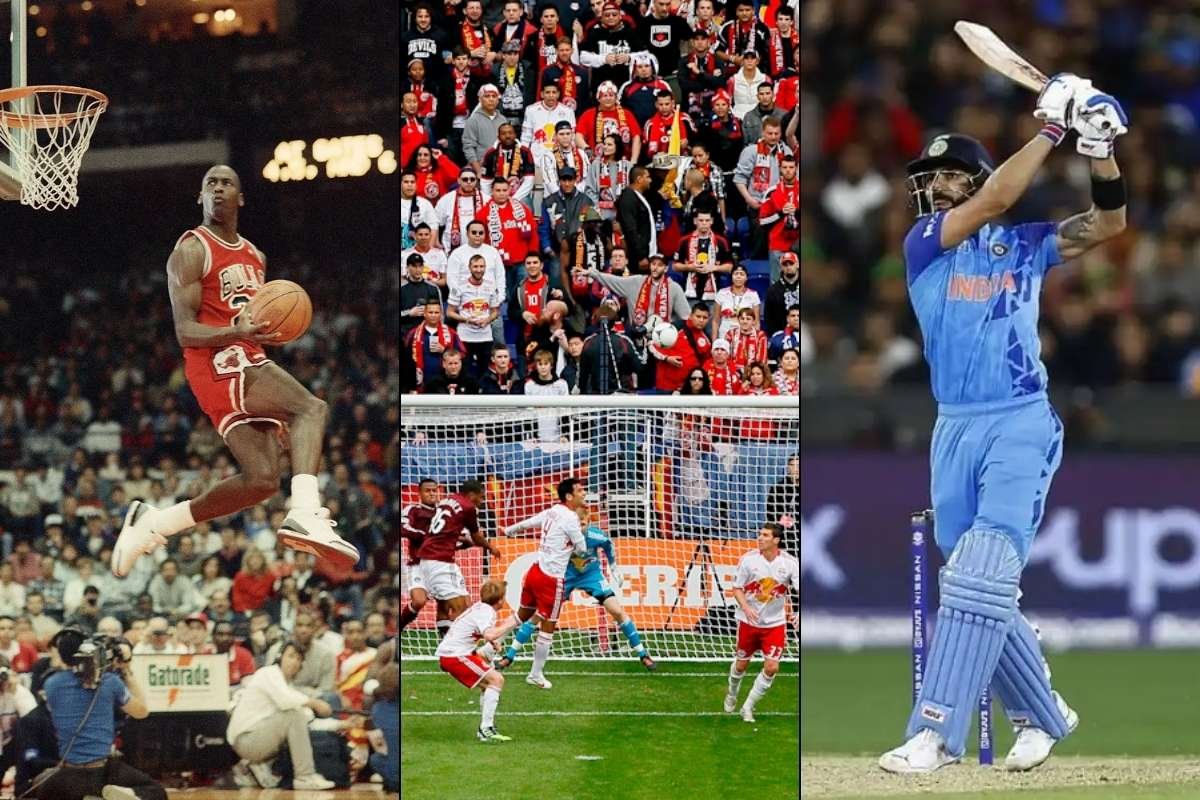
I’ve watched the same game feel completely different depending on where I was standing. In Europe, football conversations start on Monday morning and end late Sunday night. In India, cricket dictates schedules, including weddings and public holidays. In the U.S., basketball dominates culture, language, and what shoes to buy. That contrast is what pushed us to ask the question: what actually makes a sport popular on a global scale?
When we talk about the Most Popular Sports in the World, we often confuse noise with numbers and hype with reach. A sold-out stadium in one country doesn’t equal global dominance. True popularity shows up everywhere, across continents, income levels, age groups, and media platforms. It shows up in participation, not just viewership. It shows up in how often a sport becomes part of daily life.
This ranking exists because we wanted to separate regional obsession from worldwide relevance. Every position here reflects verified 2025 data, but more importantly, it reflects how consistently a sport appears in people’s lives, whether through play, broadcast, or cultural identity. Popularity, in this context, isn’t opinion. It’s repetition at scale.
How We Ranked the Most Popular Sports in the World?
Popularity demands evidence. We evaluated each sport using five strict criteria:
- Global fan base size
- Major event viewership
- Active participation numbers
- Geographic distribution
- Cultural and commercial impact
Sports that thrive on multiple continents rank higher than those confined to one region. Accessibility, youth adoption, and media reach heavily influence placement.
This approach mirrors how global sports bodies and media analysts evaluate influence, including Nielsen Sports and the International Olympic Committee.
Here are the 12 Most Popular Sports in the World, Ranking that Shatters Assumptions
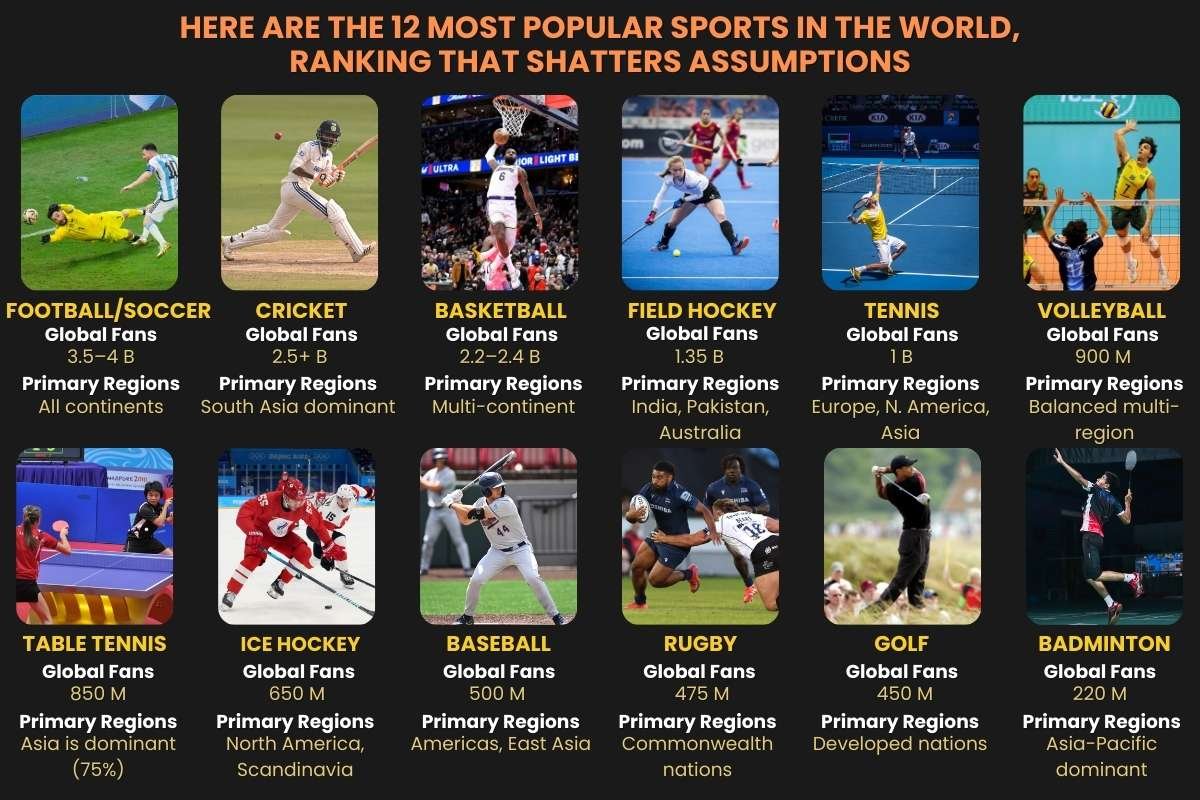
| Rank | Sport | Global Fans | Viewership | Primary Regions |
|---|---|---|---|---|
| 1 | Football/Soccer | 3.5–4 B | 5B (World Cup) | All continents |
| 2 | Cricket | 2.5+ B | 1.25B (2023, World Cup) | South Asia dominant |
| 3 | Basketball | 2.2–2.4 B | 75M in US (NBA Finals, 2025) | Multi-continent |
| 4 | Field Hockey | 1.35 B | 100M+ (Olympics) | India, Pakistan, Australia |
| 5 | Tennis | 1 B | 2B+ (Grand Slams) | Europe, N. America, Asia |
| 6 | Volleyball | 900 M | 1B+ (World Championship) | Balanced multi-region |
| 7 | Table Tennis | 850 M | 200M+ (Olympics) | Asia is dominant (75%) |
| 8 | Ice Hockey | 650 M | 200M+ (Olympics) | North America, Scandinavia |
| 9 | Baseball | 500 M | 100M+ (World Classic) | Americas, East Asia |
| 10 | Rugby | 475 M | 3B+ (World Cup) | Commonwealth nations |
| 11 | Golf | 450 M | 3–5M per event | Developed nations |
| 12 | Badminton | 220 M | 150M+ (Olympics) | Asia-Pacific dominant |
1. Football (Soccer) – The Undisputed Global Giant
- Global Fans: 3.5–4 billion
- World Cup Viewership: 5 billion
- Active Players: 265 million
Football owns the top spot among the Most Popular Sports in the World without debate. FIFA reports organized football activity in over 200 countries, a feat no other sport achieves.
A single ball, minimal equipment, and universal rules drive football’s dominance. UEFA data shows 78% of EMEA sports consumers follow football regularly. The FIFA World Cup ranks as the most-watched sporting event in human history.
Pelé once said, “Football is the only language spoken everywhere.” The data proves him right.
2. Cricket – The Sleeping Giant with Explosive Power
- Global Fans: 2.5+ billion
- 2023 World Cup Viewership: 2.6 billion
- Record Match Viewership: 1.25B (2023, World Cup)
Western media often undervalues cricket, yet it firmly holds second place among the Most Popular Sports in the World.
India alone contributes over 1 billion fans, according to the ICC. South Asia, the UK, Australia, and emerging African markets fuel cricket’s scale. The Indian Premier League stands as the world’s richest league per match value.
Sports economist Dr. Simon Chadwick notes, “Cricket owns the highest concentration of sports consumption anywhere on Earth.”
3. Basketball – The Fastest-Growing Global Sport
- Global Fans: 2.2–2.4 billion
- NBA Finals Viewership: 75 million
- Active Players: 450+ million
Basketball’s rise is powered by explosive youth adoption and unmatched digital engagement across continents.
The NBA’s globalization strategy transformed basketball into a cultural product. China, the Philippines, Europe, and Africa now serve as growth engines. FIBA reports 1+ billion cumulative viewers for its World Cup. These factors secure basketball’s place among the most popular sports in the world, a position defined by reach, relevance, and generational influence.
LeBron James summarizes it best: “Basketball fits any city, any court, any kid.”
4. Field Hockey – Legacy Power in Asia and Oceania

- Global Fans: 1.35 billion
- Olympic Viewership: 100+ million
- Strong Regions: India, Pakistan, Australia
Field hockey’s ranking in this list stems from historic dominance and Olympic prestige. India’s eight Olympic gold medals established the sport as a national symbol across South Asia.
The International Hockey Federation reports sustained youth participation through school programs in Asia and Oceania. Olympic exposure continues to draw over 100 million viewers per cycle.
Indian hockey legend Dhyan Chand once said, “The ball obeys the stick.” Field hockey’s technical mastery remains its defining trait.
5. Tennis – Prestige, Stars, and Global Balance
- Global Fans: 1 billion
- Grand Slam Viewership: 2+ billion annually
- Active Players: 100+ million
Tennis thrives through star-driven storytelling and an unmatched calendar of elite events. Wimbledon alone reaches 600 million viewers annually, while all four Grand Slams together cross two billion in global viewership.
This sustained attention places tennis firmly among the most popular sports in the world, driven by individual branding from legends like Federer, Nadal, Djokovic, and Serena Williams, who elevated the sport into a global spectacle. Tennis operates year-round, maintaining constant engagement across continents.
Roger Federer once said, “You have to believe in the long term.” Tennis proves that longevity and prestige still command global loyalty.
6. Volleyball – The World’s Quiet Participation King
- Global Fans: 900 million
- Active Players: 500+ million
- Olympic Viewership: 500+ million
Volleyball’s inclusion among the Most Popular Sports comes from the participation scale. Schools, beaches, and community courts sustain half a billion players globally.
Olympic volleyball regularly attracts over 500 million viewers. Its gender balance and adaptability contribute to longevity and inclusivity.
Karch Kiraly stated, “Volleyball teaches trust.” The sport’s cooperative nature fuels its global adoption.
Read Next:
- Fans, Fortune & Fervor: Unveiling America’s Most Popular Sports by Numbers and Revenue
- The Most Popular Winter Sports Driving Momentum Toward the Milano Cortina Games
7. Table Tennis – Asia’s Sporting Backbone
- Global Fans: 850 million
- Olympic Viewership: 200+ million
- Participation: 300+ million
Table tennis dominates daily recreation across China, Japan, and South Korea. The Chinese Super League alone commands national-level attention.
Olympic exposure reveals its scale, with 200+ million viewers globally. Minimal equipment and space requirements drive urban participation.
Chinese legend Ma Long said, “Precision defines greatness.” Table tennis rewards discipline and mastery.
8. Ice Hockey – Regional Strength, Fierce Loyalty

- Global Fans: 650 million
- Olympic Viewership: 200+ million
- Core Regions: North America, Scandinavia, Russia
Ice hockey commands exceptional regional devotion, with Canada alone reporting it as the country’s most-watched and most-played sport. Olympic tournaments regularly exceed 200 million viewers, reflecting intense loyalty rather than broad geographic spread.
While climate limits global reach, ice hockey delivers some of the highest per-capita fan engagement in modern sport, securing its place among the most popular sports in the world.
Wayne Gretzky famously said, “You miss 100% of the shots you don’t take.” Ice hockey embodies relentless intensity.
9. Baseball – Cultural Stronghold with Limited Reach
- Global Fans: 500 million
- World Baseball Classic: 100+ million viewers
- Core Regions: USA, Japan, Latin America
Baseball earns its position through deep-rooted cultural identity. Japan’s Nippon Professional Baseball rivals MLB in attendance and television ratings.
Infrastructure demands limit expansion, but regional loyalty remains unmatched. The sport thrives where tradition and ritual matter.
Yogi Berra once joked, “Baseball is 90% mental.” That mental chess defines its appeal.
10. Rugby – Passion over Volume
- Global Fans: 475 million
- Rugby World Cup Viewership: 3+ billion cumulative
- Core Nations: UK, Australia, New Zealand, South Africa
Rugby’s presence in this list reflects fan intensity. World Cup tournaments draw massive cumulative audiences despite smaller annual numbers.
Japan’s rise since 2019 signals expansion potential. Rugby fans demonstrate some of the highest engagement rates in global sport.
Jonah Lomu said, “Rugby gives you lessons for life.” Physicality and respect define the game.
11. Golf – Prestige with Barriers
- Global Fans: 450 million
- Major Event Viewership: 3–5 million per event
- Active Players: 55+ million
Golf remains influential due to its heritage and elite appeal. Major championships drive consistent but limited audiences.
Cost, time, and land restrict participation. Youth adoption trails faster, urban sports.
Tiger Woods noted, “Success comes from patience.” Golf rewards longevity, not speed.
12. Badminton – Asia’s Precision Sport
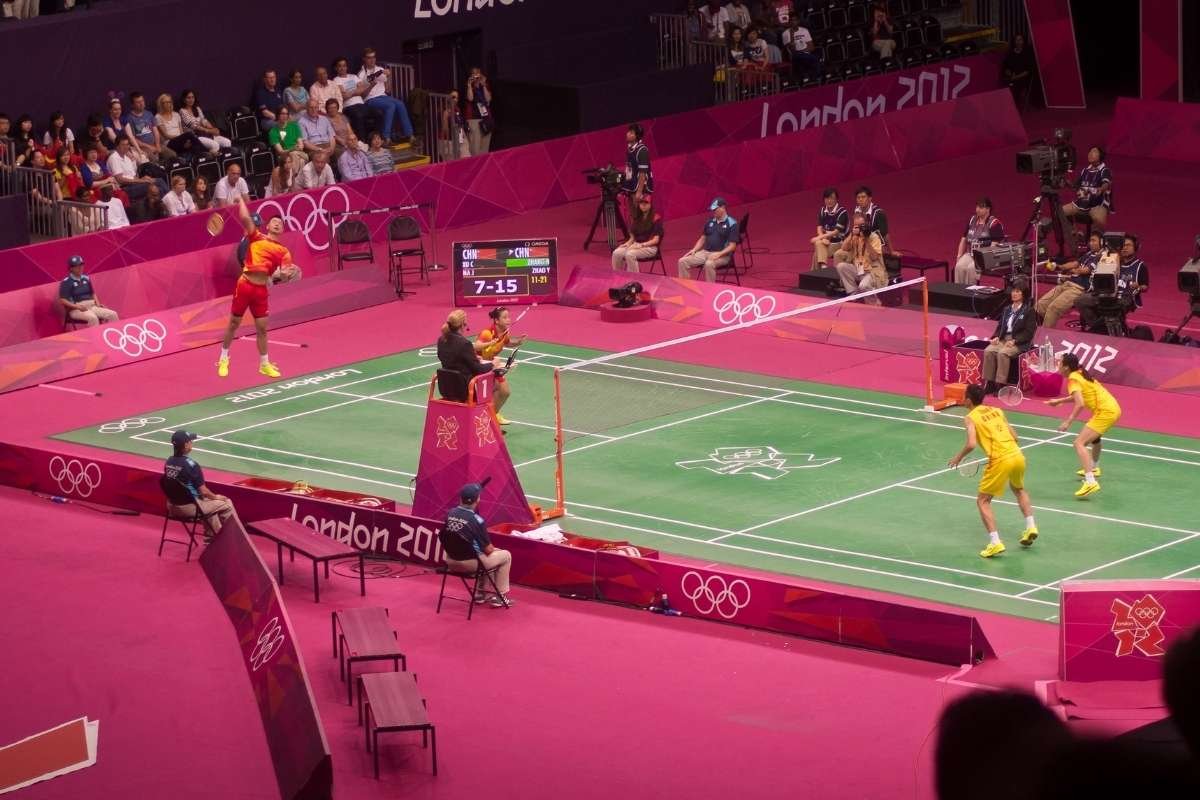
- Global Fans: 220 million
- Olympic Viewership: 150+ million
- Strong Regions: India, China, Indonesia
Badminton closes the Most Popular Sports in the World ranking through concentrated dominance. India, Indonesia, and China fuel massive domestic audiences.
Fast rallies and low equipment costs drive grassroots growth. Olympic inclusion continues to elevate visibility.
Lin Dan said, “Speed decides everything.” Badminton proves that precision and pace build global relevance.
Key Insights from the Global Ranking:
- Football remains the only truly universal sport
- Cricket delivers unmatched single-match viewership
- Basketball has the strongest future growth curve
- Accessibility drives participation and popularity
- Geographic concentration limits global dominance
In practice, scale often follows simplicity, reach follows culture, and longevity depends on youth adoption.
Read Next:
- Top 10 Biggest Sporting Events In The World
- Top 20 Wealthiest Athletes in the World: How Sports Icons Built Billion-dollar Fortunes
Conclusion
After breaking down the Most Popular Sports in the World, the pattern becomes impossible to ignore. The sports that rise to the top do not rely on spectacle alone—they rely on presence. They appear in schools, neighborhoods, screens, and conversations across multiple regions at the same time.
Football dominates because it travels effortlessly. Cricket thrives because population density turns viewership into a force. Basketball keeps climbing because younger audiences carry it forward digitally and culturally. Each sport on this list proves that popularity is not about being loud—it’s about being everywhere.
I started this ranking to understand scale, but the conclusion is simpler than expected. Sports become globally popular when people don’t need an introduction to care about them. They already do. And in a world increasingly divided by language, politics, and borders, the sports that survive are the ones that still give millions of people a shared reference point.
That is what true popularity looks like: measured, lived, and sustained.