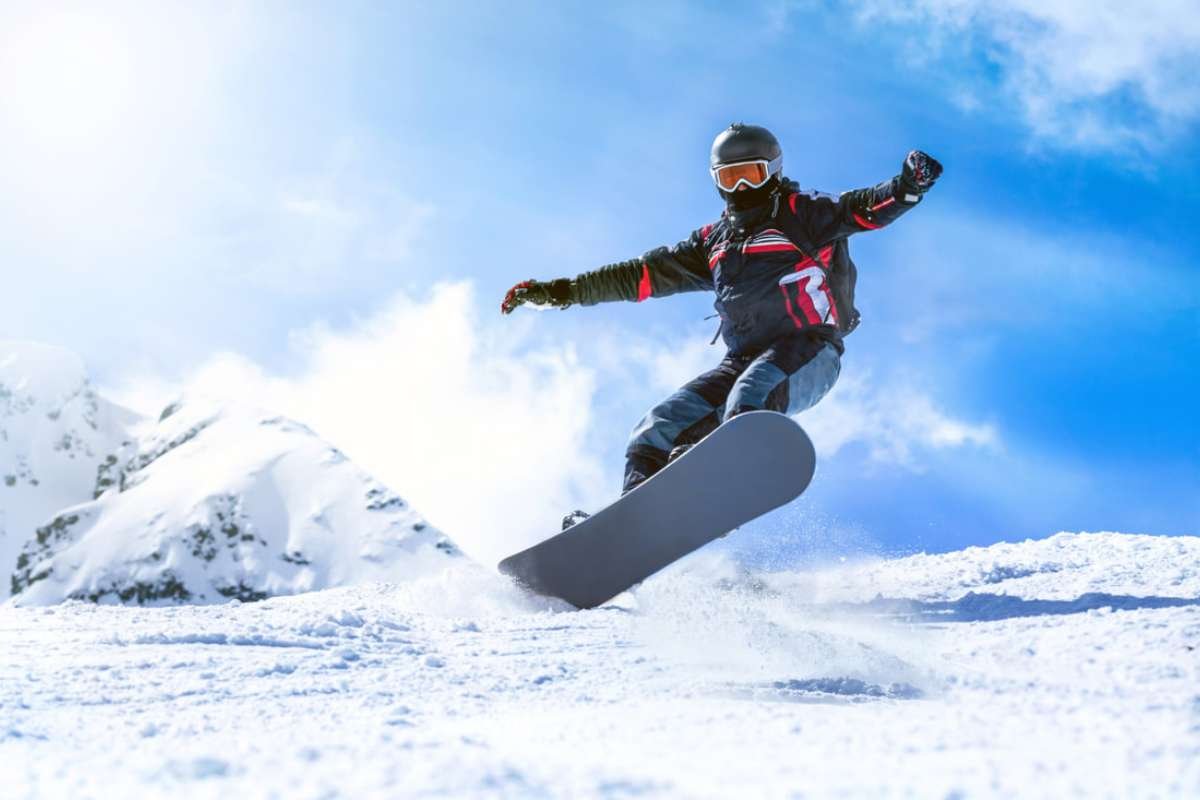
The 2025 winter season serves as the final big rehearsal before the world turns its eyes to the games in Milano Cortina. This buildup puts a fresh spotlight on the Most Popular Winter Sports, engaging fans right now. We see athletes pushing harder and records breaking as everyone prepares for the main event next year. Every race and match now carries extra weight as competitors fight for momentum heading into the major Olympic cycle.
This year also marks a notable shift in how we experience the cold. It is no longer just about sitting on the couch to watch professionals race. Better technology and greener resorts are helping the Most Popular Winter Sports reach more people who want to participate personally. You can find folks of all ages heading to the mountains or local rinks to get active instead of staying indoors. The gear is safer, and the locations are more accessible for regular people.
In this article, we have compiled a comprehensive list that encompasses the full spectrum of snow and ice activities. We will look at the top 15 winter sports of 2025 to help you decide which one to follow or play next.
The Most Popular Winter Sports: What the World Is Watching Right Now
The “Big Three”: Global Classics
These three classics dominate TV screens and ticket sales globally. They represent the gold standard when discussing the most popular winter sports due to their massive following and deep history.
1. Alpine skiing
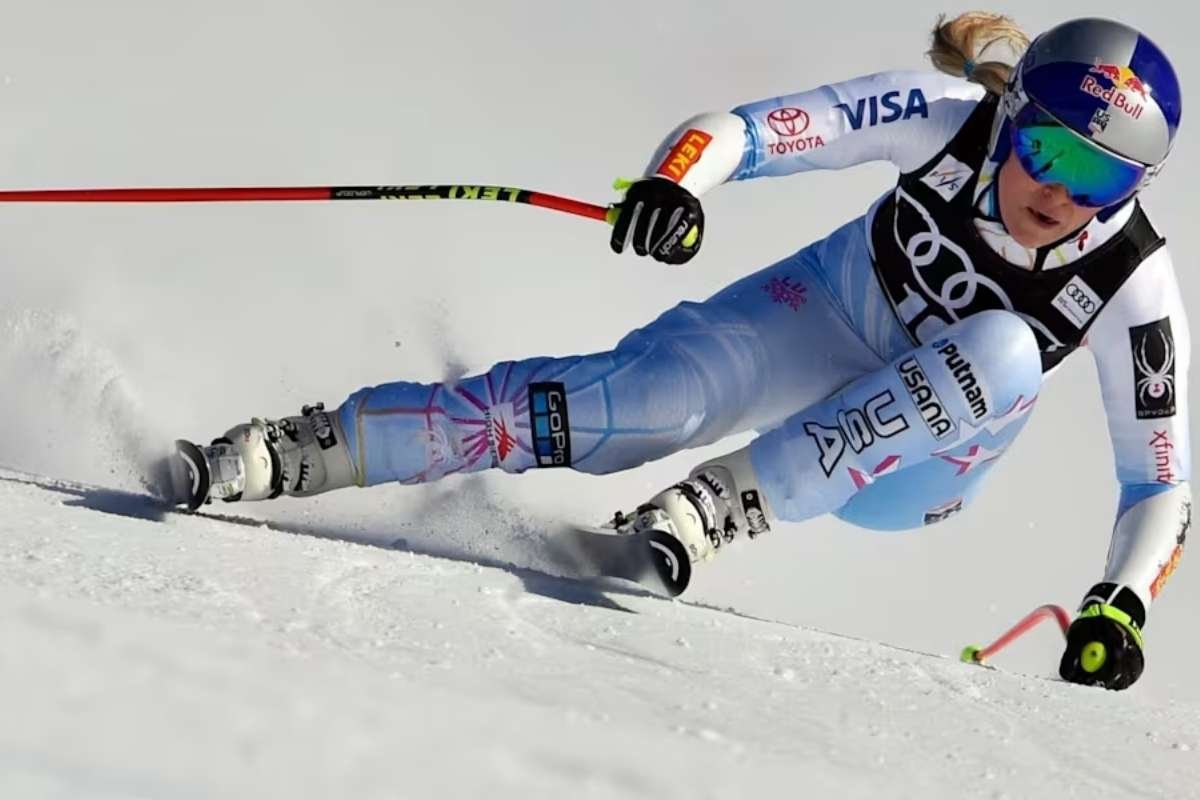
Alpine skiing originated from mountain life in the Alps, where people began using shorter skis and stronger bindings to travel downhill more easily in the late nineteenth and early twentieth centuries. As lifts were built and early races started, the sport transitioned from a means of transport to an organized sport, eventually joining the Olympic program in the 1930s. Today, it is built around timed runs in events such as downhill, super-G, giant slalom, slalom, and combined, with racers weaving through gates and incurring penalties or disqualification if they miss one.
Technique is all about edge grip, weight transfer, and clean carved turns, supported by stiff boots, shaped skis, and aerodynamic suits. Alpine skiing consistently ranks among the most popular winter sports, thanks to its high participation numbers and substantial following in World Cup and championship events.
2. Ice hockey
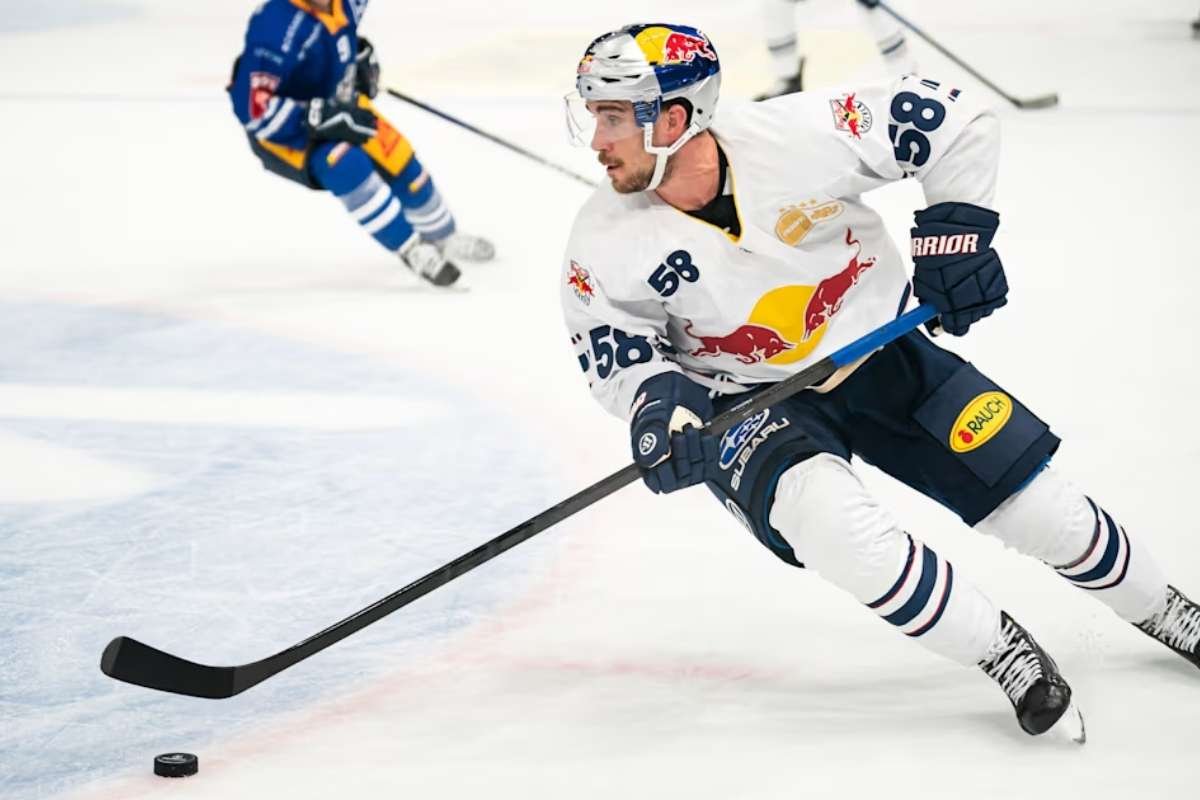
Ice hockey took shape in Canada in the late nineteenth century, combining Indigenous stick-and-ball games with European hockey ideas before moving indoors onto prepared rinks. The modern game uses six players per side, a hard rubber puck, and clear rules on offside, icing, and penalties for actions such as tripping or checking from behind. Teams build attacks with quick passing, forechecking pressure, and traffic in front of the net, while goaltenders rely on angles, positioning, and sharp reflexes to stop high-speed shots.
Tactics change with the situation, with power plays focusing on puck movement and penalty kills on blocking lanes and clearing the zone. For many fans, when they think of the most popular winter sports, hockey is the first team sport that comes to mind, thanks to the NHL, world championships, and a strong push for women’s professional leagues in 2025.
3. Figure skating
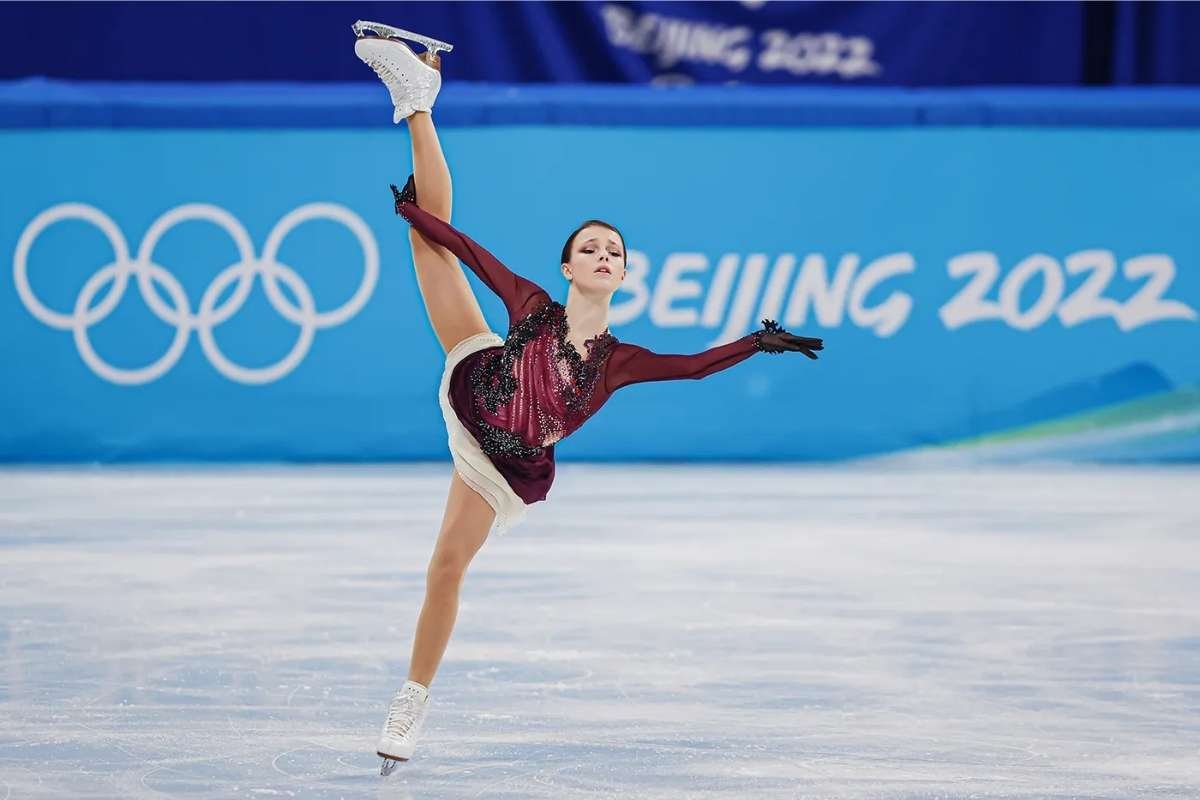
Figure skating originated on frozen rivers and ponds in nineteenth-century Europe, where skaters initially focused on tracing intricate figures on the ice before the sport evolved into more athletic free skating. It entered the Olympic programme early in the twentieth century and is now a key part of every Winter Games, with singles, pairs, and ice dance events.
Under the current ISU scoring system, each program earns points for technical elements such as jumps, spins, and step sequences, as well as separate marks for skating skills, choreography, and musical interpretation. Skaters train to hold deep edges, control take-off positions, multi-rotation jumps, and stay centered during fast spins, all while keeping time with the music. In 2025, Grand Prix events, national championships, and the world championships draw intense arena crowds and steady streaming audiences, boosted by short clips that travel quickly on social platforms.

The Boarders & Freestylers: Style Over Speed
This group of the most popular winter sports cares less about the stopwatch and more about creativity, amplitude, and personal expression. They have a strong connection to youth culture and action sports.
4. Snowboarding
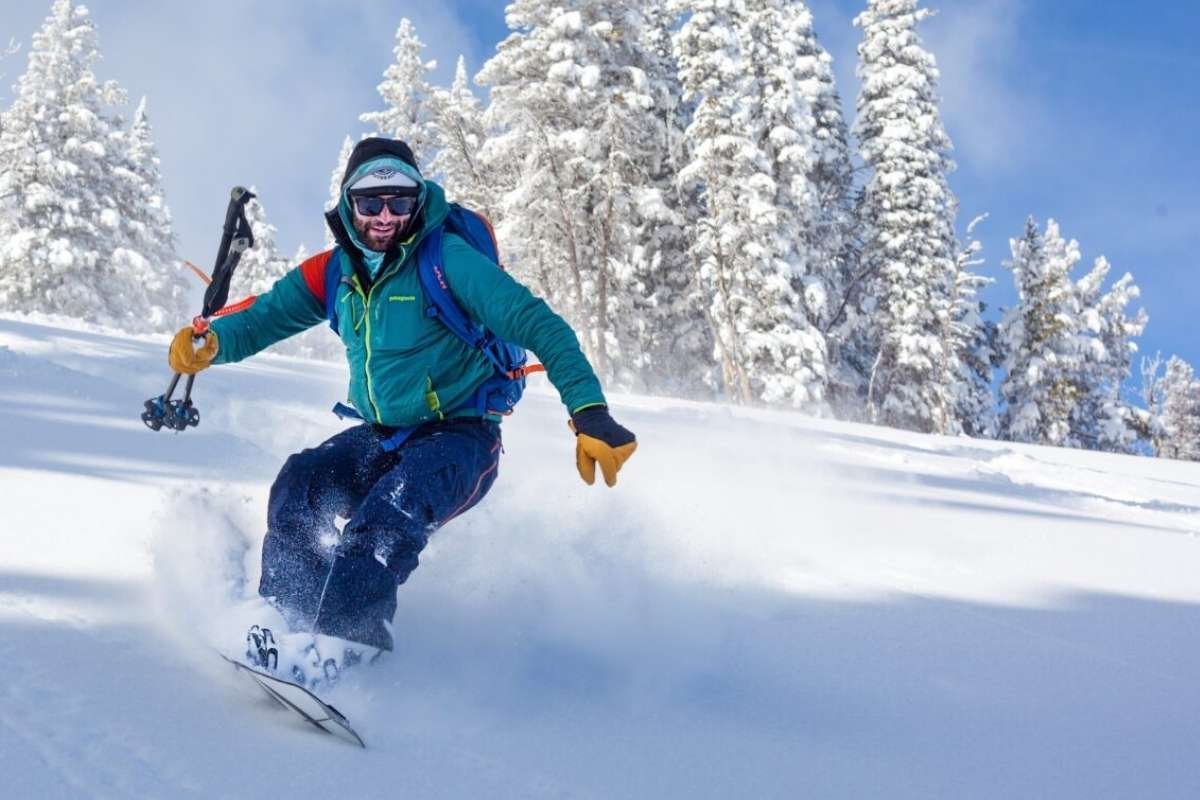
Snowboarding originated in the 1960s when an engineer in Michigan attached two skis as a toy for his daughters. The “snurfer,” as it was called, mixed ideas from surfing and skateboarding and took hold with a new generation of riders. After decades of fighting for access, it finally became an Olympic sport in 1998 and has since split into several key styles.
Alpine snowboarding uses stiff boots and boards for high-speed carving, while freestyle focuses on tricks in the halfpipe or on park features. In 2025, snowboarding’s influence is evident, with its laid-back culture and constant progression making it a winter staple for millions. Recent FIS audience data shows that snowboard World Cup coverage contributes hundreds of millions of views to the overall winter broadcast total each season.
5. Freestyle Skiing
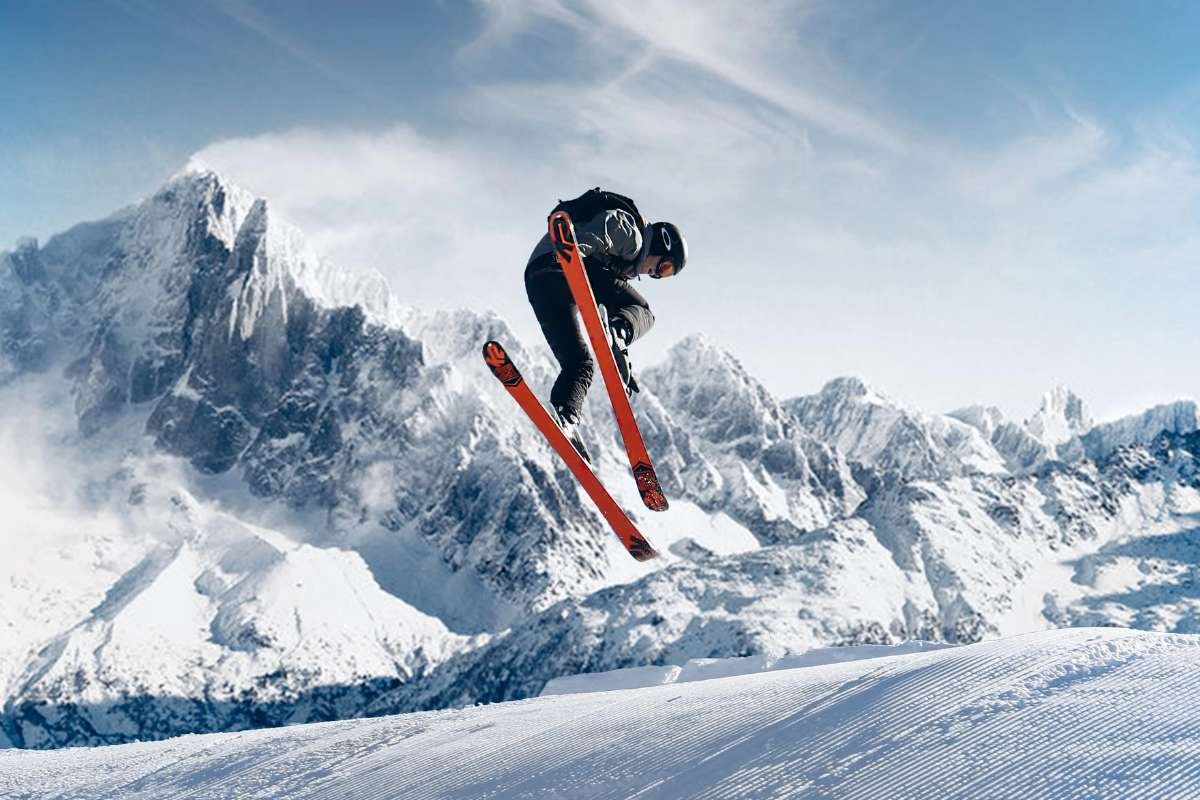
Freestyle skiing emerged in the 1960s and 70s as skiers began to experiment with tricks, jumps, and balletic movements, breaking from the rigid traditions of alpine racing. This expressive form of skiing eventually became an official Olympic discipline, encompassing several distinct events. In moguls, skiers navigate a steep course of large bumps, performing two jumps while maintaining speed and clean turns. Aerials involves launching off a steep jump to perform complex flips and twists, much like gymnastics. Ski cross pits four racers against each other on a course of banks, rollers, and jumps. Each event requires a unique blend of technical skill, acrobatics, and courage.
6. Slopestyle (Ski & Snowboard)
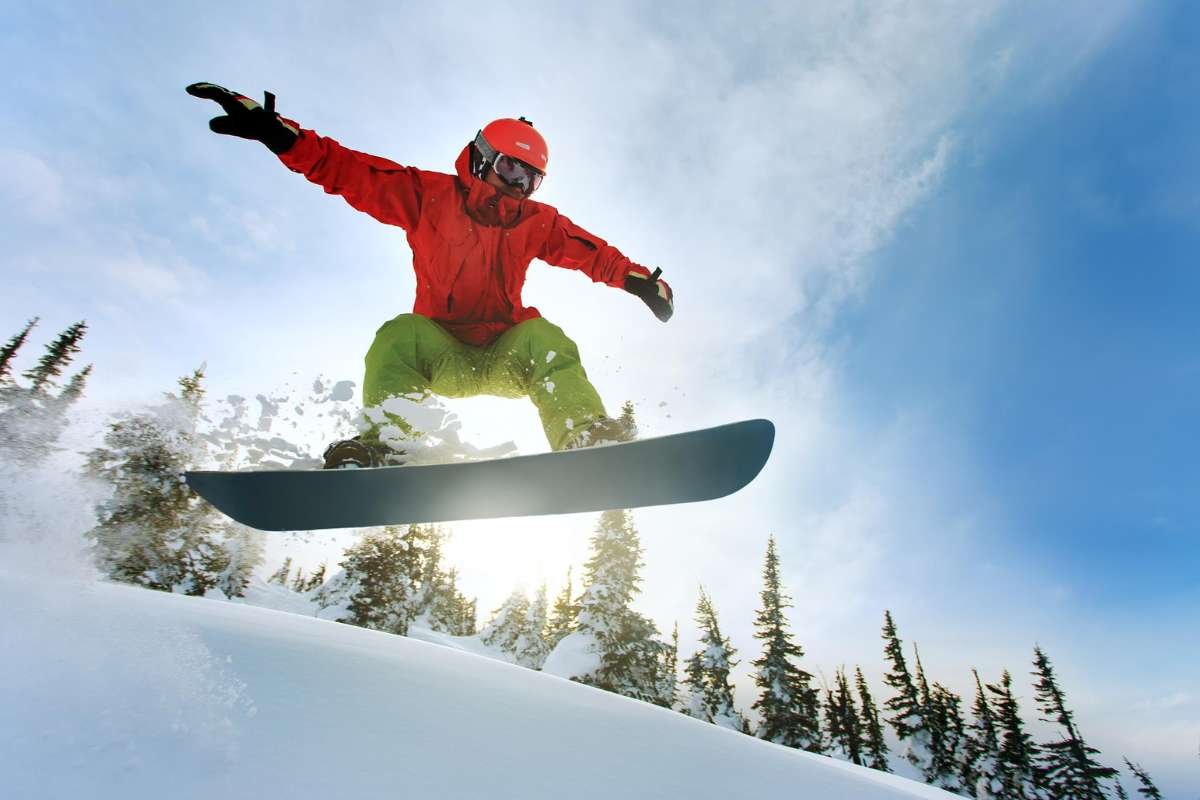
Slopestyle is arguably the most creative competition in snow sports. Athletes ride down a course made of jumps and “jib” features like rails and boxes, to link a series of complicated tricks together into one clean run. There is no set line, so riders must choose a path that best showcases their skills and personal style. Judges score runs based on difficulty, amplitude (how big they go), execution, and variety. Unlike racing, originality is just as important as technical perfection. Its inclusion in major events like the X Games and the Olympics has made stars out of athletes who are constantly pushing the boundaries of what is possible on skis and snowboards.

The Endurance Tests: Cardio in the Cold
These sports demand stamina and mental toughness. They test lungs and legs over long distances or rugged terrain, appealing to fitness fans who want real workouts on snow.
7. Biathlon
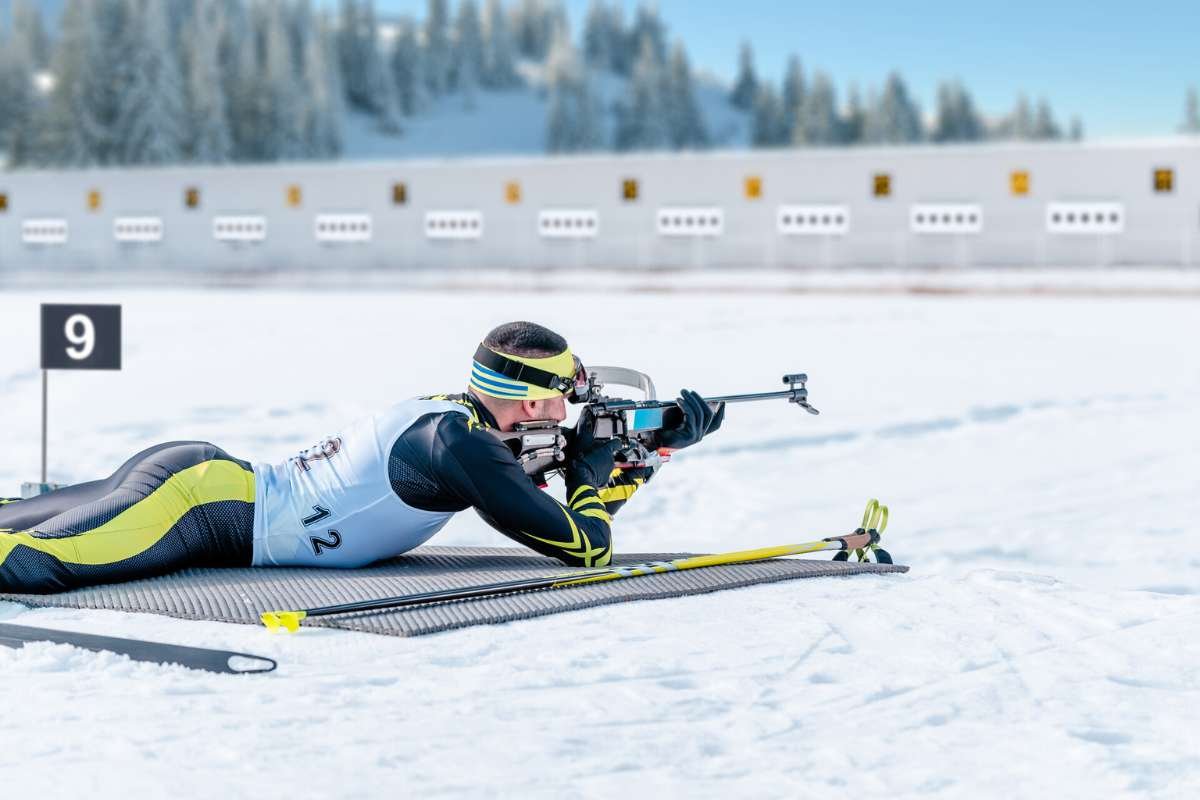
Biathlon combines cross-country skiing with rifle shooting, creating a unique test of endurance and precision. It started in Scandinavia as military training in the 18th century, evolving into a competitive sport by the 1950s with World Championships and Olympic inclusion in 1960. Races range from 10 to 20 kilometers, where athletes ski loops and stop at ranges to shoot prone or standing at five targets each; missing shots results in penalty time or additional loops. Heart rates stay high around 180 beats per minute during ski sections, requiring steady breathing to hit small targets. Rifles weigh about 3.5 kilograms with .22 caliber rounds. Biathlon draws massive European TV audiences during World Cups and stands out for its dramatic tension.
8. Cross-Country Skiing

Cross-country skiing utilizes gliding techniques over flat or rolling terrain, a practice dating back thousands of years in Nordic countries for travel and hunting. Modern racing began in the 19th century with organized events, and it has become a Winter Olympic staple since 1924, featuring individual sprint, distance, and relay formats. Classic style utilizes parallel tracks with kick wax for grip, whereas skate skiing involves side-to-side pushes on groomed snow.
Poles provide 80 percent of propulsion, with techniques like double poling and diagonal stride burning up to 1,200 calories per hour. Light boots and flexible skis allow efficient strides over 10 to 50-kilometer races. As one of the most popular winter sports for personal fitness, it is experiencing a boom in participation in 2025, thanks to its low costs and trail networks located near cities.
9. Ski Mountaineering (Skimo)
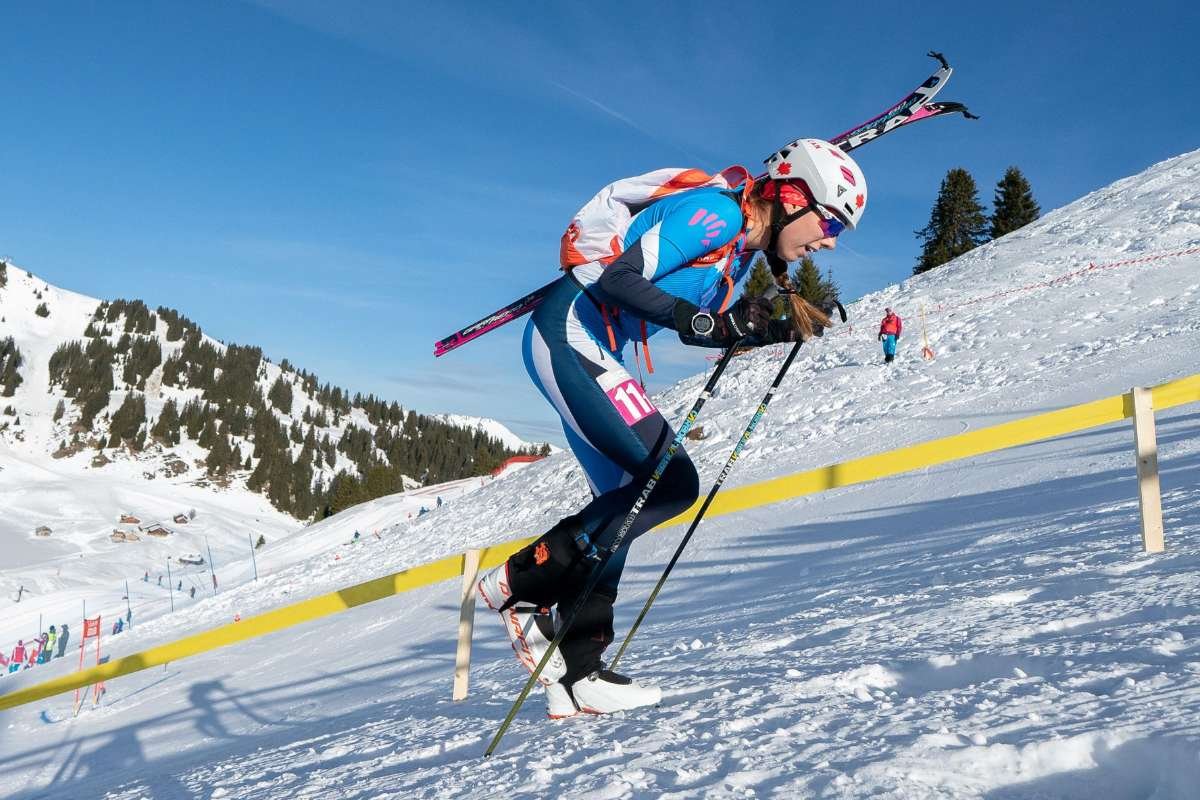
Ski mountaineering involves climbing steep mountains on skins, then descending on skis, and has gained traction as a competitive sport in Europe since the 1980s. It debuts at the Milano Cortina Olympics in 2026, following growth from the World Cup, with races featuring multiple ascents and descents of up to 4,000 meters in vertical elevation. Athletes use sticky skins under their skis for uphill travel, lightweight boots, and removable crampons for icy sections, allowing for quick transitions at boot packs. Piolet axes assist technical climbs, and descents require control at high speeds. Ski mountaineering earns a spot among the most popular winter sports in 2025 due to its extreme challenge and upcoming Olympic spotlight, drawing adventure seekers worldwide.

The “Ice Track” Speedsters: Gravity vs. Guts
These gravity-powered races take place on icy tracks at breakneck speeds. Spectators love the raw danger and precision required to handle high G-forces around sharp curves.
10. Bobsleigh
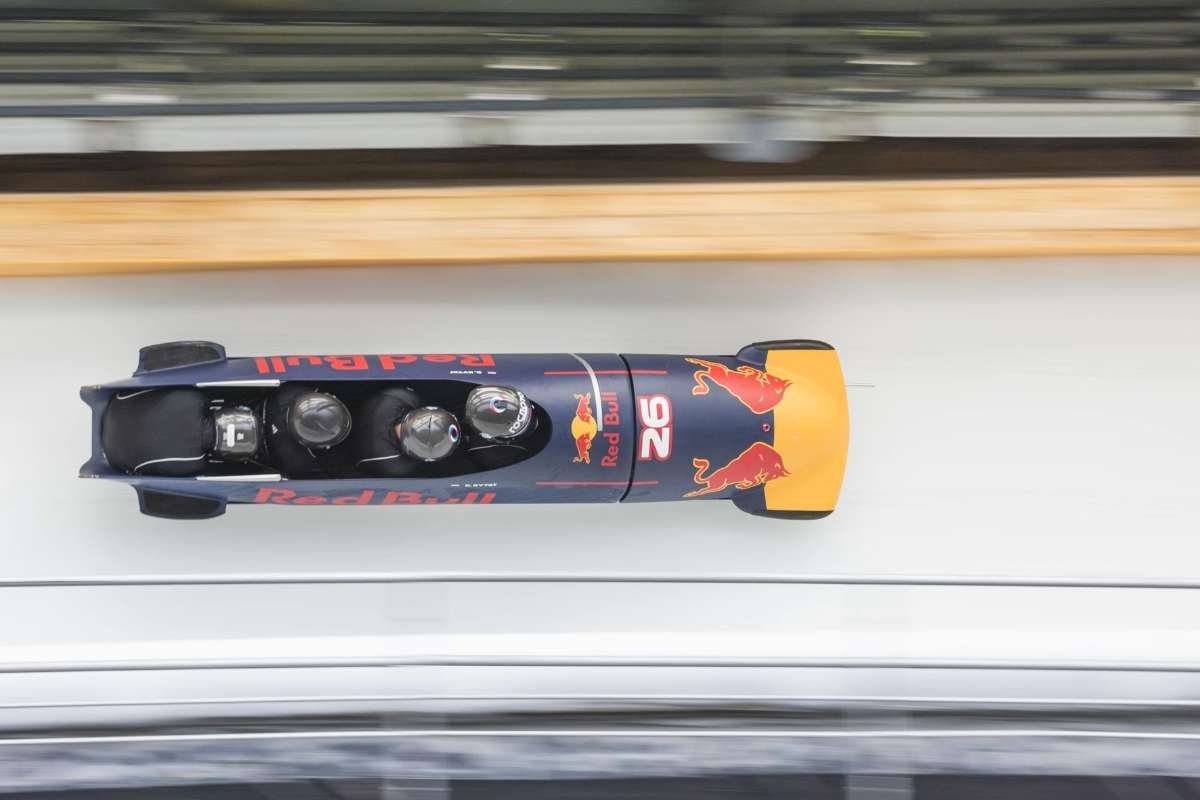
Bobsleigh originated among wealthy Europeans in the late 19th century, who raced skeleton-like sleds down the roads of St. Moritz before purpose-built tracks were introduced. It became an Olympic sport in 1924, with two- and four-person teams taking four runs for total time on 1,500-meter courses, reaching speeds of up to 150 km/h. Crews push the sled to start, then the driver steers with ropes while the brakeman controls the stop, shifting the weight through 15-19 turns.
Sleds weigh 210-390 kg with carbon-fiber shells and steel runners. Tactics focus on achieving perfect starts, making smooth line choices, and optimizing braking timing to achieve optimal performance. Bobsleigh pulls intense crowds during World Cup seasons and ranks high among the most popular winter sports for its team intensity ahead of Milano Cortina.
11. Skeleton
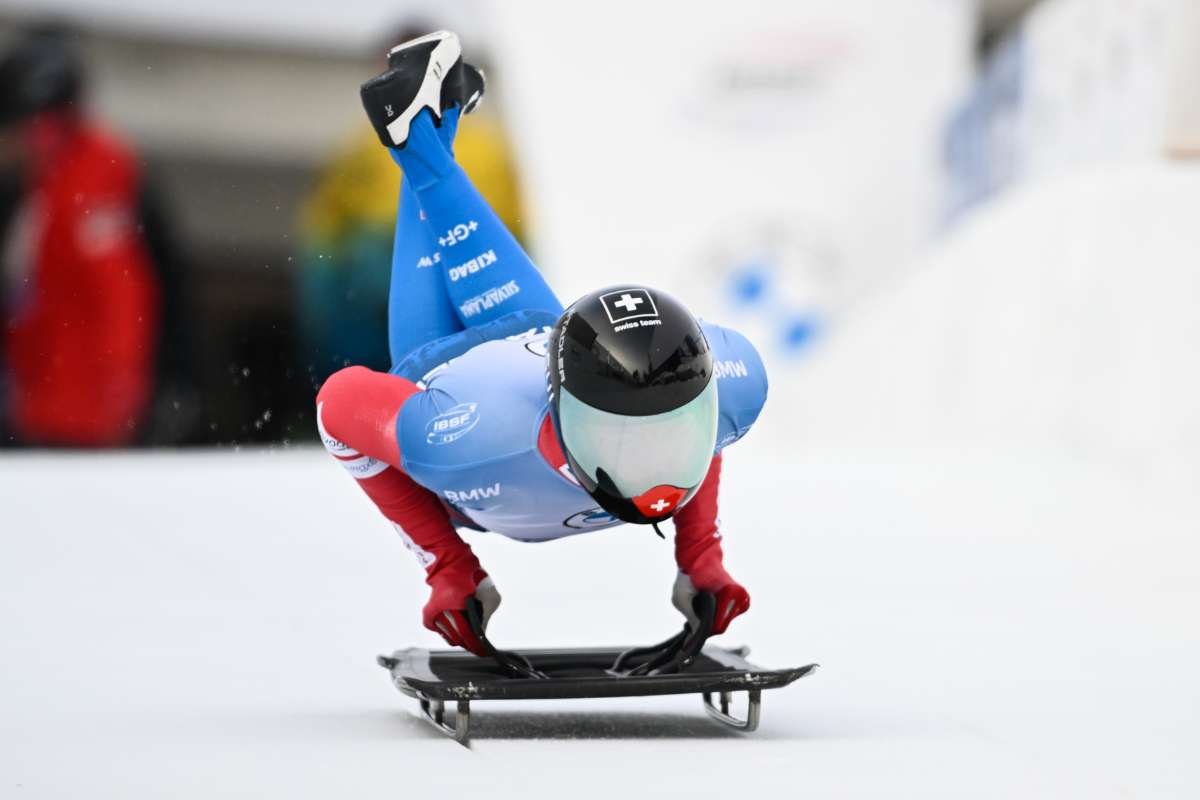
Skeleton began in the 1880s at St. Moritz with “bones” sleds, entering the Olympics in 1928 before a hiatus and return in 2002 for both men and women. Riders hurtle headfirst down 1,200-meter tracks on 43 kg sleds, hitting 130 km/h, steering by shoulder nudges and subtle weight shifts. Four runs determine winners, with helmets, spiked gloves, and skin suits required for safety. Technique demands a tight aerodynamic tuck and precise curve entries. The sport’s niche thrill is expected to grow in 2025, driven by women’s parity and the appeal of extreme sports.
12. Luge

Luge traces its roots to 16th-century Europe, but modern racing solidified in the 1960s with the introduction of fiberglass sleds and its Olympic debut in 1964 for singles, doubles, and women. Athletes lie feet-first on 23-30 kg sleds, reaching 140 km/h on 1,000-1,300 meter tracks with 10-13 turns. Steering uses calf and shoulder pressure against flexible runners, judged by clean lines and start power from 45-meter pushes. Four runs count for medal times. Luge delivers constant tension through high-speed corners and earns its place among the most popular winter sports via national rivalries and Olympic drama.
13. Speed Skating (Short & Long Track)
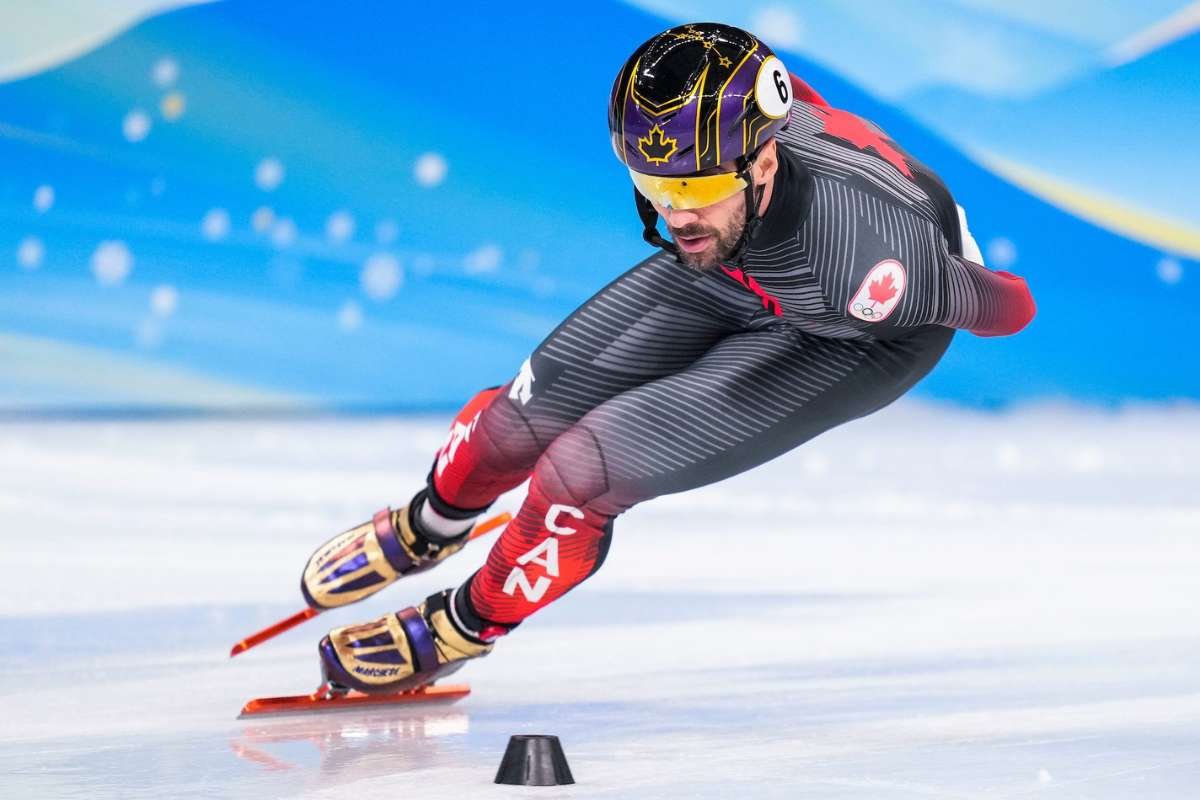
Long track speed skating dates back to the 19th century in the Netherlands, where it was practiced on canals. Short track, on the other hand, emerged in North America for indoor fitness. Long track uses 400-meter ovals with mass starts or pursuits of up to 10,000 meters, where skaters glide low on clap skates with one racing edge. Short track races 500-1,500 meters on 111-meter ovals with four skaters battling position through packs and crossovers. Protective gear includes neck guards and shin pads. Both formats pack arenas during World Cups and keep speed skating competitive through tactical battles and crashes.

The Accessible & Niche Favorites
These sports offer broad appeal through strategy, low barriers to entry, or pure enjoyment. They attract both casual players and dedicated fans without requiring elite fitness or expensive gear.
14. Curling
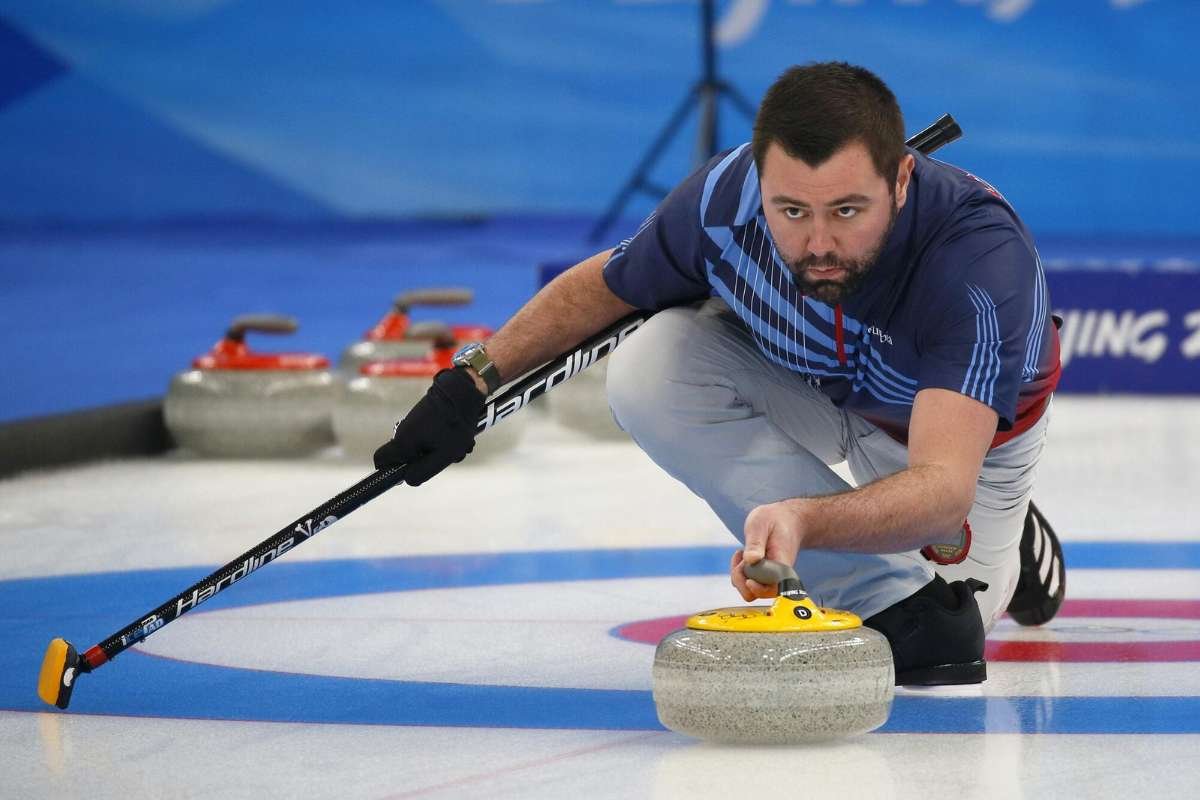
Curling originated in 16th-century Scotland on frozen ponds, using river stones before granite rocks became the standard. The game was standardized by the 19th century, with the introduction of indoor rinks. Teams of four slide 42-pound stones toward a target house, sweeping ice ahead to control curl and distance over 10 ends. The skip directs shots from behind the house, calling for draws, guards, or takeouts based on board position.
Brooms polish the pebble ice for faster travel, and stones measure 91 cm across, with handles for a secure grip. Olympic since 1998, with mixed doubles added later, curling attracts 1.5 million players through recreational leagues, making it a welcoming sport for all ages. Fans often call it chess on ice, giving curling a steady spot in the rankings of the most popular winter sports due to its thoughtful pace.
15. Snowshoeing

Snowshoeing goes back thousands of years, with Indigenous peoples using wood frames and leather webbing to walk over deep snow for hunting and travel. Modern aluminum and plastic models with crampon bindings make it easy for recreation, with trails groomed at resorts or marked in national parks. Participants strap on shoes over their boots and hike at their own pace, burning calories through steady uphill efforts and enjoying the quiet nature views.
No special skills are required beyond basic balance, although poles can be helpful on steep sections. In 2025, snowshoeing is a beginner-friendly option among the most popular winter sports, with group races and fitness classes filling weekends near urban areas. Its simplicity draws families seeking active cold-weather outings without complex lessons.
“Green” Winter Trends
Sustainability efforts are changing how resorts and athletes approach the snow. Climate concerns push the industry toward renewable energy and reduced waste across all levels of participation.
Resorts now utilize solar-powered lifts and recycled water for snowmaking, reducing energy use by up to 40 percent in regions such as the Alps and Rockies. Gear brands produce boards and skis from plant-based materials or recycled ocean plastic, while rental programs help keep equipment circulating for longer. Athletes track carbon footprints during travel to competitions, with events like World Cups offering electric shuttles and zero-waste zones.
These steps make the most popular winter sports more responsible without sacrificing performance. Green certifications help resorts attract eco-conscious families, boosting participation numbers. Expect Milano Cortina to highlight sustainable venues, setting the standard for future seasons.
Conclusion
Winter 2025 feels like a turning point for snow and ice sports. Established favourites such as alpine skiing, ice hockey, and figure skating continue to lead TV ratings, while newer disciplines like slopestyle and ski mountaineering keep the scene fresh for younger fans and thrill-seekers. Together, they demonstrate how the most popular winter sports now strike a balance between tradition and progression, from classic downhill races to creative park runs and long-distance endurance events.
For everyday people, there is now a clear path into nearly every activity on this list. Resorts offer beginner programs, rental gear, and safer facilities, while cities develop rinks, trails, and leagues that make participation easier than before. Whether someone wants a gentle snowshoe walk, a strategy session on the curling sheet, or the rush of a snowboard park, there is a way to get involved at almost any age or fitness level.

FAQs
Q1. What is the most popular winter sport?
A. Globally, ice hockey and alpine skiing are often viewed as the leading winter sports in terms of combined viewership, participation, and commercial reach. Ice hockey dominates team competition through major leagues and international tournaments, while alpine skiing anchors the major winter tours and Olympic schedules.
Q2. What are the top 5 most popular sports in the world?
A. Across all seasons and surfaces, football (soccer) clearly leads global rankings, followed by high followings for cricket, basketball, and tennis. When specifically examining winter, ice hockey and alpine skiing often join these conversations, supported by figure skating and snowboarding during Olympic cycles and significant events.
Q3. How many sports are there in the winter?
A. The Winter Olympics currently feature a set of core sports that are split into multiple disciplines and events, covering activities on snow, ice, and combined formats. Beyond the official program, there are dozens of recreational winter activities, from classic cross-country skiing and sledding to newer options like snow biking and fat-tire cycling on groomed tracks.
Q4. What is the easiest winter sport for beginners?
A. Snowshoeing is usually considered the most beginner-friendly option because it uses natural walking movement, needs minimal Technique, and can be done on gentle terrain. Curling is another approachable choice since it focuses more on strategy and coordination than speed or impact, making it suitable for mixed-age groups and social leagues.
Q5. Which winter sport burns the most calories?
A. Cross-country skiing is often cited as one of the best calorie-burning winter activities because it engages both the upper and lower body over extended periods. Ski mountaineering and biathlon can also require a high energy output, especially during long climbs, but cross-country skiing remains the most accessible endurance option for everyday fitness.