What makes a business leader truly successful? Is it money, market power, new ideas, or the ability to build a company that lasts?
The most successful businessmen in 2026 cannot be judged by wealth alone. This list looks at scale, leadership, innovation, staying power, and impact. Net worth is one part of the picture.
Who Are the Most Successful Businessmen in 2026?
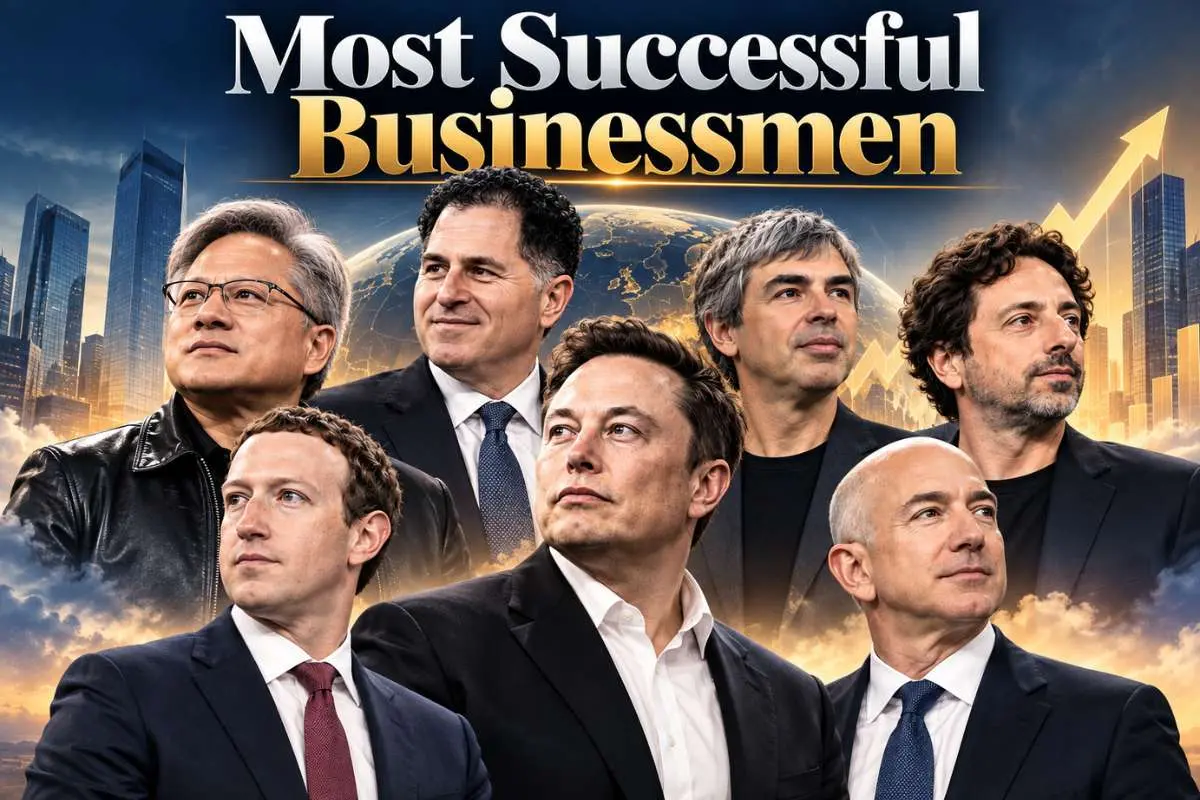
Here are leaders worth watching in 2026. This is not a strict wealth ranking. It is a business-focused list built around scale, influence, leadership, and lasting value. The most prosperous businessmen are not always the richest names.
| Sr. No. | Leader | Main company | Current role | Approx. net worth |
| 1 | Elon Musk | Tesla, SpaceX | CEO / founder | $907B |
| 2 | Jeff Bezos | Amazon | Founder, executive chair | $366B |
| 3 | Jensen Huang | NVIDIA | Founder, CEO | $198B |
| 4 | Mark Zuckerberg | Meta | Founder, CEO | $245B |
| 5 | Larry Page | Alphabet | Co-founder, board member | $281B |
| 6 | Michael Dell | Dell Technologies | Founder, CEO | $267B |
| 7 | Sergey Brin | Alphabet | Co-founder, board member | $259B |
| 8 | Larry Ellison | Oracle | Chairman, CTO | $176B |
| 9 | Warren Buffett | Berkshire Hathaway | Chairman emeritus | $143B |
| 10 | Bernard Arnault | LVMH | Chairman, CEO | $123B |
| 11 | Bill Gates | Microsoft | Cofounder | $115B |
| 12 | Carlos Slim | América Móvil | Honorary chairman | $117B |
| 13 | Michael Bloomberg | Bloomberg LP | Cofounder | $95B |
| 14 | Mukesh Ambani | Reliance Industries | Chairman, MD | $82B |
| 15 | Satya Nadella | Microsoft | Chairman, CEO | $1.4B |
| 16 | Steve Ballmer | Los Angeles Clippers | Owner | $126B |
| 17 | Zhang Yiming | ByteDance | Co-founder | $69.3B |
| 18 | Ma Huateng (Pony Ma) | Tencent | Chairman & CEO | $53.8B |
| 19 | Gautam Adani | Adani Group | Founder & Chairman | $63.8B |
| 20 | Masayoshi Son | SoftBank Group | Chairman & CEO | $51.5B |
Forbes’ real-time figures are market-based snapshots. On September 29, 2026, Forbes listed Musk at about $907 billion, Bezos at $366 billion, and Page at $281 billion. Mukesh Ambani was at about $81.6 billion, while Satya Nadella was at about $1.4 billion.
1. Elon Musk
Musk leads Tesla and SpaceX, with businesses across electric cars, rockets, satellite internet, and AI. SpaceX became a major part of his business empire in 2026. Tesla continues to operate at global scale, while SpaceX has expanded its role in launch services and satellite connectivity. Elon Musk businesses show how one entrepreneur can build across several high-growth industries at the same time.
Key business lesson: Think long term, but keep moving.
2. Jeff Bezos
Bezos built Amazon from an online bookstore into a global retail and cloud company. He is now executive chair rather than CEO. Amazon’s growth came from expanding far beyond books into logistics, digital services, advertising, and Amazon Web Services. Bezos also shows how a company can keep entering new markets while staying focused on customer needs.
Key business lesson: Start with the customer and build systems that scale.
3. Jensen Huang
Huang co-founded NVIDIA and helped turn it from a graphics-chip maker into a key force in AI computing. NVIDIA reported fiscal 2026 revenue of $215.9 billion, up 65% from the prior year. NVIDIA’s chips now support data centers, AI models, gaming, and high-performance computing. Huang’s long-term focus on accelerated computing helped position the company for the AI boom.
Key business lesson: Strong core technology can open new markets.
4. Mark Zuckerberg
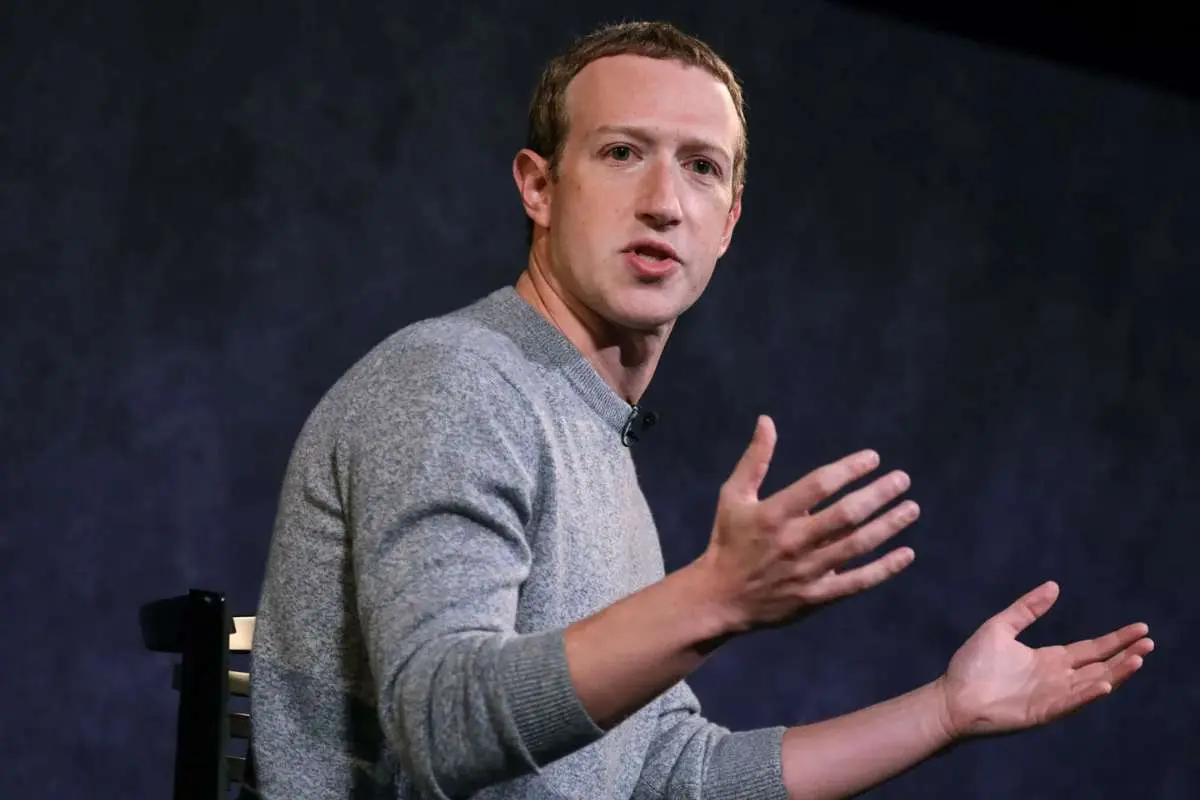
Zuckerberg still leads Meta, the company behind Facebook, Instagram, and WhatsApp, while pushing into AI and mixed reality. Meta has built one of the world’s largest digital advertising businesses through its massive global user base. At the same time, Zuckerberg is investing heavily in AI infrastructure and new computing platforms to prepare the company for the next stage of technology.
Key business lesson: Protect the core business while preparing for what comes next.
5. Larry Page
Page co-founded Google and remains a controlling shareholder and board member of Alphabet. Google spans search, cloud, advertising, hardware, and AI. What started as a search engine became a broad technology ecosystem serving billions of users worldwide. Page’s career also shows how a simple technology can become the foundation for an enormous business platform.
Key business lesson: Solve a simple problem very well, then build around it.
6. Michael Dell
Dell built his computer business from a college dorm room and turned it into Dell Technologies. In 2026, the company is deeply involved in AI infrastructure. Dell Technologies now provides servers, storage, networking, and other systems used by businesses and data centers. His ability to shift the company beyond personal computers shows the value of adapting as technology markets change.
Key business lesson: Change before the market forces you to.
7. Sergey Brin
Brin co-founded Google with Page and remains a controlling shareholder and board member of Alphabet. His work helped create a major global internet business. Google’s search technology became the foundation for a much larger ecosystem covering advertising, cloud computing, mobile software, and AI. Brin’s technical background also helped shape the company’s early culture of experimentation and engineering.
Key business lesson: Strong technical ideas can become platforms used at global scale.
8. Larry Ellison

Ellison co-founded Oracle and remains its chairman and chief technology officer. Oracle now spans software, cloud systems, and enterprise tools. The company has spent decades serving businesses that rely on databases and critical software systems. Its move deeper into cloud computing and AI also shows how an established technology company can adapt to new markets.
Key business lesson: Keep improving the product as customer needs change.
9. Warren Buffett
Buffett built Berkshire Hathaway across insurance, rail, energy, manufacturing, and retail. Greg Abel became CEO in 2026, while Warren Buffett later became chairman emeritus and remained on Berkshire’s board. Berkshire’s model has relied heavily on disciplined capital allocation and acquiring strong businesses for the long term. Buffett’s career remains a major example of how patience and careful investment can compound wealth over decades.
Key business lesson: Patience and sound capital choices matter.
10. Bernard Arnault
Arnault leads LVMH, a global luxury group that includes Louis Vuitton, Sephora, and Tiffany & Co. Rather than relying on a single brand, LVMH built a portfolio covering fashion, jewelry, beauty, wines, and spirits. Arnault’s strategy shows how strong brands can be managed under one large group while retaining their individual identities.
Key business lesson: A trusted brand can create value for decades.
Read More: Top 10 Successful Entrepreneurs in India (2026 Edition)
11. Bill Gates
Gates co-founded Microsoft and helped shape the personal computer era. He now focuses mainly on philanthropy. He remains among the most successful businessmen because his work changed an entire industry. Microsoft became a major force in operating systems, productivity software, and enterprise technology, creating a business model that influenced the modern software industry.
Key business lesson: Build useful products, then think about wider impact.
12. Carlos Slim
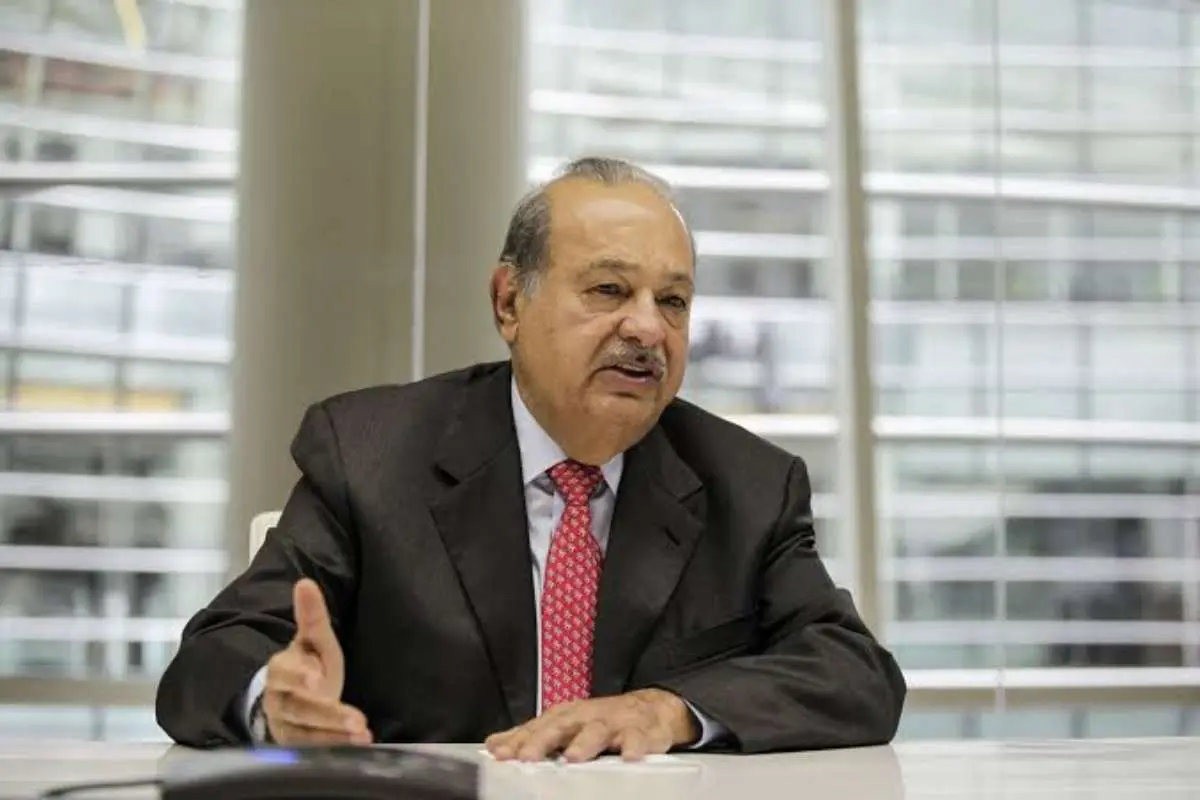
Slim built a major telecom and investment empire in Latin America. América Móvil remains a leading communications company in the region. His business approach has involved building and acquiring assets across industries while maintaining a long-term ownership mindset. His career demonstrates how scale can be built by investing consistently in essential services and infrastructure.
Key business lesson: Long-term ownership and steady investment can create durable scale.
13. Michael Bloomberg
Bloomberg co-founded Bloomberg LP, giving financial professionals market data, news, and tools through one platform. He remains its majority owner. The company’s Bloomberg Terminal became a central tool for banks, investors, traders, and other financial professionals. By combining data, software, news, and communications, Bloomberg built a specialized business around a clear and valuable customer need.
Key business lesson: Solve a costly problem for a clear customer group.
14. Mukesh Ambani
Ambani expanded Reliance from energy into telecom, retail, digital services, and consumer businesses. The company is also pushing further into AI infrastructure in India. Reliance Jio helped transform India’s telecom market by bringing low-cost mobile data and digital services to hundreds of millions of users. The group’s wider expansion shows how infrastructure can become a foundation for multiple businesses.
Key business lesson: Build strong infrastructure, then use it across markets.
15. Satya Nadella
Nadella became Microsoft’s CEO in 2014 and helped push the company deeper into cloud services, enterprise software, and AI. Microsoft reported FY2026 revenue of $331.8 billion. Under Nadella, cloud computing became a much bigger part of Microsoft’s business, while AI was added across products and services. His leadership is often associated with shifting Microsoft toward a more cloud-first and partnership-driven strategy.
Key business lesson: A large company can change direction without losing its core strengths.
16. Steve Ballmer
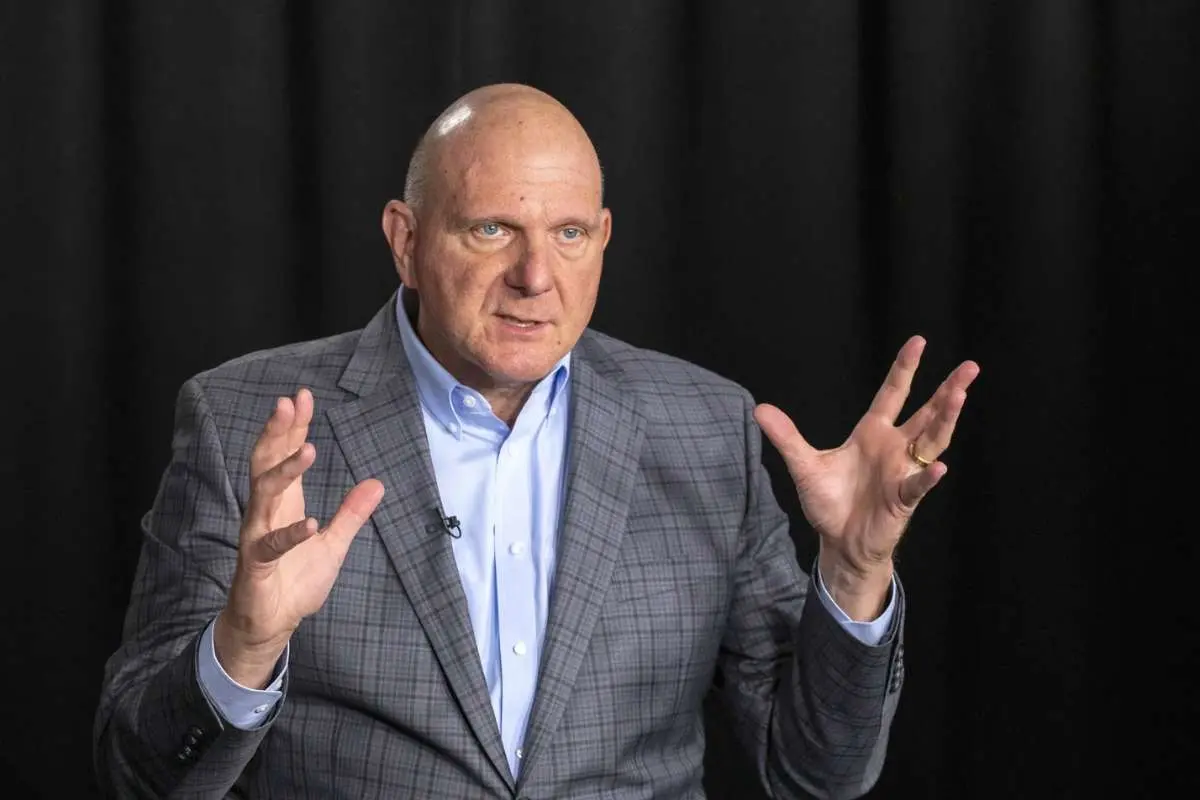
Steve Ballmer joined Microsoft in 1980 and later served as CEO from 2000 to 2014. He is now the owner of the Los Angeles Clippers. His business career shows how strong ownership and long-term investment can extend well beyond a CEO role. Forbes estimates the Clippers at $7.5 billion. His Microsoft career also gave him decades of experience scaling one of the world’s largest technology companies.
Key Business Lesson: A strong business career can continue through smart ownership and investment.
17. Zhang Yiming
Zhang Yiming co-founded ByteDance in 2012, the company behind TikTok and other digital products. He stepped away from running the company, but his influence remains tied to one of the world’s biggest social media businesses. In 2026, TikTok’s U.S. business moved into a new majority American-owned joint venture. ByteDance’s recommendation technology helped TikTok grow rapidly by matching users with highly personalized short-form content.
Key Business Lesson: A simple product can grow rapidly when it solves a clear user need.
18. Ma Huateng (Pony Ma)
Ma Huateng co-founded Tencent in 1998 and remains its chairman and CEO. Tencent built major businesses in messaging, gaming, payments, cloud services, and digital content. In 2026, the company is also increasing its focus on AI and advanced computing. WeChat became a central part of Tencent’s ecosystem, connecting communication, payments, commerce, and other digital services within one platform.
Key Business Lesson: Build several useful products around a strong customer base.
19. Gautam Adani
Gautam Adani is the founder and chairman of the Adani Group, with businesses spanning ports, airports, energy, logistics, data centers, and other infrastructure. In 2026, Adani Enterprises continued shifting toward mature infrastructure businesses, while the group expanded major airport operations in India. The group’s strategy centers on owning and operating assets that support trade, transportation, energy, and digital growth. This gives Adani exposure to several parts of India’s long-term infrastructure expansion.
Key Business Lesson: Large infrastructure projects can create value when built with a long-term view.
20. Masayoshi Son
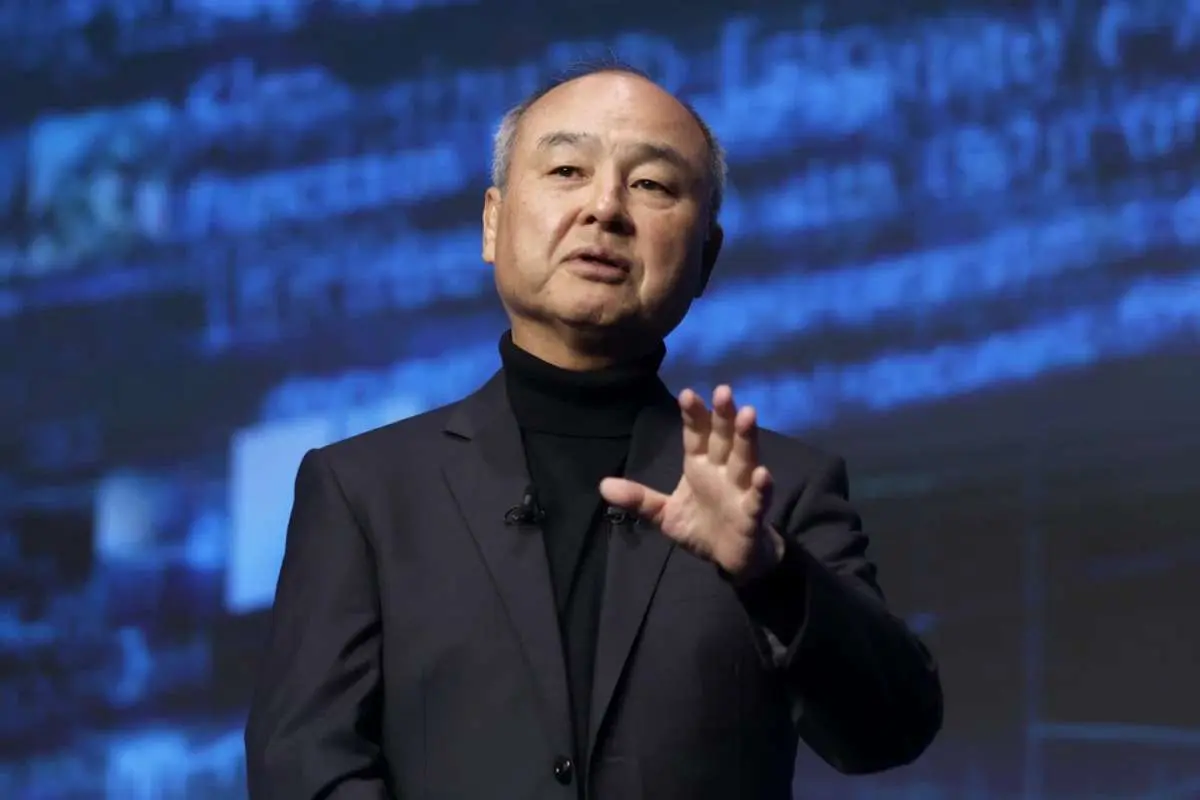
Masayoshi Son founded SoftBank and remains its chairman and CEO. He has built the group through investments in technology, telecom, semiconductors, and AI. In 2026, SoftBank increased its focus on AI infrastructure and enterprise AI through partnerships with OpenAI. Son’s approach is built around making large bets on technologies he believes could define the next major phase of the global economy.
Key Business Lesson: Strong investors look for technologies that can shape the next major market.
Read More:
How We Define Business Success
For this article, the most successful businessmen are judged on five areas: scale, innovation, leadership, durability, and impact.
- Scale: How large is the company and how wide is its reach?
- Innovation: Did the leader help change an industry?
- Leadership: Did they build teams and systems that can last?
- Durability: Has the business stayed strong through major market changes?
- Impact: Has the company changed how people work, shop, communicate, or invest?
This is why wealth alone does not decide the list.
What Are the Latest Business Milestones and Lessons?
Recent Business Milestones
In 2026, the most successful businessmen are operating in a market shaped by AI, cloud computing, digital media, and infrastructure. Berkshire Hathaway completed its CEO transition to Greg Abel, while Dell expanded its AI infrastructure business. Oracle continues to grow its cloud operations, and Reliance is expanding its digital and consumer businesses.
Industries Shaping Business
Technology dominates this group through software, chips, cloud services, e-commerce, search, and social media. Finance, telecom, luxury, and retail also play major roles. The most successful businessmen come from different fields, but many have built businesses at global scale.
Lessons for Entrepreneurs
Focus on real customer needs, manage cash carefully, build strong teams, and adapt when markets change. The most successful businessmen show that lasting value matters more than quick gains.
Industry Breakdown
This industry view shows how broad the group of most successful businessmen is.
| Industry | Leaders |
| Technology & AI | Musk, Huang, Zuckerberg, Page, Dell, Brin, Ellison, Gates, Nadella, Zhang, Pony Ma |
| E-commerce & Retail | Bezos |
| Finance & Investments | Buffett, Bloomberg, Son |
| Luxury | Arnault |
| Telecom | Slim, Ambani |
| Infrastructure & Energy | Adani |
| Sports & Business Ownership | Ballmer |
Conclusion
The most successful businessmen in 2026 do not follow one formula. Some built companies from scratch. Others grew existing businesses or became major investors. The lesson is similar: create real value, build something that can last, and keep adapting.
FAQs
1. Who is the most successful businessman in 2026?
There is no single objective answer. It depends on the measure used. Forbes’ September 29, 2026 real-time list places Musk first by net worth, but wealth is not the same as business success.
2. How is business success measured?
It can include revenue, profit, market share, innovation, company value, customer reach, leadership, long-term survival, and wider impact.
3. Who are the most influential business leaders today?
Influence is spread across technology, finance, luxury, telecom, retail, and manufacturing. The people on this list remain important because their companies shape large markets.
4. What can entrepreneurs learn from successful business leaders?
They can learn to solve real problems, manage money, build strong teams, adapt to change, and think long-term.
Source
- https://www.britannica.com/money/Google-Inc
- https://www.investopedia.com/terms/b/bernard-arnault.asp
- https://www.statista.com/topics/9941/america-movil/#editorsPicks
- https://www.bloomberg.org/team/michael-bloomberg
- https://www.ril.com/about/chairman-managing-director
- https://www.oracle.com/in/artificial-intelligence/larry-ellison-cloudworld-genai-strategy
- https://www.meta.com/en-gb/about/leadership/mark-zuckerberg/?utm_source=theenterpriseworld.com&utm_medium=organicsearch
- https://www.britannica.com/money/Berkshire-Hathaway
- https://www.linkedin.com/in/williamhgates
- https://www.investopedia.com/terms/b/bernard-arnault.asp
- https://www.forbes.com/profile/jeff-bezos