Munich stands as the capital of Bavaria and one of Germany’s most recognizable cities, where centuries-old streets meet a confident, modern rhythm. Set along the River Isar and framed by the nearby Alps, the city carries a rare balance of natural beauty and urban energy. Its reputation reaches far beyond Europe, celebrated for art, architecture, festivals, academic excellence, and exceptional living standards.
Munich thrives as an international community shaped by local customs and global perspectives, where beer halls coexist with cosmopolitan districts. This dialogue between history and modern life gives Munich its distinctive and enduring identity.
A City Written in Time
Munich’s story reflects decisive eras that shaped its civic character and public life, leaving clear marks on its streets and institutions. These traces draw attention toward the Altstadt, where the city’s earliest urban identity continues to anchor its narrative.
Footprints of History:

- 1158: Founding of Munich by Duke Henry the Lion
- 13th–18th centuries: Rule of the Wittelsbach dynasty
- 19th century: Cultural and intellectual flowering under the Bavarian monarchy
- 1940s: Wartime destruction and postwar reconstruction
- Present day: Munich is a cosmopolitan city rooted in tradition
With its history etched into stone and tradition woven into daily life, Munich’s past leads naturally into the Altstadt, where the city’s urban spirit first took shape.
Urban Heartbeat: Altstadt: Streets That Remember

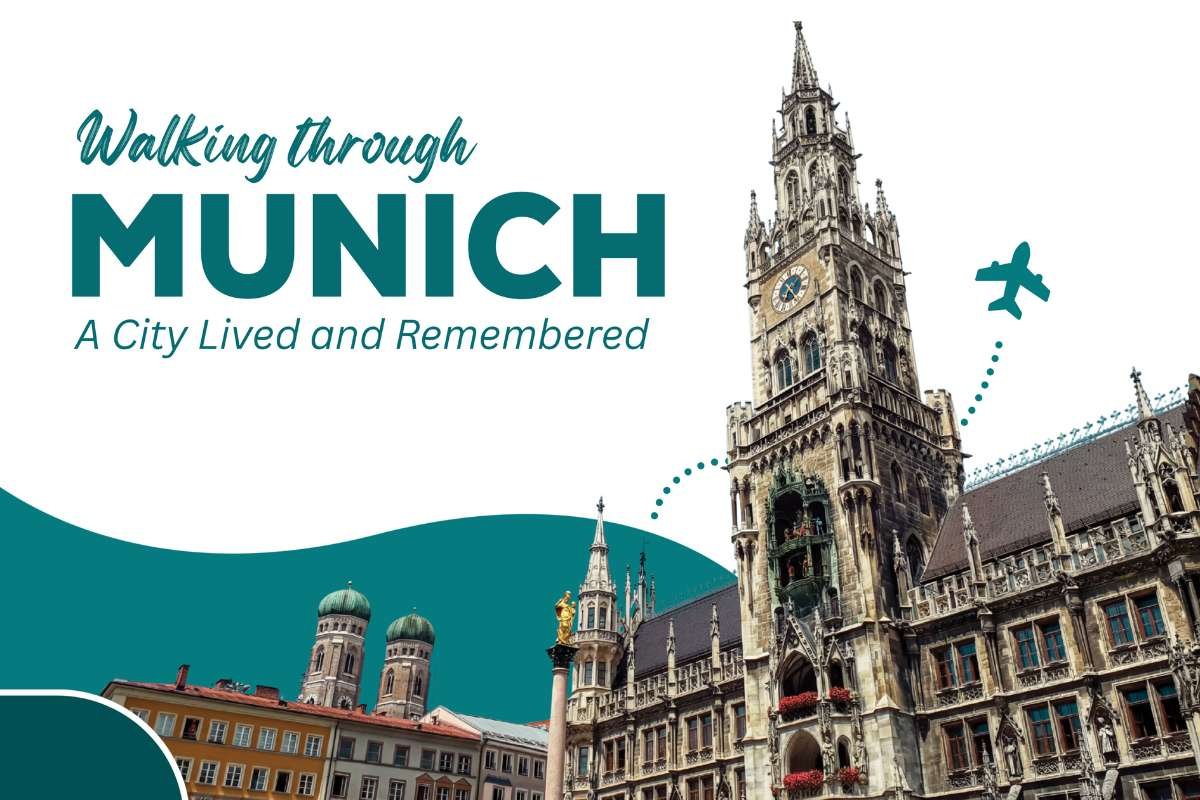
Altstadt carries Munich’s daily rhythm within a compact weave of squares and lanes, where the city feels present and personal. Marienplatz anchors this setting, watched over by the Old and New Town Halls, whose carved fronts frame gatherings, meetings, and quiet pauses.
The Glockenspiel punctuates the hours with ritual movement, turning routine moments into shared attention. Nearby, the Frauenkirche rises with calm authority, its twin towers guiding orientation and memory across the center. Viktualienmarkt adds color and scent through stalls of bread, cheese, flowers, and seasonal treats, shaping a scene of casual exchange.
Beyond the open spaces, narrower streets invite slower steps, revealing courtyards, boutique windows, and traces of past residents embedded in stone. Street musicians add texture to passing afternoons, while traditional taverns offer refuge and conversation.
With traffic held at bay, walking becomes the natural way to engage, allowing Altstadt to unfold through observation, sound, and lingering detail. Public benches, shaded corners, and church bells shape moments of pause, reminding visitors and locals alike that time here moves with intention rather than urgency during ordinary afternoons and evenings.
Districts with Distinct Voices
Beyond the historic core, Munich opens into districts shaped by distinct habits, moods, and daily routines. These neighbourhoods reveal how the city lives away from monuments, through classrooms, cafés, side streets, and shared local rituals.
Neighbourhood Vignettes:

| Neighbourhood | Character Snapshot |
| Maxvorstadt | A district shaped by ideas and creativity, where universities, museums, and the Kunstareal create a thoughtful atmosphere shared across lecture halls, galleries, and quiet streets. |
| Schwabing | Recognized for expressive façades and a lasting café culture, carrying an artistic spirit shaped by conversation, literature, and unhurried afternoons. |
| Glockenbach & Isarvorstadt | Areas defined by contemporary life, filled with small boutiques, nightlife corners, and a youthful social scene that feels open and spontaneous. |
| Haidhausen & Au | Quarters with roots in local trades and breweries, offering intimate squares, familiar cafés, and a village-like calm within the city. |
| Giesing | A neighbourhood shaped by cultural variety and everyday authenticity, favored by students and artists drawn to character over polish. |
Across these neighbourhoods, Munich’s character unfolds through daily habits rather than iconic scenes.
Living Together in Munich
Munich approaches diversity as a shared civic experience, shaped by participation, visibility, and daily interaction. Its role within the Council of Europe’s Intercultural Cities Programme reflects a clear commitment to inclusion grounded in local life rather than symbolism.
Key Intercultural Pillars
- Policy Framework: Intercultural principles guide municipal action through equal value, community involvement, and open exchange.
- Creative Support: City funding enables artists and cultural groups to work across backgrounds and shared spaces.
- Youth Dialogue: The Mosaik Youth Award encourages conversation and awareness through creative engagement.
- Public Encounter: Festivals, neighborhood events, and common spaces allow cultures to meet through everyday presence.
Seen in practice, Munich’s intercultural approach appears less as a statement and more as a habit woven into public life. As Munich’s story draws toward its broader identity, this intercultural foundation offers a natural bridge into understanding how tradition and contemporary life continue to coexist across the city’s social fabric.
Icons of Time and Innovation
Munich’s identity unfolds through landmarks that capture history, innovation, and cultural life in a single view. The Munich Residenz offers a glimpse into royal grandeur with sprawling chambers, courtyards, and museums, while Schloss Nymphenburg impresses with Baroque elegance and gardens that extend into tranquil parkland.
Allianz Arena presents a modern spectacle with its glowing exterior, and Olympiapark preserves the energy of the 1972 Olympics through open spaces, venues, and elevated skyline views. BMW Welt and Museum showcase design, technology, and mobility heritage in ways that feel both interactive and artistic.
The city’s churches, ranging from Gothic cathedrals to rococo chapels, contribute layers of spiritual and visual depth along busy streets and quiet squares. Towers and riverside promenades offer vantage points for absorbing panoramic views, where city streets, green spaces, and the Isar river meet. Visitors move from palace halls to riverside promenades, seeing Munich not as a concept but as a city lived and observed.

Life and Leisure: Culture, Food, and Green Spaces

Munich pulses with convivial energy, where centuries-old breweries and beer gardens extend conversations into the evening. Culinary delights such as Weisswurst, pretzels, and roast pork appear alongside vibrant food markets, offering everyday moments of Bavarian joy.
The city’s green spaces provide balance: the English Garden invites walking, cycling, and watching river surfers, while Westpark offers themed gardens and lakeside stages for performances.
Families enjoy riverside strolls, seasonal festivals, and open-air music events that animate streets and squares throughout the year. Cafés, cultural gatherings, and holiday markets give the city a rhythm that blends tradition with urban leisure. In Munich, relaxed outdoor life intersects naturally with rich cultural experiences, creating spaces where residents and visitors can savor both local flavors and communal activity in equal measure.
City Rhythms: Tips and Impressions
Munich welcomes exploration with a public transport system that links trams, buses, and subways across the city and nearby districts, making every landmark accessible. Accommodation choices shape experience: central locations put sights within reach, while outer neighborhoods offer lively streets, local cafés, and quieter charm.
Timing enhances discovery, morning markets brim with fresh produce, parks glow during sunset picnics, and evening strolls through the Old Town reveal hidden corners. Dining, cultural visits, and seasonal events reward patience and observation.
Beyond logistics, Munich invites visitors to sense its rhythm, where history, community, and daily life intersect in streets, squares, and green spaces. Each moment becomes part of a larger story, revealing a city alive with tradition and contemporary spirit.
Visitor Essentials:

- Transport: Trams, buses, U-Bahn connections
- Accommodation: Central for landmarks; outer districts for local charm
- Timing: Morning markets, sunset parks, evening walks
- Seasonal Highlights: Festivals, open-air events, holiday markets
Conclusion:
Munich reveals itself through streets, squares, and green spaces where history and daily life intersect. Royal palaces, contemporary arenas, and quiet chapels offer moments of wonder, while neighborhoods hum with local routines, artistic energy, and multicultural exchange. Markets, cafés, festivals, and parks invite lingering, observation, and shared experience.
The city’s rhythm unfolds in sunlight on river promenades, evening Glockenspiel chimes, and bustling beer gardens, giving residents and visitors alike a sense of place shaped by both tradition and modern vitality. Munich is less a destination than a living story, ever ready to be explored, savored, and remembered.