For decades, hair restoration revolved around a single, well-defined goal: fixing male pattern baldness at the top of the head. Men quietly booked consultations to fill receding hairlines, hoping no one at work would notice the sudden shift in density. Today, the conversation looks entirely different.
Walk through any major city in the UK, and you will see a fresh standard of grooming. Full, defined beards, prominent eyebrows, and sharp facial features dominate modern aesthetic preferences. Yet genetics, scar tissue, and past grooming habits leave many people with thin eyebrows or sparse patches. Rather than relying on temporary fillers, pencils, or microblading, patients increasingly turn to permanent surgical solutions.
Non-scalp hair transplants are no longer a niche request reserved for reconstructive surgery after trauma. They represent one of the fastest-growing sectors in British cosmetic medicine. Recent data from the International Society of Hair Restoration Surgery shows that non-scalp recipient areas now account for roughly one in every five surgical procedures. Men want fuller beards and moustaches, while women are restoring over-plucked eyebrows. Surgeons are even tapping body hair to rebuild severe scalp loss when conventional donor areas run dry.
Understanding this trend requires looking past superficial social media trends. The rise of non-scalp transplants sits at the intersection of refined surgical tools, deeper anatomical understanding, and a clear shift in how patients view cosmetic self-care.
The beard restoration boom
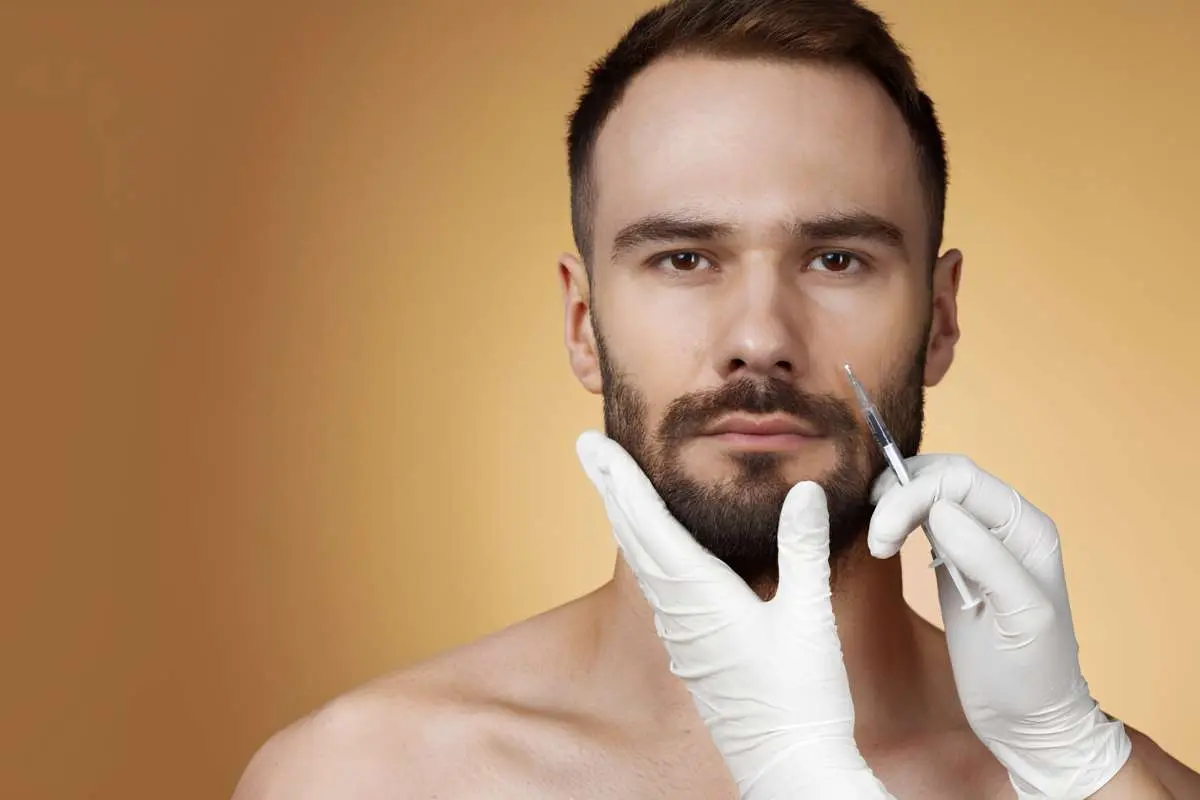
Facial hair has become a central element of masculine style across the UK. However, patchy growth remains a common frustration. Genetics determine beard density, leaving many men with bare cheek patches, thin moustaches, or irregular connectivity along the jawline. Scarring from acne or injuries can also create permanent bald spots across the lower face.
Beard transplants rely on Follicular Unit Extraction, commonly known as FUE. During this process, a surgeon harvests individual hair follicles from the safe donor zone at the back of the head. These follicles are then meticulously implanted into the facial skin.
The technical challenge of a beard transplant lies in spatial orientation and hair diameter. Scalp hair usually grows in clusters of two, three, or four follicles. Facial hair, by contrast, naturally emerges as single-hair units or coarse pairs. Implanting multi-hair grafts onto a chin or cheek creates an unnatural, tufted appearance. Surgeons must carefully select fine, single-hair grafts for the outermost borders of the beard, placing slightly thicker units into the central moustache and chin to create natural density.
Direction and angle are equally critical. Scalp hair generally exits the skin at a 45-degree angle. Facial hair lies much flatter, exiting the skin at a sharp angle between 10 and 30 degrees depending on the specific zone. Hair on the upper cheek grows downwards, while hair along the jaw angle transitions sideways and toward the neck. If a surgeon misjudges these natural directions, the transplanted beard will stick straight out, making grooming impossible.
Healing timelines for facial transplants are remarkably swift due to the rich vascular supply in the face. Patients typically experience mild redness and tiny scabs for five to seven days. Within three weeks, the newly implanted hair shafts shed in a routine process called shock loss. The underlying root remains active beneath the skin, producing permanent, growable facial hair starting around the third or fourth month post-procedure.
Restoring eyebrows with surgical precision
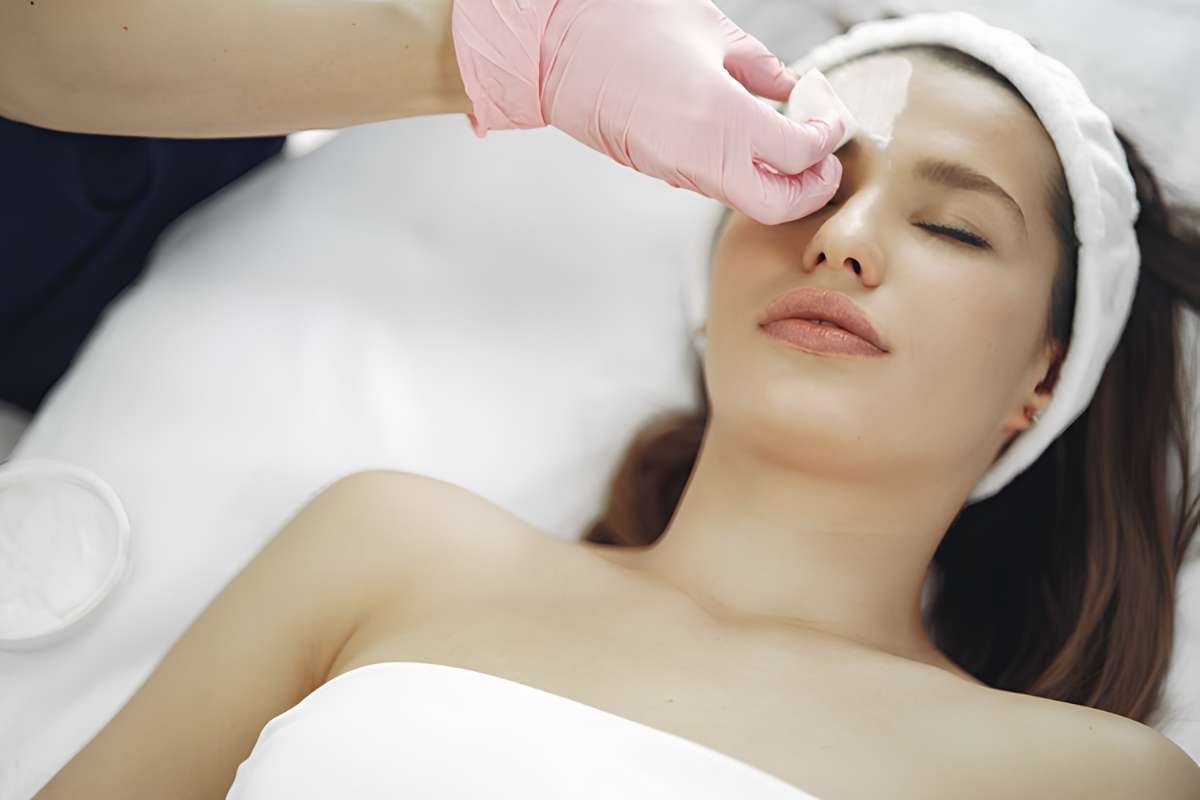
While men drive the demand for facial hair procedures, eyebrow transplants have seen a massive surge among women, with the market growing at 15.7%. Decades of thin-eyebrow trends in the late 1990s and early 2000s left countless women with permanent follicle damage caused by repetitive plucking. Conditions like alopecia areata, thyroid imbalances, and physical trauma also contribute to eyebrow loss.
While semi-permanent cosmetic tattooing like microblading offered a temporary fix, many women grew tired of ongoing touch-ups and flat, two-dimensional results. An eyebrow transplant delivers actual three-dimensional structure using living hair follicles.
Executing a successful eyebrow transplant requires exceptional surgical artistic skill. The average human eyebrow contains between 250 and 500 individual hairs. Each hair follows a precise architectural pattern. Hairs at the inner head point vertically upwards. As the brow moves along the arch, the hairs tilt horizontally, overlapping like feathers on a bird’s wing. At the tail end, the hairs point downwards toward the temple.
Surgeons use delicate micro-blades or specialised needles to create tiny recipient sites flat against the skin surface. Inserting grafts at an angle flatter than 15 degrees prevents the brow from growing outwards. Because scalp hair grows much faster than natural eyebrow hair, patients must embrace a new grooming routine. Transplanted eyebrow hair retains the physiological memory of its original donor site. It will continue to grow at the rate of head hair, requiring light trimming with small scissors every week or two. Over time, some physiological adaptation occurs, but regular maintenance remains a standard requirement.
Clinical studies report patient satisfaction rates above 90% for eyebrow transplants when performed by experienced hands. The key to long-term success lies in proper candidate selection, ensuring underlying autoimmune conditions are inactive before undertaking surgery.
Body hair transplantation: reclaiming lost donor capital
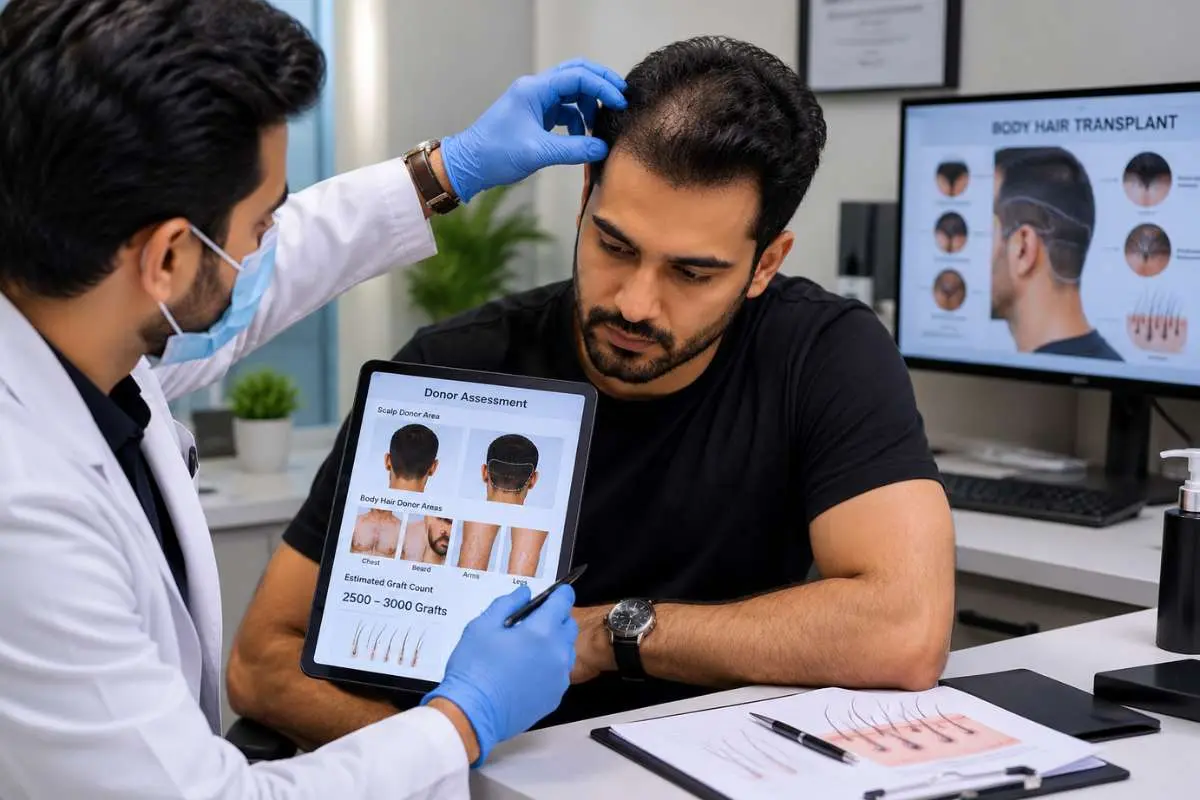
Non-scalp hair transplants do not only move hair from the head to the body. They also move hair from the body to the head. This technique, known as Body Hair Transplantation, offers a lifeline for patients with advanced male pattern baldness who lack adequate scalp donor hair.
Traditional hair restoration relies on the donor site at the back and sides of the head. Once that area is depleted from previous surgeries or extensive thinning, traditional options end. Body hair extraction allows surgeons to harvest viable grafts from the chest, beard, or back.
Beard hair serves as the premier body donor source. Beard follicles are robust, thick, and possess a high survival rate when transferred to the scalp. They provide exceptional visual density, making them ideal for filling the mid-scalp and crown areas. Chest hair, being finer and having a shorter growth cycle, works best as soft filler hair scattered among existing scalp grafts.
Using body hair requires specialised knowledge of hair growth cycles. Scalp hair spends up to six years in the active growth phase, known as the anagen phase. Body hair spends only a few months in anagen before entering a resting phase. Consequently, body hair grafts never achieve the same length as native scalp hair. Surgeons must manage patient expectations carefully, using body hair to complement remaining scalp donor hair rather than relying on it exclusively for front hairline reconstruction.
Best practices and clinical safety standards
As demand for non-scalp hair transplants rises, maintaining clinical quality and patient safety is paramount. The UK cosmetic surgery sector operates under strict oversight from the Care Quality Commission, yet patient education remains the primary defense against poor surgical outcomes.
Non-scalp procedures require deeper surgical expertise than standard scalp restorations. The skin on the face and neck is thinner and more vascular, requiring careful depth control during graft extraction and insertion. Inexperienced practitioners risk creating visible scarring, pitting, or cobblestone textures across the face.
Prospective patients should ensure their chosen surgeon holds full registration with the General Medical Council and maintains active membership in professional bodies like the British Association of Hair Restoration Surgery. A proper consultation should involve a thorough review of medical history, microscopic scalp analysis, and a transparent discussion of realistic density goals.
Patients must also follow strict post-operative care protocols. Facial areas require gentle cleaning with saline sprays, avoidance of direct sunlight, and a brief pause on heavy exercise to prevent graft displacement. Smoking and vaping severely compromise blood circulation to newly implanted grafts, making nicotine cessation a key prerequisite for optimal healing.
Clear communication and patient education

The rapid growth of non-scalp procedures reflects a broader cultural shift toward open conversations about cosmetic care. Much of this growth stems from ethical hair transplant marketing strategies that prioritise clinical facts over exaggerated promises. Modern patients want transparent visual evidence, clear scientific explanations, and honest discussions about surgical limitations.
Clinics often partner with a specialised medical marketing agency in London to produce high-quality educational materials, explanatory videos, and realistic case studies. When clinics communicate clearly about the technical demands of beard and eyebrow transplants, patients enter consultations informed and prepared. Clear information helps dispel myths, steering consumers away from unregulated overseas operations and toward accredited British medical professionals.
A specialised medical marketing agency in London connects top hair transplant surgeons with patients wanting life-changing results. Through transparent, ethical digital strategy and educational content, agencies build patient trust, streamline consultations, and accelerate clinic growth.
London hair restoration surgeons and patients are set for growth
Hair transplantation has evolved far beyond basic scalp coverage. Modern techniques give patients precise control over their appearance, whether that means constructing a full, symmetrical beard, reconstructing soft eyebrow arches, or using body hair to restore confidence after severe scalp thinning.
As surgical instruments refine and our understanding of follicular biology advances, non-scalp restoration will continue to grow in popularity across the UK. By pairing artistic precision with rigorous safety standards, skilled surgeons are helping patients achieve natural, lasting results across every area of the face and body.